Department of Medicine, University of California San Diego, La Jolla, CA, USA.
Department of Chemical Sciences, University of Napoli Federico II and CEINGE Advanced Biotechnologies, Naples, Italy.
Cell Death Dis. 2021 Aug 17;12(9):797. doi: 10.1038/s41419-021-04069-w.
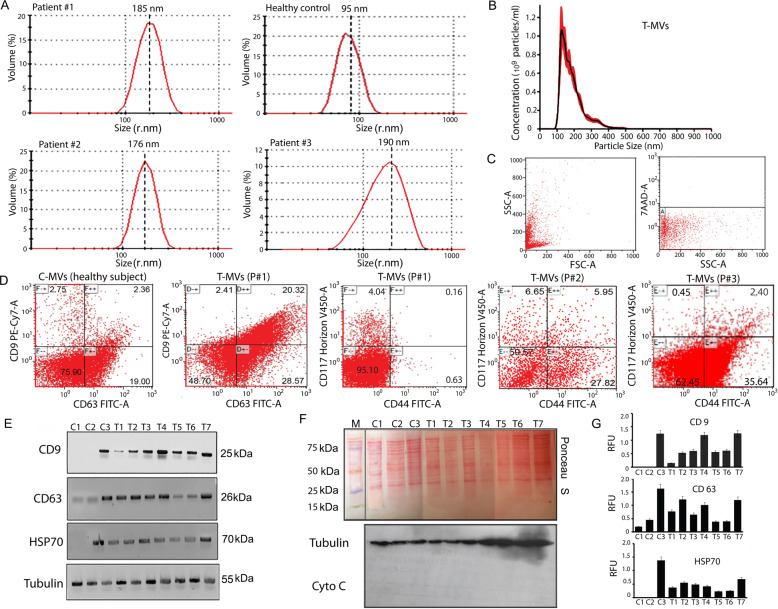
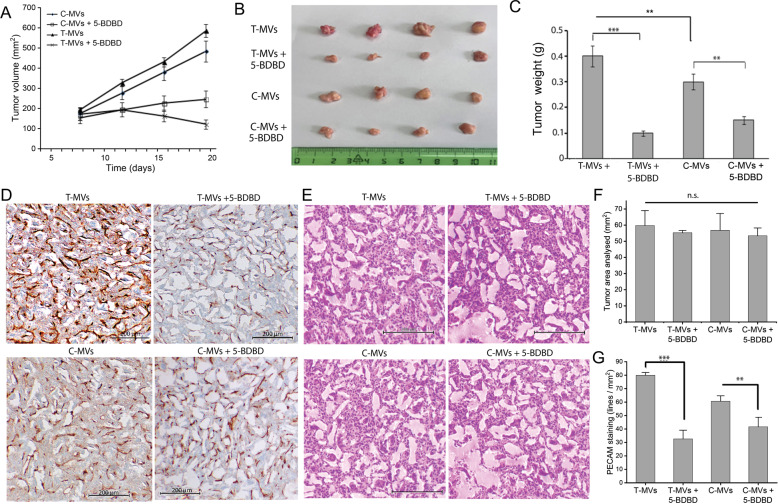
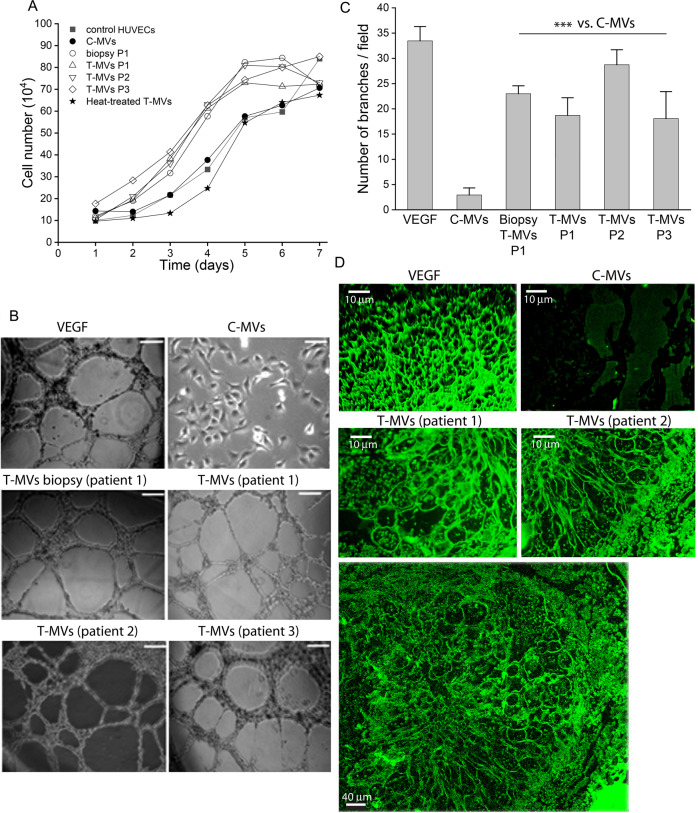
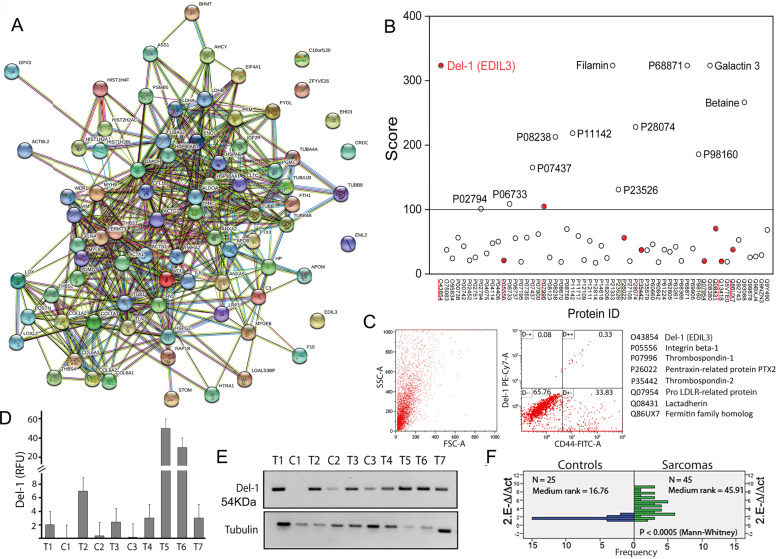
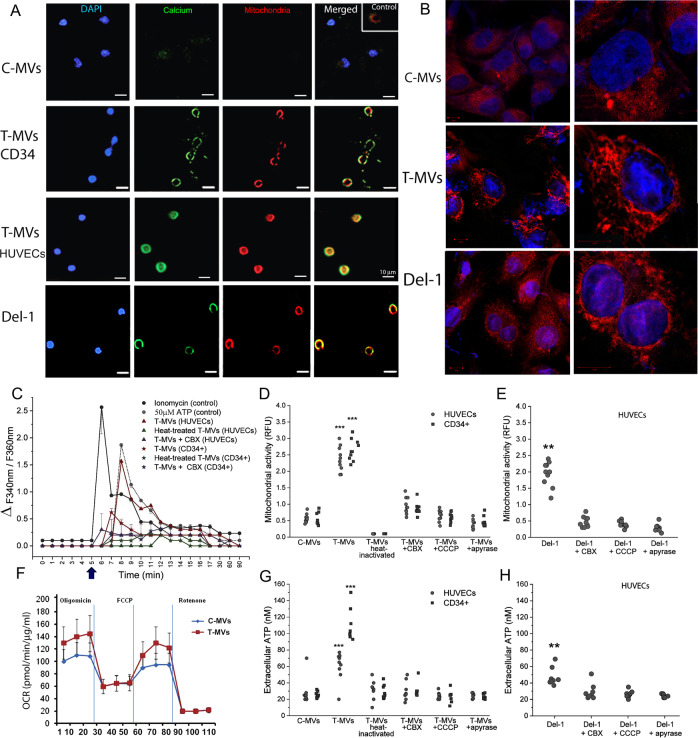
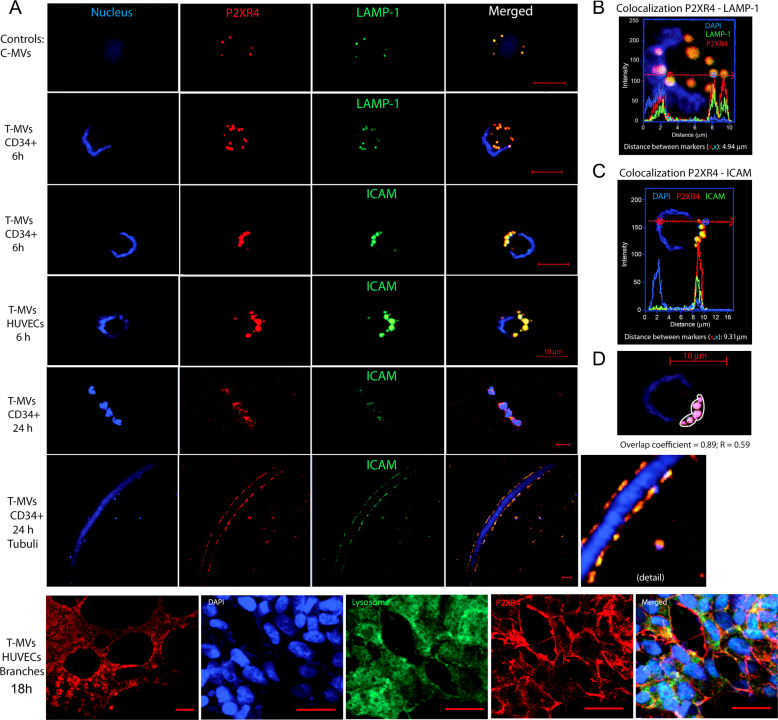
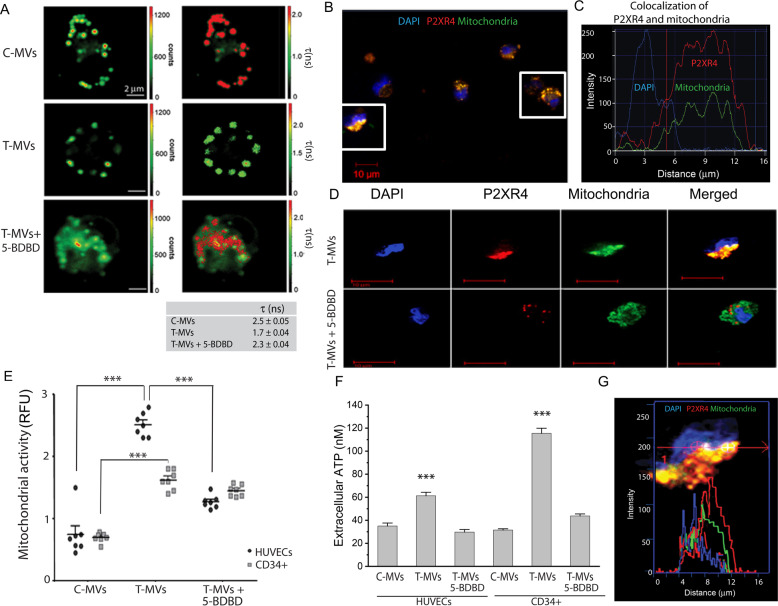
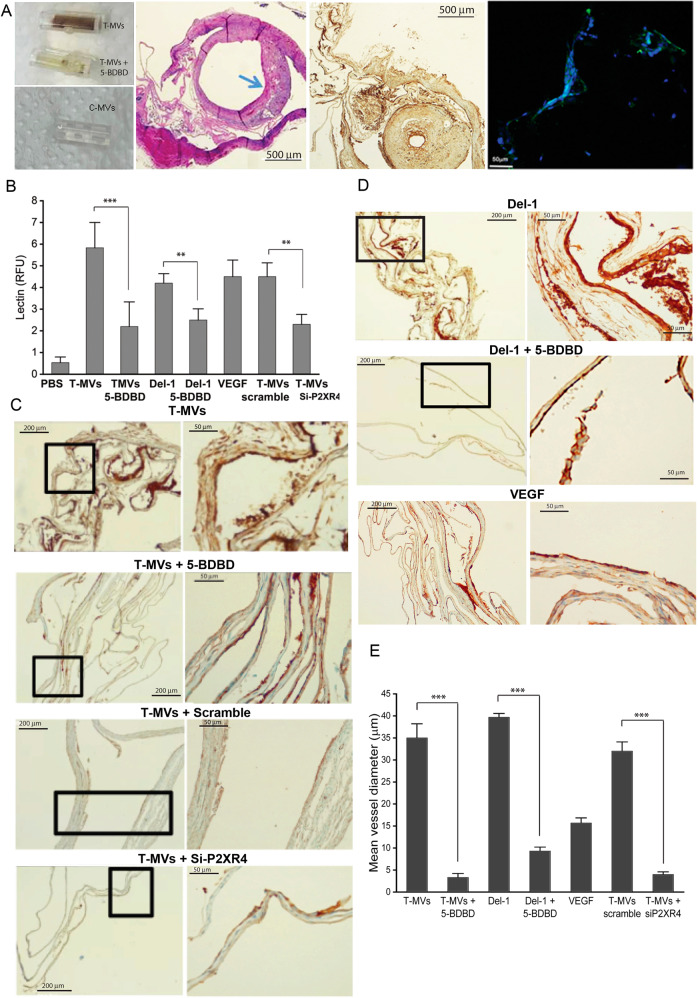
The tumor microenvironment modulates cancer growth. Extracellular vesicles (EVs) have been identified as key mediators of intercellular communication, but their role in tumor growth is largely unexplored. Here, we demonstrate that EVs from sarcoma patients promote neoangiogenesis via a purinergic X receptor 4 (P2XR4) -dependent mechanism in vitro and in vivo. Using a proteomic approach, we analyzed the protein content of plasma EVs and identified critical activated pathways in human umbilical vein endothelial cells (HUVECs) and human progenitor hematopoietic cells (CD34+). We then showed that vessel formation was due to rapid mitochondrial activation, intracellular Ca mobilization, increased extracellular ATP, and trafficking of the lysosomal P2XR4 to the cell membrane, which is required for cell motility and formation of stable branching vascular networks. Cell membrane translocation of P2XR4 was induced by proteins and chemokines contained in EVs (e.g. Del-1 and SDF-1). Del-1 was found expressed in many EVs from sarcoma tumors and several tumor types. P2XR4 blockade reduced EVs-induced vessels in angioreactors, as well as intratumor vascularization in mouse xenografts. Together, these findings identify P2XR4 as a key mediator of EVs-induced tumor angiogenesis via a signaling mediated by mitochondria-lysosome-sensing response in endothelial cells, and indicate a novel target for therapeutic interventions.
肿瘤微环境调节肿瘤生长。细胞外囊泡 (EVs) 已被确定为细胞间通讯的关键介质,但它们在肿瘤生长中的作用在很大程度上尚未得到探索。在这里,我们证明了肉瘤患者的 EV 通过体外和体内的嘌呤能 X 受体 4 (P2XR4) 依赖性机制促进新血管生成。使用蛋白质组学方法,我们分析了血浆 EV 的蛋白质含量,并鉴定了人脐静脉内皮细胞 (HUVEC) 和人祖造血细胞 (CD34+) 中的关键激活途径。然后,我们表明血管形成是由于线粒体快速激活、细胞内 Ca 动员、细胞外 ATP 增加以及溶酶体 P2XR4 向细胞膜的运输,这对于细胞迁移和稳定分支血管网络的形成是必需的。细胞膜 P2XR4 的易位是由 EV 中包含的蛋白质和趋化因子 (例如 Del-1 和 SDF-1) 诱导的。在许多肉瘤肿瘤和几种肿瘤类型的 EV 中发现了 Del-1 的表达。P2XR4 阻断减少了 Angioreactors 中 EV 诱导的血管,以及小鼠异种移植中肿瘤内血管化。总之,这些发现确定了 P2XR4 是 EV 诱导的肿瘤血管生成的关键介质,通过内皮细胞中线粒体-溶酶体感应反应介导的信号转导,表明这是一种新的治疗干预靶点。