Matsuyama Take, Tu Hung-Ya, Sun Jianan, Hashiguchi Tomoyo, Akiba Ryutaro, Sho Junki, Fujii Momo, Onishi Akishi, Takahashi Masayo, Mandai Michiko
Laboratory for Retinal Regeneration, RIKEN Center for Biosystems Dynamics Research, Kobe, Japan.
Department of Ophthalmology, Kobe City Eye Hospital, Kobe, Hyogo, Japan.
iScience. 2021 Jul 16;24(8):102866. doi: 10.1016/j.isci.2021.102866. eCollection 2021 Aug 20.
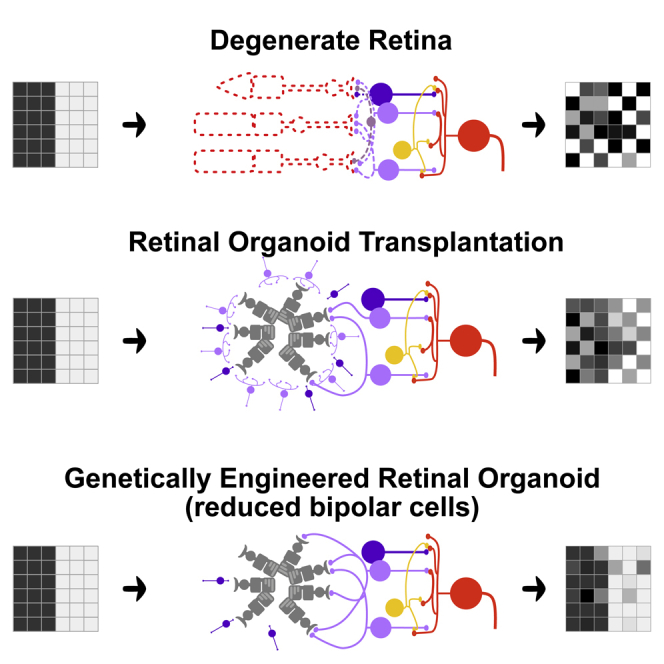
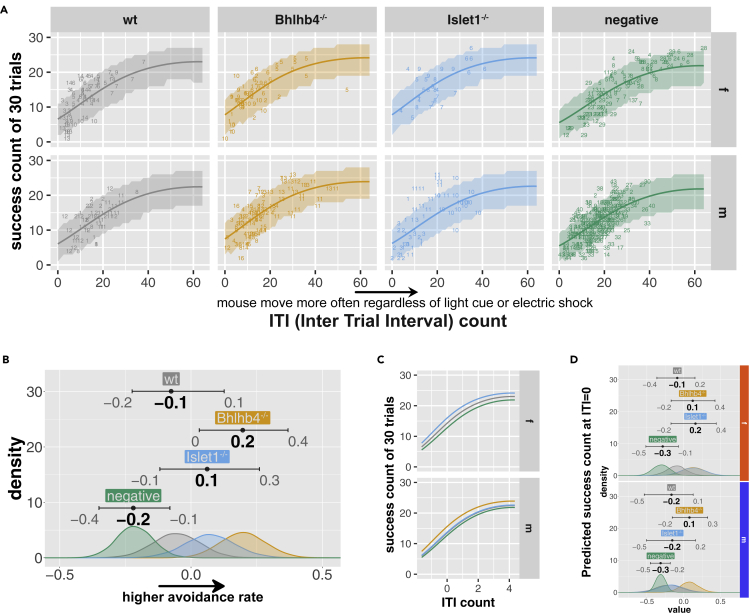
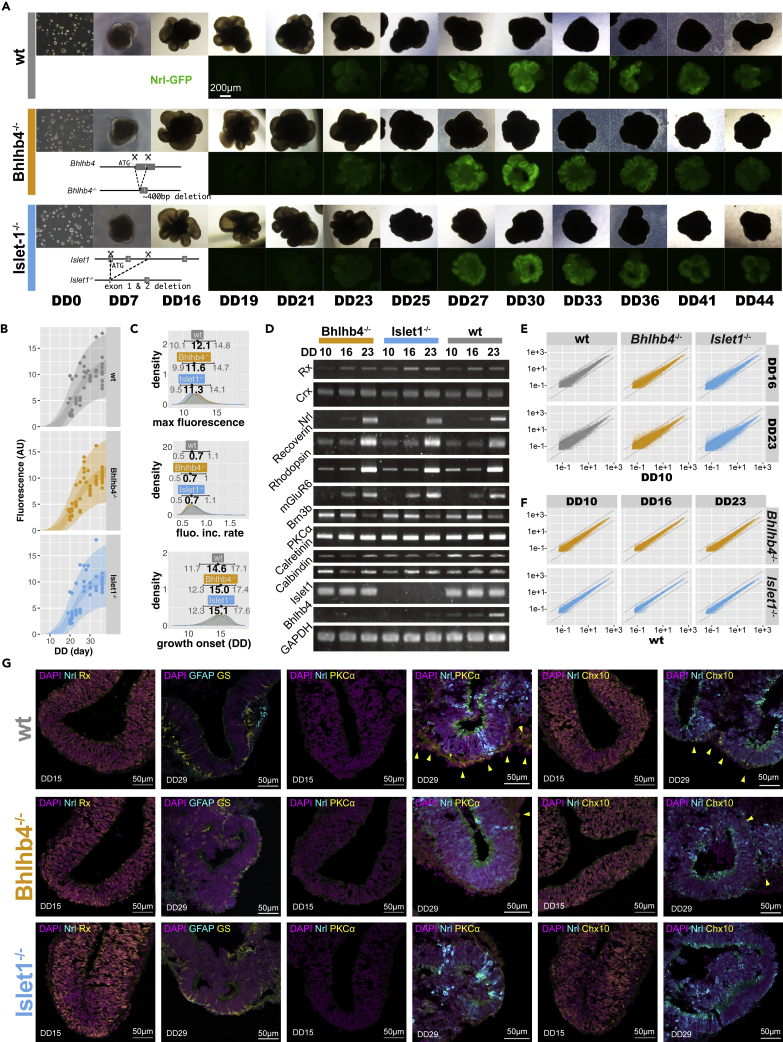
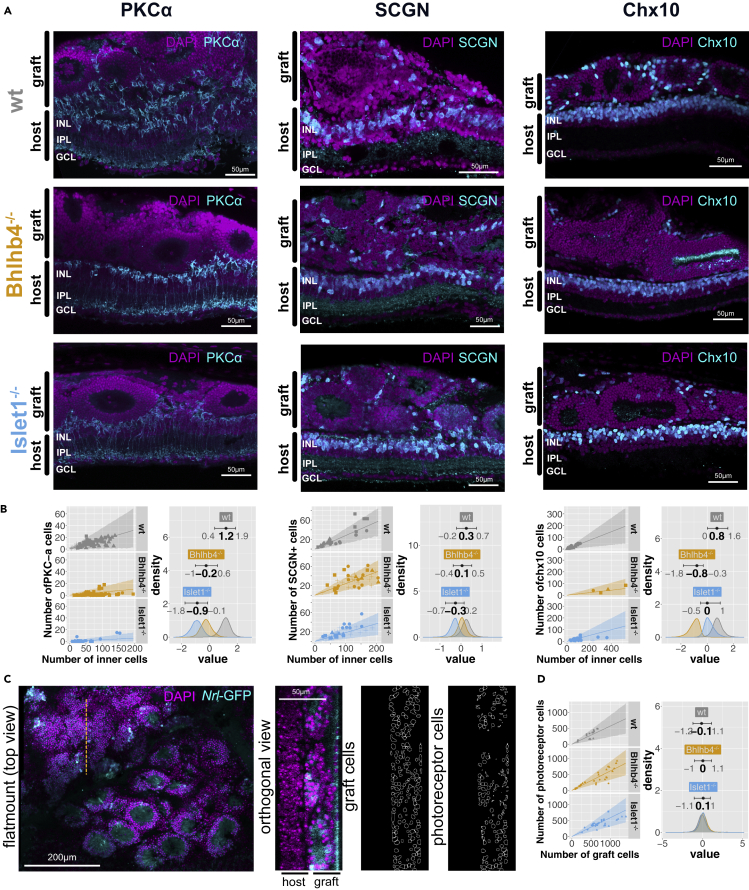
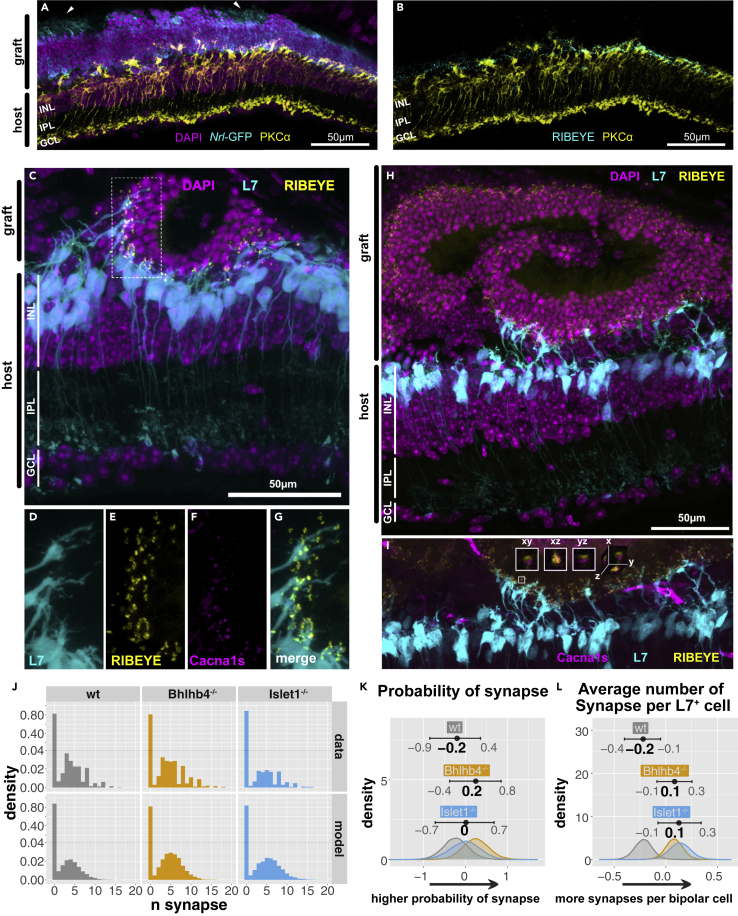
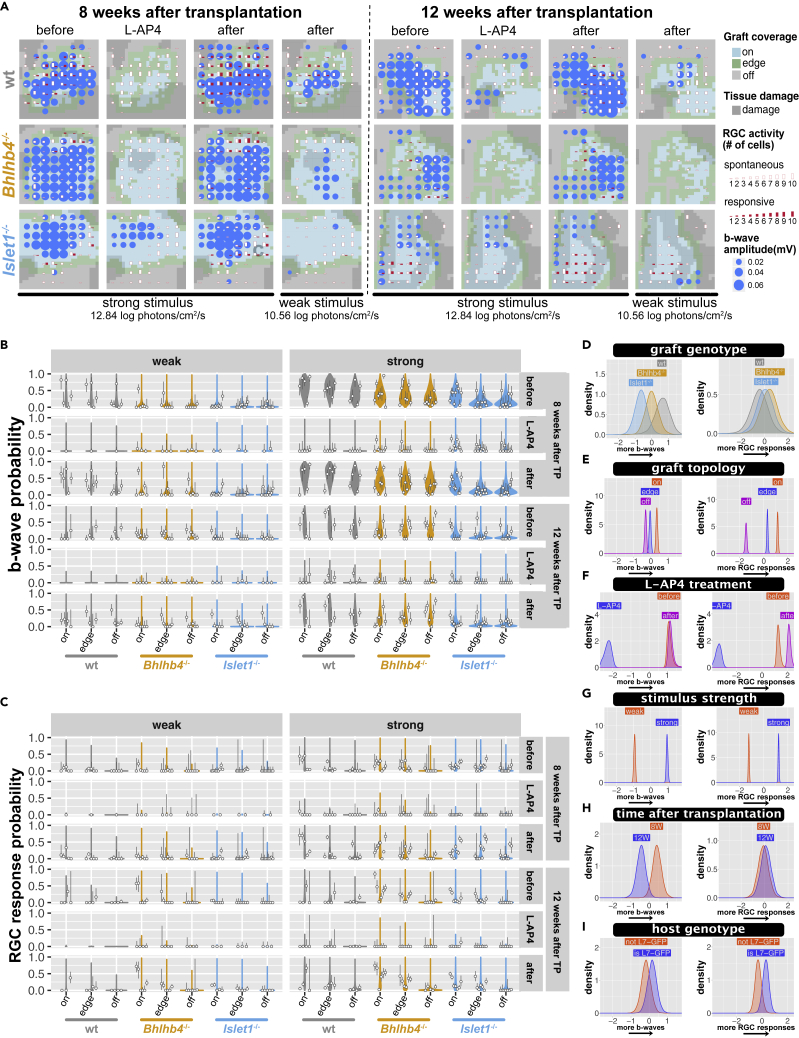
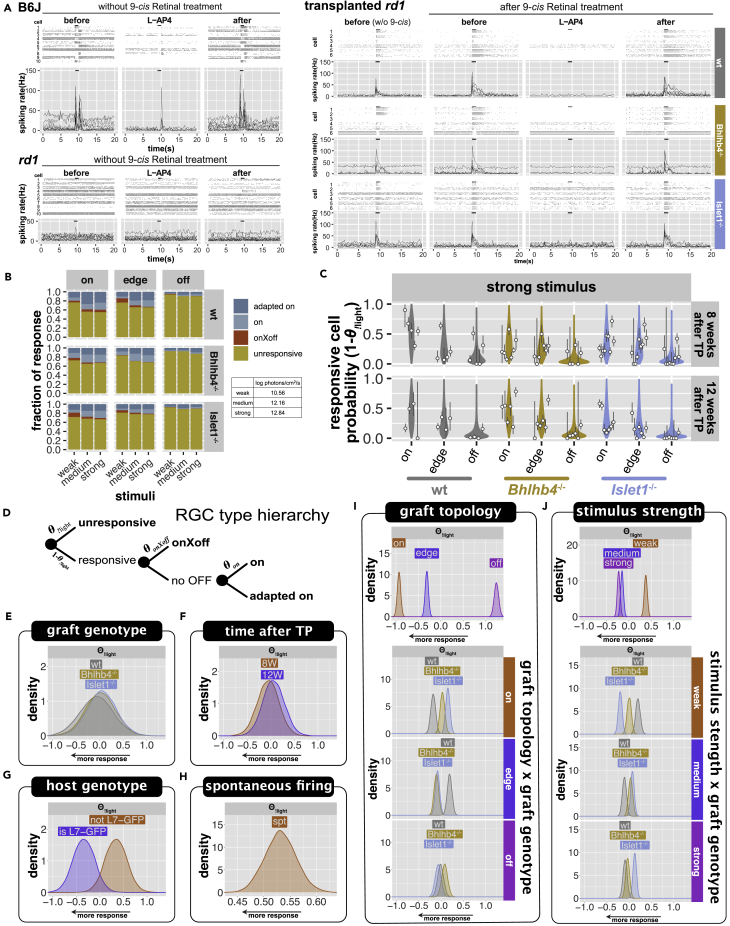
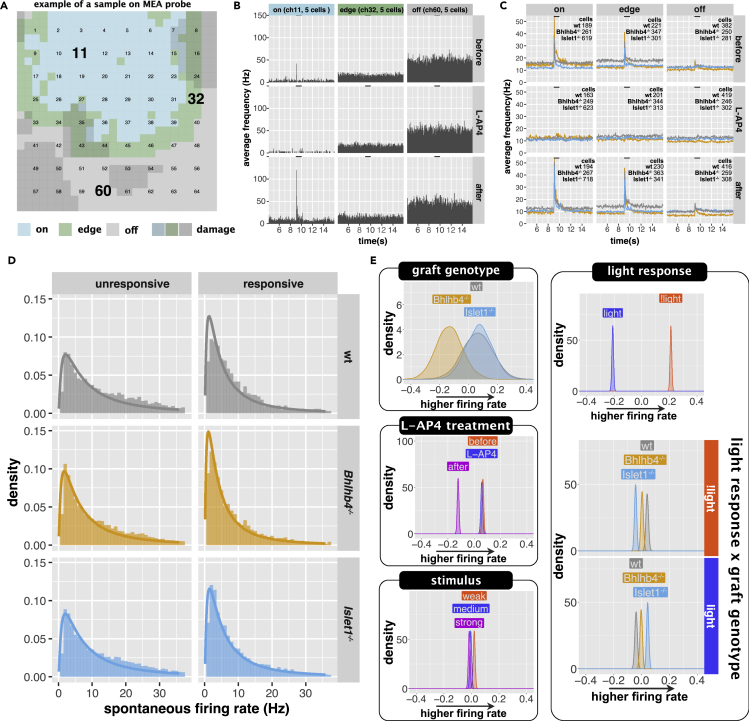
ESC/iPSC-retinal sheet transplantation, which supplies photoreceptors as well as other retinal cells, has been shown to be able to restore visual function in mice with end-stage retinal degeneration. Here, by introducing a novel type of genetically engineered mouse ESC/iPSC-retinal sheet with reduced numbers of secondary retinal neurons but intact photoreceptor cell layer structure, we reinforced the evidence that ESC/iPSC-retinal sheet transplantation can establish synaptic connections with the host, restore light responsiveness, and reduce aberrant retinal ganglion cell spiking in mice. Furthermore, we show that genetically engineered grafts can substantially improve the outcome of the treatment by improving neural integration. We speculate that this leads to reduced spontaneous activity in the host which in turn contributes to a better visual recovery.
胚胎干细胞/诱导多能干细胞视网膜片移植可提供光感受器以及其他视网膜细胞,已被证明能够恢复终末期视网膜变性小鼠的视觉功能。在此,通过引入一种新型的基因工程小鼠胚胎干细胞/诱导多能干细胞视网膜片,其二级视网膜神经元数量减少但光感受器细胞层结构完整,我们进一步证明了胚胎干细胞/诱导多能干细胞视网膜片移植能够与宿主建立突触连接、恢复光反应,并减少小鼠视网膜神经节细胞的异常放电。此外,我们表明基因工程移植物可通过改善神经整合显著提高治疗效果。我们推测,这会导致宿主自发活动减少,进而有助于更好的视觉恢复。