• 文献检索
  • 文档翻译
  • 深度研究
  • 学术资讯
  • Suppr Zotero 插件Zotero 插件
  • 邀请有礼
  • 套餐&价格
  • 历史记录
应用&插件
Suppr Zotero 插件Zotero 插件浏览器插件Mac 客户端Windows 客户端微信小程序
定价
高级版会员购买积分包购买API积分包
服务
文献检索文档翻译深度研究API 文档MCP 服务
关于我们
关于 Suppr公司介绍联系我们用户协议隐私条款
关注我们

Suppr 超能文献

核心技术专利:CN118964589B侵权必究
粤ICP备2023148730 号-1Suppr @ 2026

文献检索

告别复杂PubMed语法,用中文像聊天一样搜索,搜遍4000万医学文献。AI智能推荐,让科研检索更轻松。

立即免费搜索

文件翻译

保留排版,准确专业,支持PDF/Word/PPT等文件格式,支持 12+语言互译。

免费翻译文档

深度研究

AI帮你快速写综述,25分钟生成高质量综述,智能提取关键信息,辅助科研写作。

立即免费体验

机器学习在医疗急救中的应用:系统评价与分析。

Machine Learning in Medical Emergencies: a Systematic Review and Analysis.

机构信息

Department of Signal Theory and Communications and Telematics Engineering, University of Valladolid, Paseo de Belén, 15, 47.011, Valladolid, Spain.

Polytechnic of Coimbra, ESTGOH, Rua General Santos Costa, 3400-124 Oliveira do Hospital, Portugal.

出版信息

J Med Syst. 2021 Aug 18;45(10):88. doi: 10.1007/s10916-021-01762-3.

DOI:10.1007/s10916-021-01762-3
PMID:34410512
原文链接:https://pmc.ncbi.nlm.nih.gov/articles/PMC8374032/
Abstract

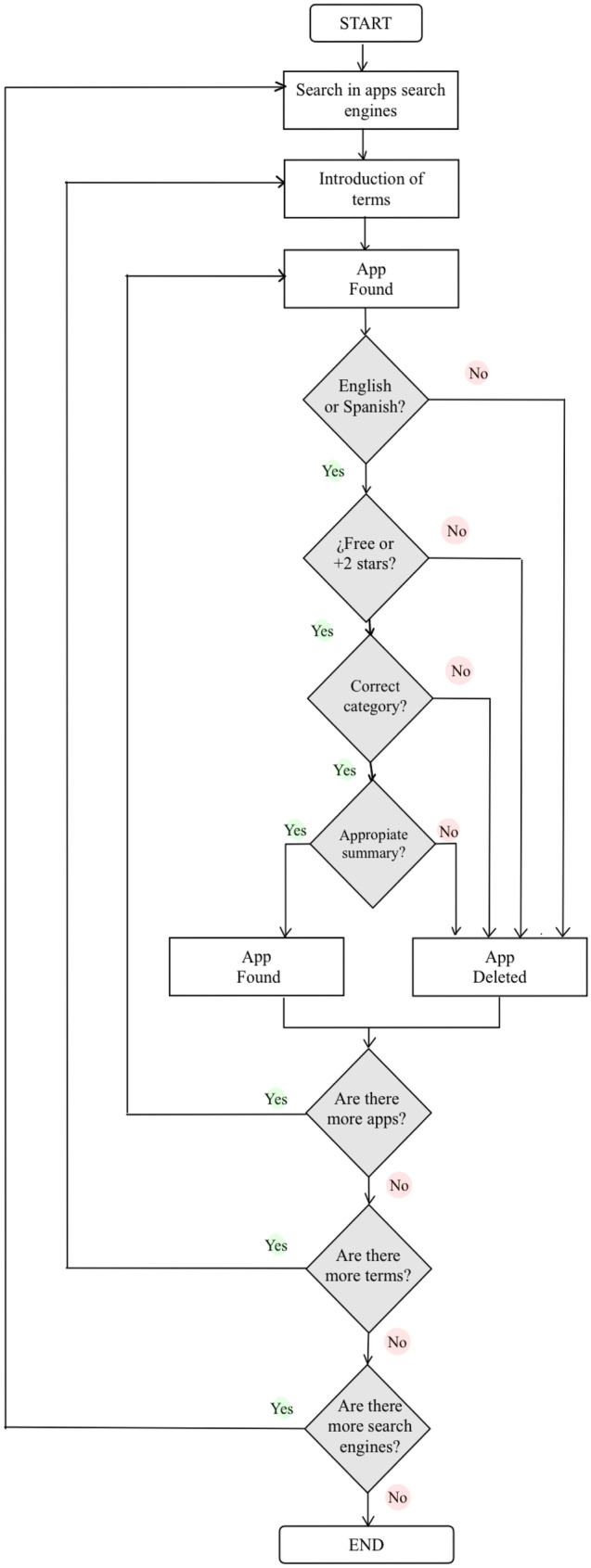
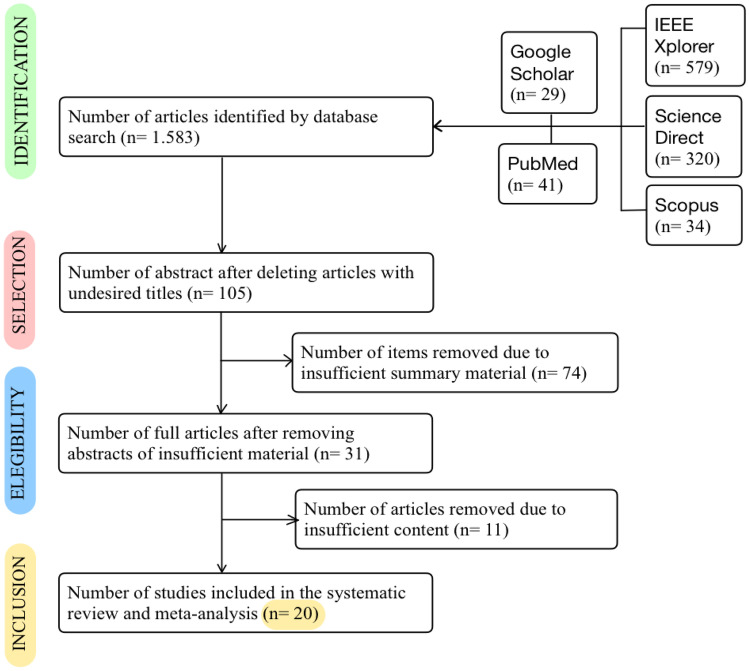
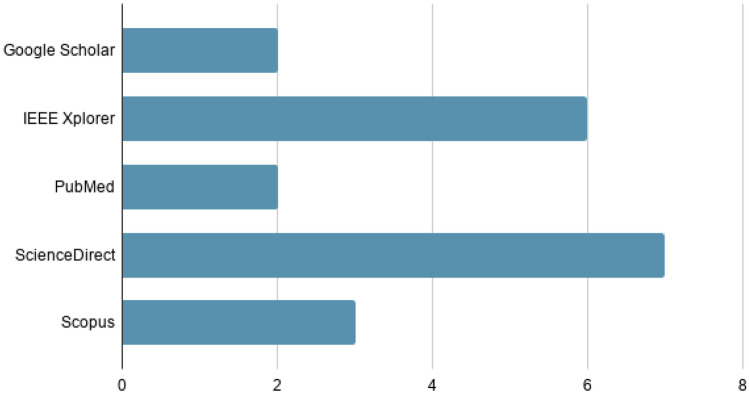
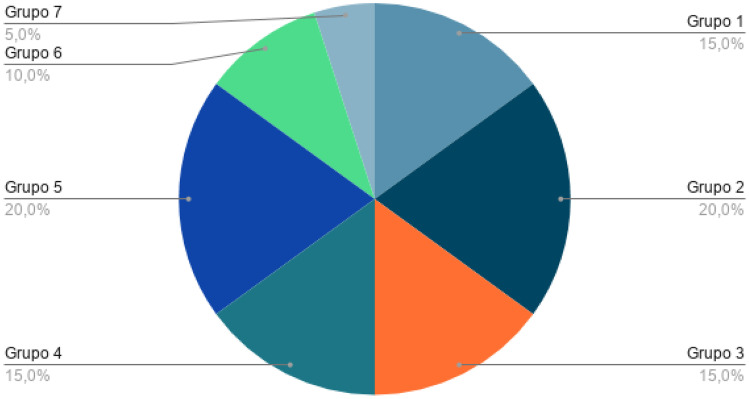
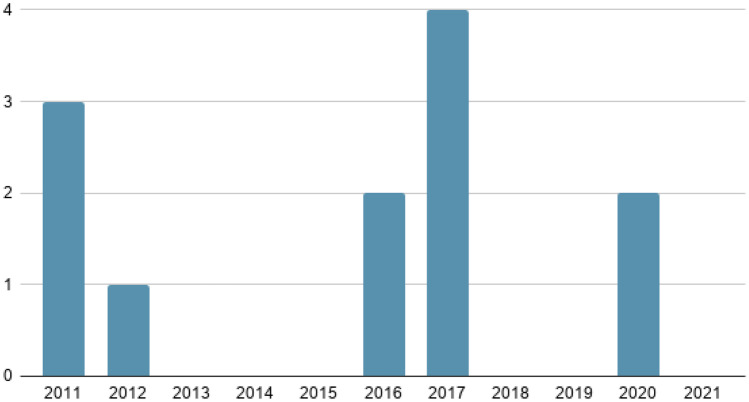
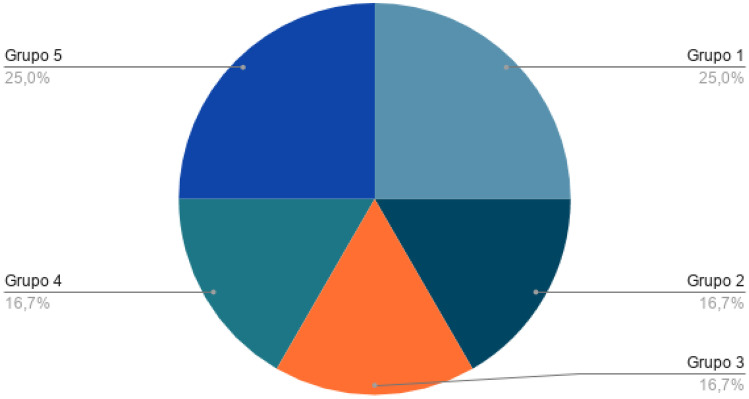
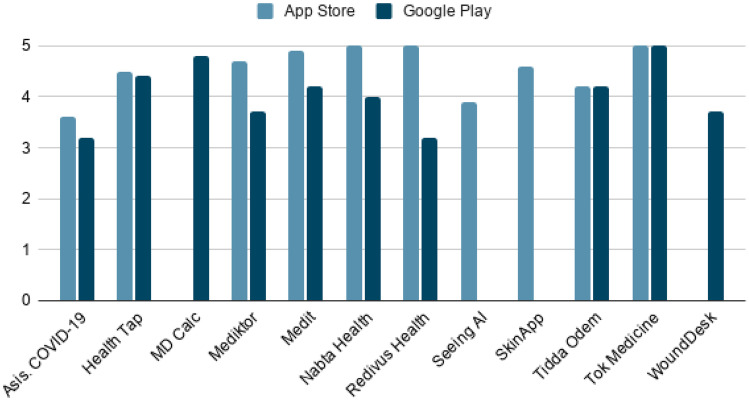
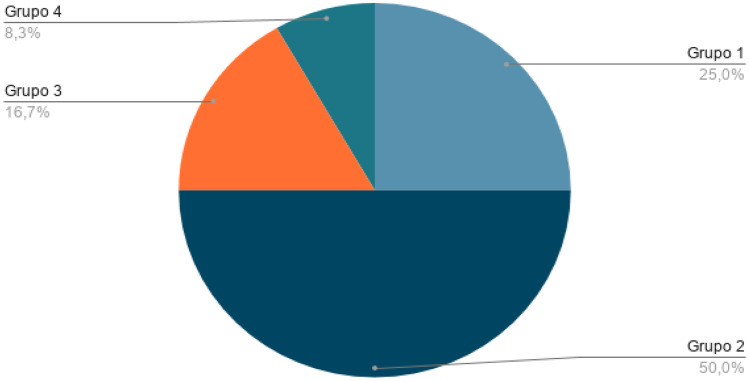
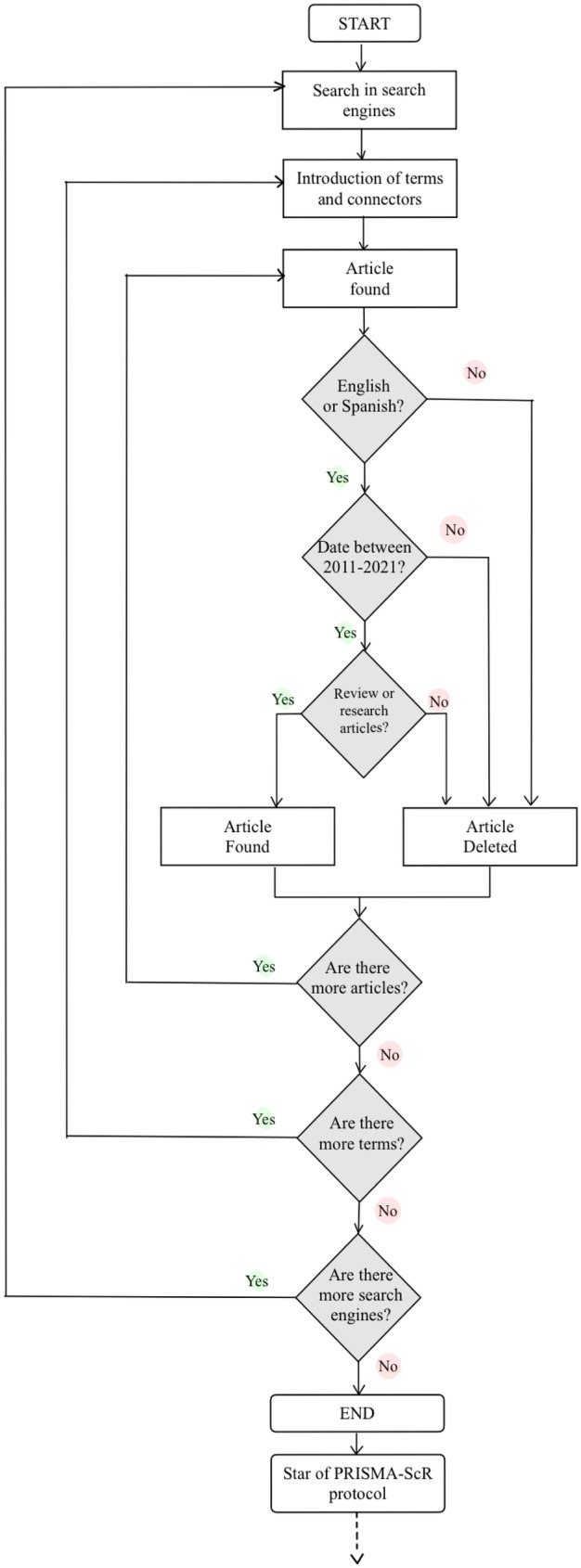
Despite the increasing demand for artificial intelligence research in medicine, the functionalities of his methods in health emergency remain unclear. Therefore, the authors have conducted this systematic review and a global overview study which aims to identify, analyse, and evaluate the research available on different platforms, and its implementations in healthcare emergencies. The methodology applied for the identification and selection of the scientific studies and the different applications consist of two methods. On the one hand, the PRISMA methodology was carried out in Google Scholar, IEEE Xplore, PubMed ScienceDirect, and Scopus. On the other hand, a review of commercial applications found in the best-known commercial platforms (Android and iOS). A total of 20 studies were included in this review. Most of the included studies were of clinical decisions (n = 4, 20%) or medical services or emergency services (n = 4, 20%). Only 2 were focused on m-health (n = 2, 10%). On the other hand, 12 apps were chosen for full testing on different devices. These apps dealt with pre-hospital medical care (n = 3, 25%) or clinical decision support (n = 3, 25%). In total, half of these apps are based on machine learning based on natural language processing. Machine learning is increasingly applicable to healthcare and offers solutions to improve the efficiency and quality of healthcare. With the emergence of mobile health devices and applications that can use data and assess a patient's real-time health, machine learning is a growing trend in the healthcare industry.

摘要

尽管医学领域对人工智能研究的需求不断增加,但他的方法在卫生应急中的功能仍不清楚。因此,作者进行了这项系统评价和全球概述研究,旨在识别、分析和评估不同平台上的可用研究及其在医疗保健应急中的应用。用于识别和选择科学研究以及不同应用的方法包括两种。一方面,在 Google Scholar、IEEE Xplore、PubMed ScienceDirect 和 Scopus 中应用了 PRISMA 方法。另一方面,在最知名的商业平台(Android 和 iOS)中审查了商业应用程序。这项综述共纳入了 20 项研究。纳入的研究大多为临床决策(n=4,20%)或医疗服务或急救服务(n=4,20%)。只有 2 项研究关注移动医疗(n=2,10%)。另一方面,选择了 12 个应用程序在不同设备上进行全面测试。这些应用程序涉及院前医疗护理(n=3,25%)或临床决策支持(n=3,25%)。总的来说,这些应用程序中有一半基于基于自然语言处理的机器学习。机器学习在医疗保健领域的应用越来越广泛,为提高医疗保健的效率和质量提供了解决方案。随着移动健康设备和应用程序的出现,可以使用数据并评估患者的实时健康状况,机器学习是医疗保健行业的一个新兴趋势。
https://cdn.ncbi.nlm.nih.gov/pmc/blobs/45bf/8376722/bf06669f161d/10916_2021_1762_Fig11_HTML.jpg
https://cdn.ncbi.nlm.nih.gov/pmc/blobs/45bf/8376722/7fdd6e2a3f1e/10916_2021_1762_Fig1_HTML.jpg
https://cdn.ncbi.nlm.nih.gov/pmc/blobs/45bf/8376722/00dd3e6527fb/10916_2021_1762_Fig2_HTML.jpg
https://cdn.ncbi.nlm.nih.gov/pmc/blobs/45bf/8376722/d58017db5e2a/10916_2021_1762_Fig3_HTML.jpg
https://cdn.ncbi.nlm.nih.gov/pmc/blobs/45bf/8376722/cd463b4ea824/10916_2021_1762_Fig4_HTML.jpg
https://cdn.ncbi.nlm.nih.gov/pmc/blobs/45bf/8376722/8323c0b4b47e/10916_2021_1762_Fig5_HTML.jpg
https://cdn.ncbi.nlm.nih.gov/pmc/blobs/45bf/8376722/8cb92b8bc8d2/10916_2021_1762_Fig6_HTML.jpg
https://cdn.ncbi.nlm.nih.gov/pmc/blobs/45bf/8376722/2aed65a08e27/10916_2021_1762_Fig7_HTML.jpg
https://cdn.ncbi.nlm.nih.gov/pmc/blobs/45bf/8376722/afb4ff59437f/10916_2021_1762_Fig8_HTML.jpg
https://cdn.ncbi.nlm.nih.gov/pmc/blobs/45bf/8376722/5d57069cce1a/10916_2021_1762_Fig9_HTML.jpg
https://cdn.ncbi.nlm.nih.gov/pmc/blobs/45bf/8376722/1bff687570fc/10916_2021_1762_Fig10_HTML.jpg
https://cdn.ncbi.nlm.nih.gov/pmc/blobs/45bf/8376722/bf06669f161d/10916_2021_1762_Fig11_HTML.jpg
https://cdn.ncbi.nlm.nih.gov/pmc/blobs/45bf/8376722/7fdd6e2a3f1e/10916_2021_1762_Fig1_HTML.jpg
https://cdn.ncbi.nlm.nih.gov/pmc/blobs/45bf/8376722/00dd3e6527fb/10916_2021_1762_Fig2_HTML.jpg
https://cdn.ncbi.nlm.nih.gov/pmc/blobs/45bf/8376722/d58017db5e2a/10916_2021_1762_Fig3_HTML.jpg
https://cdn.ncbi.nlm.nih.gov/pmc/blobs/45bf/8376722/cd463b4ea824/10916_2021_1762_Fig4_HTML.jpg
https://cdn.ncbi.nlm.nih.gov/pmc/blobs/45bf/8376722/8323c0b4b47e/10916_2021_1762_Fig5_HTML.jpg
https://cdn.ncbi.nlm.nih.gov/pmc/blobs/45bf/8376722/8cb92b8bc8d2/10916_2021_1762_Fig6_HTML.jpg
https://cdn.ncbi.nlm.nih.gov/pmc/blobs/45bf/8376722/2aed65a08e27/10916_2021_1762_Fig7_HTML.jpg
https://cdn.ncbi.nlm.nih.gov/pmc/blobs/45bf/8376722/afb4ff59437f/10916_2021_1762_Fig8_HTML.jpg
https://cdn.ncbi.nlm.nih.gov/pmc/blobs/45bf/8376722/5d57069cce1a/10916_2021_1762_Fig9_HTML.jpg
https://cdn.ncbi.nlm.nih.gov/pmc/blobs/45bf/8376722/1bff687570fc/10916_2021_1762_Fig10_HTML.jpg
https://cdn.ncbi.nlm.nih.gov/pmc/blobs/45bf/8376722/bf06669f161d/10916_2021_1762_Fig11_HTML.jpg

相似文献

1
Machine Learning in Medical Emergencies: a Systematic Review and Analysis.机器学习在医疗急救中的应用:系统评价与分析。
J Med Syst. 2021 Aug 18;45(10):88. doi: 10.1007/s10916-021-01762-3.
2
Mobile Health Apps for Medical Emergencies: Systematic Review.移动医疗应用程序在医疗紧急情况下的应用:系统评价。
JMIR Mhealth Uhealth. 2020 Dec 11;8(12):e18513. doi: 10.2196/18513.
3
A review on utilizing machine learning technology in the fields of electronic emergency triage and patient priority systems in telemedicine: Coherent taxonomy, motivations, open research challenges and recommendations for intelligent future work.利用机器学习技术在电子急诊分诊和远程医疗患者优先系统领域的应用综述:连贯的分类法、动机、开放的研究挑战和对智能未来工作的建议。
Comput Methods Programs Biomed. 2021 Sep;209:106357. doi: 10.1016/j.cmpb.2021.106357. Epub 2021 Aug 16.
4
Decision support systems and applications in ophthalmology: literature and commercial review focused on mobile apps.眼科中的决策支持系统及应用:聚焦移动应用的文献与商业综述
J Med Syst. 2015 Jan;39(1):174. doi: 10.1007/s10916-014-0174-2. Epub 2014 Dec 4.
5
Data-driven modeling and prediction of blood glucose dynamics: Machine learning applications in type 1 diabetes.基于数据驱动的血糖动力学建模与预测:机器学习在 1 型糖尿病中的应用。
Artif Intell Med. 2019 Jul;98:109-134. doi: 10.1016/j.artmed.2019.07.007. Epub 2019 Jul 26.
6
Mobile technology in health (mHealth) and antenatal care-Searching for apps and available solutions: A systematic review.移动医疗(mHealth)与产前保健——寻找应用程序和现有解决方案:系统评价。
Int J Med Inform. 2019 Jul;127:1-8. doi: 10.1016/j.ijmedinf.2019.04.008. Epub 2019 Apr 12.
7
Artificial intelligence in emergency medicine. A systematic literature review.人工智能在急诊医学中的应用。系统文献回顾。
Int J Med Inform. 2023 Dec;180:105274. doi: 10.1016/j.ijmedinf.2023.105274. Epub 2023 Oct 31.
8
Mobile clinical decision support systems and applications: a literature and commercial review.移动临床决策支持系统与应用:文献及商业综述
J Med Syst. 2014 Jan;38(1):4. doi: 10.1007/s10916-013-0004-y. Epub 2014 Jan 8.
9
Mobile Triage Applications: A Systematic Review in Literature and Play Store.移动分诊应用程序:文献和应用商店中的系统评价。
J Med Syst. 2021 Aug 13;45(9):86. doi: 10.1007/s10916-021-01763-2.
10
Machine learning for clinical decision support in infectious diseases: a narrative review of current applications.机器学习在传染病临床决策支持中的应用:当前应用的叙述性综述。
Clin Microbiol Infect. 2020 May;26(5):584-595. doi: 10.1016/j.cmi.2019.09.009. Epub 2019 Sep 17.

引用本文的文献

1
Utilising artificial intelligence in prehospital emergency care systems in low- and middle-income countries: a scoping review.在低收入和中等收入国家的院前急救系统中利用人工智能:一项范围综述。
Front Public Health. 2025 Jun 20;13:1604231. doi: 10.3389/fpubh.2025.1604231. eCollection 2025.
2
Navigating the AI frontiers in cardiovascular research: a bibliometric exploration and topic modeling.探索心血管研究中的人工智能前沿:文献计量学探索与主题建模
Front Cardiovasc Med. 2024 Jan 3;10:1308668. doi: 10.3389/fcvm.2023.1308668. eCollection 2023.
3
Development of a machine learning-based clinical decision support system to predict clinical deterioration in patients visiting the emergency department.

本文引用的文献

1
Remote diagnosis, monitoring and intervention for maritime industry workers: need and challenges.海运业工人的远程诊断、监测与干预:需求与挑战
Int Marit Health. 2021;72(2):151-152. doi: 10.5603/IMH.2021.0029.
2
A comprehensive review and analysis of supervised-learning and soft computing techniques for stress diagnosis in humans.对人类应激诊断的监督学习和软计算技术的全面回顾和分析。
Comput Biol Med. 2021 Jul;134:104450. doi: 10.1016/j.compbiomed.2021.104450. Epub 2021 May 5.
3
Artificial Intelligence for the Future Radiology Diagnostic Service.
基于机器学习的临床决策支持系统的开发,以预测急诊科就诊患者的临床恶化情况。
Sci Rep. 2023 May 26;13(1):8561. doi: 10.1038/s41598-023-35617-3.
4
The development of new remote technologies in disaster medicine education: A scoping review.灾难医学教育中新远程技术的发展:范围综述。
Front Public Health. 2023 Mar 24;11:1029558. doi: 10.3389/fpubh.2023.1029558. eCollection 2023.
5
Artificial intelligence and machine learning for hemorrhagic trauma care.人工智能和机器学习在出血性创伤护理中的应用。
Mil Med Res. 2023 Feb 16;10(1):6. doi: 10.1186/s40779-023-00444-0.
6
Emergency Department Pediatric Readiness Among US Trauma Centers: A Machine Learning Analysis of Components Associated With Survival.美国创伤中心急诊科儿科准备情况:与生存相关的组件的机器学习分析。
Ann Surg. 2023 Sep 1;278(3):e580-e588. doi: 10.1097/SLA.0000000000005741. Epub 2022 Nov 1.
7
Extending artificial intelligence research in the clinical domain: a theoretical perspective.拓展临床领域的人工智能研究:理论视角
Ann Oper Res. 2022 Nov 8:1-32. doi: 10.1007/s10479-022-05035-1.
8
Advantage of Vital Sign Monitoring Using a Wireless Wearable Device for Predicting Septic Shock in Febrile Patients in the Emergency Department: A Machine Learning-Based Analysis.基于机器学习的分析:使用无线可穿戴设备对急诊科发热患者进行生命体征监测在预测感染性休克方面的优势。
Sensors (Basel). 2022 Sep 17;22(18):7054. doi: 10.3390/s22187054.
面向未来放射诊断服务的人工智能
Front Mol Biosci. 2021 Jan 28;7:614258. doi: 10.3389/fmolb.2020.614258. eCollection 2020.
4
Telemedicine and e-Health research solutions in literature for combatting COVID-19: a systematic review.文献中用于抗击新冠肺炎的远程医疗和电子健康研究解决方案:一项系统综述
Health Technol (Berl). 2021;11(2):257-266. doi: 10.1007/s12553-021-00529-7. Epub 2021 Feb 3.
5
Machine Learning-Based Early Warning Systems for Clinical Deterioration: Systematic Scoping Review.基于机器学习的临床恶化预警系统:系统范围综述。
J Med Internet Res. 2021 Feb 4;23(2):e25187. doi: 10.2196/25187.
6
Clinician involvement in research on machine learning-based predictive clinical decision support for the hospital setting: A scoping review.临床医生参与基于机器学习的预测性临床决策支持在医院环境中的研究:范围综述。
J Am Med Inform Assoc. 2021 Mar 1;28(3):653-663. doi: 10.1093/jamia/ocaa296.
7
Suicide Risk Assessment Using Machine Learning and Social Networks: a Scoping Review.使用机器学习和社交网络进行自杀风险评估:一项范围综述
J Med Syst. 2020 Nov 9;44(12):205. doi: 10.1007/s10916-020-01669-5.
8
Identifying Ethical Considerations for Machine Learning Healthcare Applications.识别机器学习医疗应用的伦理问题。
Am J Bioeth. 2020 Nov;20(11):7-17. doi: 10.1080/15265161.2020.1819469.
9
Review on machine and deep learning models for the detection and prediction of Coronavirus.关于用于冠状病毒检测和预测的机器学习与深度学习模型的综述
Mater Today Proc. 2020;33:3896-3901. doi: 10.1016/j.matpr.2020.06.245. Epub 2020 Jun 23.
10
Applications of machine learning and artificial intelligence for Covid-19 (SARS-CoV-2) pandemic: A review.机器学习和人工智能在2019冠状病毒病(严重急性呼吸综合征冠状病毒2)大流行中的应用:综述
Chaos Solitons Fractals. 2020 Oct;139:110059. doi: 10.1016/j.chaos.2020.110059. Epub 2020 Jun 25.