Department of Biological Sciences, North Carolina State University, Raleigh, North Carolina, United States of America.
Bioinformatics Research Center, North Carolina State University, Raleigh, North Carolina, United States of America.
PLoS Genet. 2021 Aug 26;17(8):e1009732. doi: 10.1371/journal.pgen.1009732. eCollection 2021 Aug.
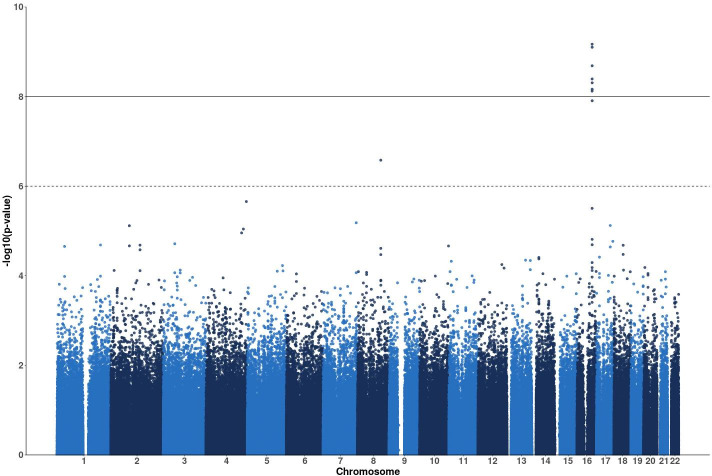
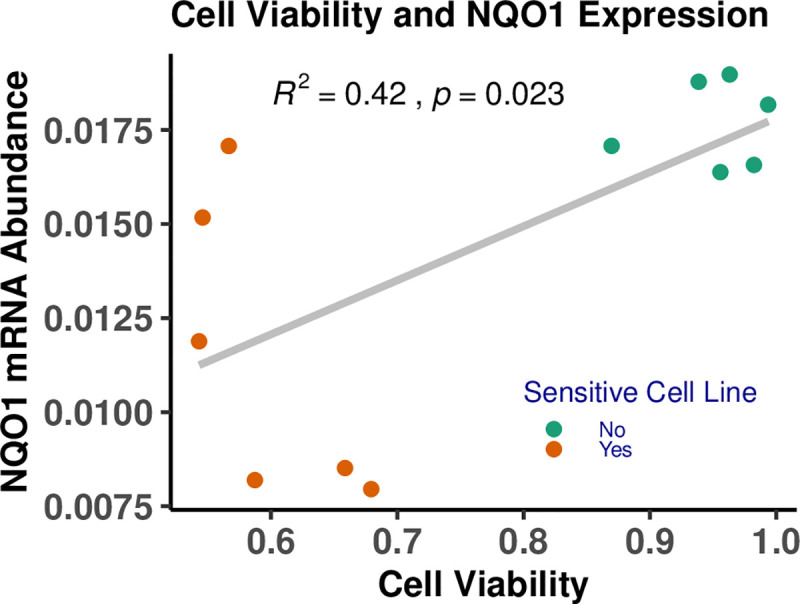
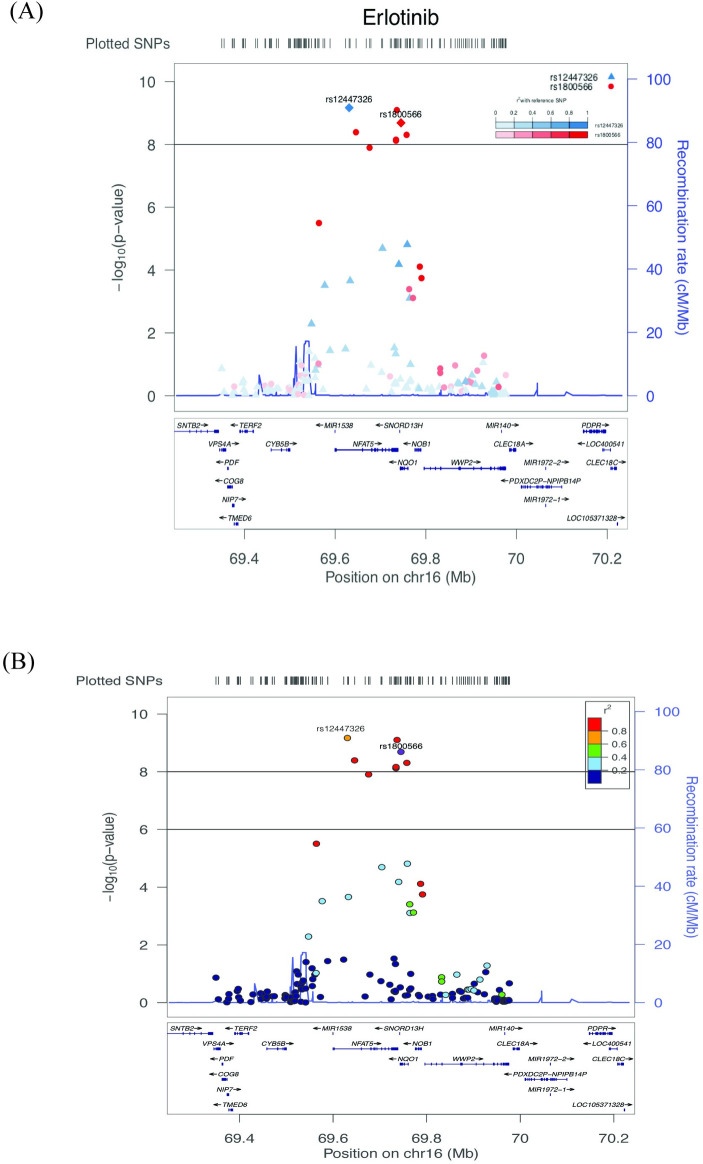
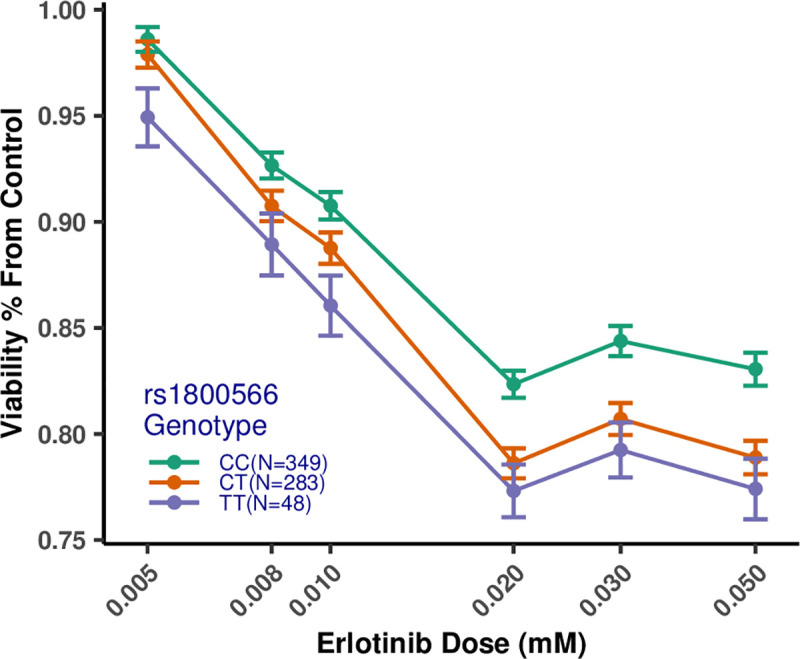
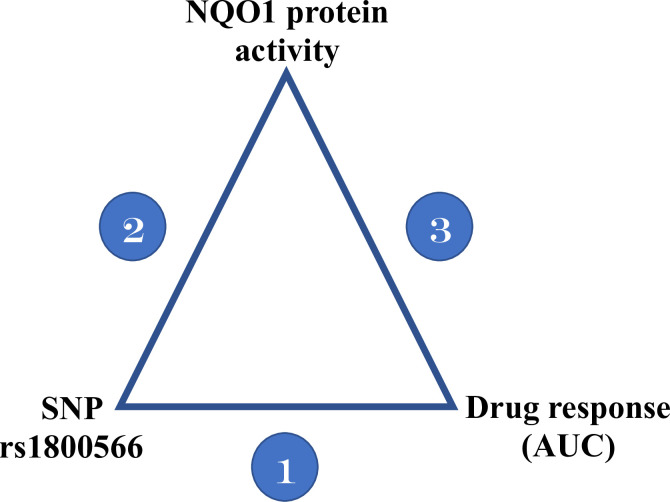
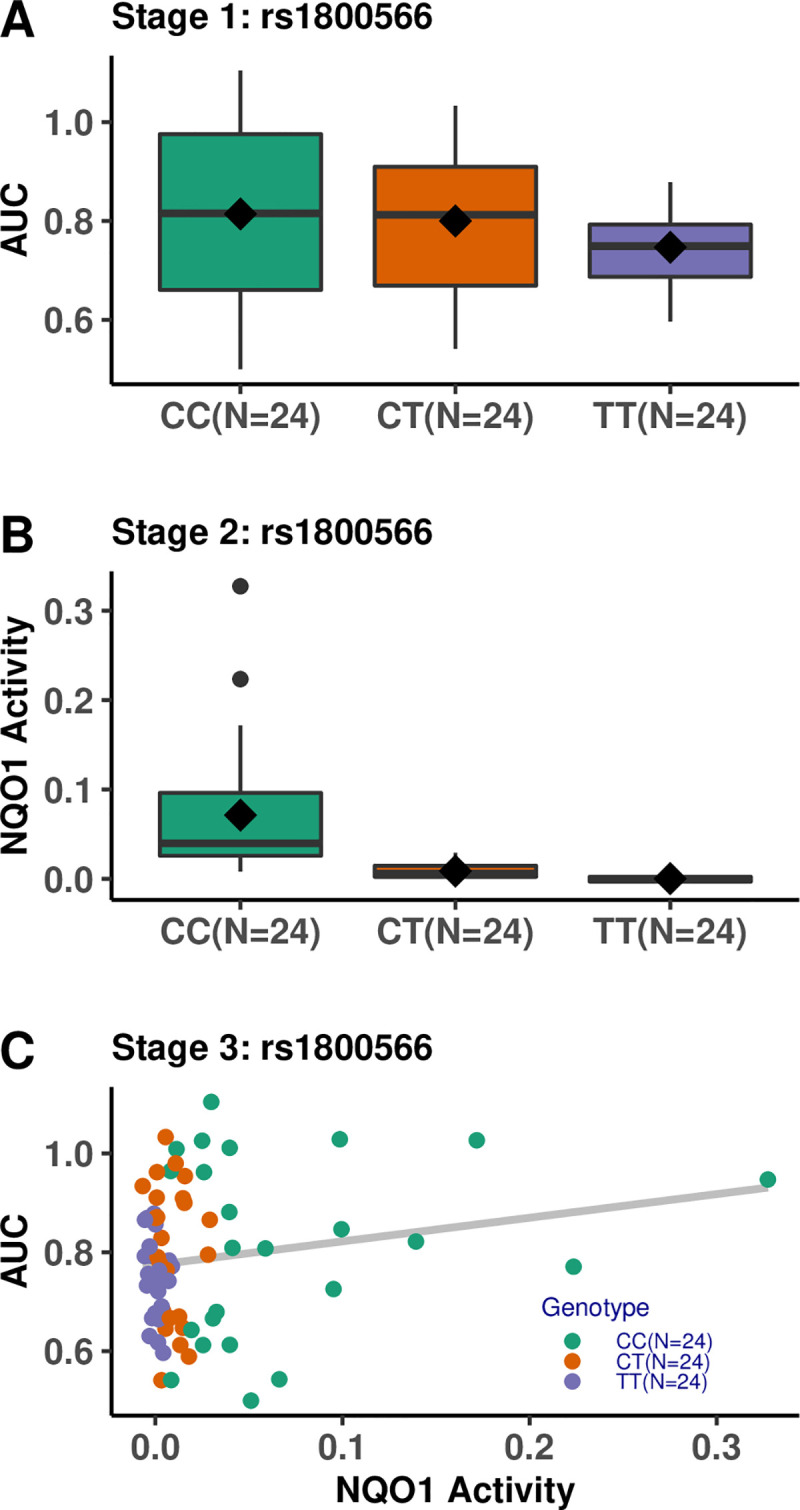
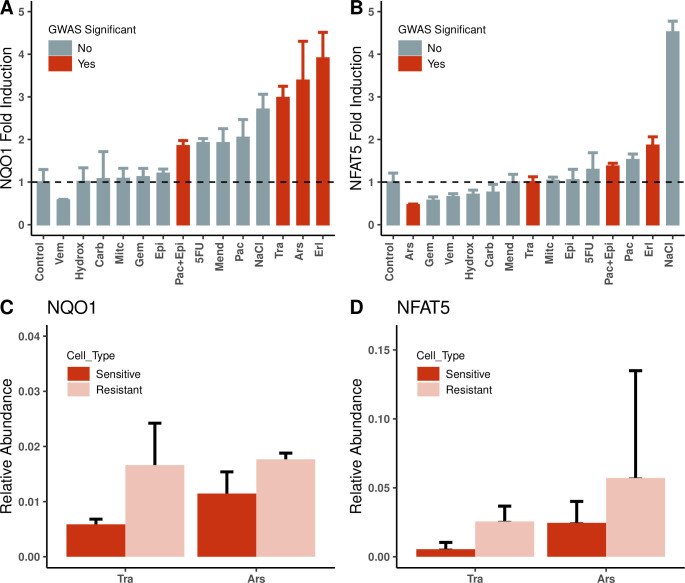
Cancer patients exhibit a broad range of inter-individual variability in response and toxicity to widely used anticancer drugs, and genetic variation is a major contributor to this variability. To identify new genes that influence the response of 44 FDA-approved anticancer drug treatments widely used to treat various types of cancer, we conducted high-throughput screening and genome-wide association mapping using 680 lymphoblastoid cell lines from the 1000 Genomes Project. The drug treatments considered in this study represent nine drug classes widely used in the treatment of cancer in addition to the paclitaxel + epirubicin combination therapy commonly used for breast cancer patients. Our genome-wide association study (GWAS) found several significant and suggestive associations. We prioritized consistent associations for functional follow-up using gene-expression analyses. The NAD(P)H quinone dehydrogenase 1 (NQO1) gene was found to be associated with the dose-response of arsenic trioxide, erlotinib, trametinib, and a combination treatment of paclitaxel + epirubicin. NQO1 has previously been shown as a biomarker of epirubicin response, but our results reveal novel associations with these additional treatments. Baseline gene expression of NQO1 was positively correlated with response for 43 of the 44 treatments surveyed. By interrogating the functional mechanisms of this association, the results demonstrate differences in both baseline and drug-exposed induction.
癌症患者对广泛使用的抗癌药物的反应和毒性存在广泛的个体间变异性,遗传变异是这种变异性的主要原因。为了确定新的基因,这些基因影响对 44 种广泛用于治疗各种类型癌症的 FDA 批准的抗癌药物治疗的反应,我们使用来自 1000 基因组计划的 680 个淋巴母细胞系进行了高通量筛选和全基因组关联图谱绘制。本研究中考虑的药物治疗代表了除常用于乳腺癌患者的紫杉醇+表柔比星联合治疗外,还广泛用于癌症治疗的九种药物类别。我们的全基因组关联研究(GWAS)发现了一些显著和提示性的关联。我们使用基因表达分析对功能后续进行了一致关联的优先级排序。发现烟酰胺腺嘌呤二核苷酸(NAD(P)H)醌脱氢酶 1(NQO1)基因与三氧化二砷、厄洛替尼、曲美替尼和紫杉醇+表柔比星联合治疗的剂量反应相关。NQO1 先前被证明是表柔比星反应的生物标志物,但我们的结果揭示了与这些额外治疗的新关联。NQO1 的基线基因表达与调查的 44 种治疗方法中的 43 种呈正相关。通过探究这种关联的功能机制,结果表明在基线和药物暴露诱导方面存在差异。