Department of Spine Surgery and Orthopaedics, Xiangya Hospital, Central South University, Changsha, China.
Key Laboratory of Organ Injury, Aging and Regenerative Medicine of Hunan Province, 410008 Changsha, China.
Oxid Med Cell Longev. 2021 Aug 25;2021:1695087. doi: 10.1155/2021/1695087. eCollection 2021.
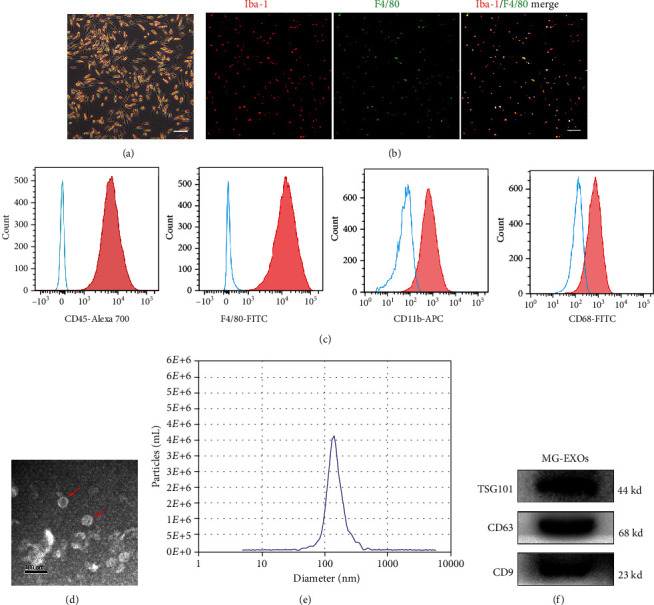
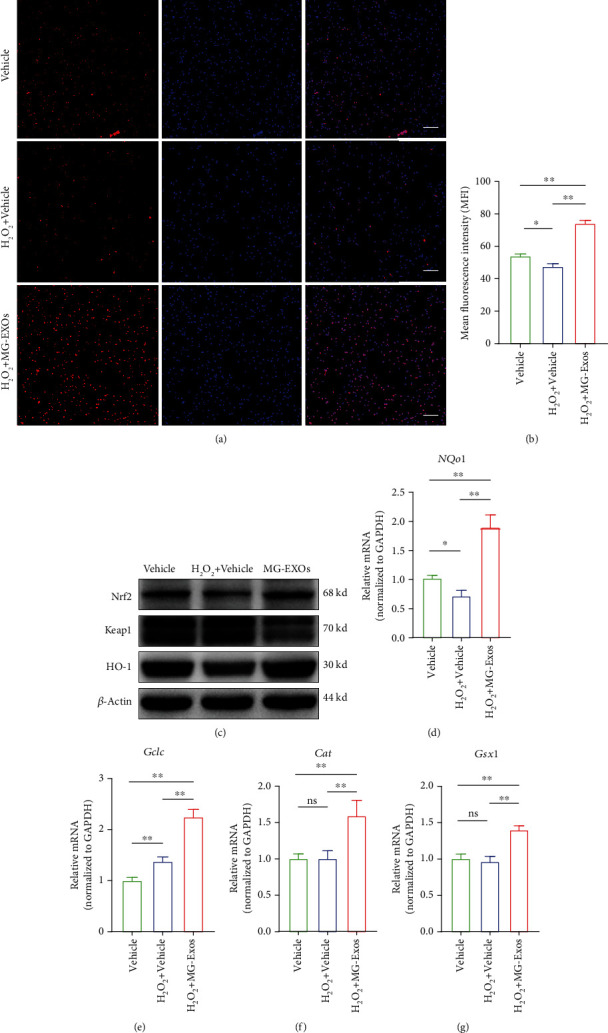
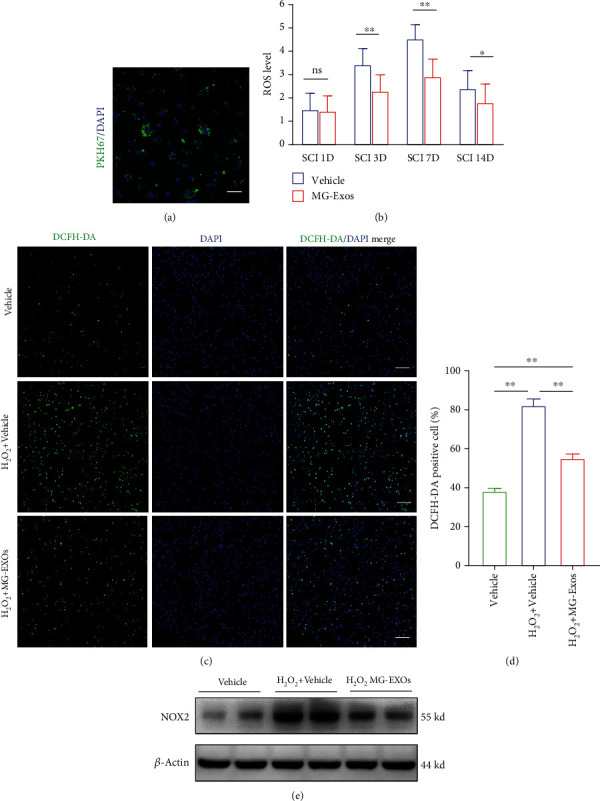
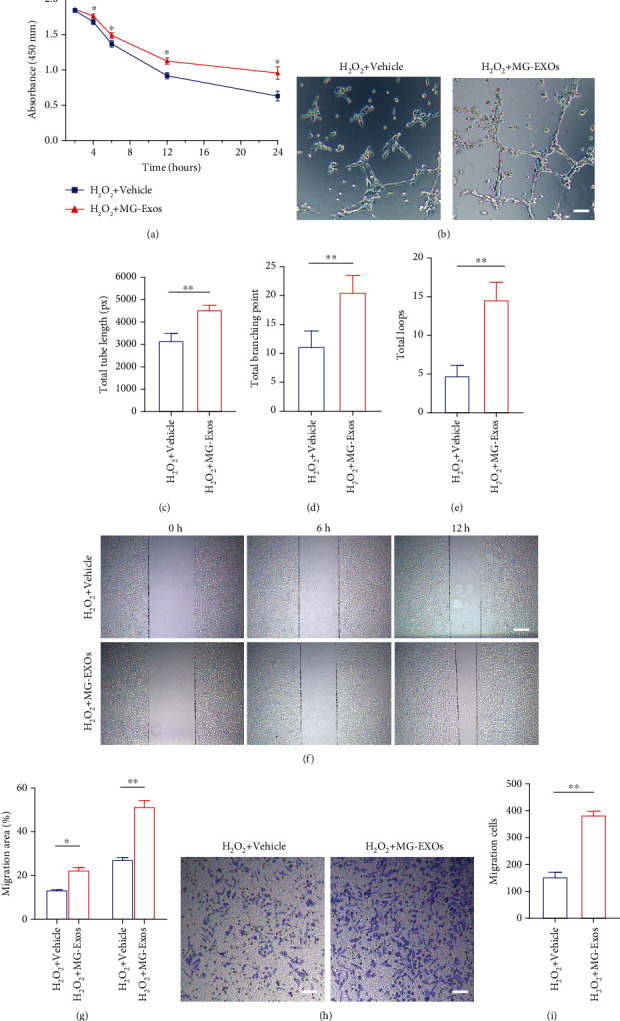
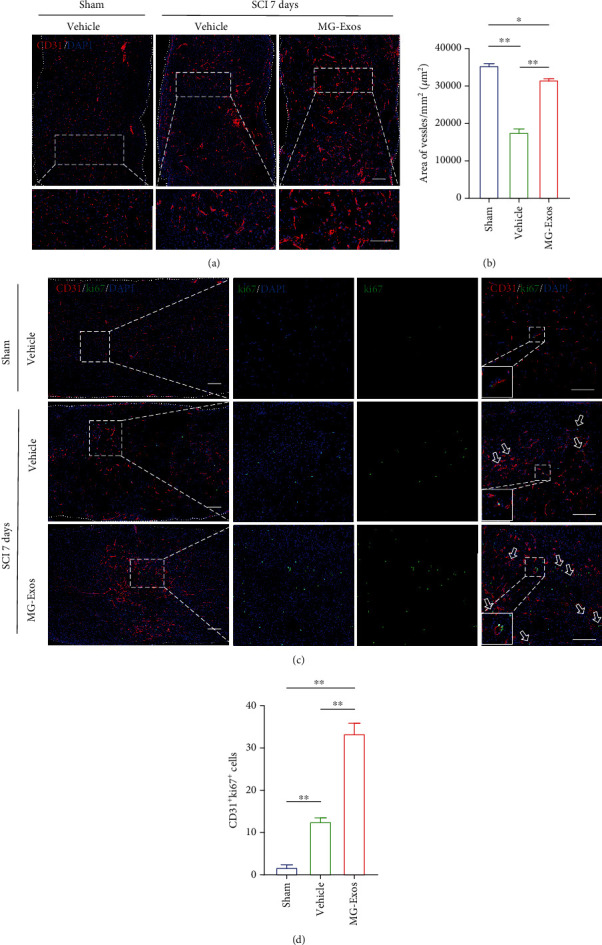
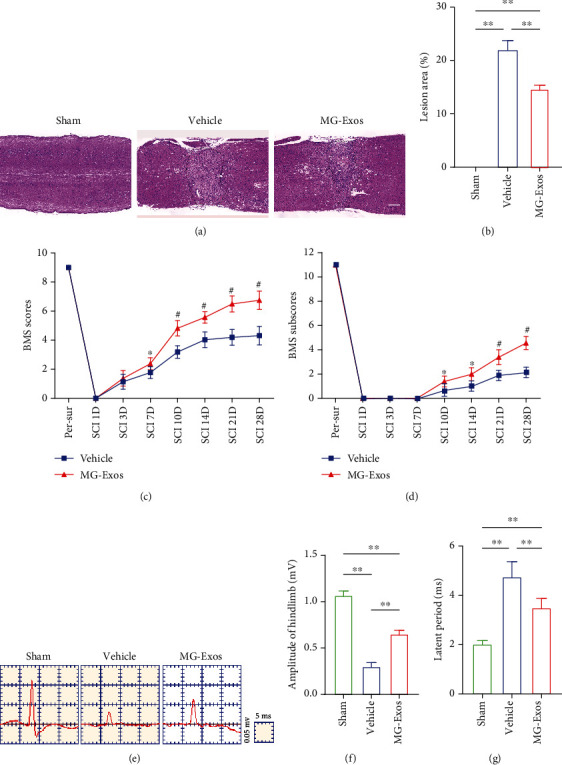
Traumatic spinal cord injury (SCI) is a devastating disease of the central nervous system with long-term disability and high mortality worldwide. Revascularization following SCI provides nutritional supports to rebuild and maintain the homeostasis of neuronal networks, and the subsequent promotion of angiogenesis is beneficial for functional recovery. Oxidative stress drastically produced following SCI has been contributed to endothelial dysfunction and the limited endogenous repair of microvasculature. Recently, exosomes, being regarded as potential therapeutic candidates for many kinds of diseases, have attracted great attentions due to its high bioavailability, safety, and stability. Microglia have been reported to exhibit proangiogenic function and guide the forming of vasculature during tissue repair. However, the specific role of microglia-derived exosomes (MG-Exos) played in SCI is still largely unknown. In the present study, we aimed to evaluate whether MG-Exos could protect spinal cord microvascular endothelial cells (SCMECs) against the toxic effects of oxidative stress, thus promote SCMECs' survival and function. We also investigated the protective effects of MG-Exos in the mouse model of SCI to verify their capability. Our results demonstrated that MG-Exo treatment significantly decreased the level of oxidative stress (ROS), as well as did the protein levels of NOX2 when bEnd.3 cells were exposed to HO-induced oxidative stress and . Functional assays showed that MG-Exos could improve the survival and the ability of tube formation and migration in HO-induced bEnd.3 . Moreover, MG-Exos exhibited the positive effects on vascular regeneration and cell proliferation, as well as functional recovery, in the mouse model of SCI. Mechanically, the keap1/Nrf2/HO-1 signaling pathway was also investigated in order to unveil its molecular mechanism, and the results showed that MG-Exos could increase the protein levels of Nrf2 and HO-1 via inhibiting the keap1; they also triggered the expression of its downstream antioxidative-related genes, such as , , , and . Our findings indicated that MG-Exos exerted an antioxidant effect and positively modulated vascular regeneration and neurological functional recovery post-SCI by activating keap1/Nrf2/HO-1 signaling.
创伤性脊髓损伤(SCI)是一种毁灭性的中枢神经系统疾病,在全球范围内导致长期残疾和高死亡率。SCI 后的再血管化可为重建和维持神经元网络的内稳态提供营养支持,随后促进血管生成有利于功能恢复。SCI 后大量产生的氧化应激导致内皮功能障碍和微血管的有限内源性修复。最近,外泌体作为许多疾病的潜在治疗候选物,由于其高生物利用度、安全性和稳定性而引起了极大的关注。小胶质细胞已被报道具有促血管生成功能,并在组织修复过程中指导血管形成。然而,小胶质细胞衍生的外泌体(MG-Exos)在 SCI 中的具体作用仍知之甚少。在本研究中,我们旨在评估 MG-Exos 是否可以保护脊髓微血管内皮细胞(SCMECs)免受氧化应激的毒性作用,从而促进 SCMECs 的存活和功能。我们还研究了 MG-Exos 在 SCI 小鼠模型中的保护作用,以验证其能力。我们的结果表明,MG-Exo 处理可显著降低 bEnd.3 细胞暴露于 HO 诱导的氧化应激时氧化应激(ROS)水平以及 NOX2 的蛋白水平。功能测定表明,MG-Exos 可改善 HO 诱导的 bEnd.3 中的细胞存活和管形成及迁移能力。此外,MG-Exos 在 SCI 小鼠模型中表现出对血管再生和细胞增殖以及功能恢复的积极作用。在机制上,还研究了 keap1/Nrf2/HO-1 信号通路,以揭示其分子机制,结果表明,MG-Exos 通过抑制 keap1 增加了 Nrf2 和 HO-1 的蛋白水平;它们还触发了其下游抗氧化相关基因的表达,如 、 、 和 。我们的研究结果表明,MG-Exos 通过激活 keap1/Nrf2/HO-1 信号通路发挥抗氧化作用,并积极调节 SCI 后血管再生和神经功能恢复。