Diabetes and Obesity Center, Christina Lee Brown Envirome Institute, Division of Environmental Medicine, Department of Medicine, University of Louisville, Louisville, KY, United States of America; Department of Physiology, University of Louisville, Louisville, KY, United States of America.
Diabetes and Obesity Center, Christina Lee Brown Envirome Institute, Division of Environmental Medicine, Department of Medicine, University of Louisville, Louisville, KY, United States of America; Department of Biochemistry and Molecular Genetics, University of Louisville, Louisville, KY, United States of America.
J Mol Cell Cardiol. 2022 Jan;162:32-42. doi: 10.1016/j.yjmcc.2021.08.013. Epub 2021 Sep 3.
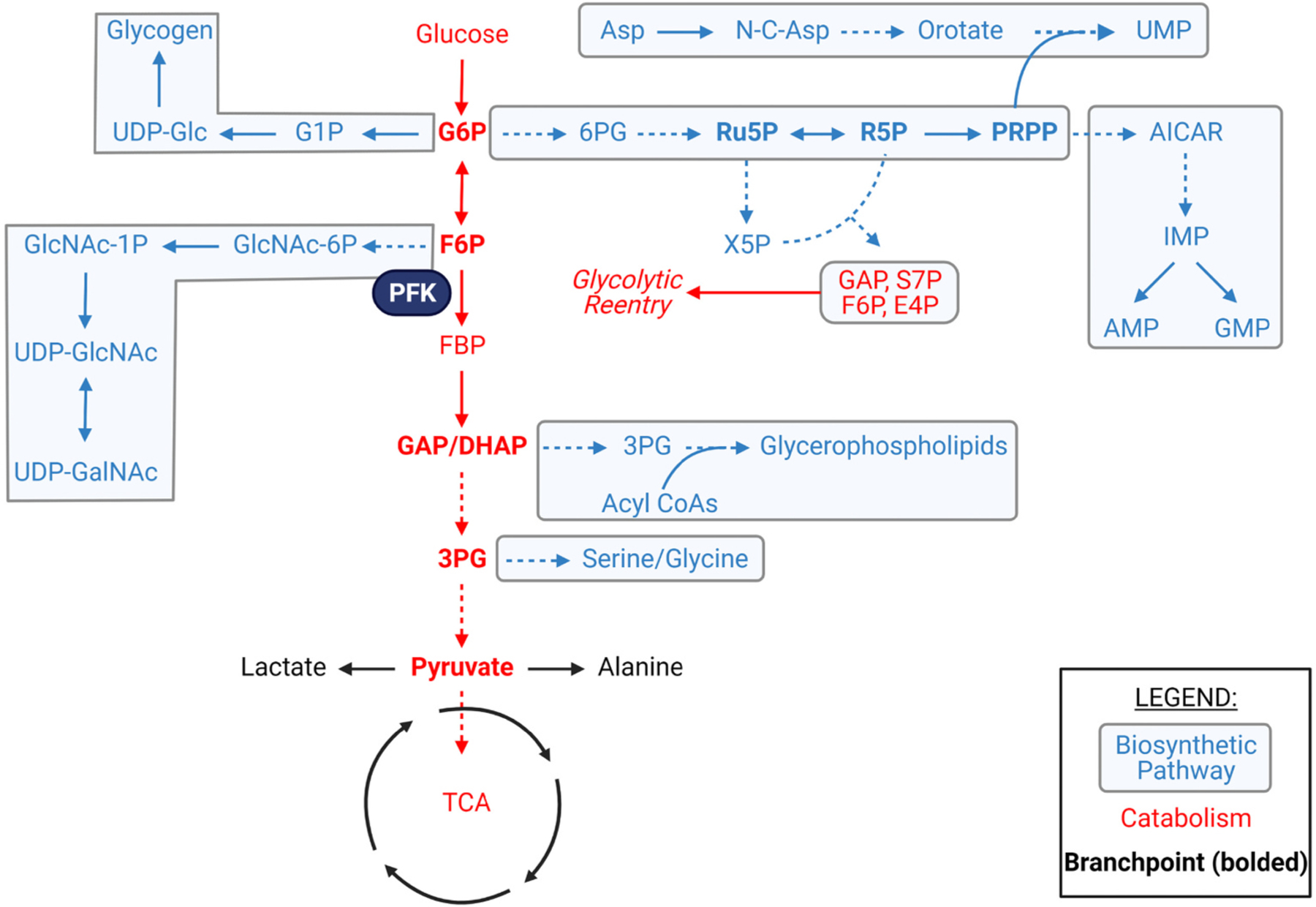
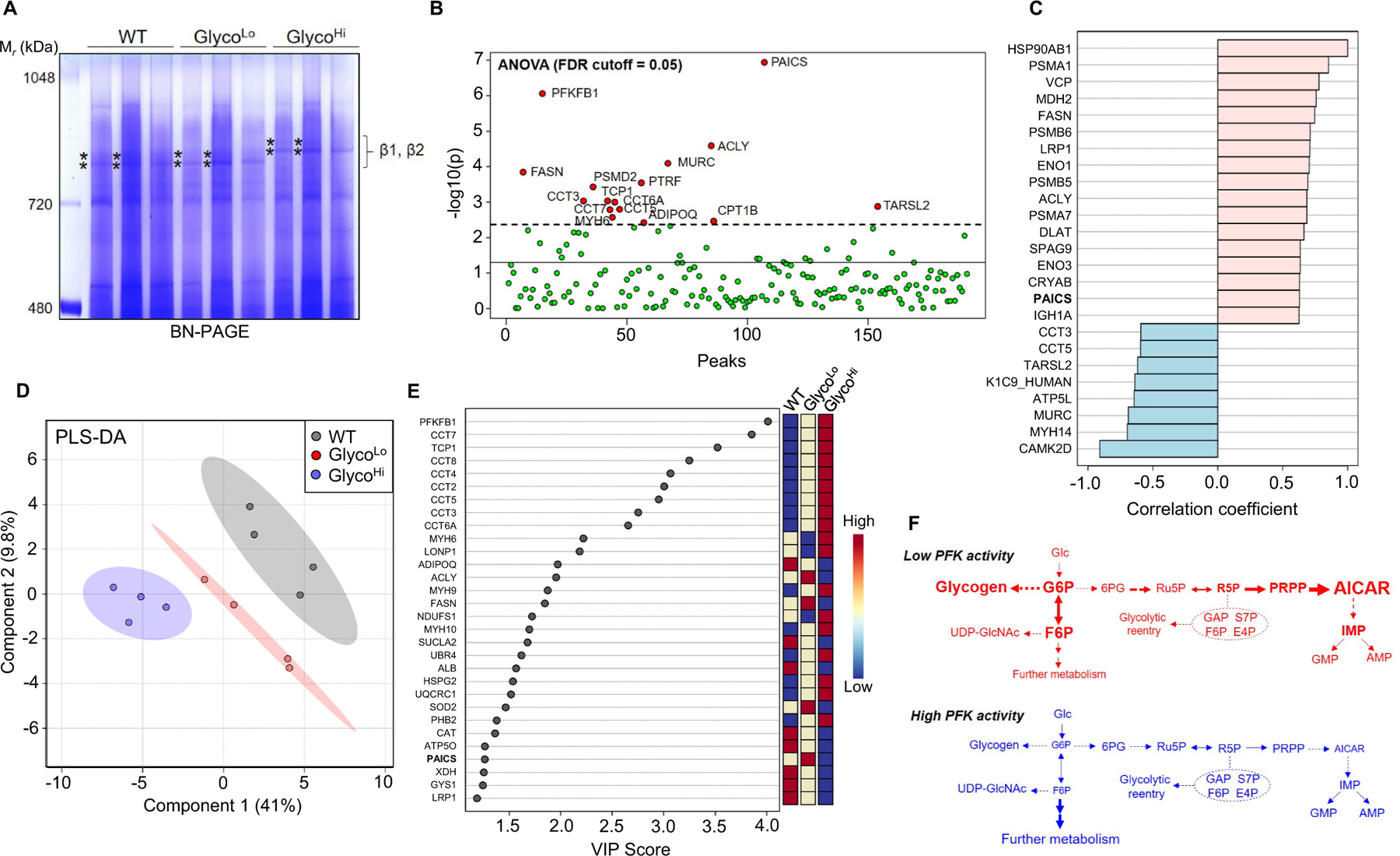
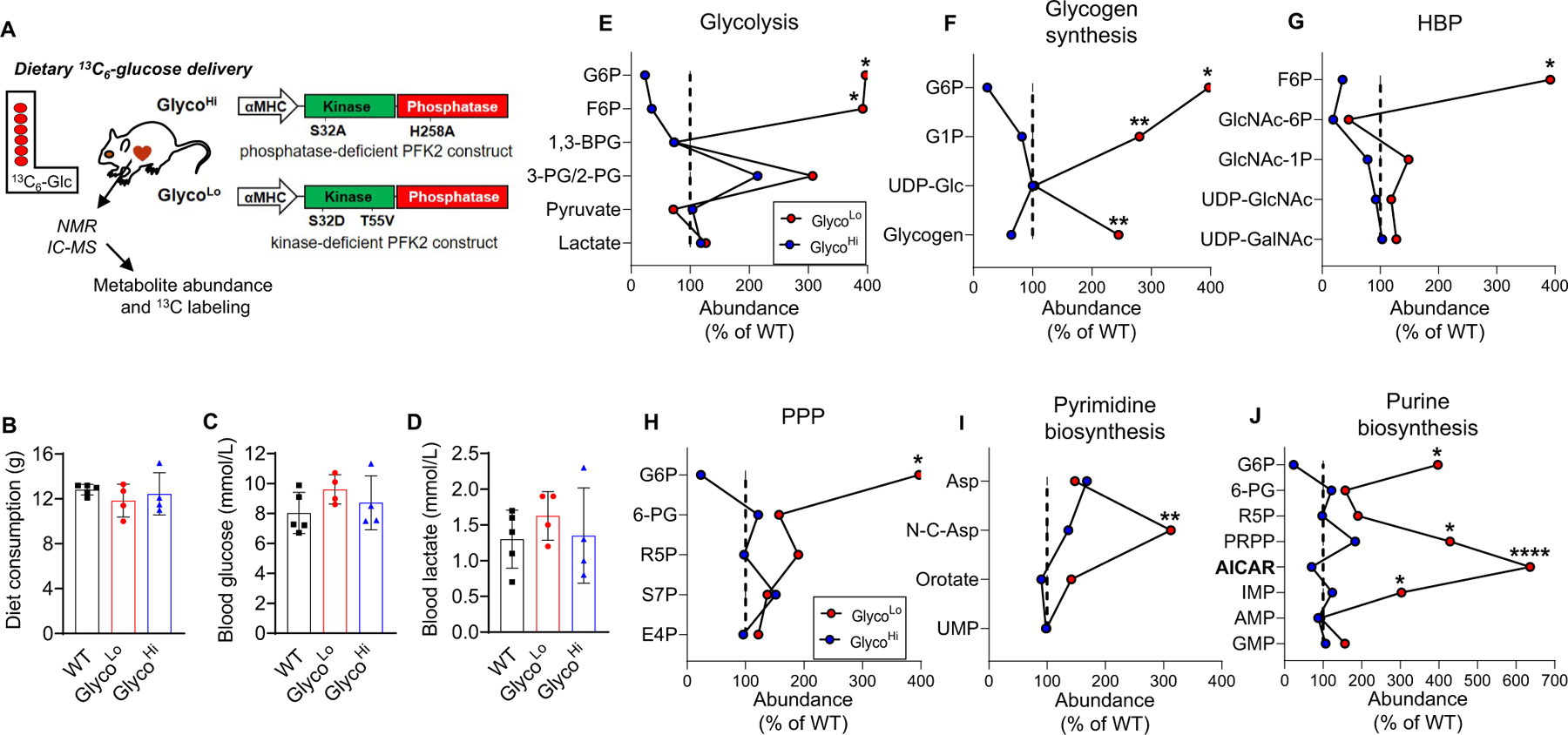
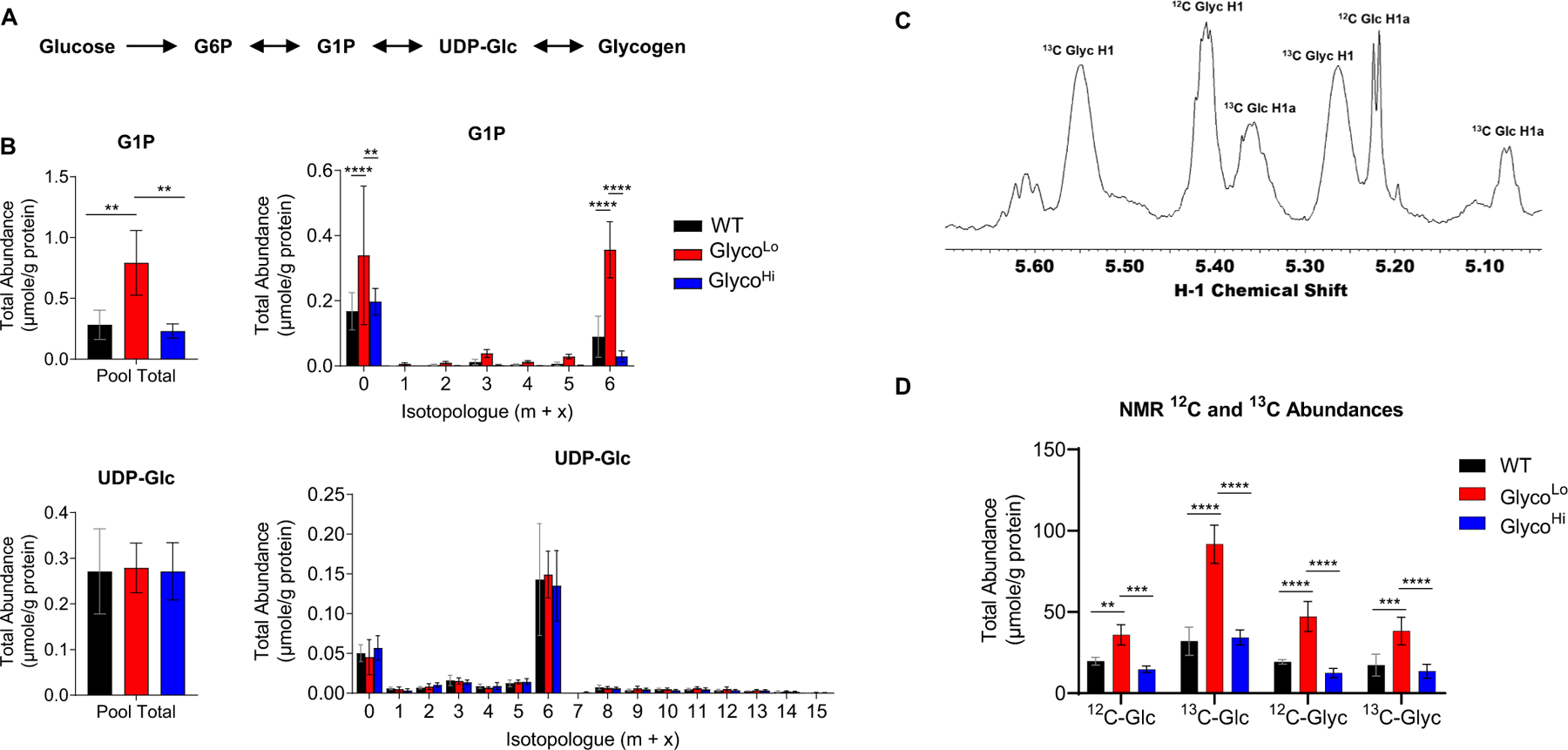
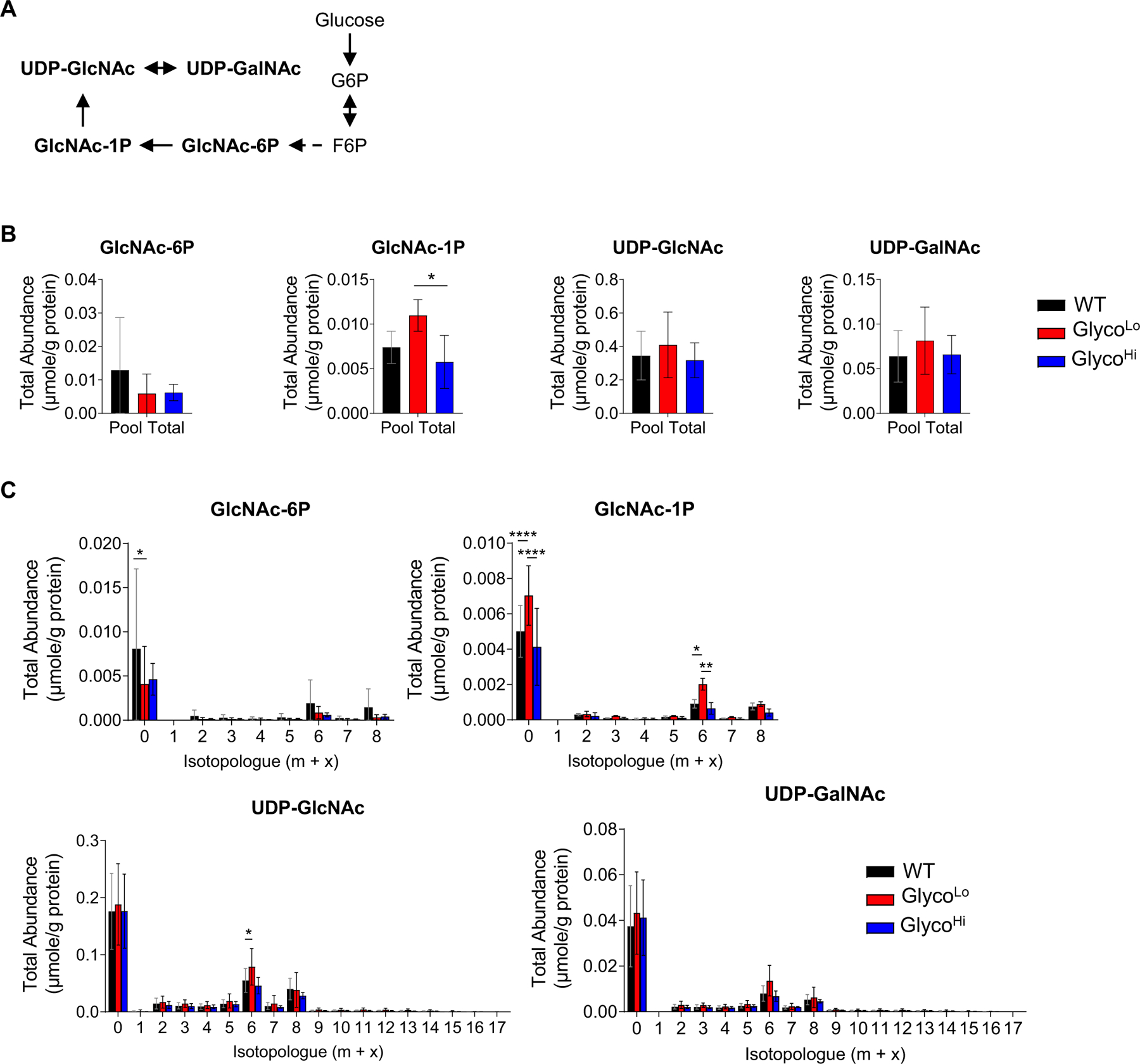
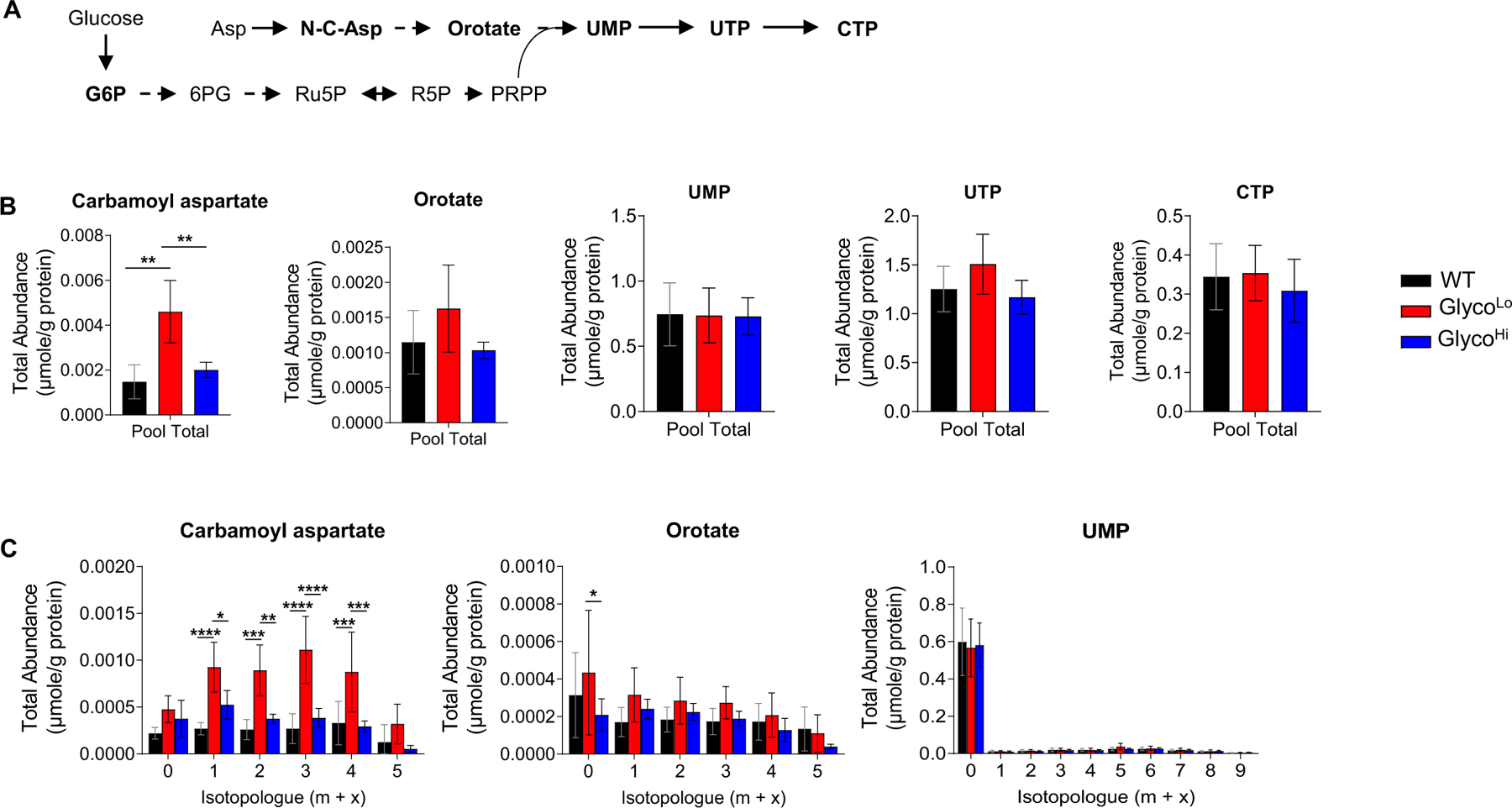
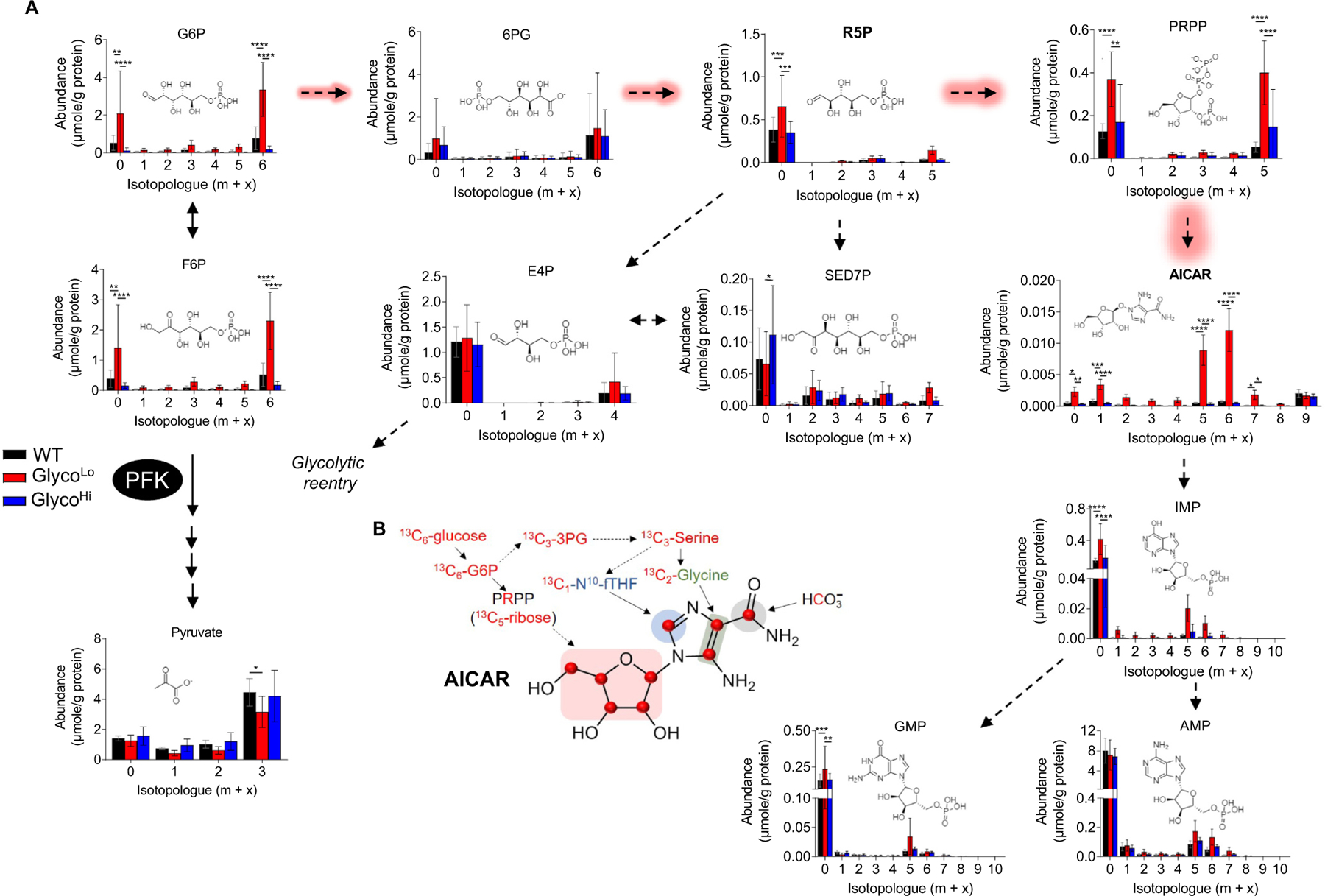
Glucose metabolism comprises numerous amphibolic metabolites that provide precursors for not only the synthesis of cellular building blocks but also for ATP production. In this study, we tested how phosphofructokinase-1 (PFK1) activity controls the fate of glucose-derived carbon in murine hearts in vivo. PFK1 activity was regulated by cardiac-specific overexpression of kinase- or phosphatase-deficient 6-phosphofructo-2-kinase/fructose-2,6-bisphosphatase transgenes in mice (termed Glyco or Glyco mice, respectively). Dietary delivery of C-glucose to these mice, followed by deep network metabolic tracing, revealed that low rates of PFK1 activity promote selective routing of glucose-derived carbon to the purine synthesis pathway to form 5-aminoimidazole-4-carboxamide ribonucleotide (AICAR). Consistent with a mechanism of physical channeling, we found multimeric protein complexes that contained phosphoribosylaminoimidazole carboxylase (PAICS)-an enzyme important for AICAR biosynthesis, as well as chaperone proteins such as Hsp90 and other metabolic enzymes. We also observed that PFK1 influenced glucose-derived carbon deposition in glycogen, but did not affect hexosamine biosynthetic pathway activity. These studies demonstrate the utility of deep network tracing to identify metabolic channeling and changes in biosynthetic pathway activity in the heart in vivo and present new potential mechanisms by which metabolic branchpoint reactions modulate biosynthetic pathways.
葡萄糖代谢包含许多兼性代谢物,不仅为细胞构建块的合成提供前体,还为 ATP 生产提供前体。在这项研究中,我们测试了磷酸果糖激酶-1 (PFK1) 活性如何在体内控制小鼠心脏中葡萄糖衍生碳的命运。通过在小鼠中过表达激酶或磷酸酶缺陷的 6-磷酸果糖-2-激酶/果糖-2,6-二磷酸酶转基因(分别称为 Glyco 或 Glyco 小鼠)来调节 PFK1 活性。用 C-葡萄糖对这些小鼠进行饮食给药,然后进行深度网络代谢追踪,结果表明,PFK1 活性低会促进葡萄糖衍生碳选择性地向嘌呤合成途径定向,形成 5-氨基咪唑-4-羧酰胺核糖核苷酸 (AICAR)。与物理通道化的机制一致,我们发现了包含磷核糖基氨基咪唑羧化酶 (PAICS)-AICAR 生物合成的重要酶,以及热休克蛋白 90 和其他代谢酶等伴侣蛋白的多聚体蛋白复合物。我们还观察到 PFK1 影响糖原中葡萄糖衍生碳的沉积,但不影响己糖胺生物合成途径的活性。这些研究表明,深度网络追踪可用于识别体内心脏中的代谢通道化和生物合成途径活性的变化,并提出了代谢分支点反应调节生物合成途径的新潜在机制。