Clinical Psychology and Behavioral Health Program, Faculty of Health Sciences, Universiti Kebangsaan Malaysia, Kuala Lumpur 50300, Malaysia.
Centre for Healthy Ageing and Wellness, Faculty of Health Sciences, Universiti Kebangsaan Malaysia, Kuala Lumpur 50300, Malaysia.
Int J Environ Res Public Health. 2021 Aug 25;18(17):8962. doi: 10.3390/ijerph18178962.
Primary care clinicians in Asia employed the Mini-Mental State Examination (MMSE) and Montreal Cognitive Assessment (MoCA) to aid dementia diagnosis post-stroke. Recent studies questioned their clinical utility in stroke settings for relying on verbal abilities and education level, as well as lack of consideration for aphasia and neglect. We aimed to review the clinical utility of the MMSE and MoCA for stroke patients in Asia and provide recommendations for clinical practice.
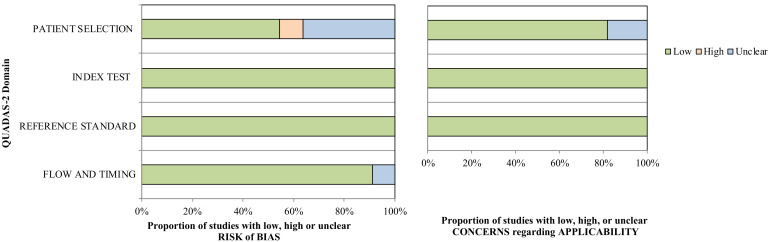
PubMed, Scopus, Web of Science, and Science Direct were searched for relevant articles. Included studies were assessed for risk of bias. RevMan 5.4 was used for data synthesis (sensitivity and specificity) and covariates were identified.
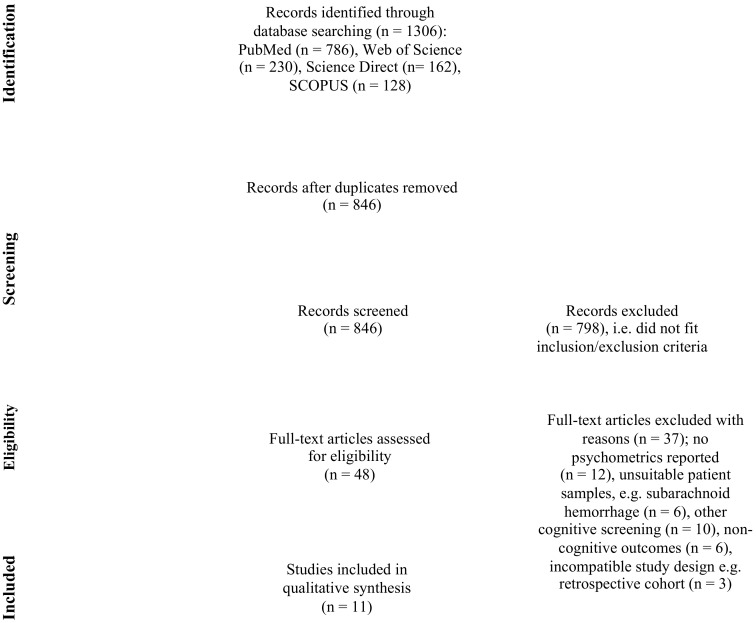
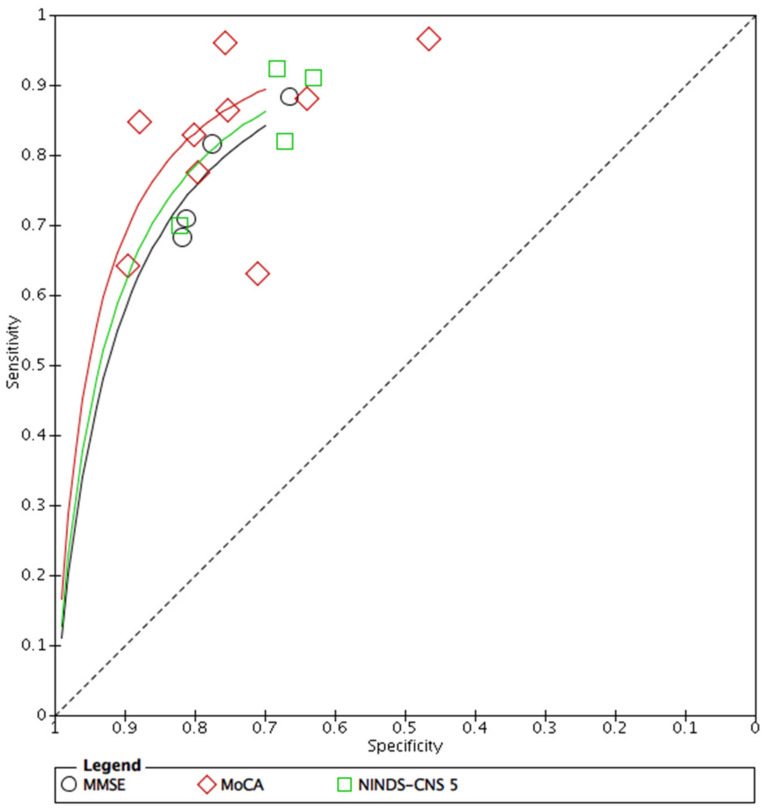
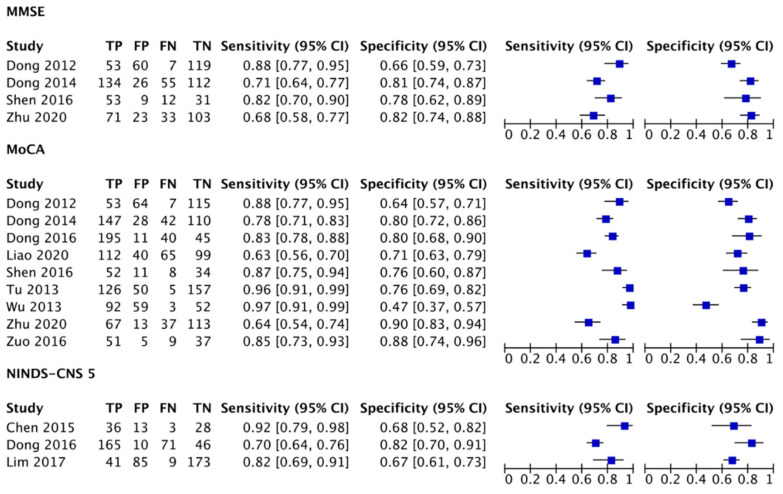
Among the 48 full-text articles reviewed, 11 studies were included with 3735 total subjects; of these studies, 7 (77%) were conducted in China, 3 (27%) in Singapore, and 1 (9%) in South Korea. Both the MMSE and MoCA generally showed adequate sensitivity and specificity. Education was identified as a covariate that significantly affected detection accuracy. Due to heterogeneity in cutoff scores, methodologies, and languages, it was not feasible to suggest a single cutoff score. One additional point is recommended for MoCA for patients with <6 years of education.
Clinicians in Asia are strongly recommended to consider the education level of stroke patients when interpreting the results of the MMSE and MoCA. Further studies in other Asian countries are needed to understand their clinical value in stroke settings.
亚洲的初级保健临床医生在脑卒中后使用简易精神状态检查(MMSE)和蒙特利尔认知评估(MoCA)来辅助痴呆症诊断。最近的研究质疑了它们在脑卒中环境中的临床实用性,因为它们依赖于语言能力和教育水平,并且没有考虑到失语症和忽视。我们旨在回顾 MMSE 和 MoCA 在亚洲脑卒中患者中的临床实用性,并为临床实践提供建议。
在 PubMed、Scopus、Web of Science 和 Science Direct 上搜索相关文章。纳入的研究评估了偏倚风险。RevMan 5.4 用于数据综合(敏感性和特异性),并确定了协变量。
在审查的 48 篇全文文章中,有 11 项研究纳入了 3735 名受试者;其中 7 项(77%)在中国进行,3 项(27%)在新加坡进行,1 项(9%)在韩国进行。MMSE 和 MoCA 通常都表现出足够的敏感性和特异性。教育被确定为显著影响检测准确性的协变量。由于截断分数、方法和语言的异质性,不可能提出单一的截断分数。建议对于受教育程度<6 年的患者,MoCA 增加 1 分。
亚洲的临床医生强烈建议在解释 MMSE 和 MoCA 的结果时考虑脑卒中患者的教育水平。需要在其他亚洲国家进行进一步的研究,以了解它们在脑卒中环境中的临床价值。