Pelaz Sara G, Ollauri-Ibáñez Claudia, Lillo Concepción, Tabernero Arantxa
Instituto de Neurociencias de Castilla y León (INCYL), Universidad de Salamanca, Calle Pintor Fernando Gallego 1, 37007 Salamanca, Spain.
Departamento de Bioquímica y Biología Molecular, Universidad de Salamanca, Campus Miguel de Unamuno, 37007 Salamanca, Spain.
Cancers (Basel). 2021 Aug 24;13(17):4262. doi: 10.3390/cancers13174262.
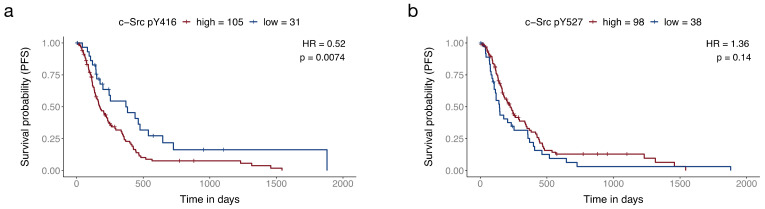
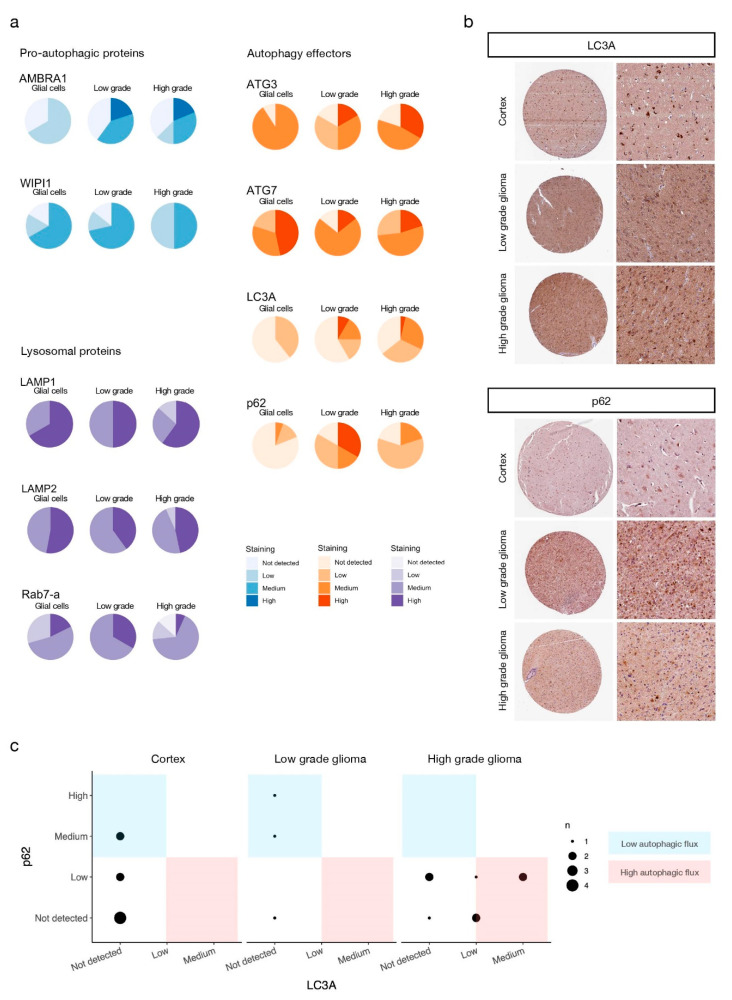
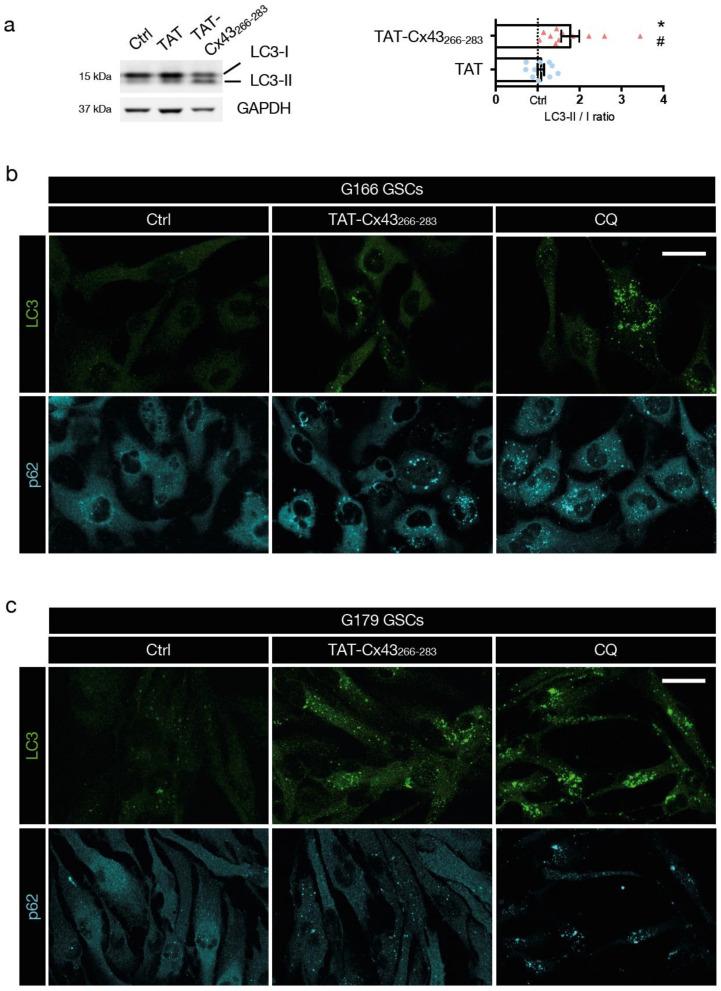
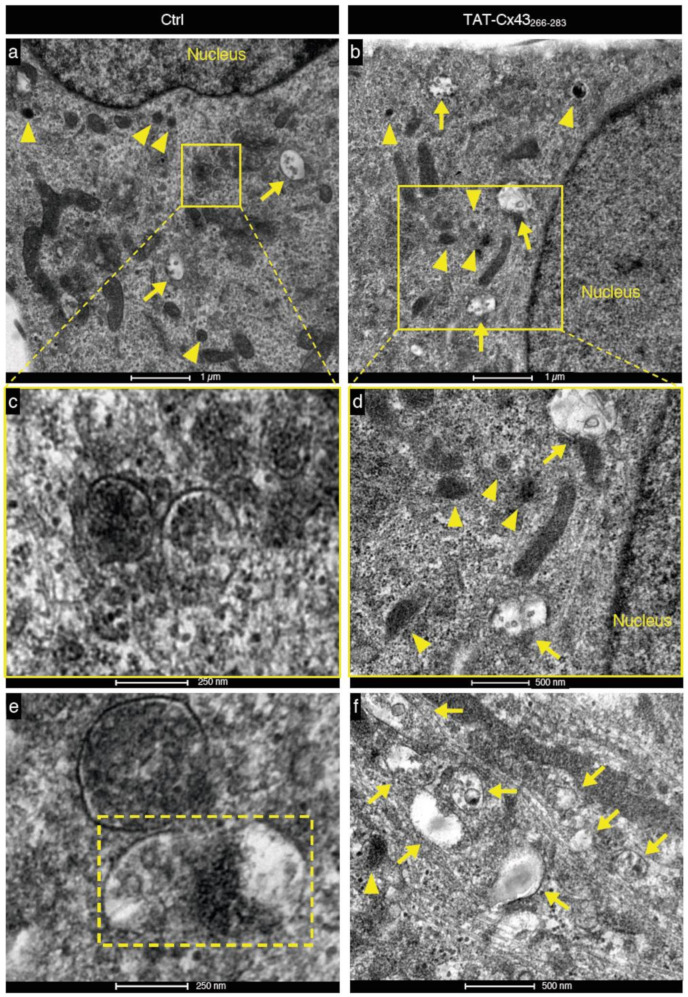
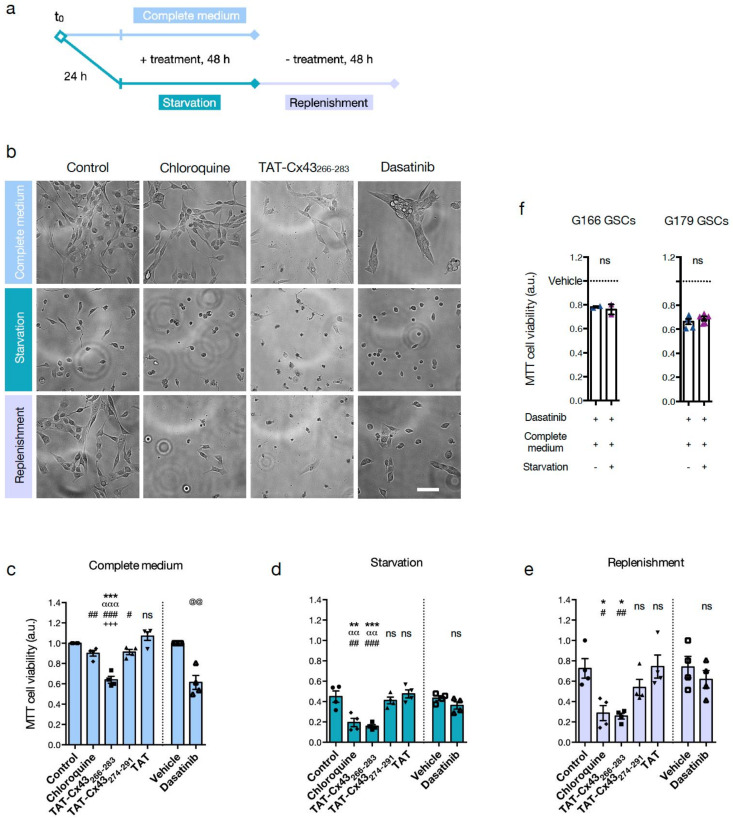
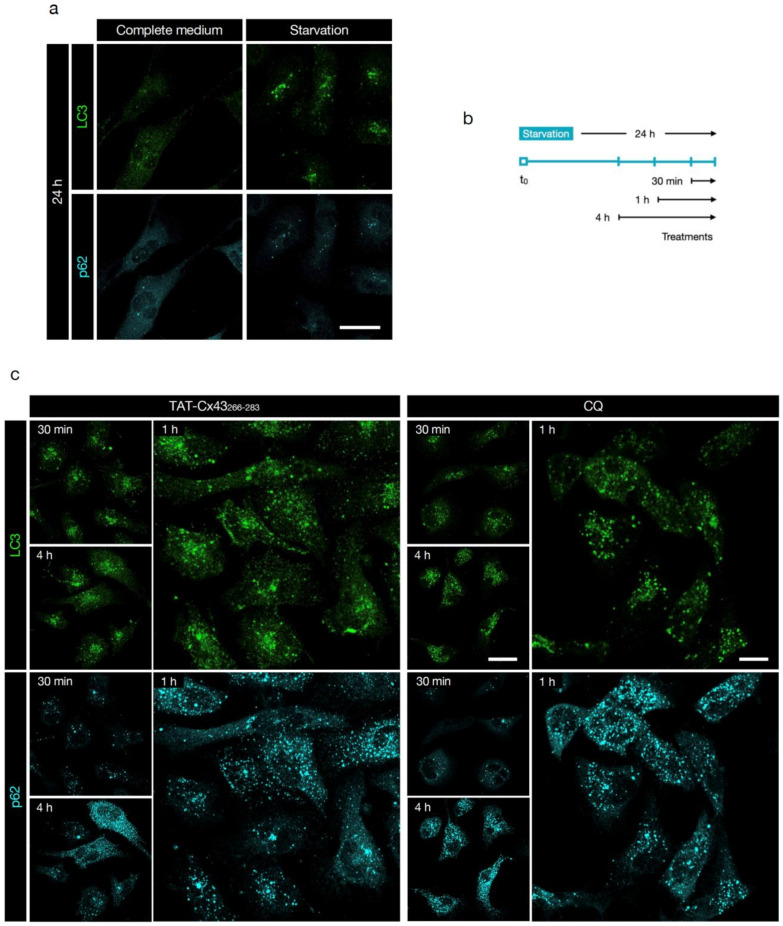
Autophagy is a physiological process by which various damaged or non-essential cytosolic components are recycled, contributing to cell survival under stress conditions. In cancer, autophagy can have antitumor or protumor effects depending on the developmental stage. Here, we use Western blotting, immunochemistry, and transmission electron microscopy to demonstrate that the antitumor peptide TAT-Cx43, a c-Src inhibitor, blocks autophagic flux in glioblastoma stem cells (GSCs) under basal and nutrient-deprived conditions. Upon nutrient deprivation, GSCs acquired a dormant-like phenotype that was disrupted by inhibition of autophagy with TAT-Cx43 or chloroquine (a classic autophagy inhibitor), leading to GSC death. Remarkably, dasatinib, a clinically available c-Src inhibitor, could not replicate TAT-Cx43 effect on dormant GSCs, revealing for the first time the possible involvement of pathways other than c-Src in TAT-Cx43 effect. TAT-Cx43 exerts an antitumor effect both in nutrient-complete and nutrient-deprived environments, which constitutes an advantage over chloroquine and dasatinib, whose effects depend on nutrient environment. Finally, our analysis of the levels of autophagy-related proteins in healthy and glioma donors suggests that autophagy is upregulated in glioblastoma, further supporting the interest in inhibiting this process in the most aggressive brain tumor and the potential use of TAT-Cx43 as a therapy for this type of cancer.
自噬是一种生理过程,通过该过程各种受损或非必需的胞质成分被循环利用,有助于细胞在应激条件下存活。在癌症中,自噬根据发育阶段可产生抗肿瘤或促肿瘤作用。在此,我们使用蛋白质免疫印迹法、免疫化学和透射电子显微镜来证明抗肿瘤肽TAT-Cx43(一种c-Src抑制剂)在基础条件和营养缺乏条件下阻断胶质母细胞瘤干细胞(GSCs)的自噬流。在营养缺乏时,GSCs获得一种类似休眠的表型,而用TAT-Cx43或氯喹(一种经典的自噬抑制剂)抑制自噬会破坏这种表型,导致GSC死亡。值得注意的是,达沙替尼(一种临床可用的c-Src抑制剂)不能复制TAT-Cx43对休眠GSCs的作用,首次揭示了除c-Src外的其他途径可能参与TAT-Cx43的作用。TAT-Cx43在营养充足和营养缺乏的环境中均发挥抗肿瘤作用,这是优于氯喹和达沙替尼的一个优势,后两者的作用取决于营养环境。最后,我们对健康和胶质瘤供体中自噬相关蛋白水平的分析表明,胶质母细胞瘤中自噬上调,进一步支持了在这种最具侵袭性的脑肿瘤中抑制这一过程的意义以及TAT-Cx43作为这种癌症治疗方法的潜在用途。