Guo Xiurong, Tang Nan, Lei Hui, Fang Qi, Liu Li, Zhou Quan, Song Can
School of Pharmacy, Southwest Medical University, Luzhou, China.
Front Microbiol. 2021 Aug 24;12:709051. doi: 10.3389/fmicb.2021.709051. eCollection 2021.
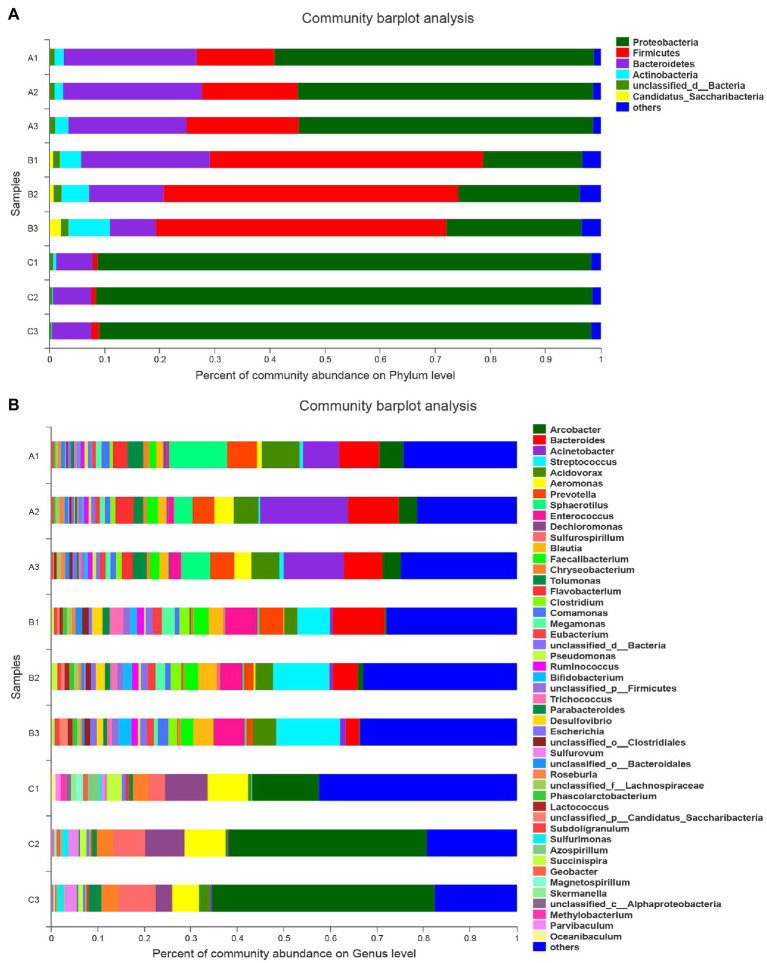
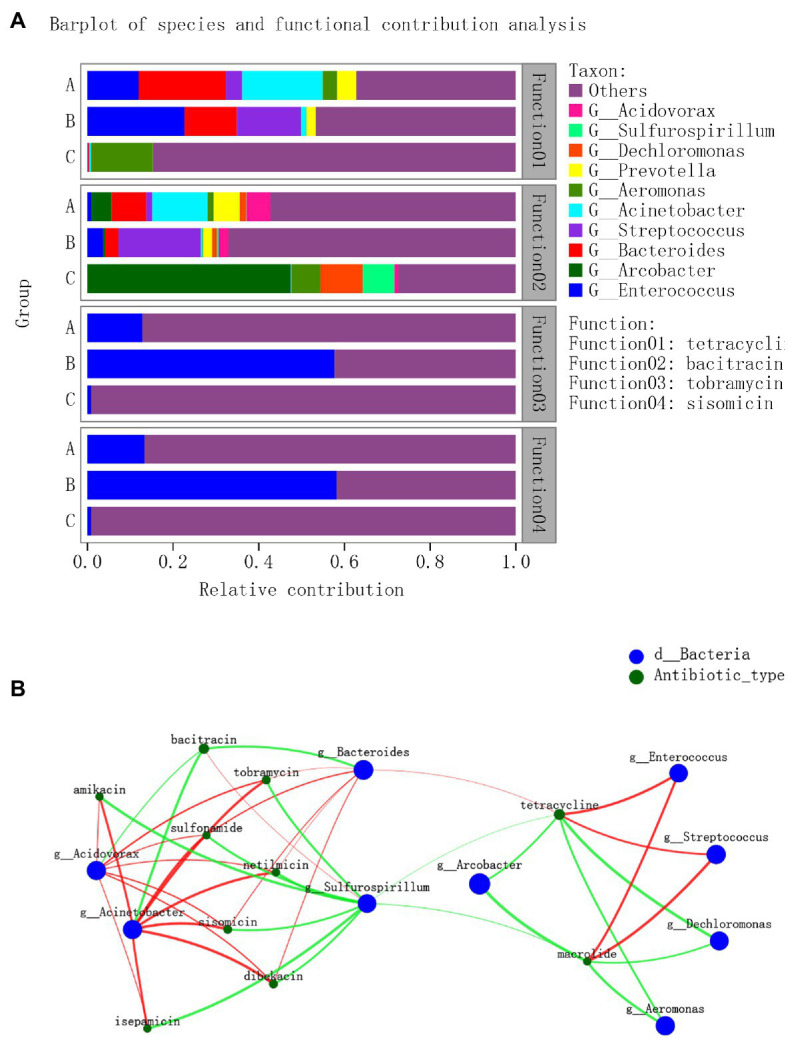
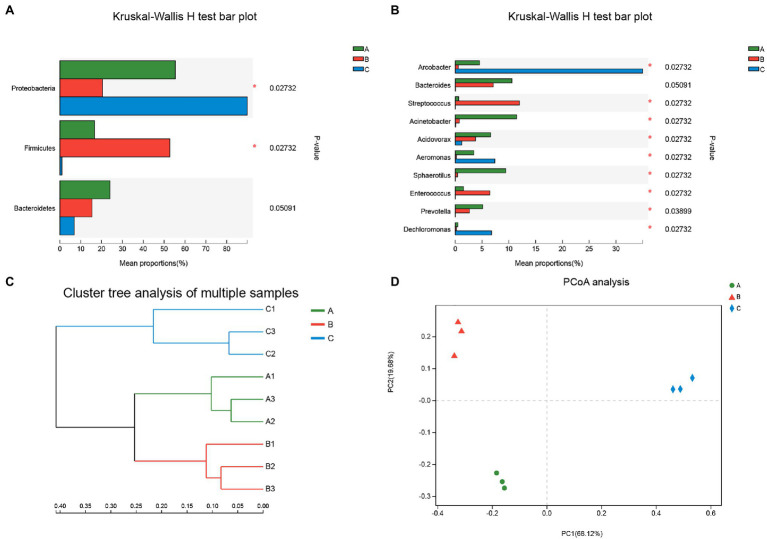
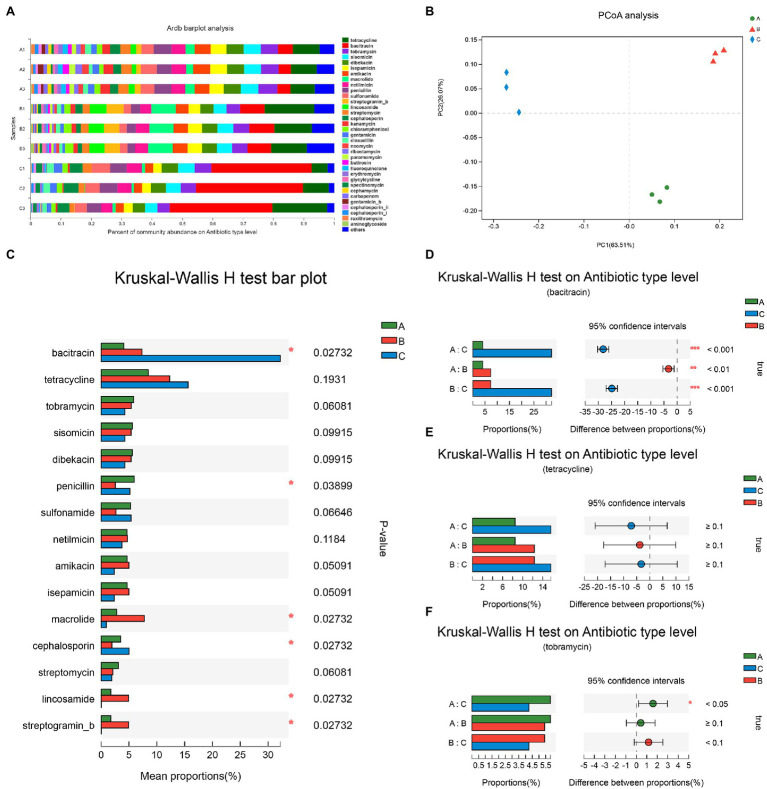
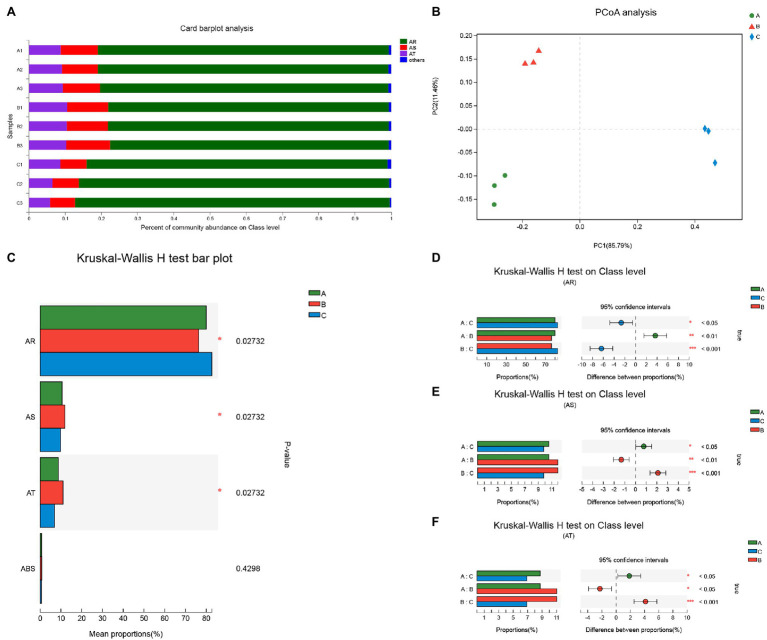
Controlling antibiotic resistance genes (ARGs) is a worldwide intervention to ensure global health. Hospital wastewater is the main pollution source of antibiotic-resistant bacteria and ARGs in the environment. Expanding our knowledge on the bacterial composition of hospital wastewater could help us to control infections in hospitals and decrease pathogen release into the environment. In this study, a high-throughput sequencing-based metagenomic approach was applied to investigate the community composition of bacteria and ARGs in untreated wastewater from three different types of hospitals [the general hospital, traditional Chinese medicine (TCM) hospital, and stomatology hospital]. In total, 130 phyla and 2,554 genera were identified from the microbiota of the wastewaters, with significantly different bacterial community compositions among the three hospitals. Total ARG analysis using the Antibiotic Resistance Genes Database (ARDB) and Comprehensive Antibiotic Resistance Database (CARD) revealed that the microbiota in the wastewaters from the three hospitals harbored different types and percentage of ARGs, and their composition was specific to the hospital type based on the correlation analysis between species and ARG abundance, some ARGs contributed to different bacterial genera with various relationships in different hospitals. In summary, our findings demonstrated a widespread occurrence of ARGs and ARG-harboring microbiota in untreated wastewaters of different hospitals, suggesting that protection measures should be applied to prevent human infections. Concurrently, hospital wastewater should be treated more specifically for the removal of pathogens before its discharge into the urban sewage system.
控制抗生素抗性基因(ARGs)是一项确保全球健康的全球性干预措施。医院废水是环境中抗生素抗性细菌和ARGs的主要污染源。扩展我们对医院废水细菌组成的了解有助于我们控制医院感染并减少病原体向环境中的释放。在本研究中,采用基于高通量测序的宏基因组学方法来调查来自三种不同类型医院(综合医院、中医医院和口腔医院)未经处理的废水中细菌和ARGs的群落组成。总共从废水微生物群中鉴定出130个门和2554个属,三家医院的细菌群落组成存在显著差异。使用抗生素抗性基因数据库(ARDB)和综合抗生素抗性数据库(CARD)进行的总ARGs分析表明,三家医院废水中的微生物群含有不同类型和比例的ARGs,并且根据物种与ARGs丰度之间的相关性分析,其组成因医院类型而异,一些ARGs在不同医院中与不同细菌属存在不同关系。总之,我们的研究结果表明不同医院未经处理的废水中ARGs和携带ARGs的微生物群广泛存在,这表明应采取保护措施以预防人类感染。同时,医院废水在排入城市污水系统之前应进行更有针对性的处理以去除病原体。