Department of Psychiatry, School of Nursing and Midwifery, College of Health and Medical Sciences, Haramaya University, Harar, Ethiopia.
Department of Pharmacology and Toxicology, School of Pharmacy, College of Health and Medical Sciences, Haramaya University, Harar, Ethiopia.
PLoS One. 2021 Sep 10;16(9):e0257129. doi: 10.1371/journal.pone.0257129. eCollection 2021.
Antipsychotic agents are the basis for the pharmacological management of acute and chronic schizophrenia, bipolar disorders, mood disorders with psychotic feature, and other psychotic disorders. Antipsychotic medication use is frequently associated with unfavorable adverse effects such as extrapyramidal side effects (EPSEs). Hence, this systematic review and meta-analysis was aimed to determine the magnitude of antipsychotic-induced EPSEs.
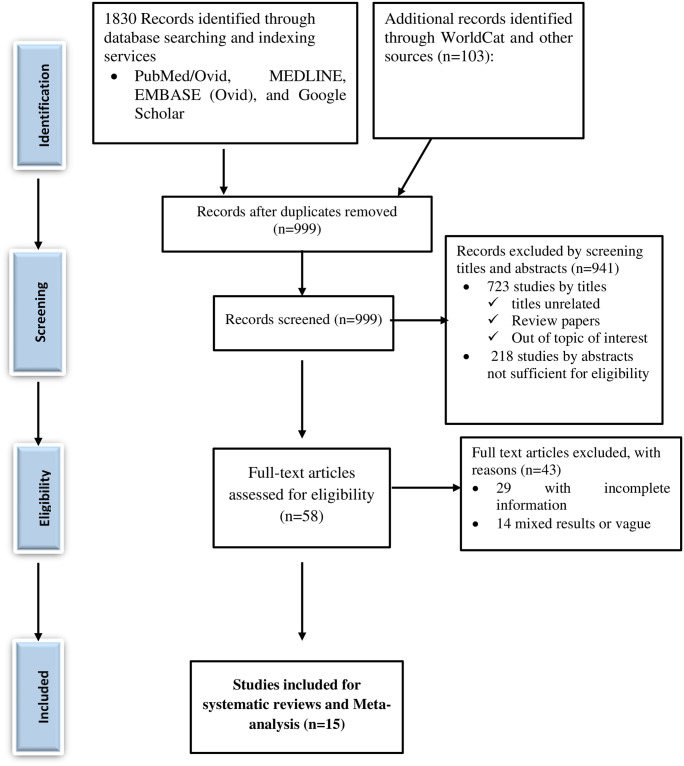
A literature search was conducted using legitimate databases, indexing services, and directories including PubMed/MEDLINE (Ovid®), EMBASE (Ovid®), google scholar and WorldCat to retrieve studies. Following screening and eligibility, the relevant data were extracted from the included studies using an Excel sheet and exported to STATA 15.0 software for analyses. The Random effects pooling model was used to analyze outcome measures at a 95% confidence interval. Besides, publication bias analysis was conducted. The protocol has been registered on PROSPERO with ID: CRD42020175168.
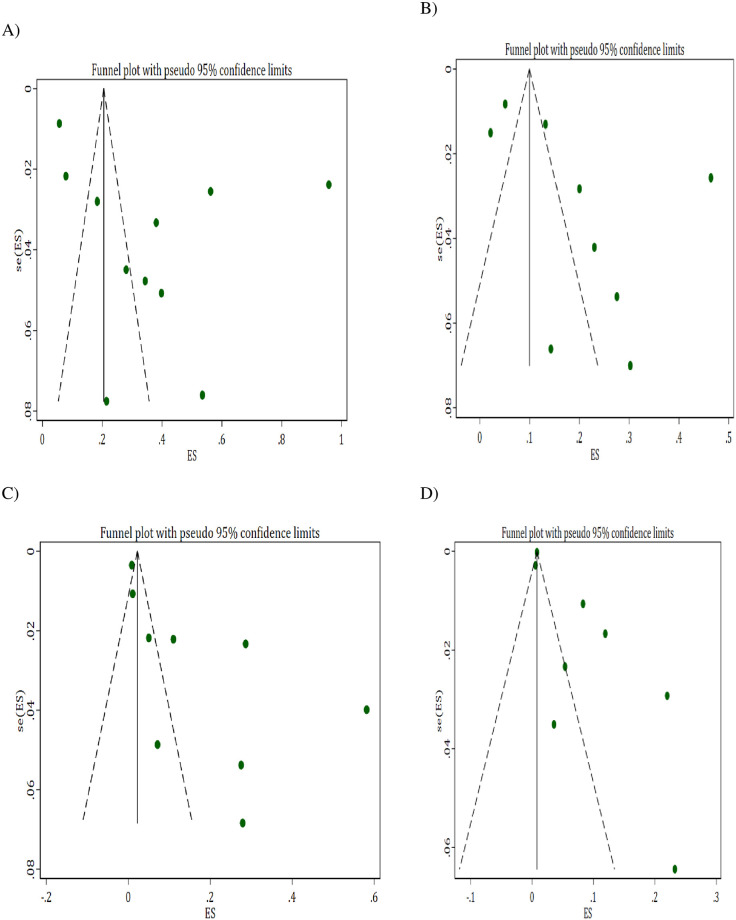
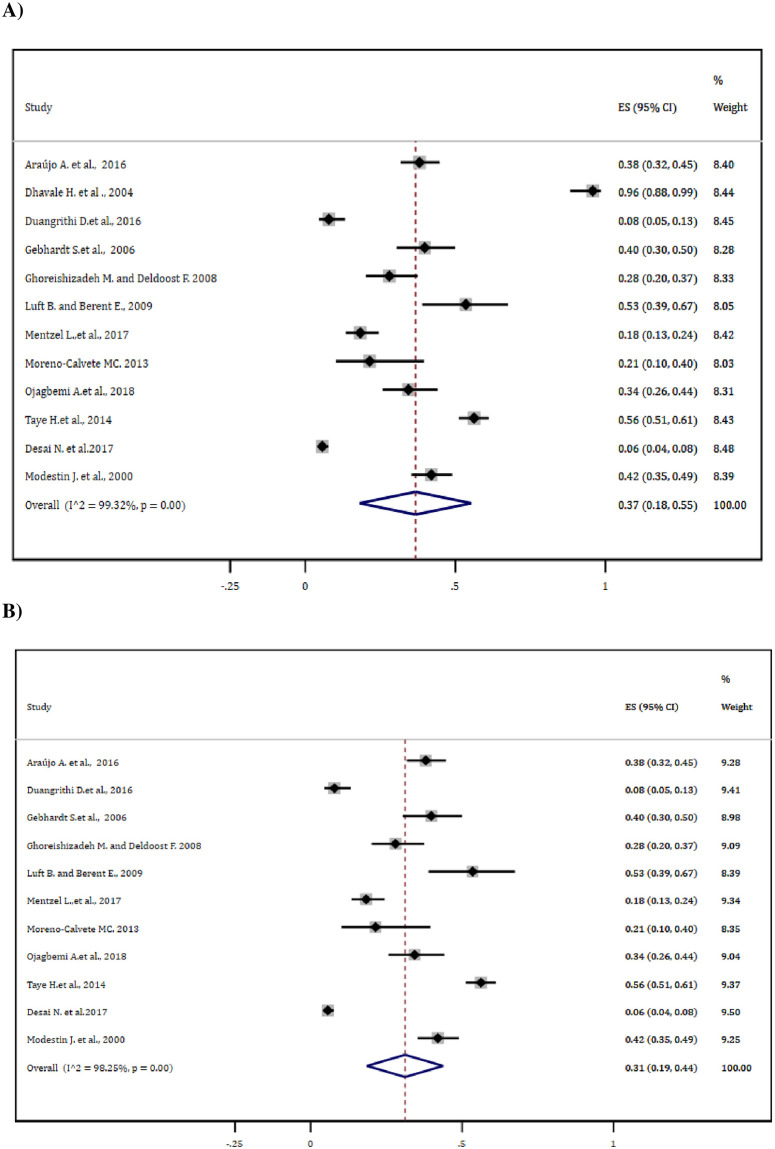
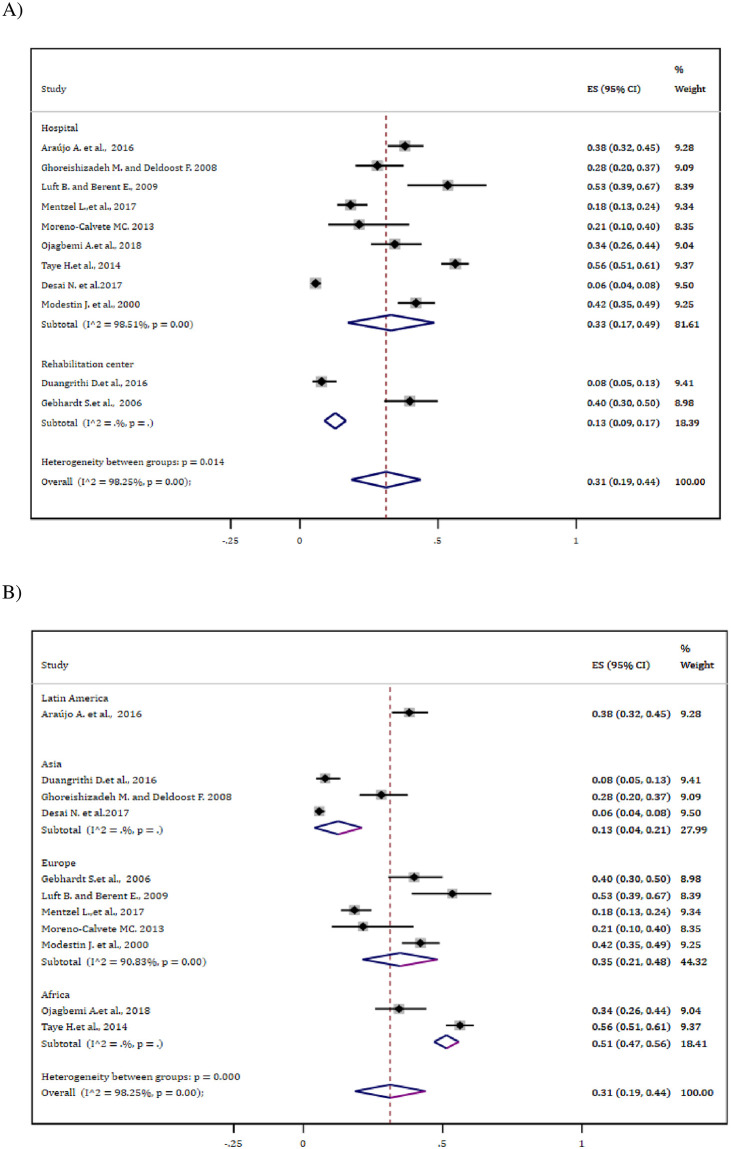
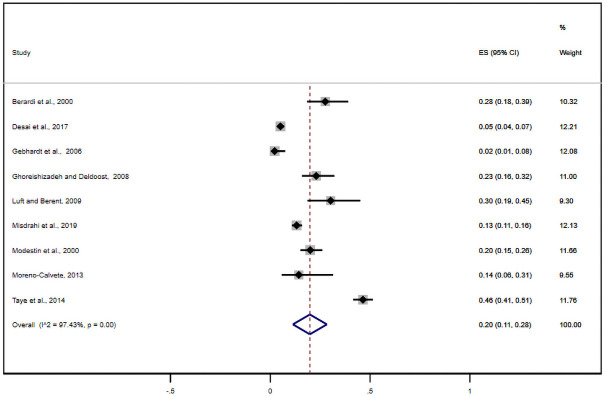
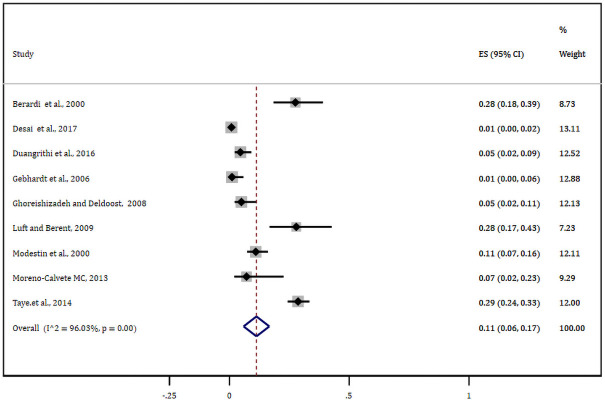
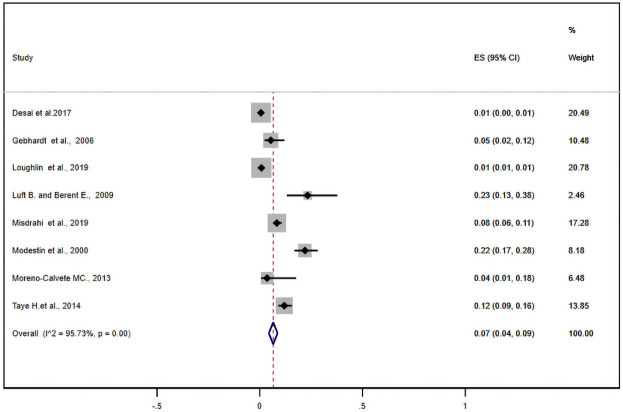
In total, 15 original articles were included for the systematic review and meta-analysis. The pooled prevalence of antipsychotic-induced EPSEs among patient taking antipsychotic medications was 37% (95% CI: 18-55%, before sensitivity) and 31% (95% CI: 19-44%, after sensitivity). The prevalence of antipsychotic-induced parkinsonism, akathisia, and tardive dyskinesia was 20% (95% CI: 11-28%), 11% (95% CI: 6-17%), and 7% (95% CI: 4-9%), respectively. To confirm a small-study effect, Egger's regression test accompanied by funnel plot asymmetry demonstrated that there was a sort of publication bias in studies reporting akathisia and tardive dyskinesia.
The prevalence of antipsychotic-induced EPSEs was considerably high. One in five and more than one in ten patients experienced parkinsonism and akathisia, respectively. Appropriate prevention and early management of these effects can enhance the net benefits of antipsychotics.
抗精神病药物是治疗急性和慢性精神分裂症、双相情感障碍、伴有精神病特征的心境障碍和其他精神病障碍的药理学基础。抗精神病药物的使用常伴有不良的不良反应,如锥体外系副作用(EPS)。因此,本系统评价和荟萃分析旨在确定抗精神病药引起的 EPS 的严重程度。
使用合法数据库、索引服务和目录(包括 PubMed/MEDLINE(Ovid®)、EMBASE(Ovid®)、google scholar 和 WorldCat)进行文献检索,以检索研究。经过筛选和资格审查,从纳入的研究中使用 Excel 工作表提取相关数据,并将其导出到 STATA 15.0 软件进行分析。使用随机效应汇总模型在 95%置信区间分析结果指标。此外,还进行了发表偏倚分析。该方案已在 PROSPERO 上注册,编号为 CRD42020175168。
共纳入 15 项原始研究进行系统评价和荟萃分析。服用抗精神病药物的患者中抗精神病药引起的 EPS 的总患病率为 37%(95%CI:18-55%,未进行敏感性分析)和 31%(95%CI:19-44%,进行敏感性分析后)。抗精神病药引起的帕金森病、静坐不能和迟发性运动障碍的患病率分别为 20%(95%CI:11-28%)、11%(95%CI:6-17%)和 7%(95%CI:4-9%)。为了确认小样本研究的影响,Egger 回归检验和漏斗图不对称表明,报道静坐不能和迟发性运动障碍的研究存在一定程度的发表偏倚。
抗精神病药引起的 EPS 的患病率相当高。五分之一的患者和十分之一以上的患者分别出现帕金森病和静坐不能。适当预防和早期管理这些影响可以提高抗精神病药的净效益。