Zhu Quangang, Chen Zhongjian, Paul Pijush Kumar, Lu Yi, Wu Wei, Qi Jianping
Shanghai Skin Disease Hospital, Tongji University School of Medicine, Shanghai 200443, China.
Department of Pharmacy, Gono Bishwabidyalay (University), Mirzanagar Savar, Dhaka 1344, Bangladesh.
Acta Pharm Sin B. 2021 Aug;11(8):2416-2448. doi: 10.1016/j.apsb.2021.04.001. Epub 2021 Apr 29.
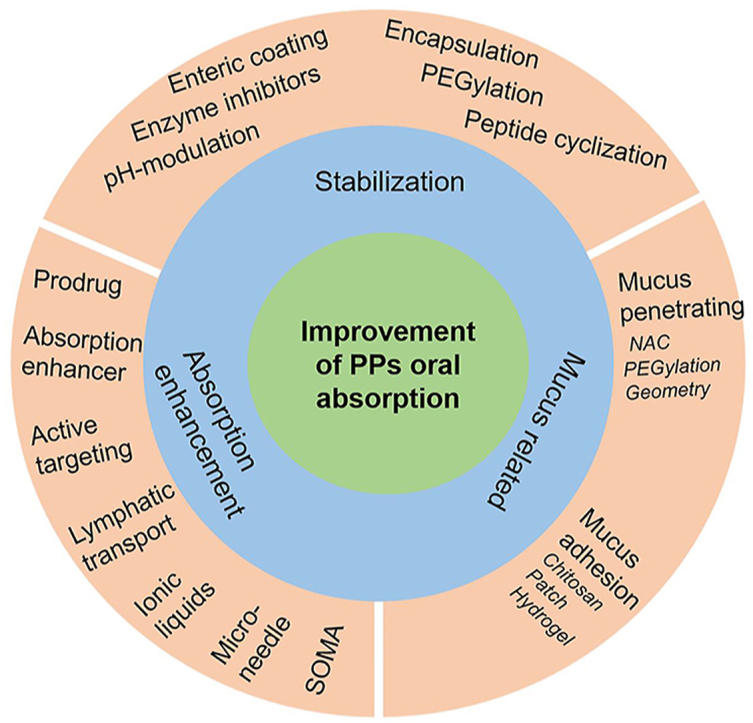
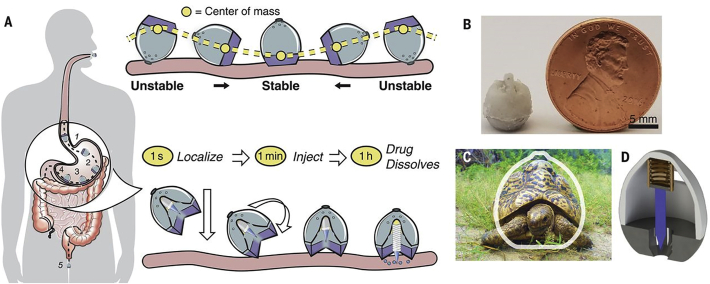
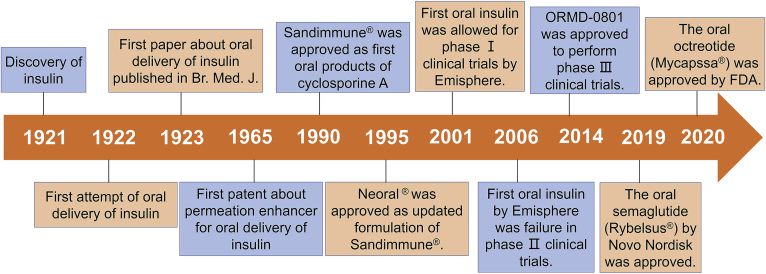
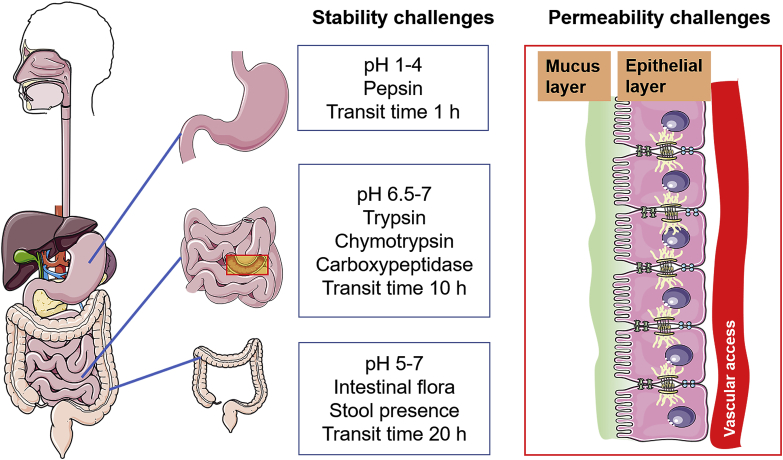
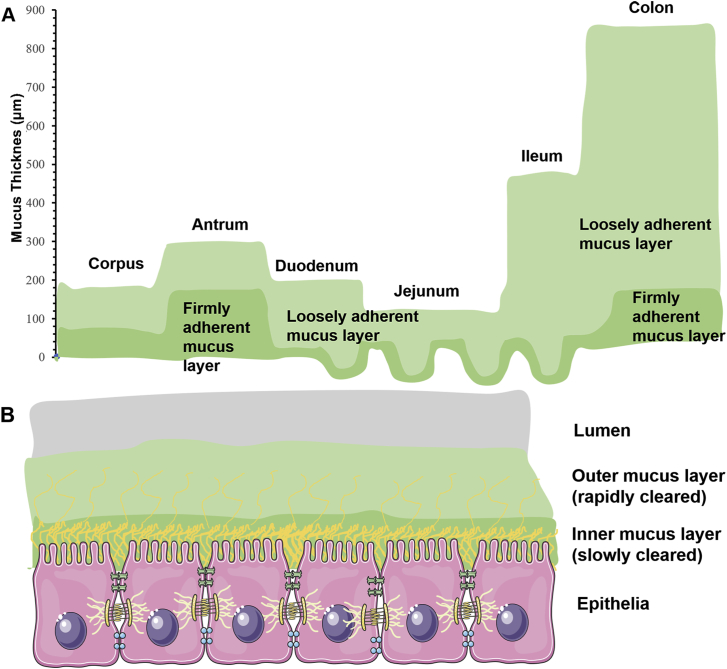
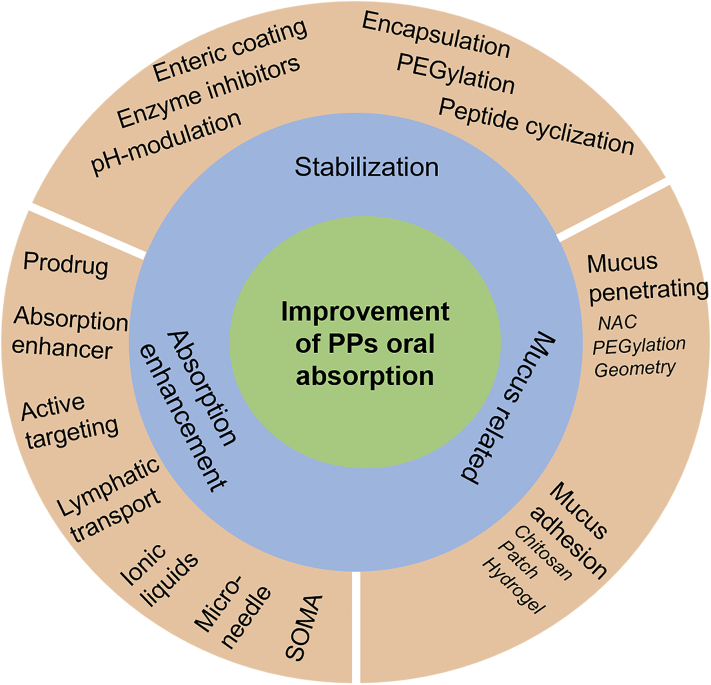
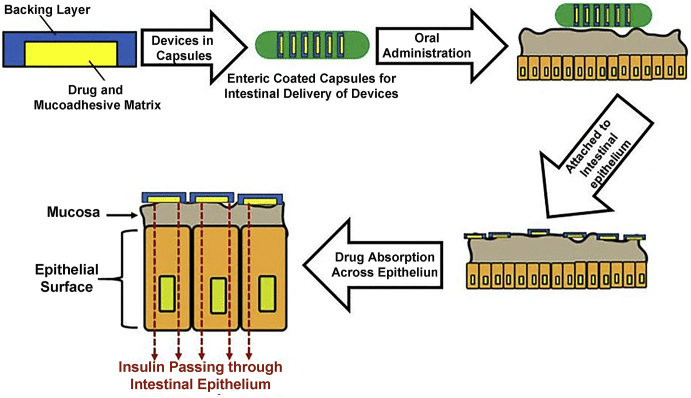
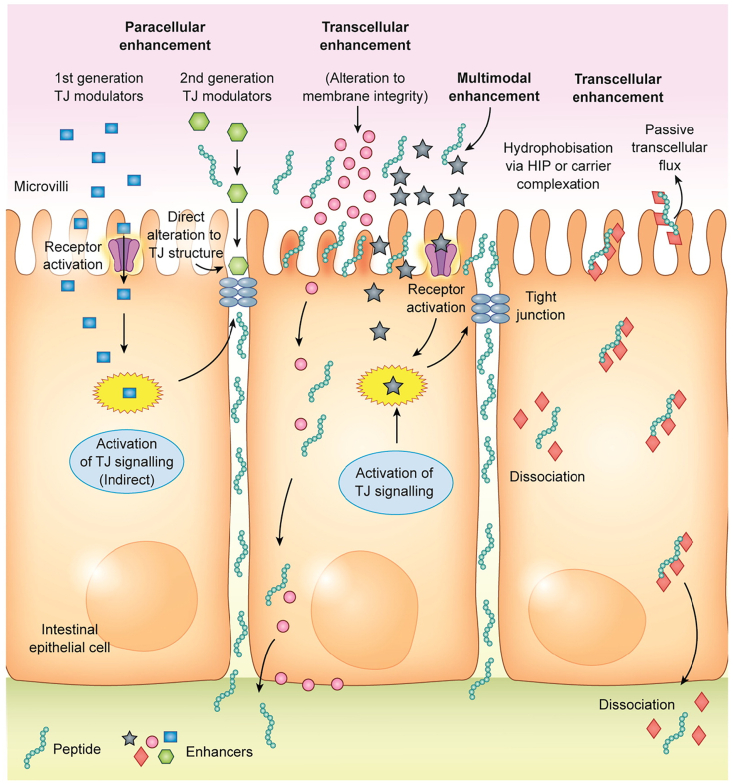
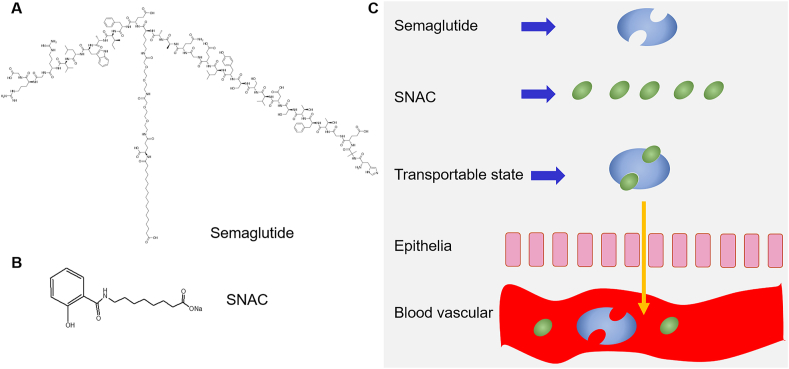
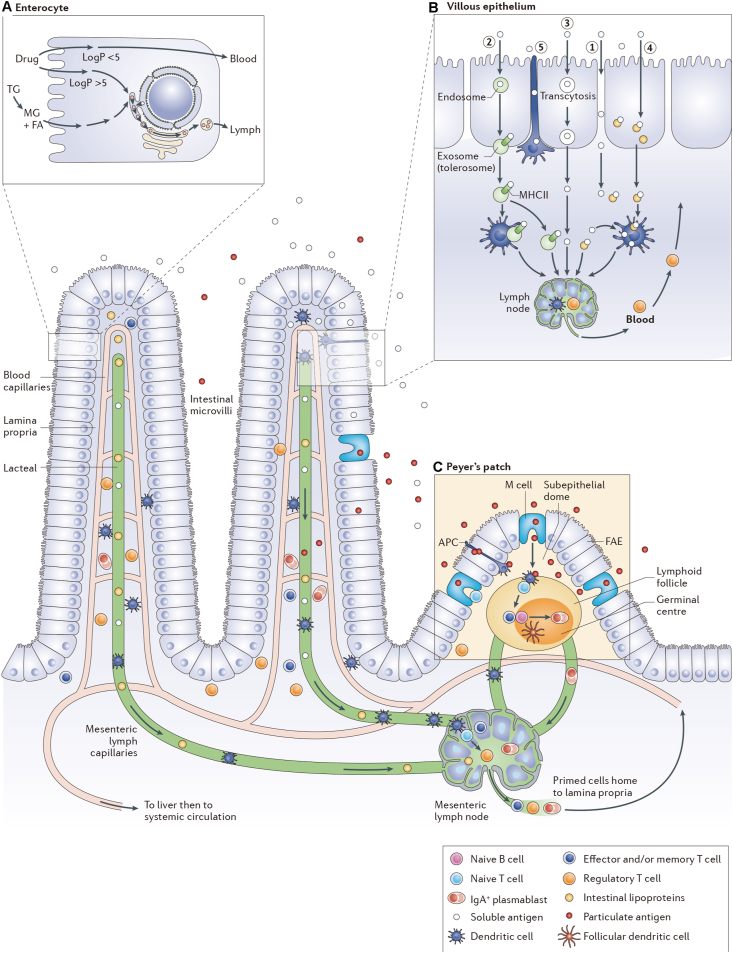
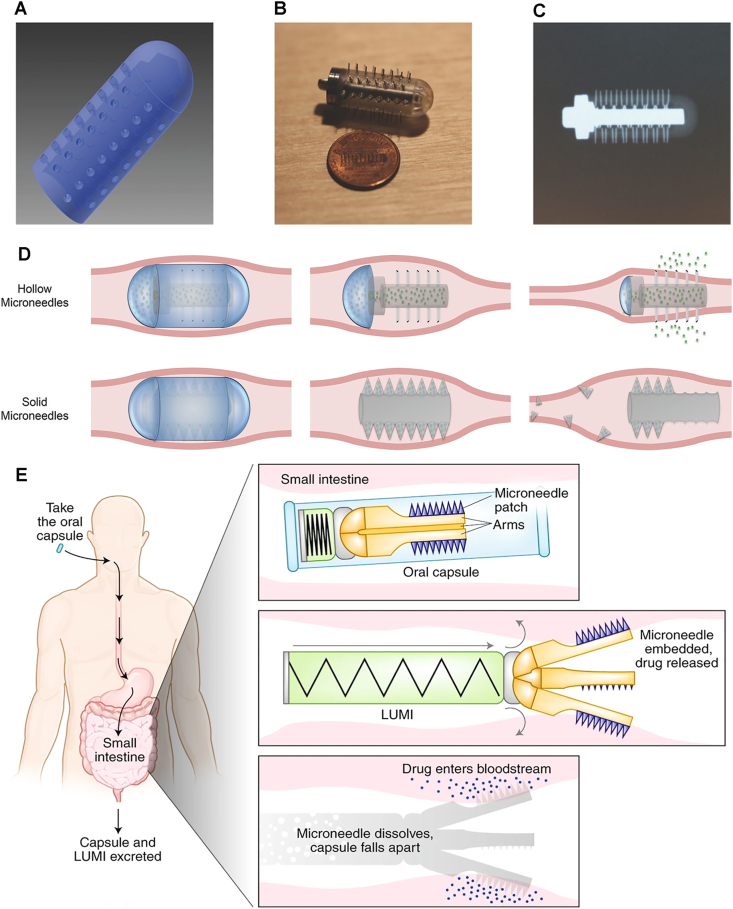
Proteins and peptides (PPs) have gradually become more attractive therapeutic molecules than small molecular drugs due to their high selectivity and efficacy, but fewer side effects. Owing to the poor stability and limited permeability through gastrointestinal (GI) tract and epithelia, the therapeutic PPs are usually administered by parenteral route. Given the big demand for oral administration in clinical use, a variety of researches focused on developing new technologies to overcome GI barriers of PPs, such as enteric coating, enzyme inhibitors, permeation enhancers, nanoparticles, as well as intestinal microdevices. Some new technologies have been developed under clinical trials and even on the market. This review summarizes the history, the physiological barriers and the overcoming approaches, current clinical and preclinical technologies, and future prospects of oral delivery of PPs.
蛋白质和肽(PPs)由于具有高选择性、高效性且副作用较少,已逐渐成为比小分子药物更具吸引力的治疗性分子。由于稳定性差以及通过胃肠道(GI)和上皮的渗透性有限,治疗性PPs通常通过肠胃外途径给药。鉴于临床使用中对口服给药的巨大需求,各种研究致力于开发新技术以克服PPs的胃肠道屏障,如肠溶包衣、酶抑制剂、渗透促进剂、纳米颗粒以及肠道微装置。一些新技术已在临床试验甚至市场上得到开发。本综述总结了PPs口服给药的历史、生理屏障及克服方法、当前的临床和临床前技术以及未来前景。