Medical College of Shantou University, Shantou, China.
Department of General Surgery, Guangdong Provincial People's Hospital, Guangdong Academy of Medical Sciences, Guangzhou, China.
J Clin Lab Anal. 2021 Nov;35(11):e24005. doi: 10.1002/jcla.24005. Epub 2021 Sep 15.
Hepatocellular carcinoma (HCC) is the most common cancer with limited cure and poor survival. In our study, a bioinformatic analysis was conducted to investigate the role of glycolysis in the pathogenesis and progression of HCC.
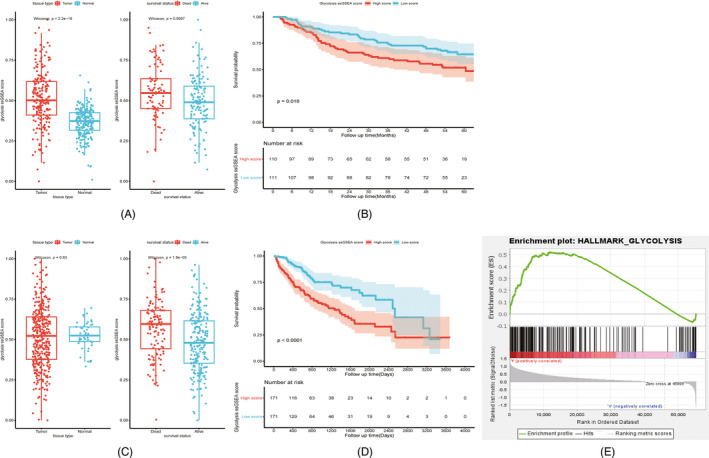
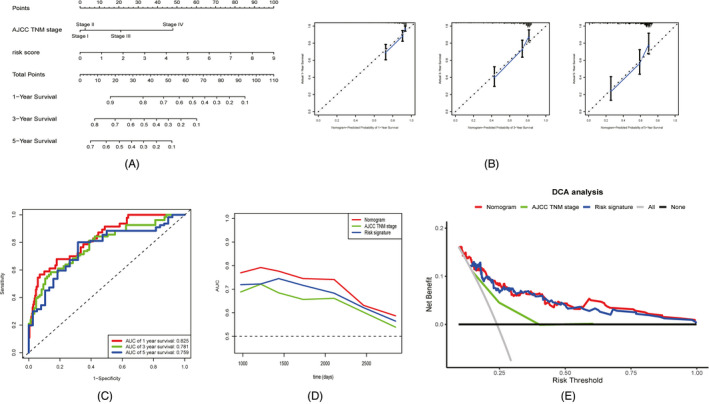
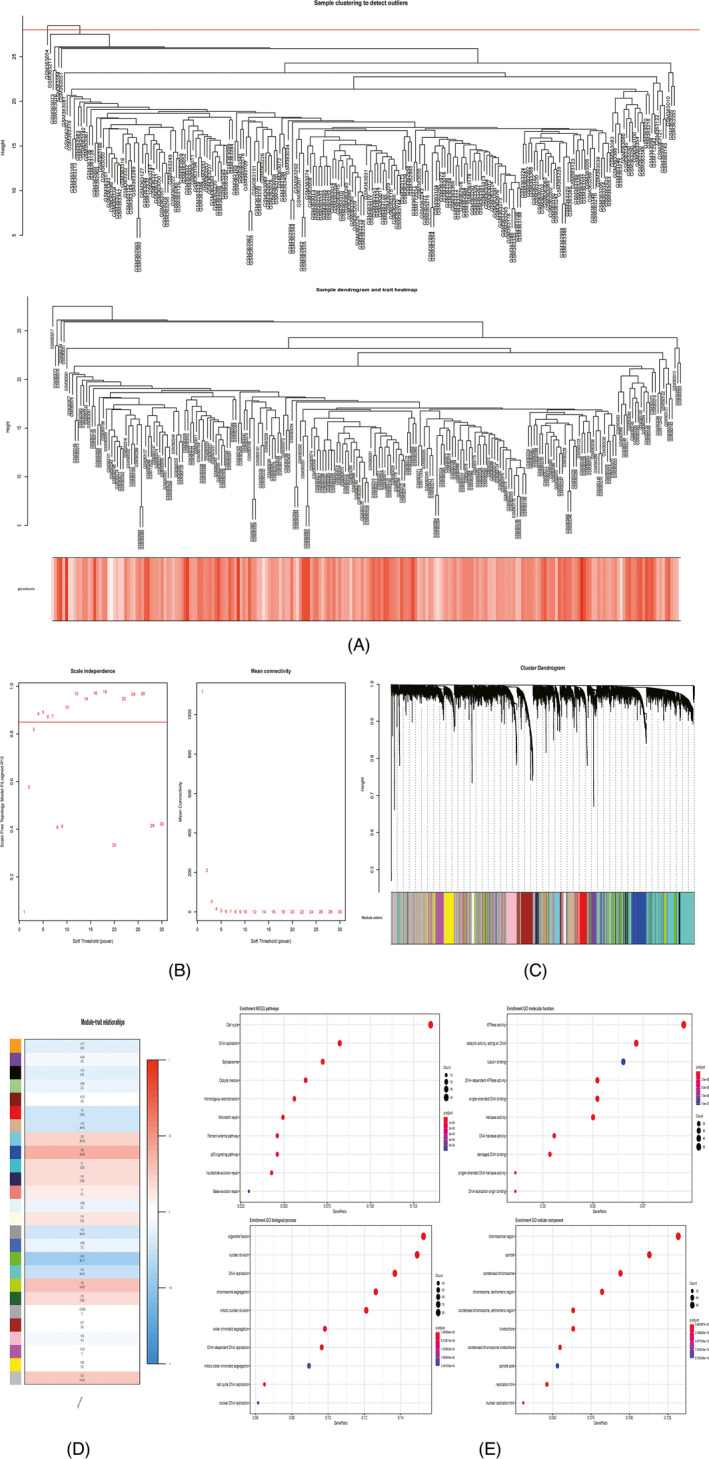
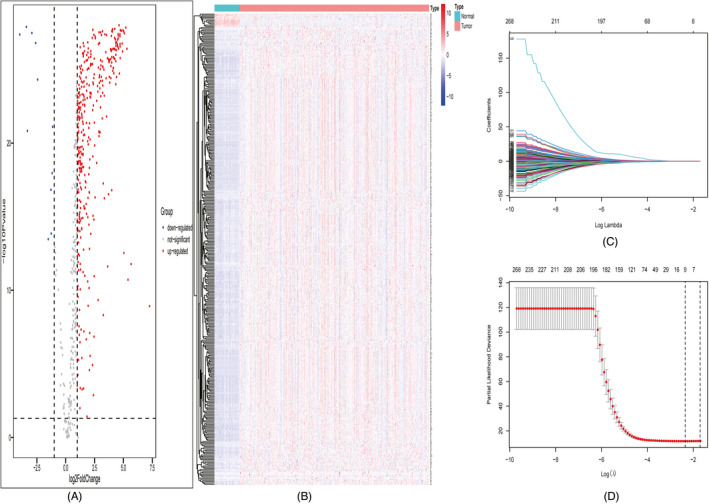
Single-sample gene set enrichment analysis (ssGESA) was used to calculate enrichment scores for each sample in TCGA-LIHC and GEO14520 according to the glycolysis gene set. Weighted gene co-expression network analysis identified a gene module closely related to glycolysis, and their function was investigated. Prognostic biomarkers were screened from these genes. Cox proportional hazard model and least absolute shrinkage and selection operator regression were used to construct the prognostic signature. Kaplan-Meier (KM) and receiver operating characteristic (ROC) curve analyses evaluated the prediction performance of the prognostic signature in TCGA-LIHC and ICGC-LIRI-JP. Combination analysis data of clinical features and prognostic signature constructed a nomogram. Area under ROC curves and decision curve analysis were used to compare the nomogram and its components.
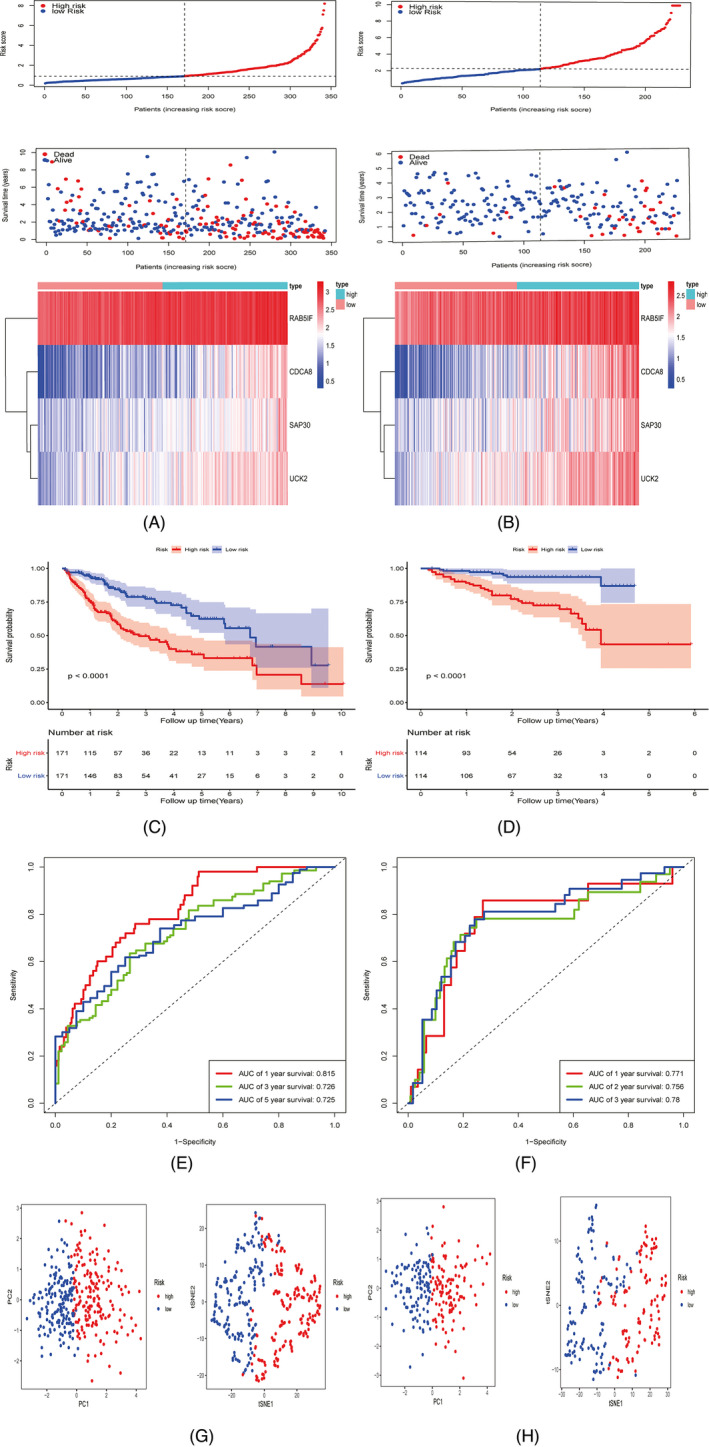
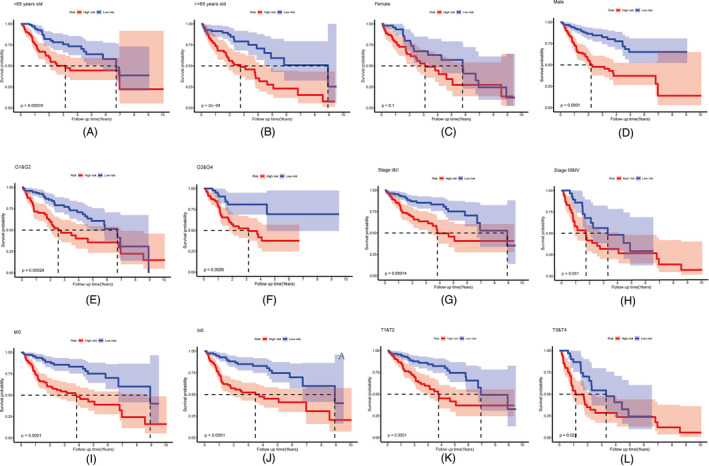
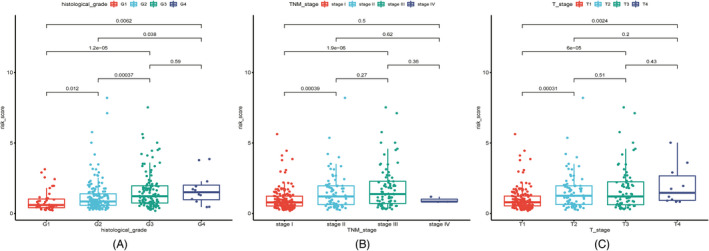
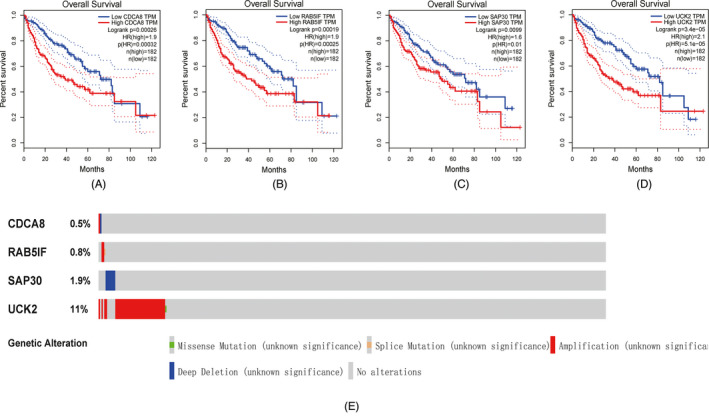
The glycolysis pathway was upregulated in HCC and was unfavorable for survival. The determined gene module was mainly enriched in cell proliferation. A prognostic signature (CDCA8, RAB5IF, SAP30, and UCK2) was developed and validated. KM and ROC curves showed a considerable predictive effect. The risk score derived from the signature was an independent prognostic factor. The nomogram increased prediction efficiency by combining risk signature and TNM stage and performed better than component factors in net benefit.
The gene signature may contribute to individual risk estimation, survival prognosis, and clinical management.
肝细胞癌(HCC)是最常见的癌症之一,治愈机会有限,生存状况较差。在本研究中,我们进行了生物信息学分析,以研究糖酵解在 HCC 发病机制和进展中的作用。
根据糖酵解基因集,使用单样本基因集富集分析(ssGESA)计算 TCGA-LIHC 和 GEO14520 中每个样本的富集分数。加权基因共表达网络分析确定与糖酵解密切相关的基因模块,并研究其功能。从这些基因中筛选出预后生物标志物。Cox 比例风险模型和最小绝对收缩和选择算子回归用于构建预后特征。Kaplan-Meier(KM)和接收者操作特征(ROC)曲线分析用于评估预后特征在 TCGA-LIHC 和 ICGC-LIRI-JP 中的预测性能。临床特征和预后特征组合分析数据构建了列线图。ROC 曲线下面积和决策曲线分析用于比较列线图及其组成部分。
糖酵解途径在 HCC 中上调,不利于生存。确定的基因模块主要富集在细胞增殖中。开发并验证了一个预后特征(CDCA8、RAB5IF、SAP30 和 UCK2)。KM 和 ROC 曲线显示出相当大的预测效果。风险评分来源于该特征是一个独立的预后因素。列线图通过结合风险特征和 TNM 分期提高了预测效率,在净效益方面优于组成因素。
该基因特征可能有助于个体风险估计、生存预后和临床管理。