Department of Cardiology, Affiliated Hospital of Qinghai University, Xining, 810001, China.
Department of Surgical Oncology, Affiliated Hospital of Qinghai University, Xining, 810001, China.
Sci Rep. 2021 Sep 16;11(1):18486. doi: 10.1038/s41598-021-98075-9.
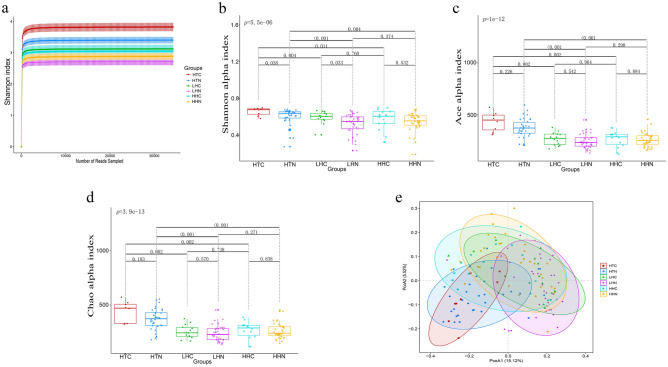
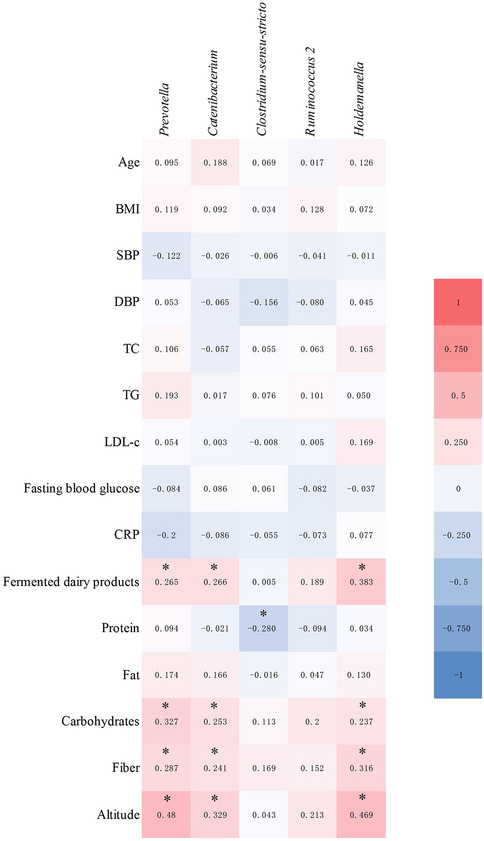
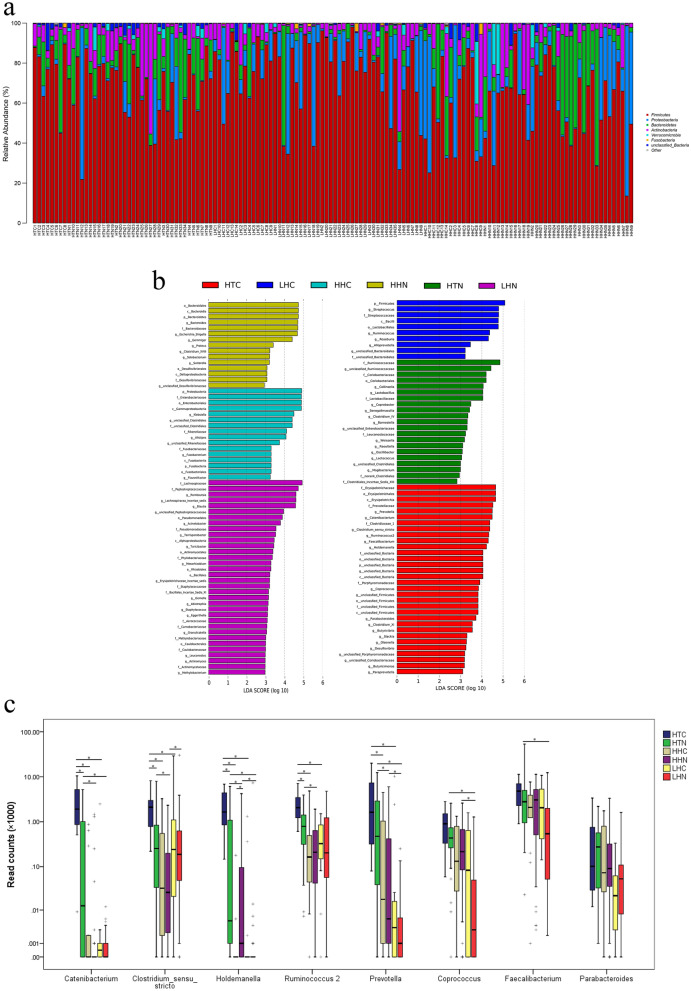
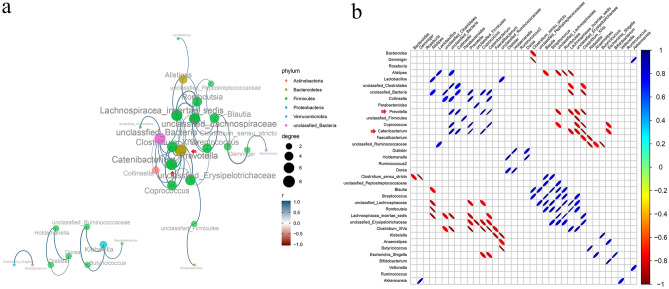
The prevalence of coronary artery disease (CAD) in Tibetan Highlanders is lower than that in plain-living individuals, but the mechanism still unclear. Gut microbiota (GM) disorder is considered one of the potential factors involved in the pathogenesis of CAD, but the GM characteristics of Tibetan Highlanders suffering from CAD are unknown. We sequenced the V3-V4 region of the 16S ribosomal RNA of gut bacteria from fecal samples from Tibetan and Han CAD patients and healthy individuals inhabiting the Qinghai-Tibet Plateau, as well as from Han CAD patients and healthy individuals living at sea level, and we analyzed the GM characteristics of these subjects by bioinformatics analysis. The results showed that Tibetan Highlanders suffering from CAD had higher GM α-diversity, with differently distributed cluster compared with healthy Tibetan Highlanders and Han CAD patients living at high and low altitudes. Genera Catenibacterium, Clostridium_sensu_stricto, Holdemanella, and Ruminococcus 2 were enriched in Tibetan Highlanders suffering from CAD compared with healthy Tibetan Highlanders and Han CAD patients living at high- and low-altitudes. Prevotella was enriched in Tibetan Highlanders suffering from CAD compared with Han CAD patients living at high- and low-altitudes. Moreover, Catenibacterium was positively correlated with Prevotella. Additionally, Catenibacterium, Holdemanella, and Prevotella were positively correlated with fermented dairy product, carbohydrate and fiber intake by the subjects, while Clostridium_sensu_stricto was negatively correlated with protein intake by the subjects. In conclusion, our study indicated that Tibetan Highlanders suffering from CAD showed distinct GM, which was linked to their unique dietary characteristics and might associated with CAD.
藏民高原地区冠心病(CAD)的患病率低于平原地区,但发病机制尚不清楚。肠道微生物群(GM)紊乱被认为是 CAD 发病机制中涉及的潜在因素之一,但患有 CAD 的藏民的 GM 特征尚不清楚。我们对来自青藏高原的藏族和汉族 CAD 患者和健康个体以及居住在海平面的汉族 CAD 患者和健康个体的粪便样本中的肠道细菌 16S 核糖体 RNA 的 V3-V4 区进行了测序,并通过生物信息学分析分析了这些个体的 GM 特征。结果表明,患有 CAD 的藏民 GMα多样性较高,与健康藏民和居住在高海拔和低海拔地区的汉族 CAD 患者的聚类分布不同。与居住在高海拔和低海拔地区的健康藏族和汉族 CAD 患者相比,患有 CAD 的藏族人群中 Catenibacterium、Clostridium_sensu_stricto、Holdemanella 和 Ruminococcus 2 等属更为丰富。与居住在高海拔和低海拔地区的汉族 CAD 患者相比,患有 CAD 的藏族人群中 Prevotella 更为丰富。此外,Catenibacterium 与 Prevotella 呈正相关。此外,Catenibacterium、Holdemanella 和 Prevotella 与受检者摄入的发酵乳制品、碳水化合物和纤维呈正相关,而 Clostridium_sensu_stricto 与受检者摄入的蛋白质呈负相关。综上所述,本研究表明,患有 CAD 的藏民表现出独特的 GM,这与其独特的饮食特点有关,可能与 CAD 有关。