Department of Translational Brain Research, German Center for Neurodegenerative Diseases (DZNE), Munich, Germany.
Department of Neurology, Ludwig Maximilian University, Munich, Germany.
Cell Death Dis. 2021 Sep 17;12(10):854. doi: 10.1038/s41419-021-04138-0.
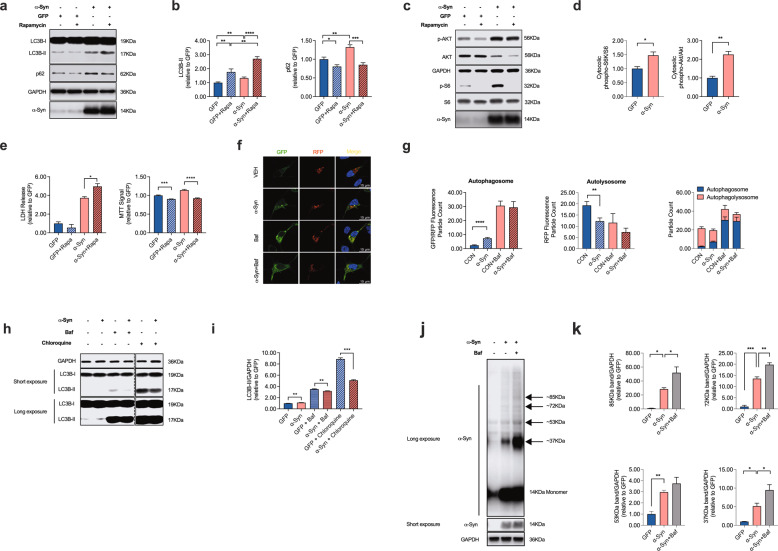
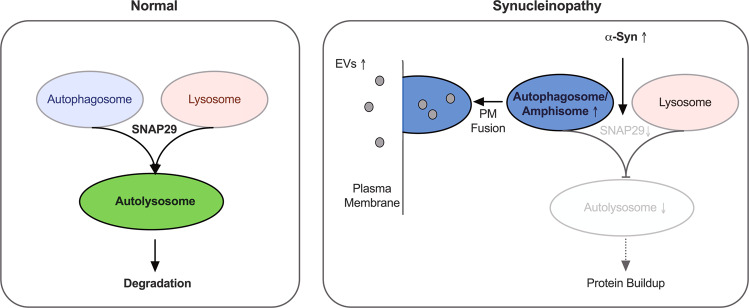
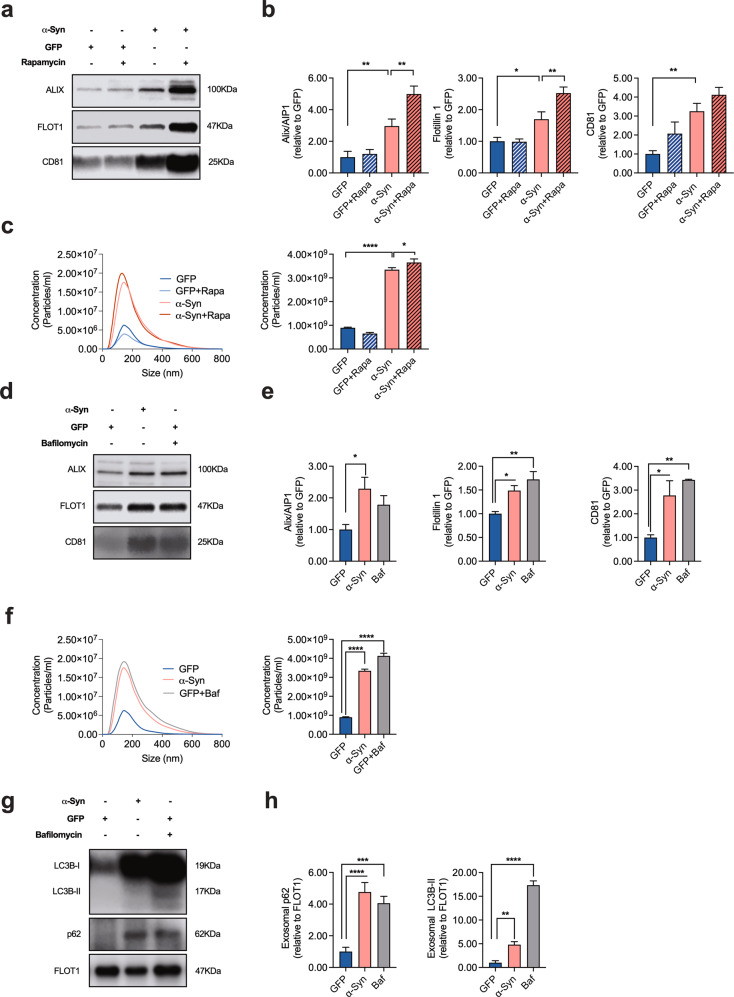
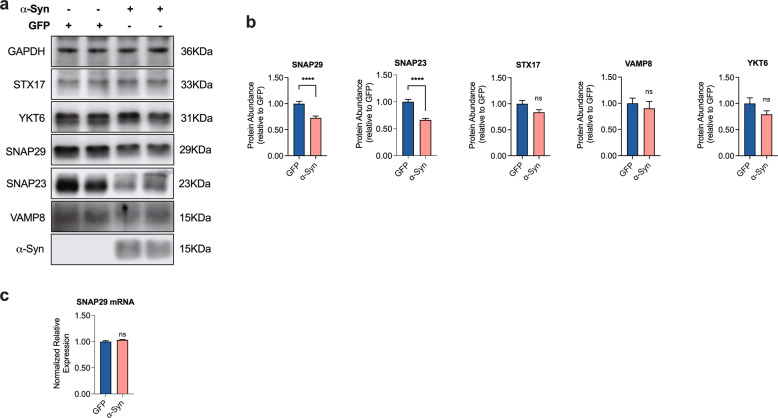
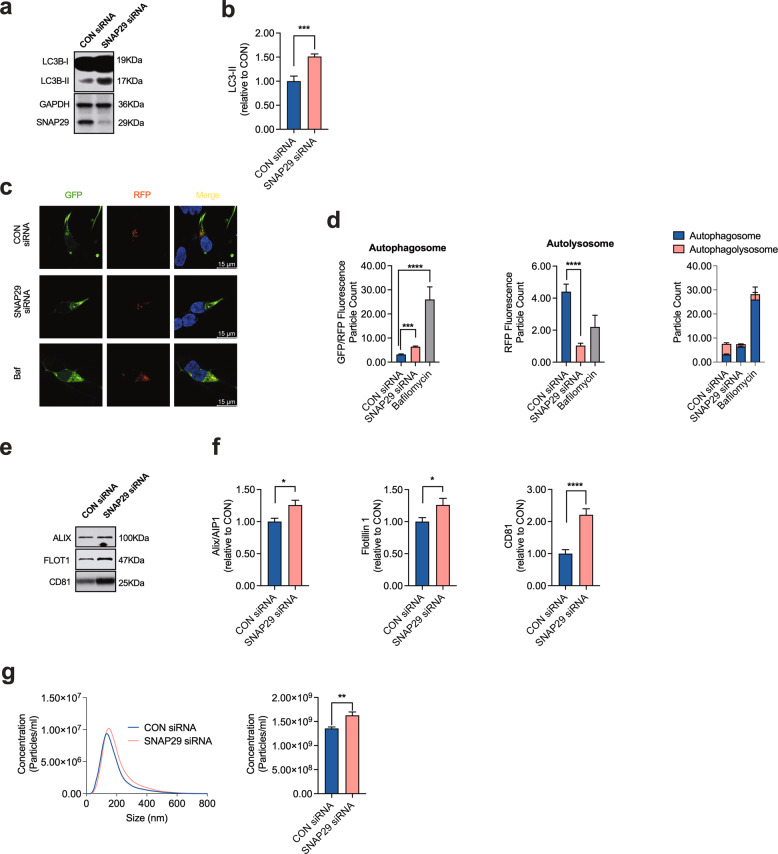
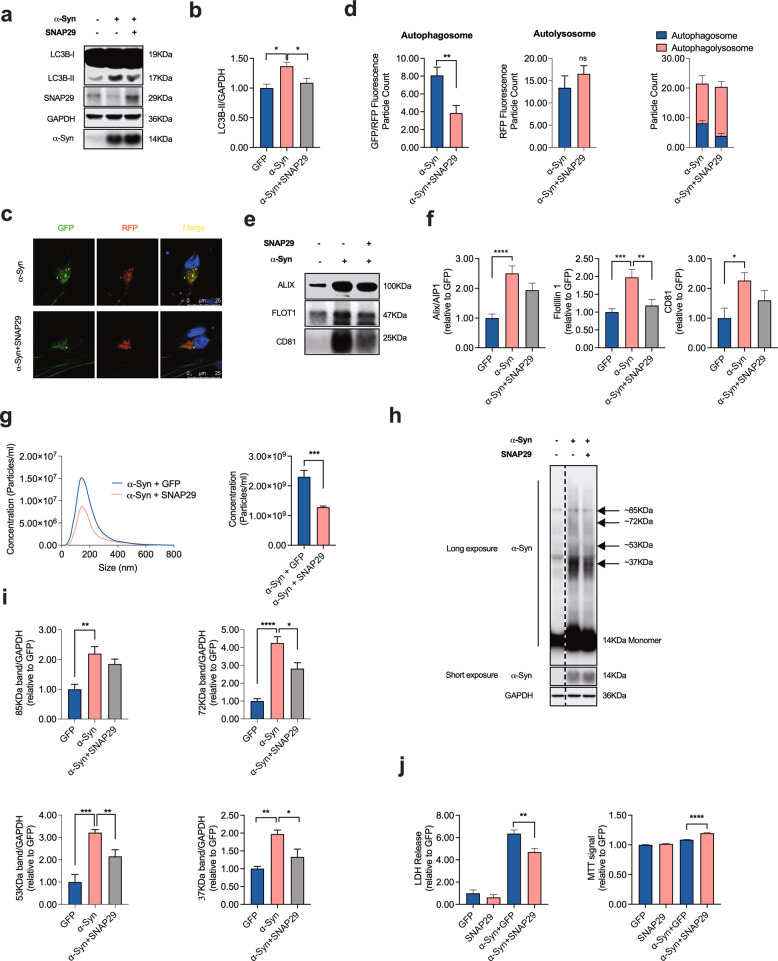
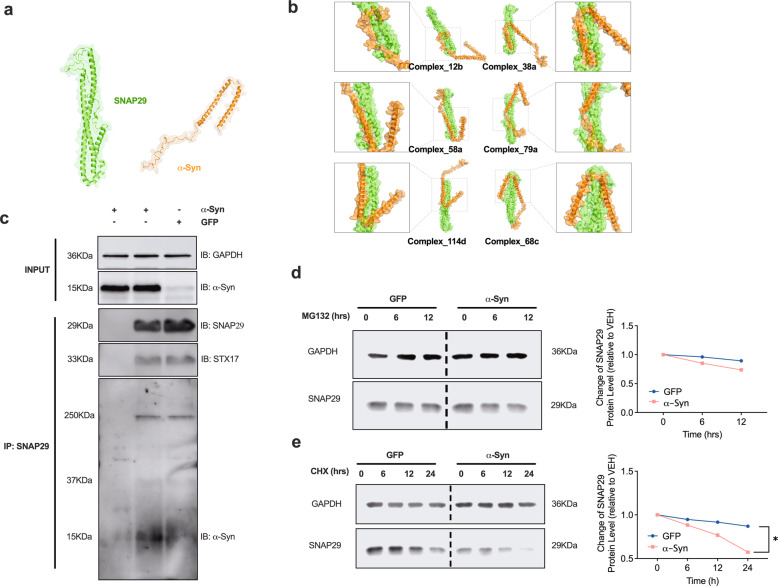
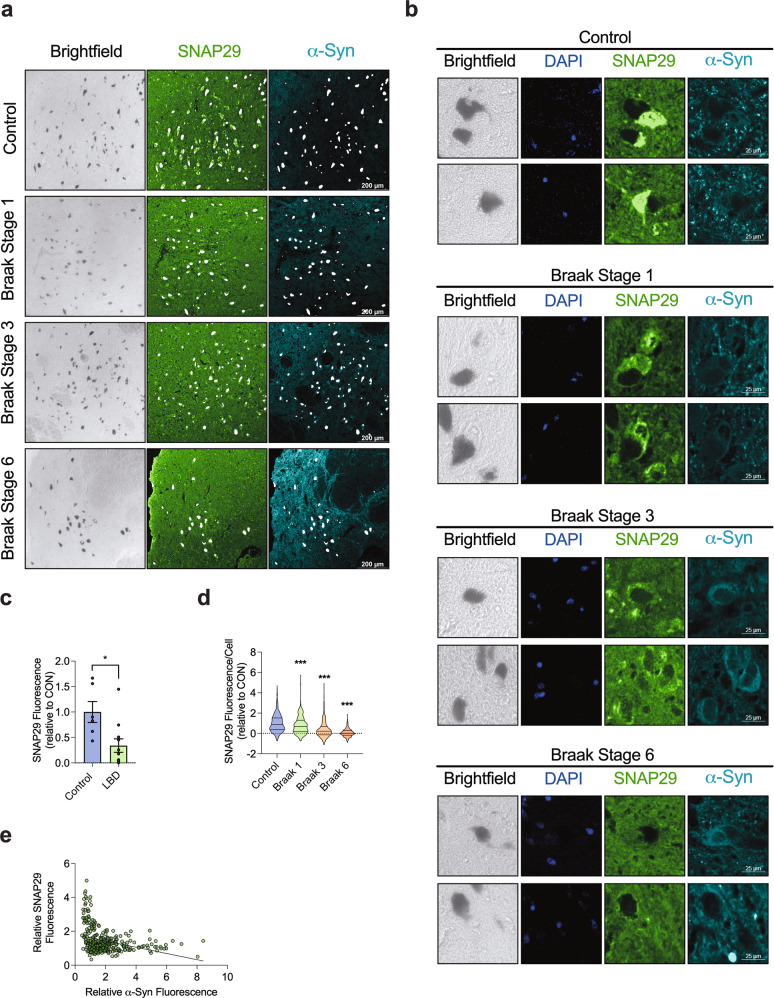
Dopaminergic (DA) cell death in Parkinson's disease (PD) is associated with the gradual appearance of neuronal protein aggregates termed Lewy bodies (LBs) that are comprised of vesicular membrane structures and dysmorphic organelles in conjunction with the protein alpha-Synuclein (α-Syn). Although the exact mechanism of neuronal aggregate formation and death remains elusive, recent research suggests α-Syn-mediated alterations in the lysosomal degradation of aggregated proteins and organelles - a process termed autophagy. Here, we used a combination of molecular biology and immunochemistry to investigate the effect of α-Syn on autophagy turnover in cultured human DA neurons and in human post-mortem brain tissue. We found α-Syn overexpression to reduce autophagy turnover by compromising the fusion of autophagosomes with lysosomes, thus leading to a decrease in the formation of autolysosomes. In accord with a compensatory increase in the plasma membrane fusion of autophagosomes, α-Syn enhanced the number of extracellular vesicles (EV) and the abundance of autophagy-associated proteins in these EVs. Mechanistically, α-Syn decreased the abundance of the v-SNARE protein SNAP29, a member of the SNARE complex mediating autophagolysosome fusion. In line, SNAP29 knockdown mimicked the effect of α-Syn on autophagy whereas SNAP29 co-expression reversed the α-Syn-induced changes on autophagy turnover and EV release and ameliorated DA neuronal cell death. In accord with our results from cultured neurons, we found a stage-dependent reduction of SNAP29 in SNc DA neurons from human post-mortem brain tissue of Lewy body pathology (LBP) cases. In summary, our results thus demonstrate a previously unknown effect of α-Syn on intracellular autophagy-associated SNARE proteins and, as a consequence, a reduced autolysosome fusion. As such, our findings will therefore support the investigation of autophagy-associated pathological changes in PD.
帕金森病 (PD) 中的多巴胺能 (DA) 细胞死亡与神经元蛋白聚集体的逐渐出现有关,这些聚集体被称为路易体 (LBs),由囊泡膜结构和形态异常的细胞器与蛋白α-突触核蛋白 (α-Syn) 组成。尽管神经元聚集体形成和死亡的确切机制仍不清楚,但最近的研究表明,α-Syn 介导的溶酶体降解聚集蛋白和细胞器的改变 - 这个过程被称为自噬。在这里,我们使用分子生物学和免疫化学相结合的方法来研究 α-Syn 对培养的人 DA 神经元和人死后脑组织中自噬周转率的影响。我们发现 α-Syn 过表达通过损害自噬体与溶酶体的融合来降低自噬周转率,从而导致自噬溶酶体形成减少。与自噬体的质膜融合的代偿性增加一致,α-Syn 增加了细胞外囊泡 (EV) 的数量和这些 EV 中与自噬相关的蛋白质的丰度。从机制上讲,α-Syn 降低了 v-SNARE 蛋白 SNAP29 的丰度,SNAP29 是介导自噬溶酶体融合的 SNARE 复合物的成员。一致地,SNAP29 敲低模拟了 α-Syn 对自噬的作用,而 SNAP29 共表达逆转了 α-Syn 诱导的自噬周转率和 EV 释放的变化,并改善了 DA 神经元细胞死亡。与我们从培养神经元中获得的结果一致,我们发现人死后脑 SNc DA 神经元中的 SNAP29 随着路易体病理学 (LBP) 病例的发展而呈阶段依赖性减少。总之,我们的结果表明,α-Syn 对细胞内与自噬相关的 SNARE 蛋白具有以前未知的影响,因此自噬溶酶体融合减少。因此,我们的发现将支持对 PD 中与自噬相关的病理变化的研究。