Zhu Zhaoming, Chen Tingting, Wang Zhuxian, Xue Yaqi, Wu Wenfeng, Wang Yuan, Du Qunqun, Wu Yufan, Zeng Quanfu, Jiang Cuiping, Shen Chunyan, Liu Li, Zhu Hongxia, Liu Qiang
School of Traditional Chinese Medicine, Southern Medical University, Guangzhou, China.
Integrated Hospital of Traditional Chinese Medicine, Southern Medical University, Guangzhou, China.
Front Pharmacol. 2021 Sep 1;12:700696. doi: 10.3389/fphar.2021.700696. eCollection 2021.
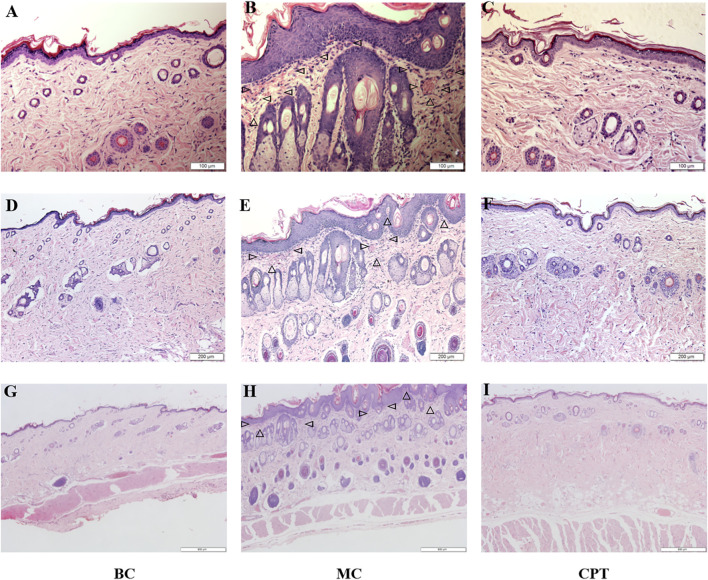
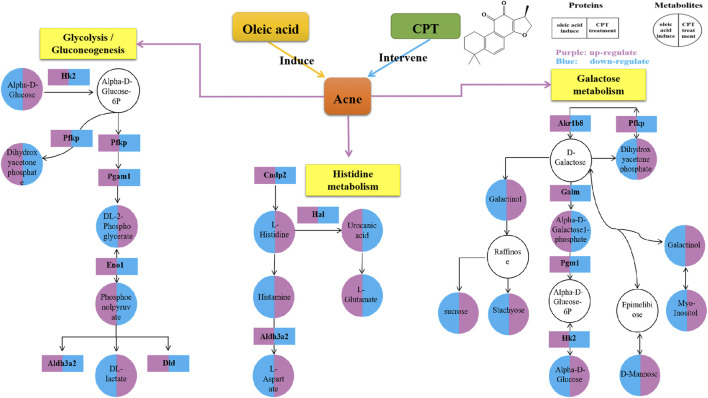
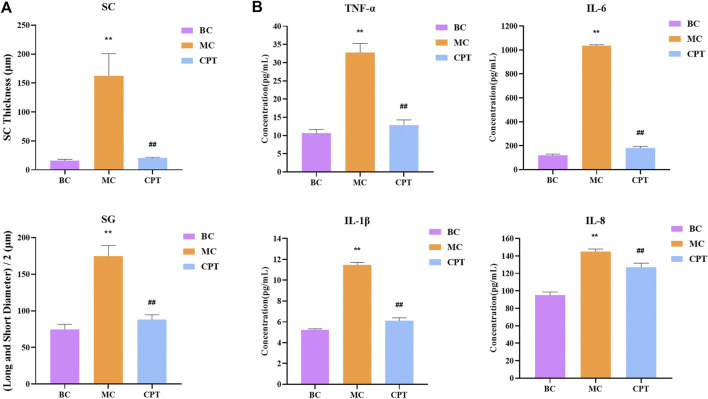
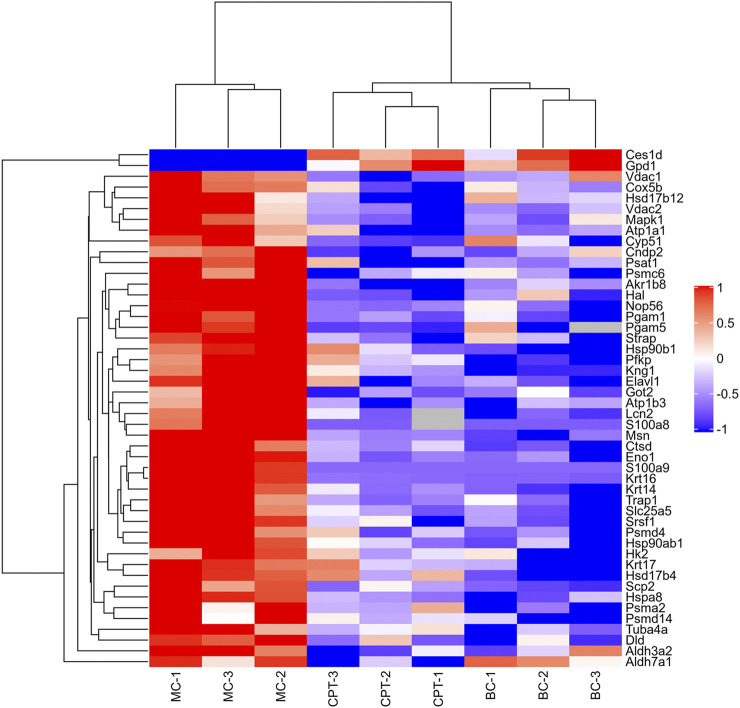
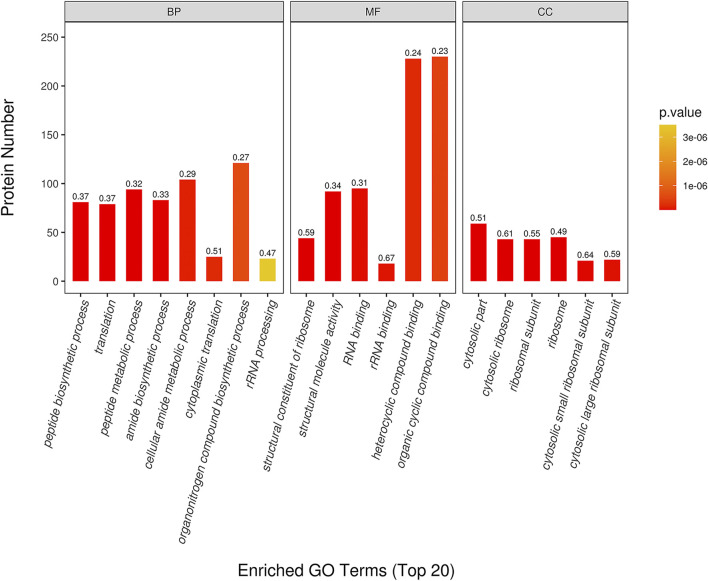
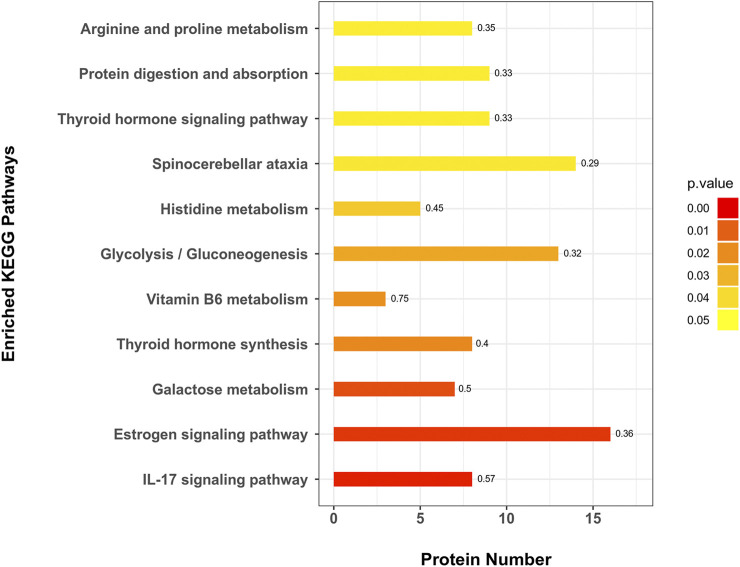
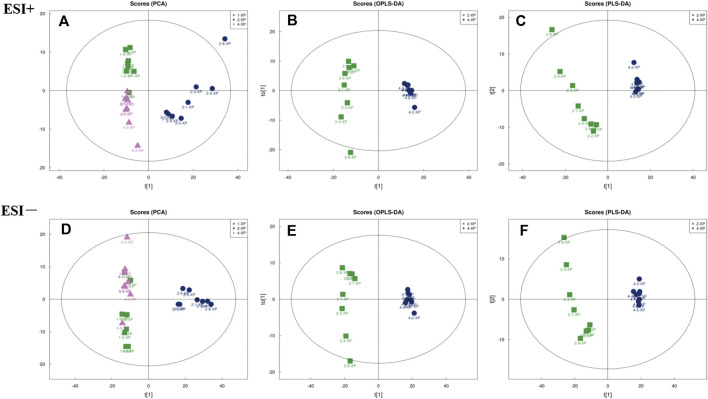
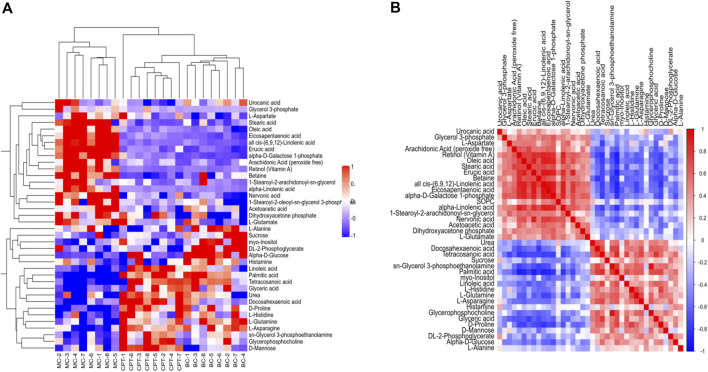
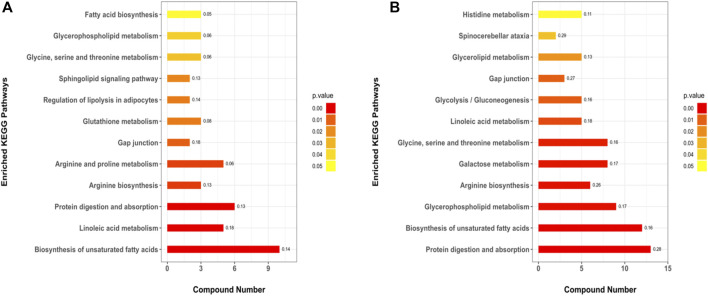
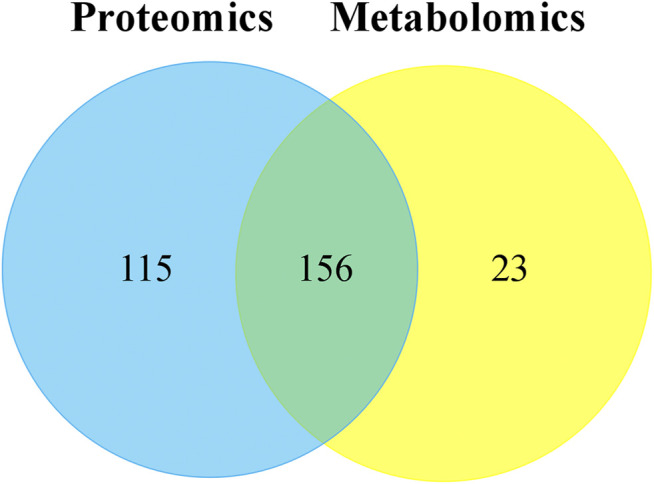
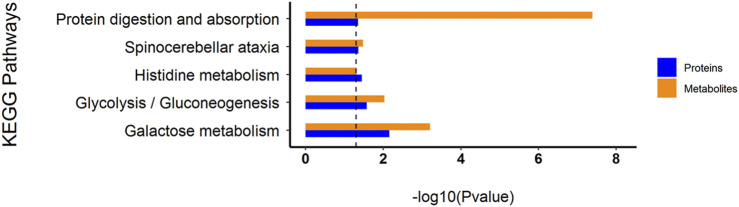
The label-free methods of proteomic combined with metabolomics were applied to explore the mechanisms of Cryptotanshinone (CPT) intervention in rats with acne. The model group consisted of rats given oleic acid (MC), then treated with CPT, while control groups did not receive treatment. The skin samples were significantly different between control, model and CPT-treated groups in hierarchical clustering dendrogram. Obvious separations of the skin metabolic profiles from the three groups were found through PCA scoring. In total, 231 and 189 differentially expressed proteins (DEPs) were identified in MC and CPT groups, respectively. By the KEGG analysis, five protein and metabolite pathways were found to be significantly altered. These played important roles in response to oleic acid-induced acne and drug treatment. CPT could negatively regulate glycolysis/gluconeogenesis and histidine metabolisms to decrease keratinocyte differentiation and improve excessive keratinization and cellular barrier function. CPT could down-regulate the IL-17 signaling pathway and regulate the acne-driven immune response of sebum cells. The biosynthesis of unsaturated fatty acids metabolism, glycerophospholipid metabolism and linoleic acid pathways could significantly alter sebum production and control sebaceous gland secretion after CPT treatment. The gap junction was up-regulated after CPT treatment and the skin barrier turned back to normal. Krt 14, Krt 16 and Krt 17 were significantly down-regulated, decreasing keratinization, while inflammatory cell infiltration was improved by down-regulation of Msn, up-regulation of linoleic acid and estrogen pathways after CPT treatment. These results propose action mechanisms for the use of CPT in acne, as a safe and potential new drug.
采用蛋白质组学与代谢组学相结合的无标记方法,探讨隐丹参酮(CPT)干预大鼠痤疮的机制。模型组大鼠给予油酸(MC),然后用CPT治疗,而对照组不接受治疗。在层次聚类树状图中,对照组、模型组和CPT治疗组的皮肤样本存在显著差异。通过主成分分析(PCA)评分发现三组皮肤代谢谱有明显分离。总共在MC组和CPT组中分别鉴定出231个和189个差异表达蛋白(DEP)。通过KEGG分析,发现五条蛋白质和代谢物途径有显著改变。这些途径在应对油酸诱导的痤疮和药物治疗中起重要作用。CPT可负向调节糖酵解/糖异生和组氨酸代谢,以减少角质形成细胞分化,改善过度角化和细胞屏障功能。CPT可下调IL-17信号通路,调节痤疮驱动的皮脂细胞免疫反应。CPT治疗后,不饱和脂肪酸代谢、甘油磷脂代谢和亚油酸途径的生物合成可显著改变皮脂生成并控制皮脂腺分泌。CPT治疗后缝隙连接上调,皮肤屏障恢复正常。Krt 14、Krt 16和Krt 17显著下调,减少角化,而CPT治疗后通过下调Msn、上调亚油酸和雌激素途径改善炎症细胞浸润。这些结果提出了CPT作为一种安全且有潜力的新药用于治疗痤疮的作用机制。