Ramey Stacey R, Merlino Barr Stephanie, Moore Katie A, Groh-Wargo Sharon
MetroHealth Medical Center, Case Western Reserve University, Cleveland, OH, United States.
School of Medicine, Case Western Reserve University, Cleveland, OH, United States.
Front Nutr. 2021 Sep 3;8:692600. doi: 10.3389/fnut.2021.692600. eCollection 2021.
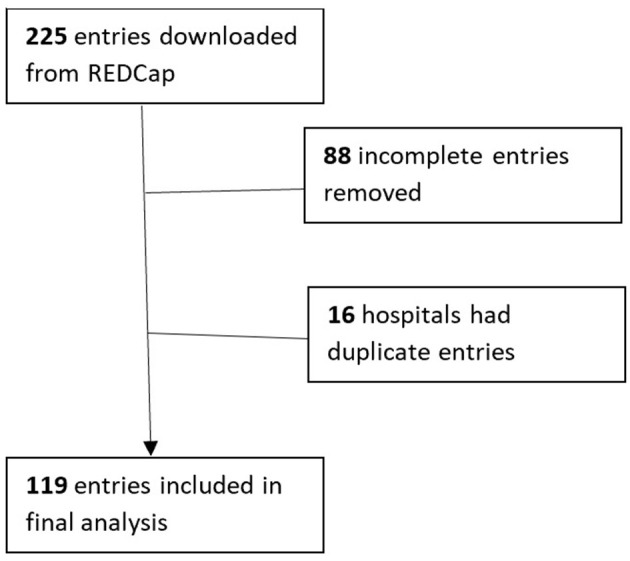
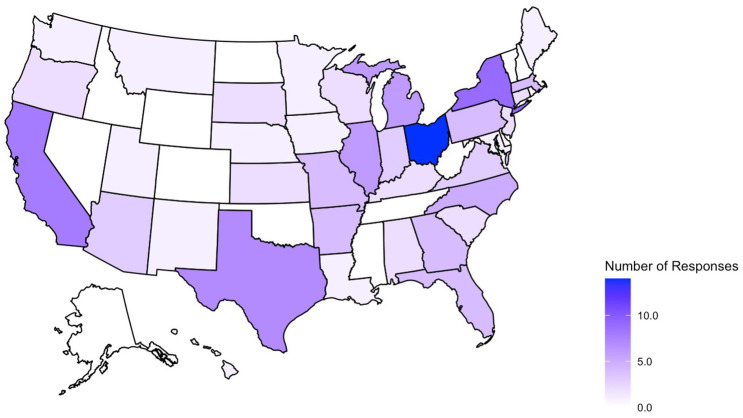
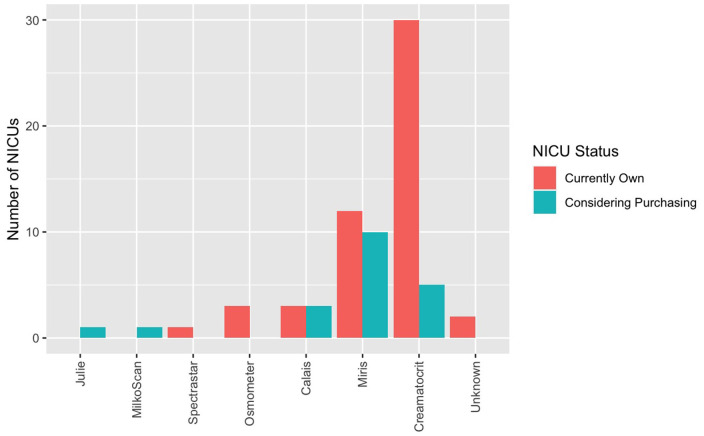
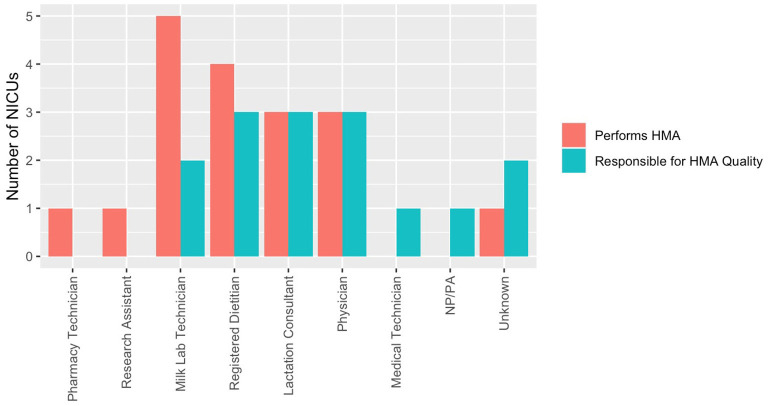
Human milk (HM) is the ideal enteral feeding for nearly all infants and offers unique benefits to the very low birthweight (VLBW) infant population. It is a challenge to meet the high nutrient requirements of VLBW infants due to the known variability of HM composition. Human milk analysis (HMA) assesses the composition of HM and allows for individualized fortification. Due to recent U.S. Food and Drug Administration (FDA) approval, it has relatively recent availability for clinical use in the US. To identify current practices of HMA and individualized fortification in neonatal intensive care units (NICUs) across the United States (US) and to inform future translational research efforts implementing this nutrition management method. An institutional review board (IRB) approved survey was created and collected data on the following subjects such as NICU demographics, feeding practices, HM usage, HM fortification practices, and HMA practices. It was distributed from 10/30-12/21/2020 online pediatric nutrition groups and listservs selected to reach the intended audience of NICU dietitians and other clinical staff. Each response was assessed prior to inclusion, and descriptive analysis was performed. About 225 survey responses were recorded during the survey period with 119 entries included in the analysis. This represented 36 states and Washington D.C., primarily from level III and IV NICUs. HMA was reported in 11.8% of responding NICUs. The most commonly owned technology for HMA is the Creamatocrit Plus TM (EKF Diagnostics), followed by the HM Analyzer by Miris (Uppsala, Sweden). In NICUs practicing HMA, 84.6% are doing so clinically. Feeding guidelines and fortification of HM remain standard of care, and interest in HMA was common in this survey. Despite the interest, very few NICUs are performing HMA and individualized fortification. Barriers identified include determining who should receive individualized fortification and how often, collecting a representative sample, and the cost and personnel required. Human milk analysis and individualized fortification are emerging practices within NICUs in the US. Few are using it in the clinical setting with large variation in execution among respondents and many logistical concerns regarding implementation. Future research may be beneficial to evaluate how practices change as HMA and individualized fortification gain popularity and become more commonly used in the clinical setting.
母乳是几乎所有婴儿的理想肠内喂养方式,对极低出生体重(VLBW)婴儿群体具有独特益处。由于母乳成分存在已知的变异性,满足VLBW婴儿的高营养需求是一项挑战。母乳分析(HMA)可评估母乳成分并实现个性化强化。由于最近获得美国食品药品监督管理局(FDA)批准,它在美国临床应用的时间相对较短。目的是确定美国各地新生儿重症监护病房(NICU)中HMA和个性化强化的当前做法,并为未来实施这种营养管理方法的转化研究工作提供信息。创建了一项经机构审查委员会(IRB)批准的调查,并收集了以下主题的数据,如NICU的人口统计学、喂养方式、母乳使用情况、母乳强化做法和HMA做法。该调查于2020年10月30日至12月21日通过在线儿科营养小组和邮件列表进行分发,这些小组和列表的选择旨在覆盖NICU营养师和其他临床工作人员这一目标受众。每份回复在纳入前都经过评估,并进行了描述性分析。在调查期间记录了约225份调查回复,其中119份记录纳入分析。这代表了36个州和华盛顿特区,主要来自三级和四级NICU。11.8%的回复NICU报告进行了HMA。最常用的HMA技术是Creamatocrit Plus TM(EKF诊断公司),其次是Miris公司(瑞典乌普萨拉)的母乳分析仪。在进行HMA的NICU中,84.6%是在临床实践中进行。母乳喂养指南和母乳强化仍然是护理标准,并且在本次调查中对HMA的兴趣很普遍。尽管有兴趣,但很少有NICU进行HMA和个性化强化。确定的障碍包括确定谁应接受个性化强化以及频率如何、收集具有代表性的样本以及所需的成本和人员。母乳分析和个性化强化是美国NICU中正在兴起的做法。很少有人在临床环境中使用它,受访者之间的执行情况差异很大,并且在实施方面存在许多后勤问题。未来的研究可能有助于评估随着HMA和个性化强化越来越受欢迎并在临床环境中更广泛使用,做法会如何变化。