Rehabilitation Clinical Trials Center, Division of Respiratory & Critical Care Physiology & Medicine, The Lundquist Institute for Biomedical Innovation at Harbor-UCLA Medical Center, Torrance, CA.
School of Health Sciences, Liverpool Hope University, Liverpool.
Exerc Sport Sci Rev. 2021 Oct 1;49(4):274-283. doi: 10.1249/JES.0000000000000267.
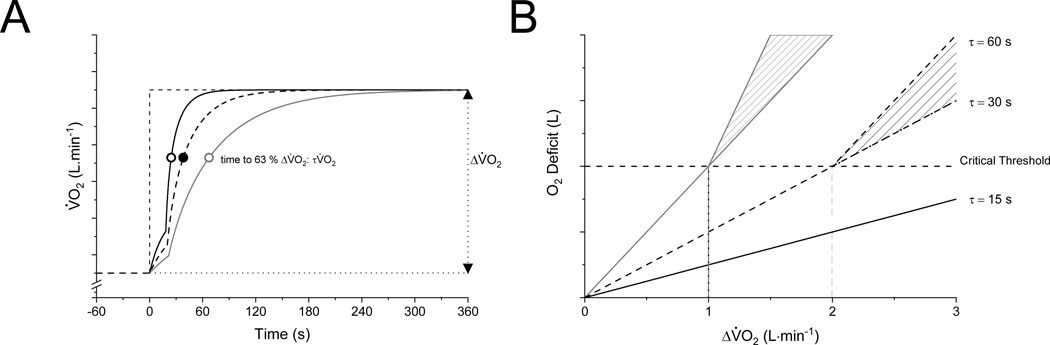
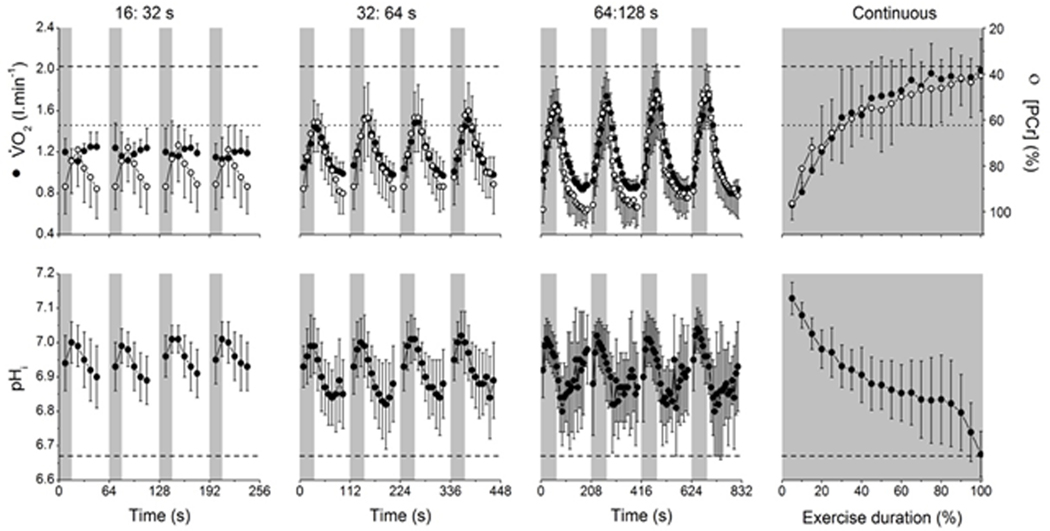
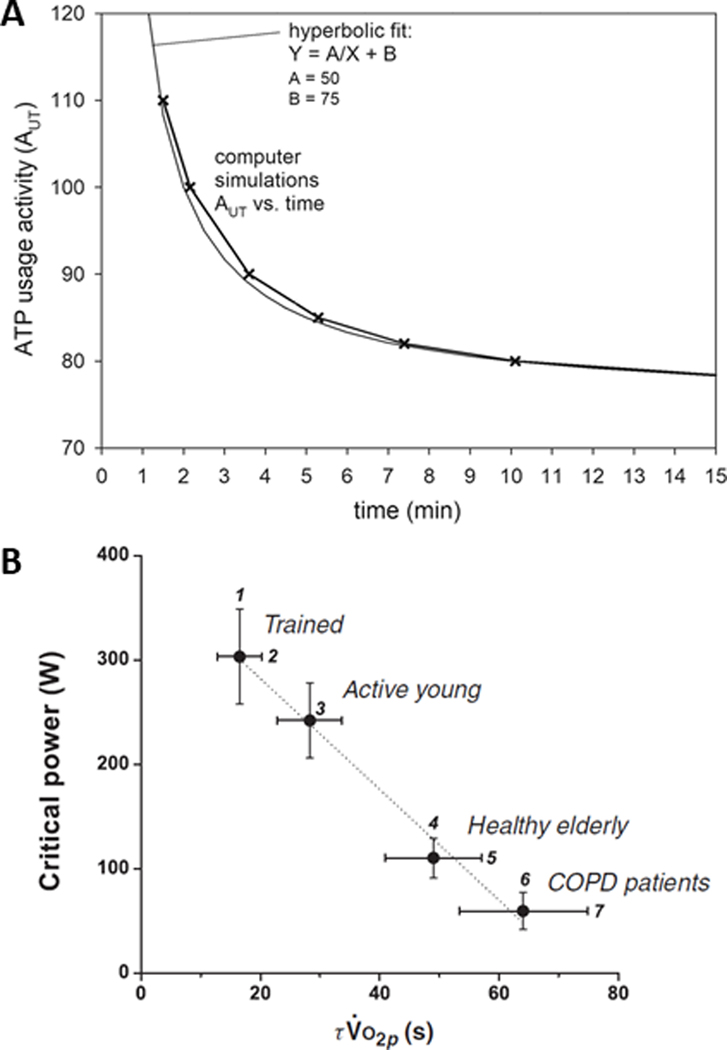
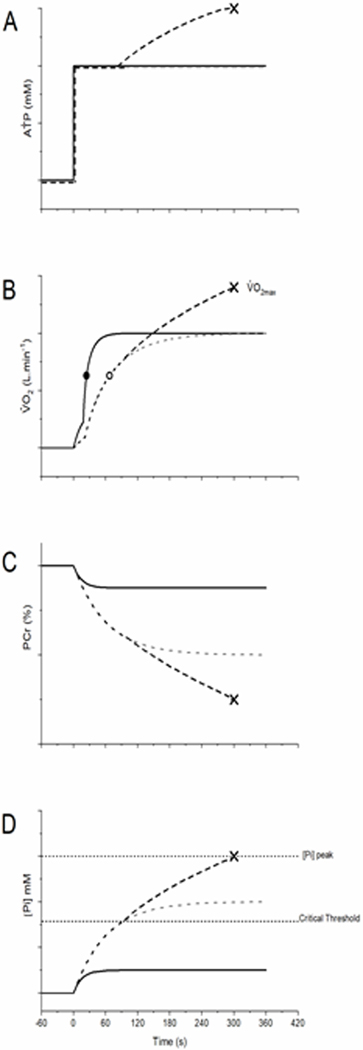
We hypothesize that the V˙O2 time constant (τV˙O2) determines exercise tolerance by defining the power output associated with a "critical threshold" of intramuscular metabolite accumulation (e.g., inorganic phosphate), above which muscle fatigue and work inefficiency are apparent. Thereafter, the V˙O2 "slow component" and its consequences (increased pulmonary, circulatory, and neuromuscular demands) determine performance limits.
我们假设,V˙O2 时间常数(τV˙O2)通过定义与肌肉内代谢物积累(例如无机磷)的“临界阈值”相关的功率输出来决定运动耐力,超过该阈值,肌肉疲劳和工作效率明显降低。此后,V˙O2“缓慢成分”及其后果(增加的肺、循环和神经肌肉需求)决定了运动表现的极限。