Liverpool School of Tropical Medicine, Liverpool, United Kingdom.
Institute of Integrative Biology, University of Liverpool, Liverpool, United Kingdom.
PLoS Negl Trop Dis. 2021 Sep 23;15(9):e0009797. doi: 10.1371/journal.pntd.0009797. eCollection 2021 Sep.
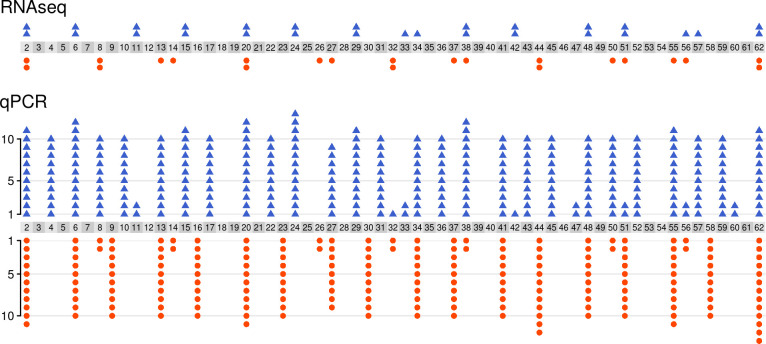
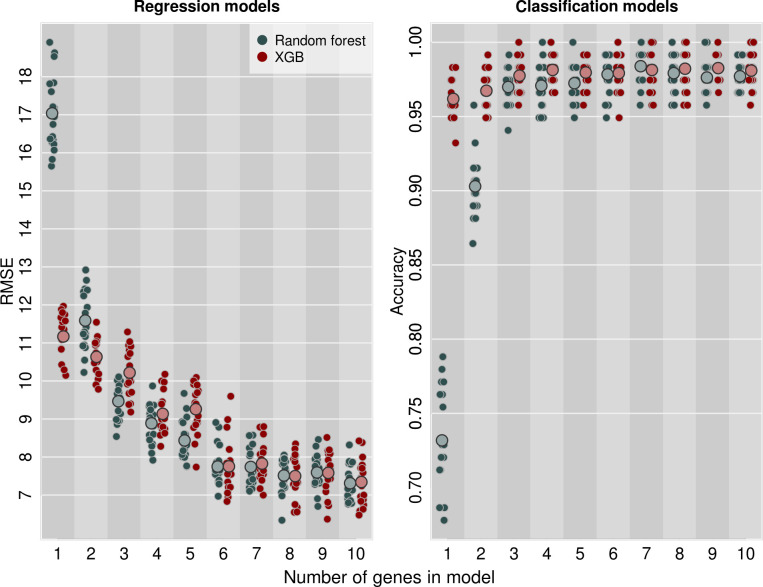
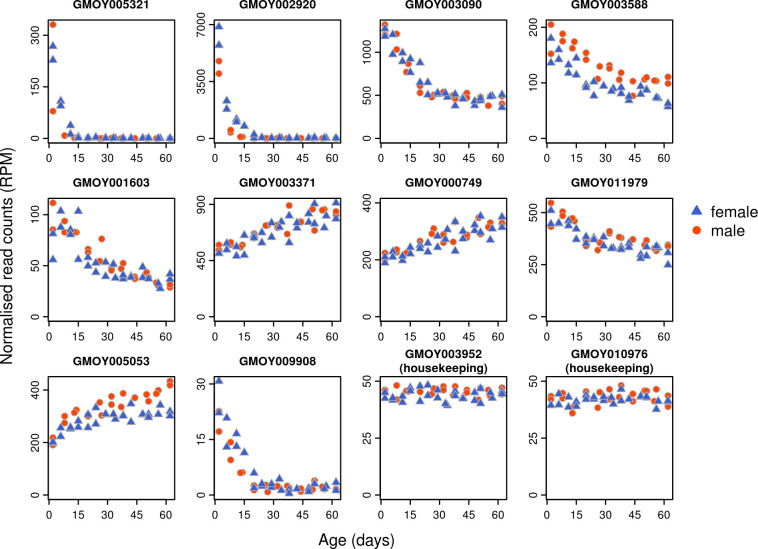
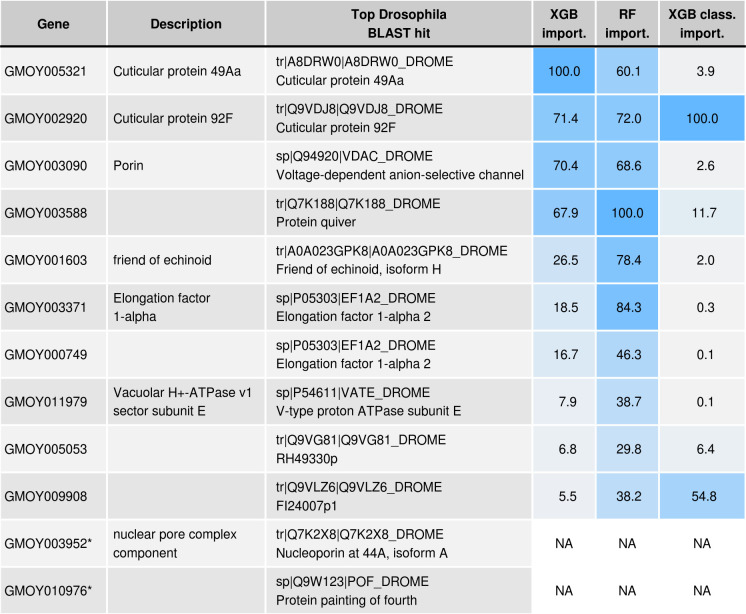
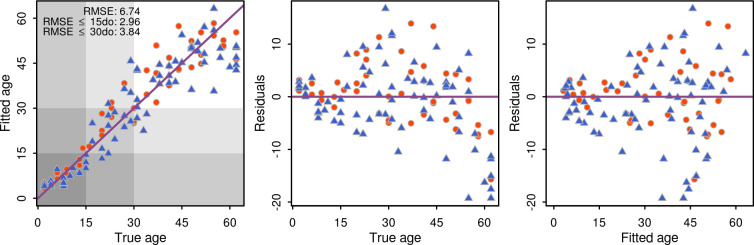
Many vector-borne diseases are controlled by methods that kill the insect vectors responsible for disease transmission. Recording the age structure of vector populations provides information on mortality rates and vectorial capacity, and should form part of the detailed monitoring that occurs in the wake of control programmes, yet tools for obtaining estimates of individual age remain limited. We investigate the potential of using markers of gene expression to predict age in tsetse flies, which are the vectors of deadly and economically damaging African trypanosomiases. We use RNAseq to identify candidate expression markers, and test these markers using qPCR in laboratory-reared Glossina morsitans morsitans of known age. Measuring the expression of six genes was sufficient to obtain a prediction of age with root mean squared error of less than 8 days, while just two genes were sufficient to classify flies into age categories of ≤15 and >15 days old. Further testing of these markers in field-caught samples and in other species will determine the accuracy of these markers in the field.
许多由病媒传播的疾病都可以通过杀死传播疾病的病媒昆虫来进行控制。记录病媒种群的年龄结构可以提供关于死亡率和媒介效能的数据,这应该成为控制项目后详细监测的一部分,但获取个体年龄估计的工具仍然有限。我们研究了利用基因表达标记来预测采采蝇年龄的潜力,采采蝇是致命的和具有经济破坏性的非洲锥虫病的传播媒介。我们使用 RNAseq 来识别候选表达标记,并在实验室饲养的已知年龄的 Glossina morsitans morsitans 中使用 qPCR 来测试这些标记。测量六个基因的表达足以获得 RMS 误差小于 8 天的年龄预测,而仅使用两个基因就足以将苍蝇分为 ≤15 天和 >15 天的年龄组。在野外捕获的样本和其他物种中进一步测试这些标记将确定这些标记在野外的准确性。