Epigenome Dynamics Control Research Center, School of Pharmacy, Sungkyunkwan University, 2066 Seobu-ro, Jangan-gu, Suwon, 16419, Republic of Korea.
Department of Chemistry and Chemical Biology, Rutgers, The State University of New Jersey, 123 Bevier Road, Piscataway, NJ, 08854, USA.
Adv Mater. 2021 Nov;33(45):e2007949. doi: 10.1002/adma.202007949. Epub 2021 Sep 24.
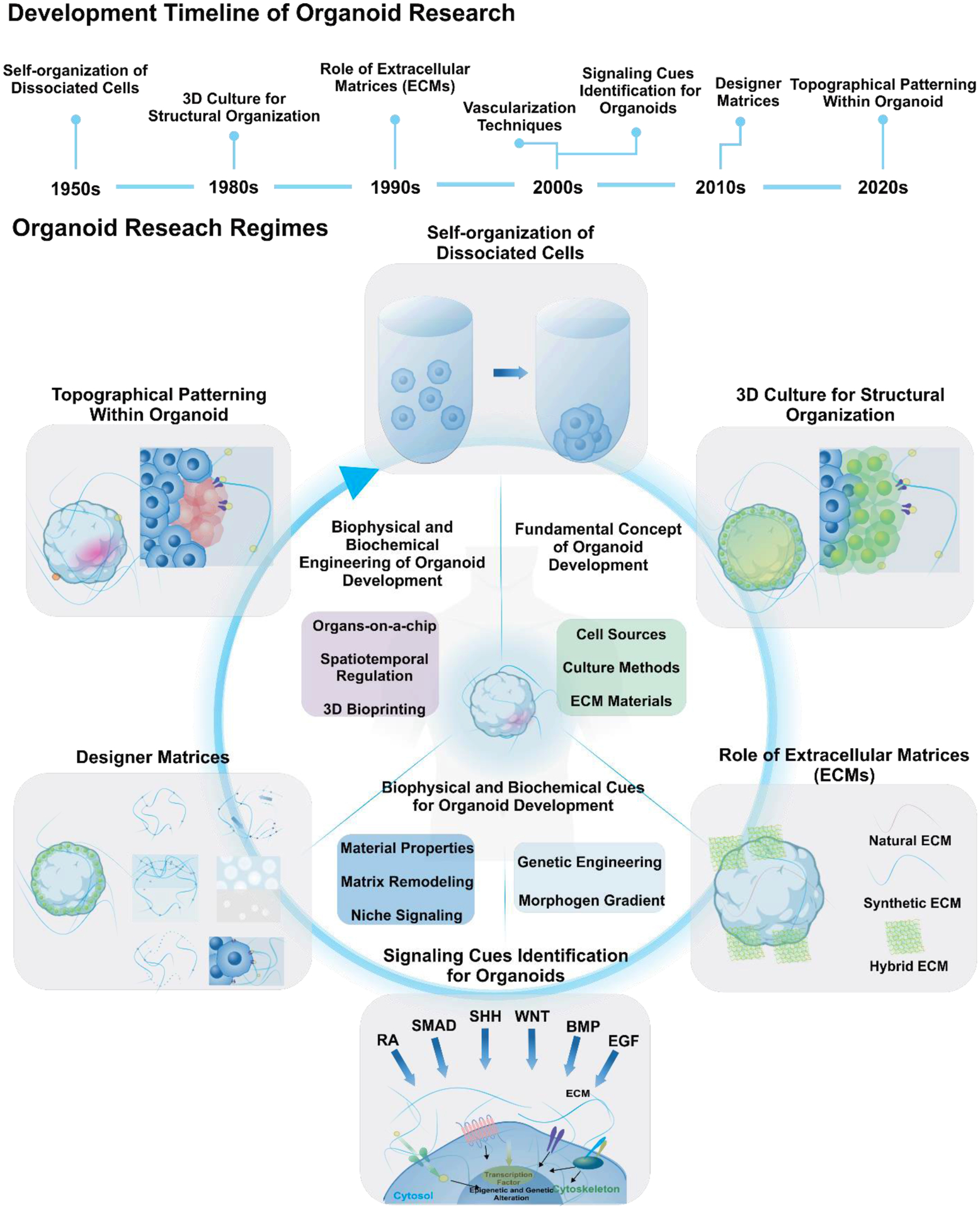
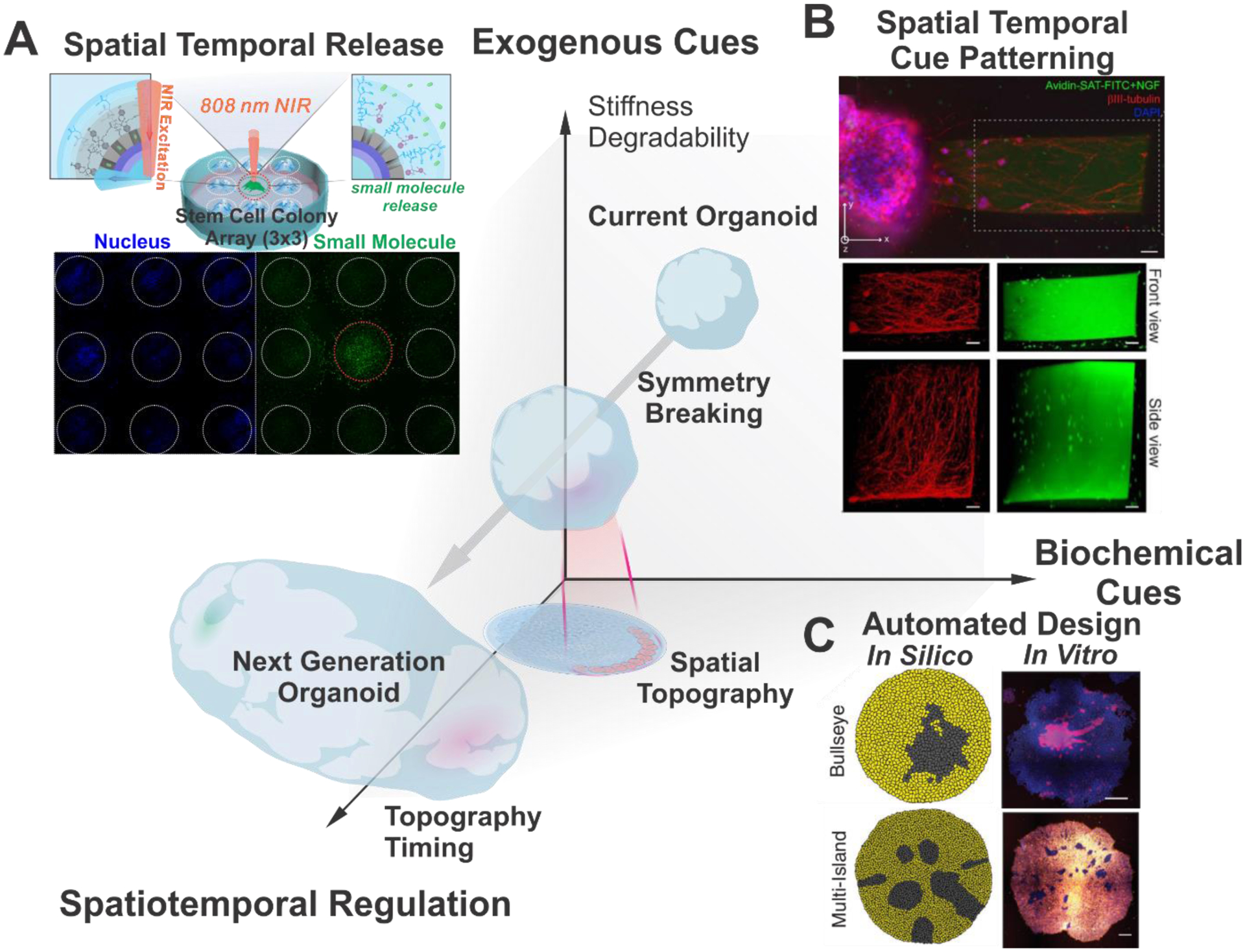
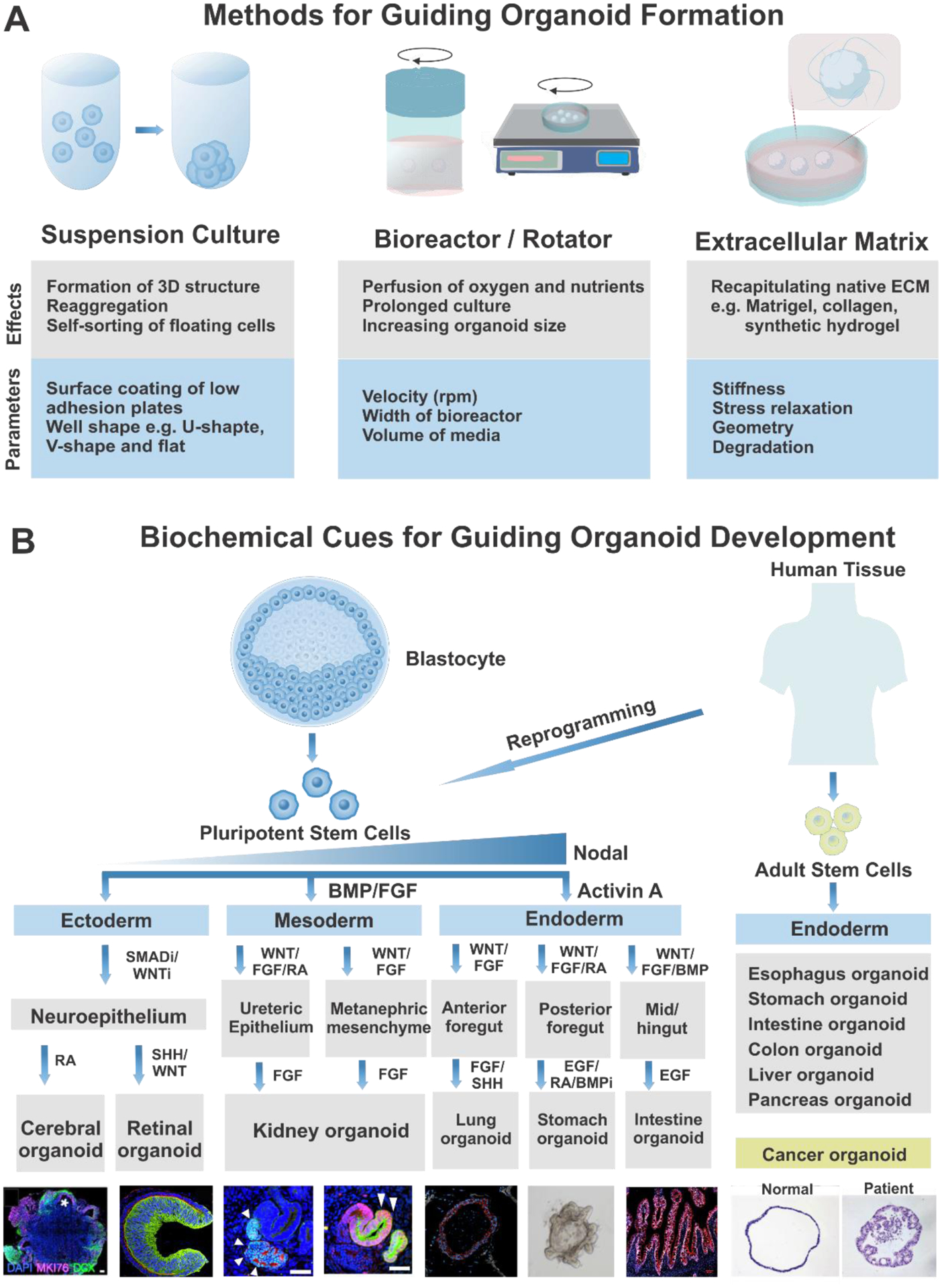
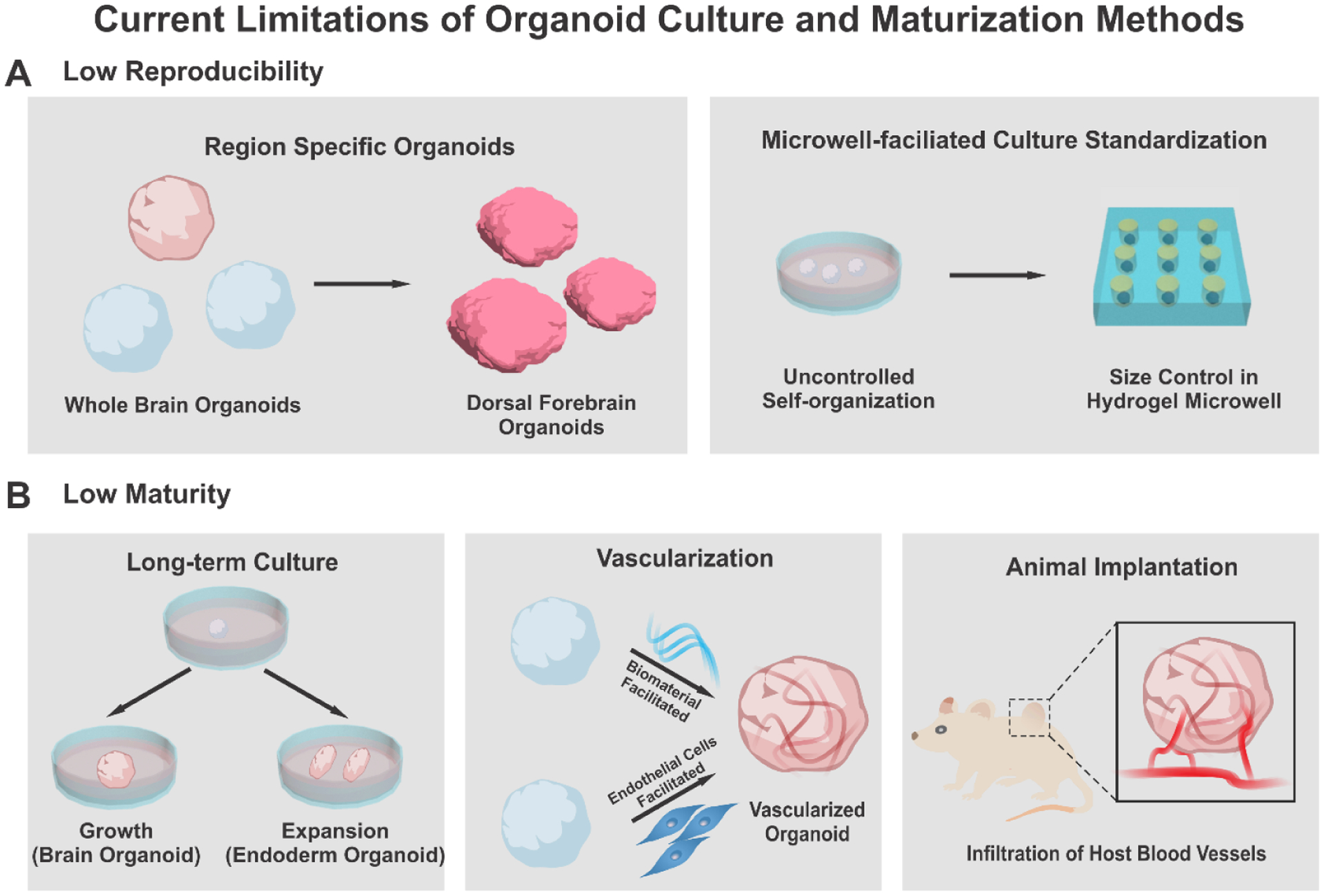
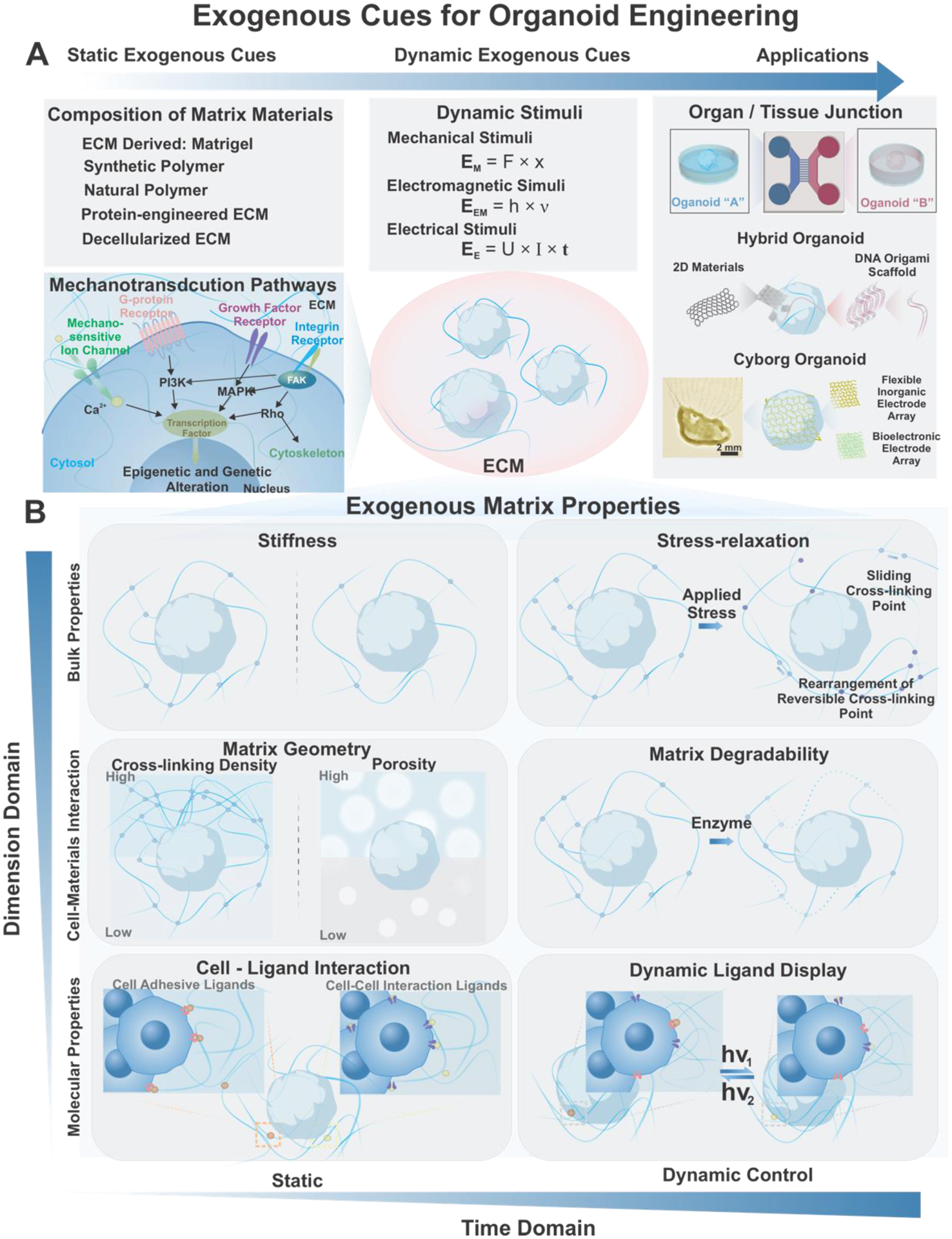
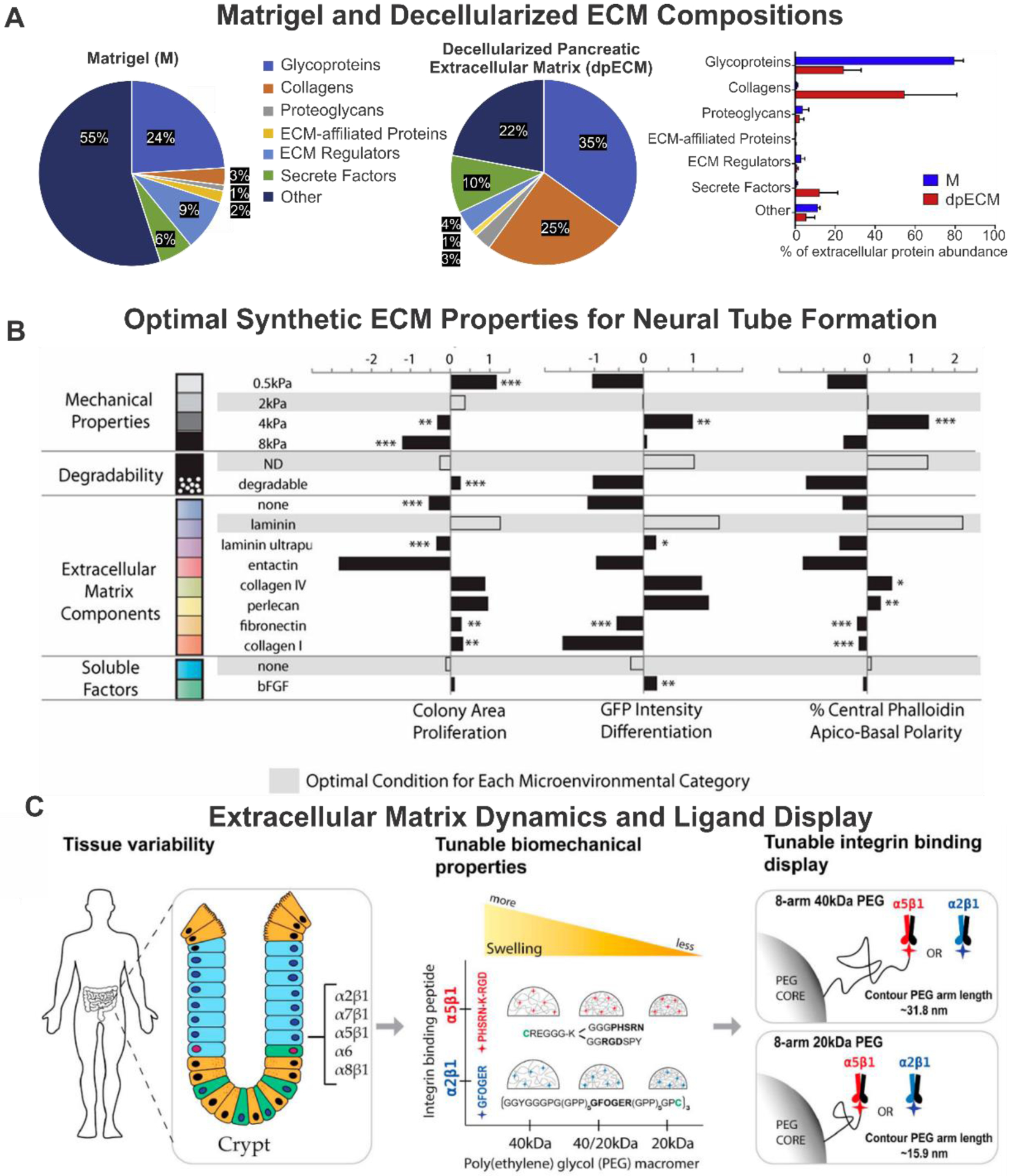
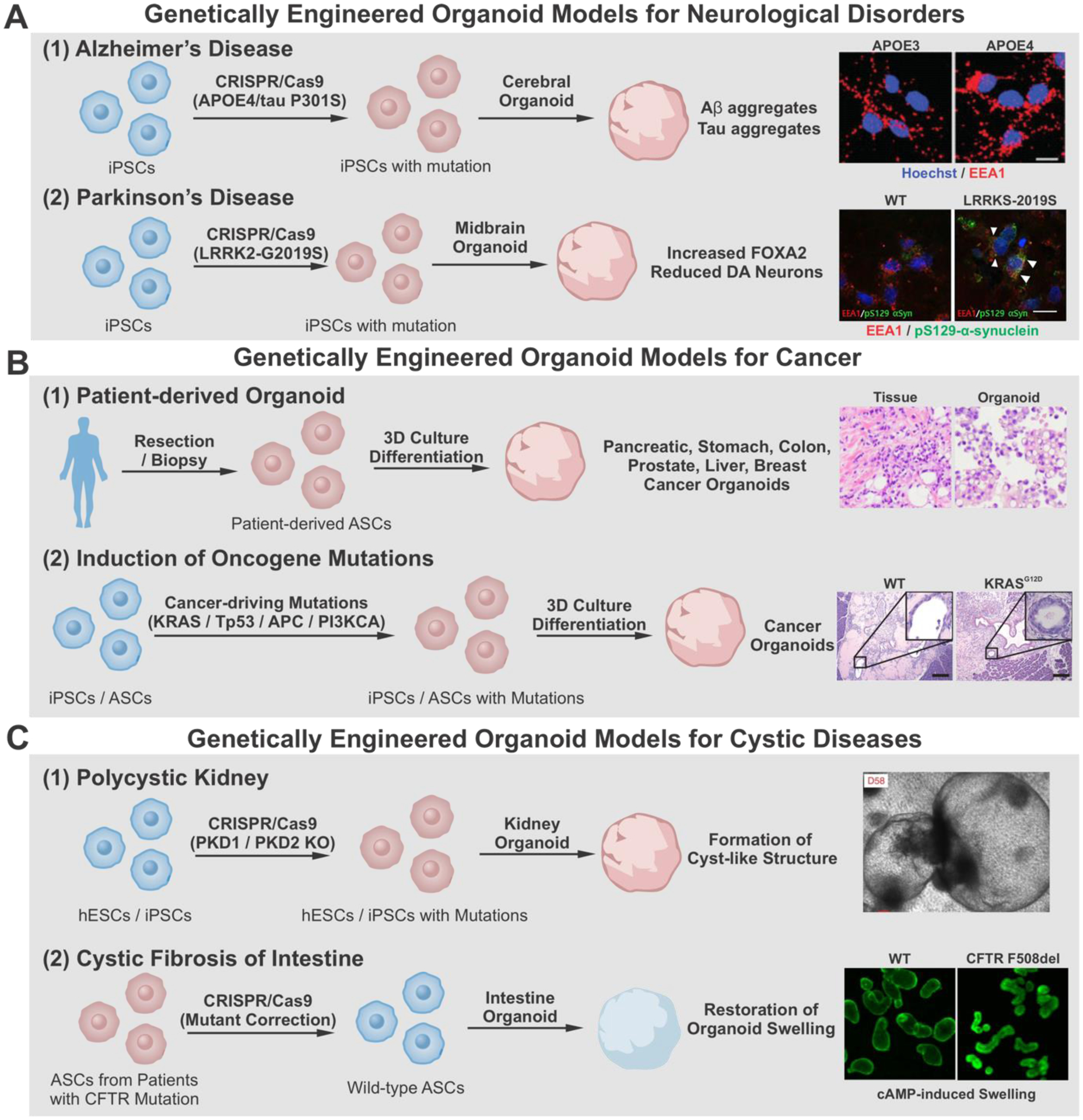
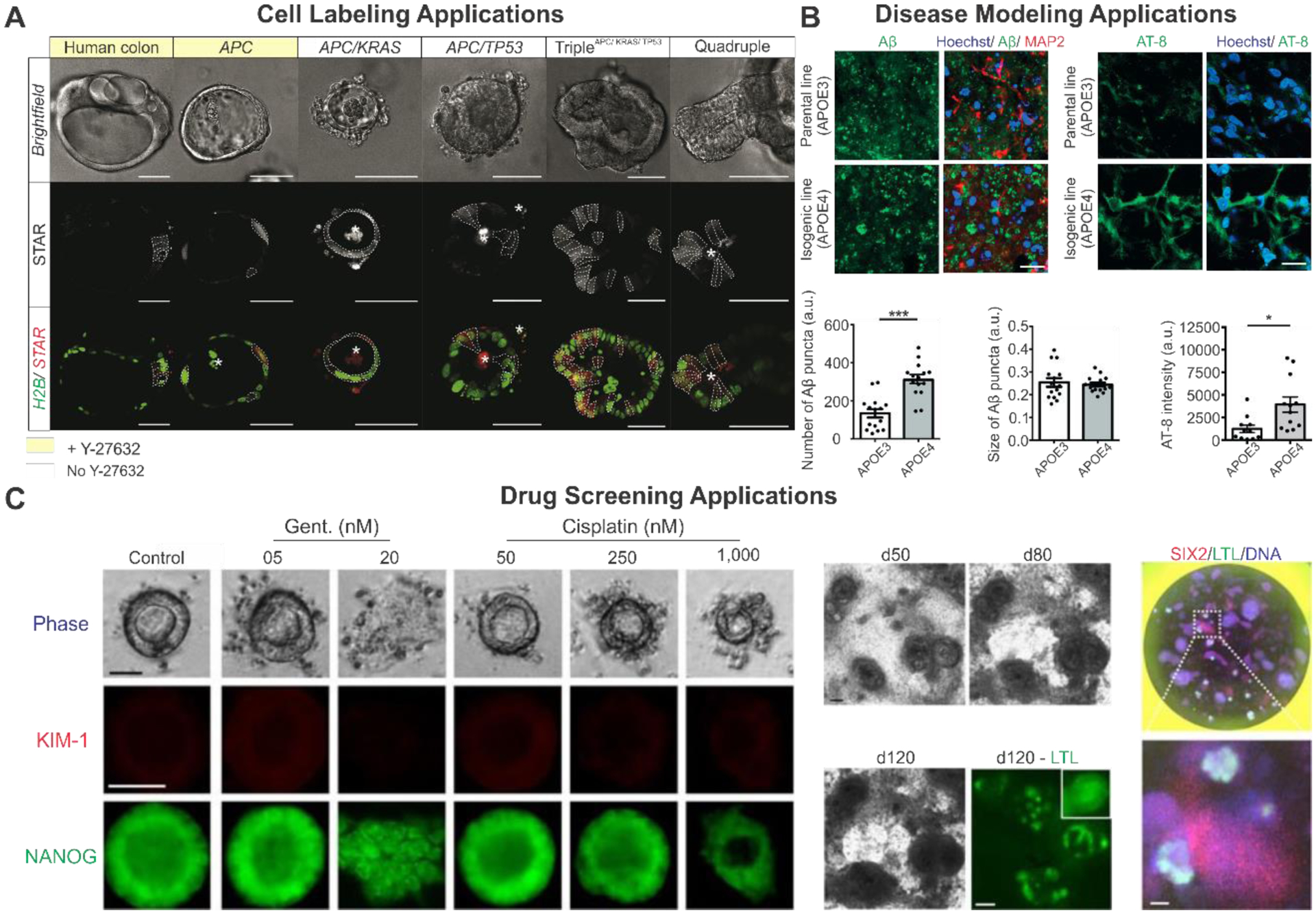
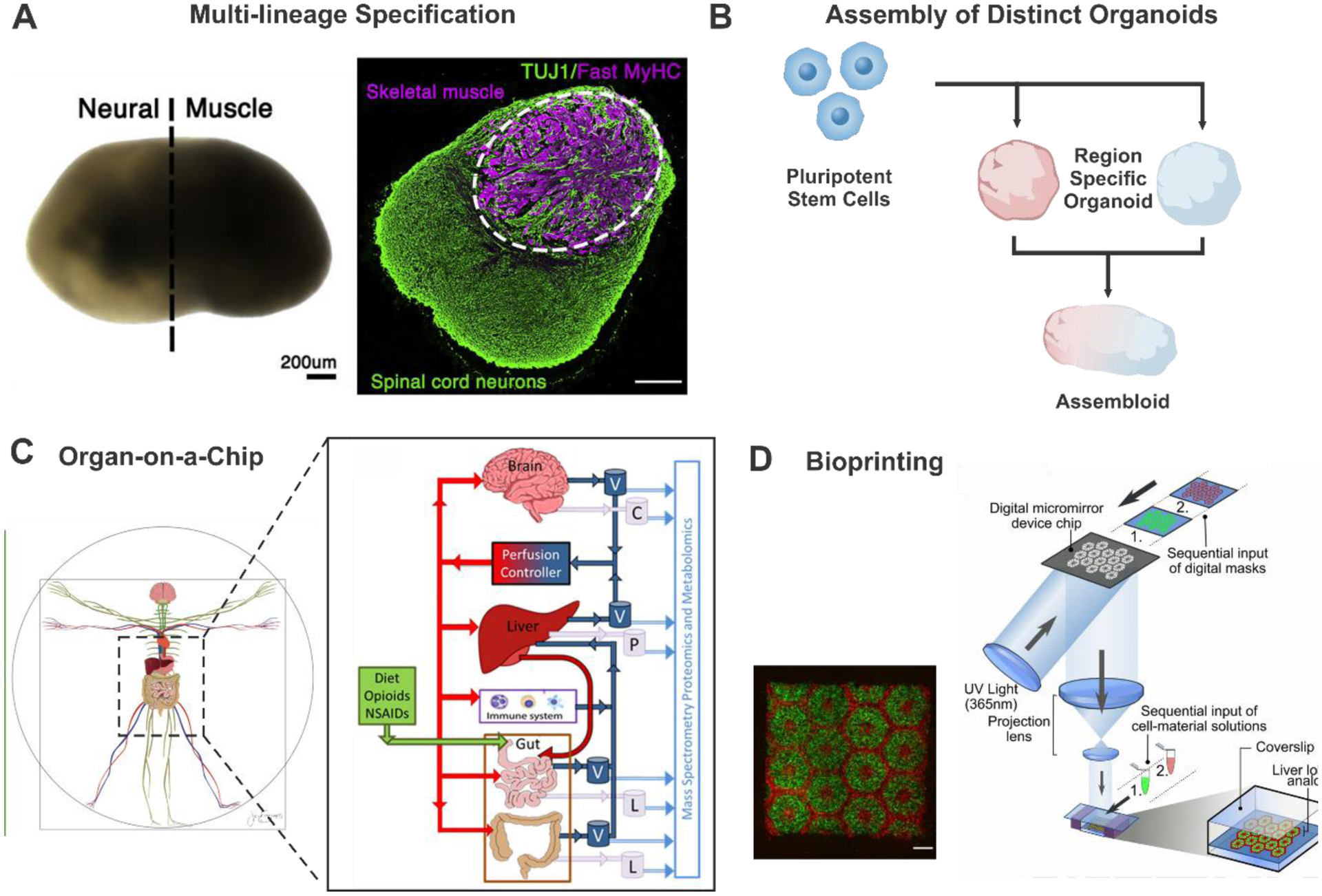
Recent advances in 3D cell culture technology have enabled scientists to generate stem cell derived organoids that recapitulate the structural and functional characteristics of native organs. Current organoid technologies have been striding toward identifying the essential factors for controlling the processes involved in organoid development, including physical cues and biochemical signaling. There is a growing demand for engineering dynamic niches characterized by conditions that resemble in vivo organogenesis to generate reproducible and reliable organoids for various applications. Innovative biomaterial-based and advanced engineering-based approaches have been incorporated into conventional organoid culture methods to facilitate the development of organoid research. The recent advances in organoid engineering, including extracellular matrices and genetic modulation, are comprehensively summarized to pinpoint the parameters critical for organ-specific patterning. Moreover, perspective trends in developing tunable organoids in response to exogenous and endogenous cues are discussed for next-generation developmental studies, disease modeling, and therapeutics.
近年来,3D 细胞培养技术的进步使科学家能够生成干细胞衍生的类器官,这些类器官能够重现天然器官的结构和功能特征。目前的类器官技术正在努力确定控制类器官发育过程中所涉及的基本因素,包括物理线索和生化信号。人们越来越需要构建具有类似于体内器官发生条件的动态小生境,以生成用于各种应用的可重复和可靠的类器官。创新的基于生物材料的和先进的基于工程的方法已经被纳入传统的类器官培养方法中,以促进类器官研究的发展。本文全面总结了类器官工程的最新进展,包括细胞外基质和遗传调控,以确定对器官特异性模式形成至关重要的参数。此外,还讨论了针对下一代发育研究、疾病建模和治疗的对外源和内源线索做出响应的可调类器官的发展趋势。