Mollayeva Tatyana, Mollayeva Shirin, Pacheco Nicole, Colantonio Angela
KITE Toronto Rehabilitation Institute University Health Network, Toronto, ON, Canada.
Rehabilitation Sciences Institute, Faculty of Medicine, University of Toronto, Toronto, ON, Canada.
Front Neurol. 2021 Sep 10;12:678971. doi: 10.3389/fneur.2021.678971. eCollection 2021.
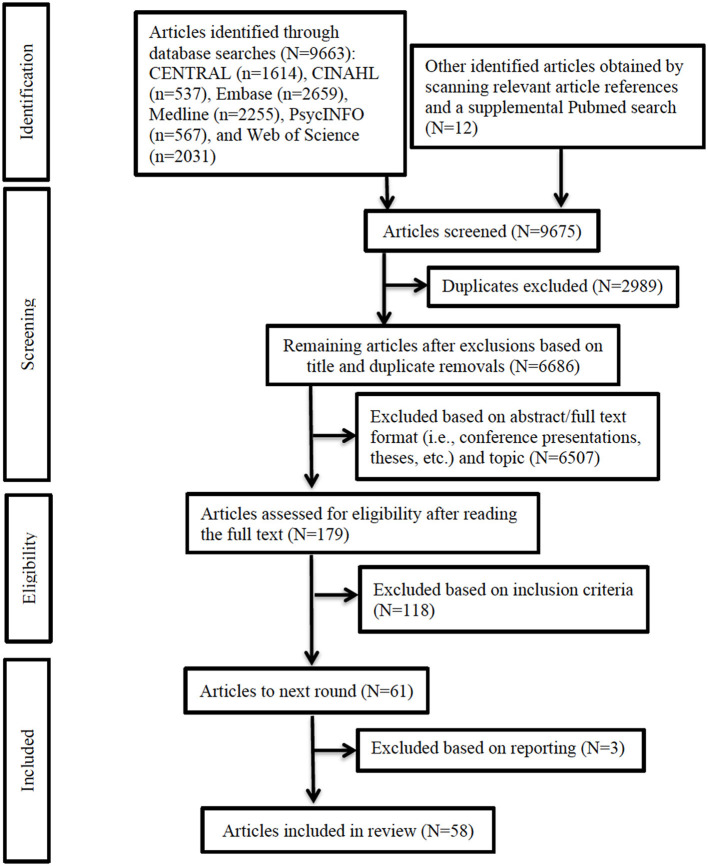
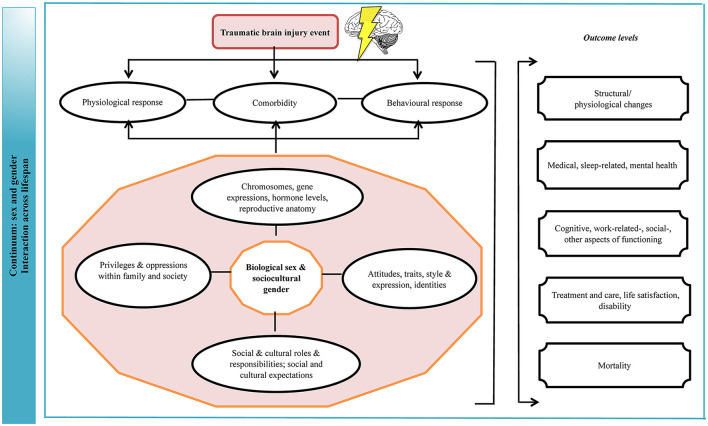
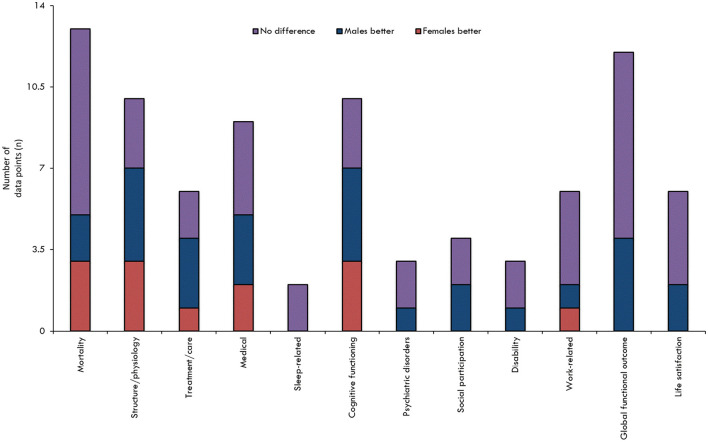
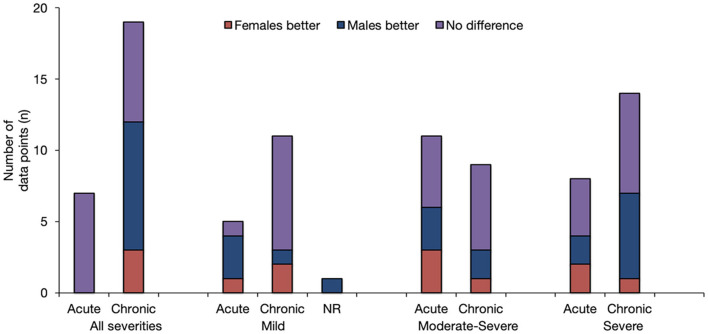
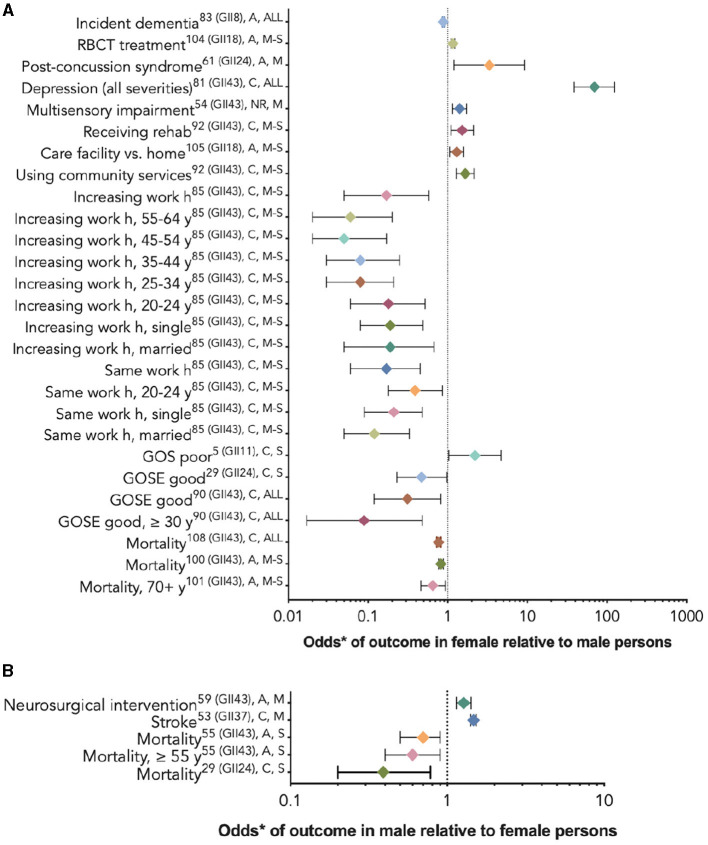
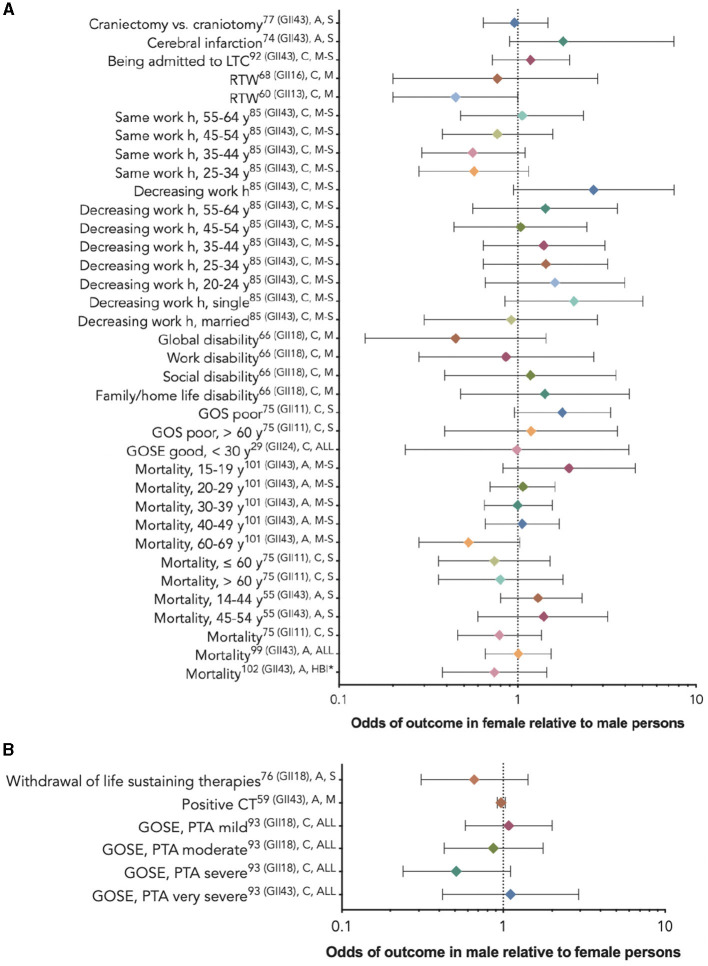
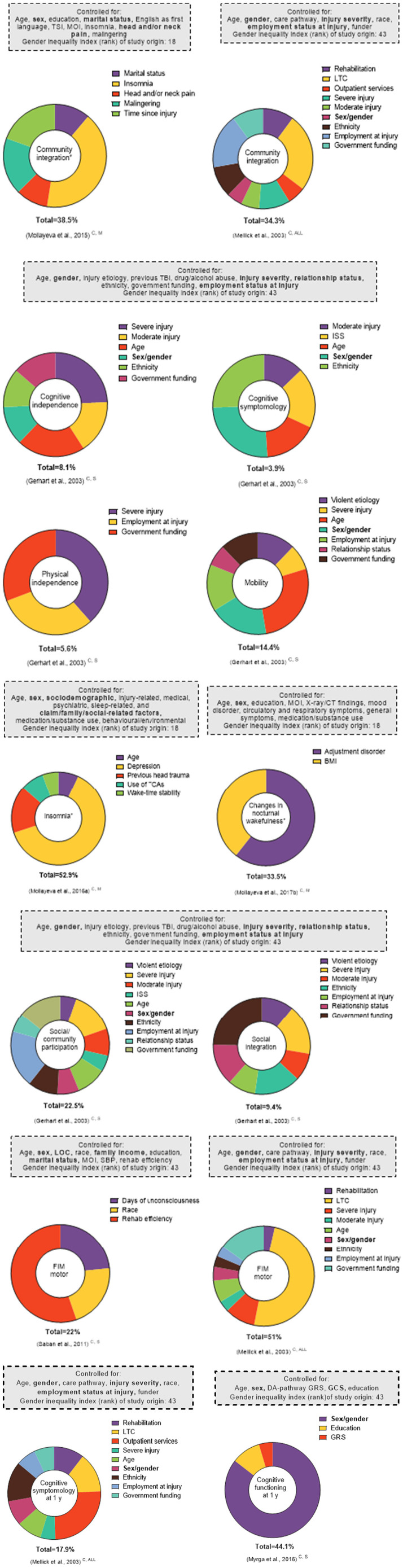
Although traumatic brain injury (TBI) is a leading cause of death and disability in male and female patients worldwide, little is known about the effect of sex and gender on TBI outcomes. This systematic review summarizes the evidence on the effect of sex and gender on core TBI outcomes. All English-language studies from six literature databases that addressed core outcomes in adults with TBI and included sex or gender, TBI severity, and age in their analyses were considered eligible. Two reviewers extracted data, and two reviewers assessed study quality using tools recommended by the National Institutes of Health. The results were sorted according to time post-injury, injury severity, gender equity ranking of the study's country of origin, and outcomes studied. The results from the included studies were grouped based on the approach taken in reporting their respective findings. Of 172 articles assessed, 58 studies were selected, comprising 1, 265, 955 participants with TBI (67% male across all studies) of all injury severities. All studies were conducted in countries with a very high or high human development index, while the Gender Inequality Index (GII) varied. While the heterogeneity across studies limited any meaningful conclusions with respect to the role of sex and gender, we did observe that as gender equality ranking improved, differences between male and female participants in outcomes would diminish. Inclusion of social equity parameters in the studies was limited. The non-uniform findings observed bring forth the need to develop and use a comprehensive and consistent methodology in the study of sex and gender post-TBI, incorporating social equity parameters to uncover the potential social underpinnings of gender effects on health and functional outcomes. CRD42018098697.
尽管创伤性脑损伤(TBI)是全球男性和女性患者死亡和残疾的主要原因,但关于性别对TBI预后的影响却知之甚少。本系统评价总结了性别对TBI核心预后影响的证据。来自六个文献数据库的所有英文研究,只要涉及成年TBI患者的核心预后,且分析中包括性别、TBI严重程度和年龄,均被视为合格。两名评审员提取数据,两名评审员使用美国国立卫生研究院推荐的工具评估研究质量。结果根据受伤后的时间、损伤严重程度、研究原产国的性别平等排名以及所研究的预后进行分类。纳入研究的结果根据报告各自研究结果所采用的方法进行分组。在评估的172篇文章中,选择了58项研究,包括1265955名TBI患者(所有研究中67%为男性),涵盖所有损伤严重程度。所有研究均在人类发展指数非常高或高的国家进行,而性别不平等指数(GII)各不相同。虽然研究之间的异质性限制了关于性别作用的任何有意义的结论,但我们确实观察到,随着性别平等排名的提高,男性和女性参与者在预后方面的差异会减小。研究中纳入社会公平参数的情况有限。观察到的不一致结果表明,在TBI后的性别研究中,需要开发和使用一种全面且一致的方法,纳入社会公平参数,以揭示性别对健康和功能预后影响的潜在社会基础。CRD42018098697。