Department of Biological Sciences, Virginia Tech, Blacksburg, VA, United States.
Fralin Life Sciences Institute, Virginia Tech, Blacksburg, VA, United States.
Front Immunol. 2021 Sep 9;12:646043. doi: 10.3389/fimmu.2021.646043. eCollection 2021.
Microglia safeguard the CNS against injuries and pathogens, and in the presence of certain harmful stimuli are capable of inducing a disease-dependent inflammatory response. When exposed to anti-inflammatory cytokines, however, these cells possess the ability to switch from an inflammatory to an immunosuppressive phenotype. Cancer cells exploit this property to evade the immune system, and elicit an anti-inflammatory microenvironment that facilitates tumor attachment and growth.
The tumor-supportive biological processes that are activated in microglia cells in response to anti-inflammatory cytokines released from cancer cells were explored with mass spectrometry and proteomic technologies.
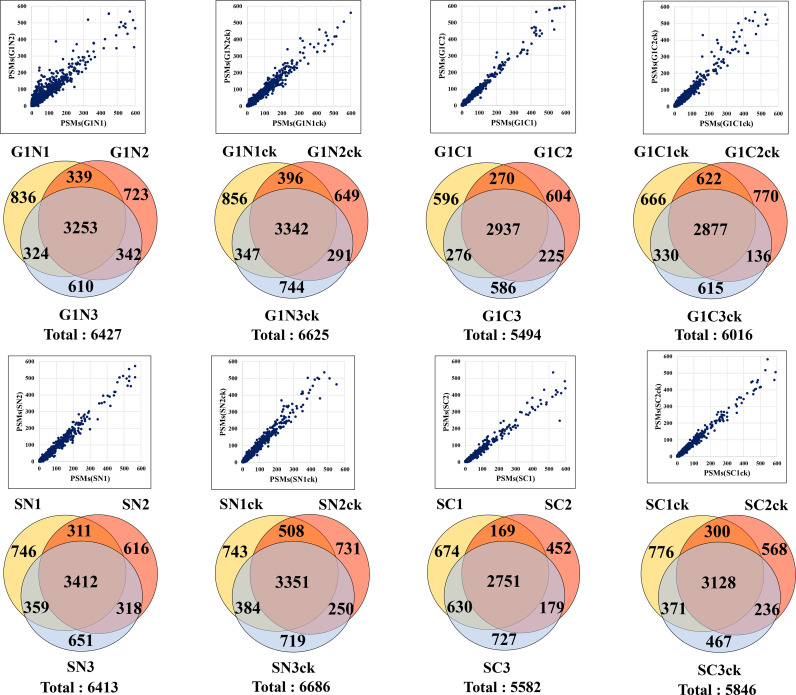
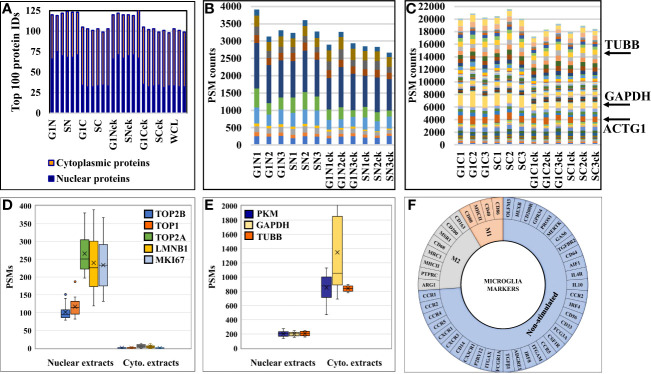
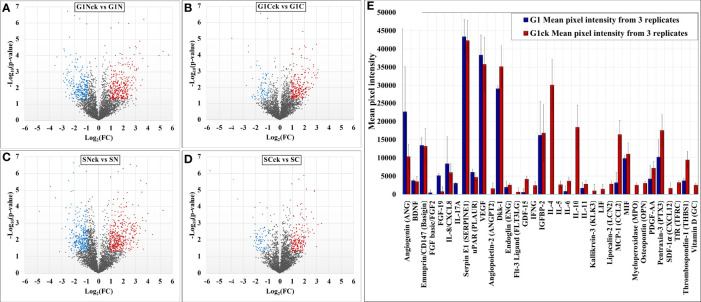
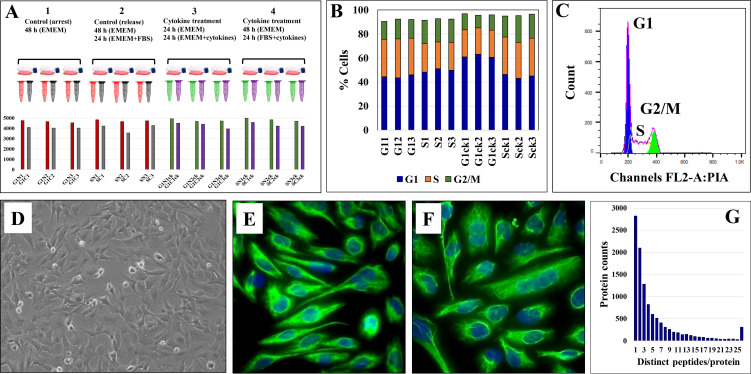
Serum-depleted and non-depleted human microglia cells (HMC3) were treated with a cocktail of IL-4, IL-13, IL-10, TGFβ, and CCL2. The cellular protein extracts were analyzed by LC-MS/MS. Using functional annotation clustering tools, statistically significant proteins that displayed a change in abundance between cytokine-treated and non-treated cells were mapped to their biological networks and pathways.
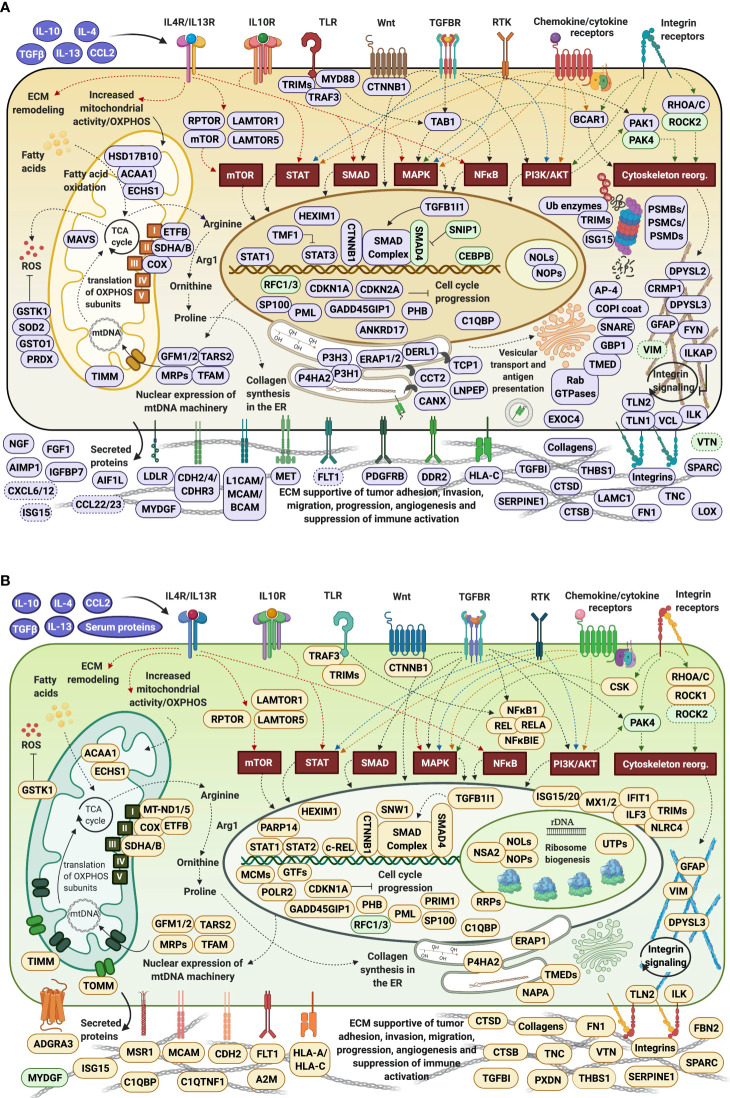
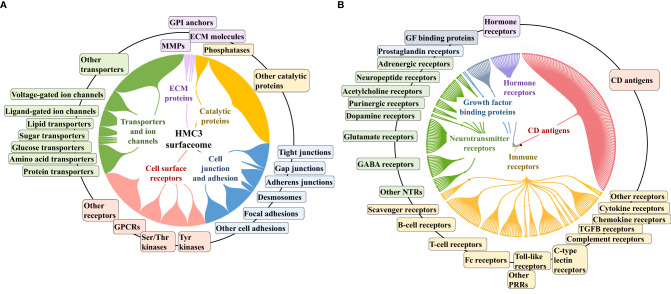
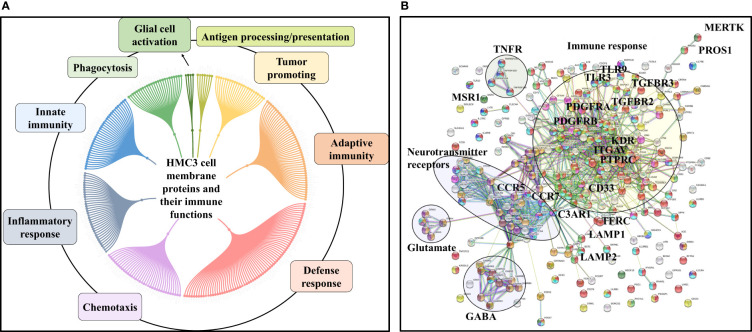
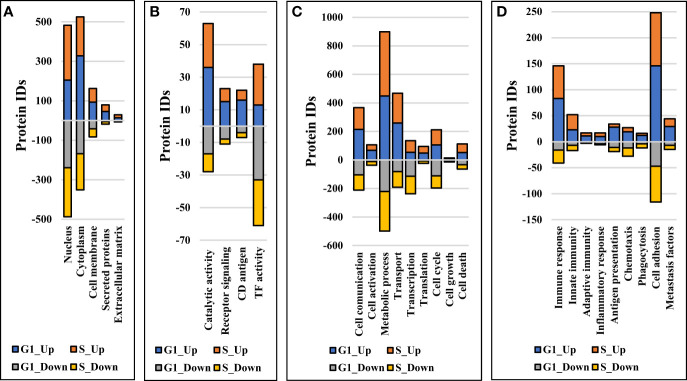
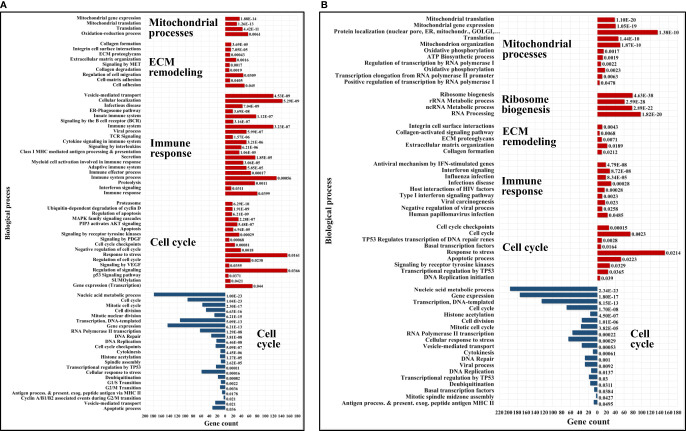
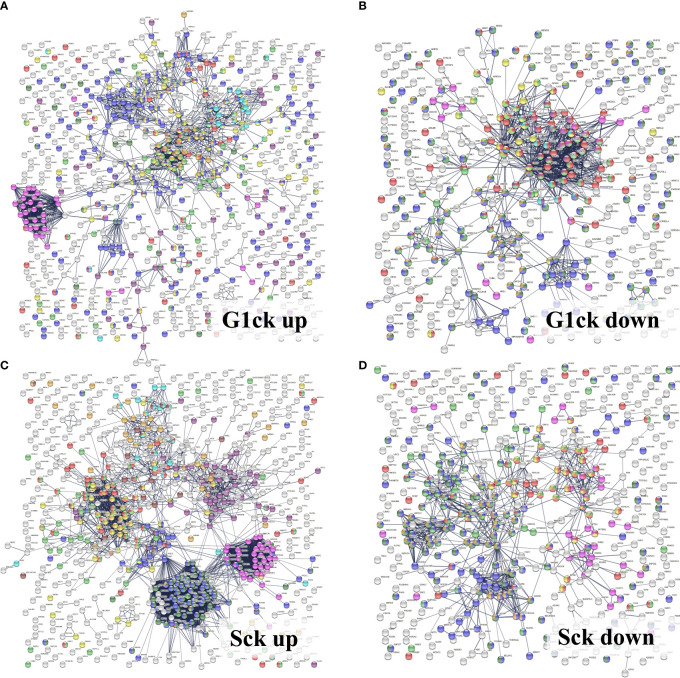
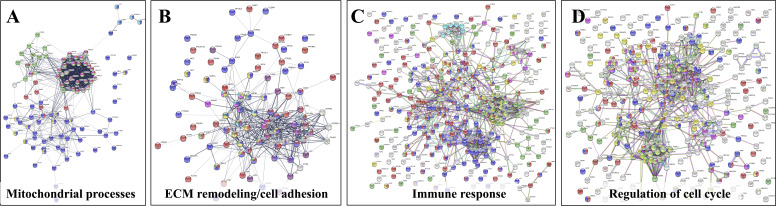
The proteomic analysis of HMC3 cells enabled the identification of ~10,000 proteins. Stimulation with anti-inflammatory cytokines resulted in the activation of distinct, yet integrated clusters of proteins that trigger downstream a number of tumor-promoting biological processes. The observed changes could be classified into four major categories, i.e., mitochondrial gene expression, ECM remodeling, immune response, and impaired cell cycle progression. Intracellular immune activation was mediated mainly by the transducers of MAPK, STAT, TGFβ, NFKB, and integrin signaling pathways. Abundant collagen formation along with the expression of additional receptors, matrix components, growth factors, proteases and protease inhibitors, was indicative of ECM remodeling processes supportive of cell-cell and cell-matrix adhesion. Overexpression of integrins and their modulators was reflective of signaling processes that link ECM reorganization with cytoskeletal re-arrangements supportive of cell migration. Antigen processing/presentation was represented by HLA class I histocompatibility antigens, and correlated with upregulated proteasomal subunits, vesicular/viral transport, and secretory processes. Immunosuppressive and proangiogenic chemokines, as well as anti-angiogenic factors, were detectable in low abundance. Pronounced pro-inflammatory, chemotactic or phagocytic trends were not observed, however, the expression of certain receptors, signaling and ECM proteins indicated the presence of such capabilities.
Comprehensive proteomic profiling of HMC3 cells stimulated with anti-inflammatory cytokines revealed a spectrum of microglia phenotypes supportive of cancer development in the brain microenvironment-dependent biological mechanisms.
小胶质细胞保护中枢神经系统免受损伤和病原体的侵害,并且在存在某些有害刺激的情况下,能够诱导依赖于疾病的炎症反应。然而,当暴露于抗炎细胞因子时,这些细胞具有从炎症状态向免疫抑制状态转变的能力。癌细胞利用这种特性来逃避免疫系统,并引发有利于肿瘤附着和生长的抗炎微环境。
利用质谱和蛋白质组学技术探索小胶质细胞在响应癌细胞释放的抗炎细胞因子时激活的支持肿瘤的生物学过程。
用包含 IL-4、IL-13、IL-10、TGFβ 和 CCL2 的细胞因子鸡尾酒处理血清耗尽和非耗尽的人小胶质细胞(HMC3)。通过 LC-MS/MS 分析细胞蛋白提取物。使用功能注释聚类工具,将细胞因子处理和未处理细胞之间丰度变化的具有统计学意义的蛋白质映射到它们的生物网络和途径。
对 HMC3 细胞的蛋白质组学分析能够鉴定出约 10000 种蛋白质。用抗炎细胞因子刺激导致不同但整合的蛋白质簇的激活,触发了许多促进肿瘤的生物学过程。观察到的变化可以分为四大类,即线粒体基因表达、ECM 重塑、免疫反应和细胞周期进程受损。细胞内免疫激活主要由 MAPK、STAT、TGFβ、NFKB 和整合素信号通路的转导子介导。丰富的胶原蛋白形成以及其他受体、基质成分、生长因子、蛋白酶和蛋白酶抑制剂的表达表明 ECM 重塑过程支持细胞-细胞和细胞-基质附着。整合素及其调节剂的过度表达反映了将 ECM 重排与支持细胞迁移的细胞骨架重新排列联系起来的信号过程。抗原加工/呈递由 HLA I 类组织相容性抗原代表,与上调的蛋白酶体亚基、囊泡/病毒运输和分泌过程相关。可检测到低丰度的免疫抑制和促血管生成趋化因子以及抗血管生成因子。然而,某些受体、信号和 ECM 蛋白的表达表明存在这种能力,并未观察到明显的促炎、趋化或吞噬趋势。
用抗炎细胞因子刺激 HMC3 细胞的全面蛋白质组学分析揭示了一系列支持大脑中癌症发展的小胶质细胞表型,其机制依赖于大脑微环境。