Zhang Wencheng, Gao Zhouyong, Guan Mingxiu, Liu Ning, Meng Fanjie, Wang Guangshun
Department of Oncology, Tianjin Baodi Hospital, Baodi Clinical College of Tianjin Medical University, Tianjin, China.
Department of Thoracic Surgery, Baodi Clinical College of Tianjin Medical University, Tianjin, China.
Front Oncol. 2021 Sep 9;11:731547. doi: 10.3389/fonc.2021.731547. eCollection 2021.
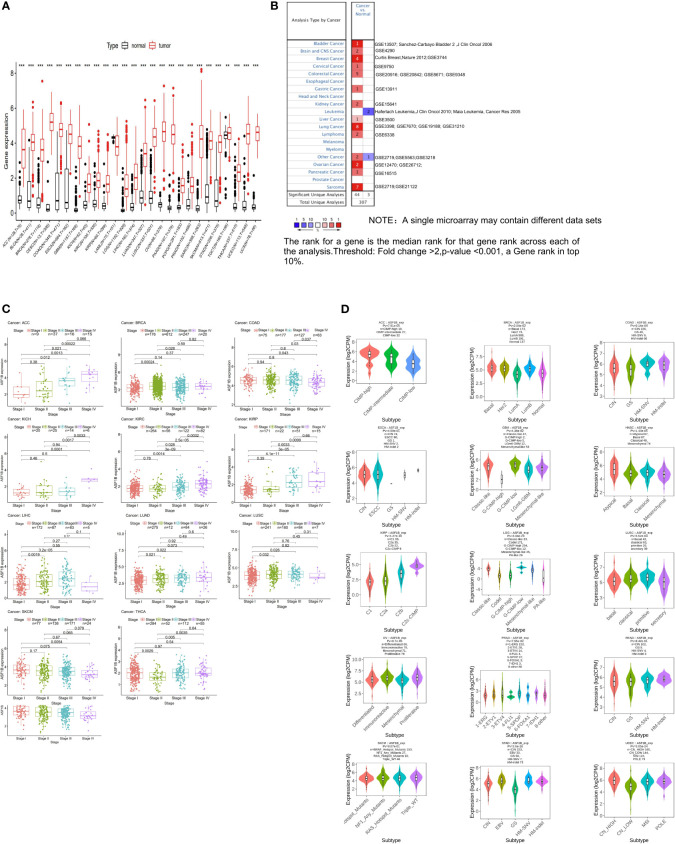
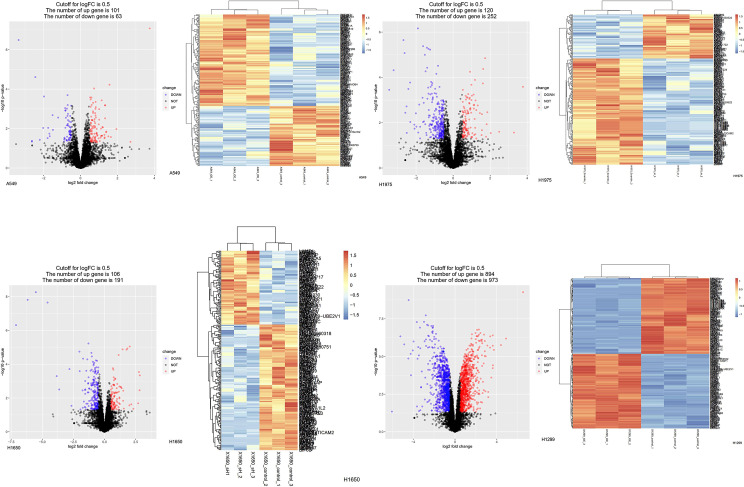
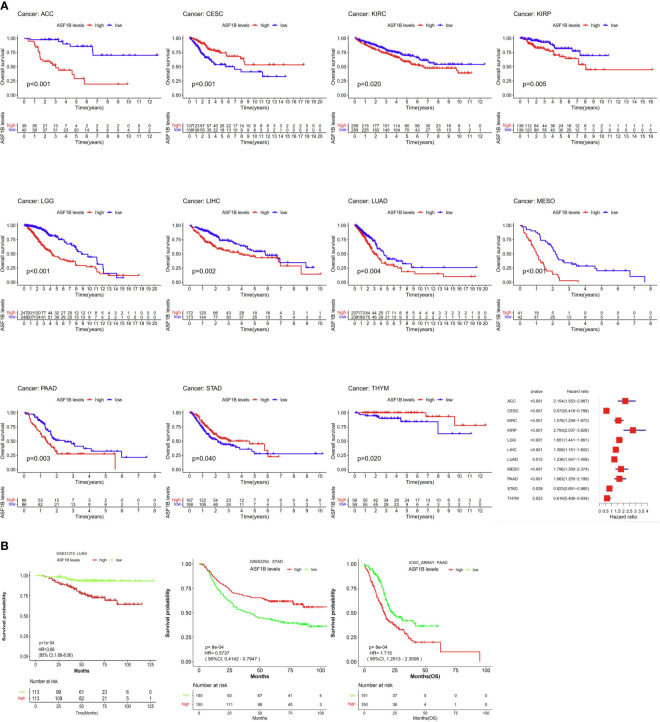
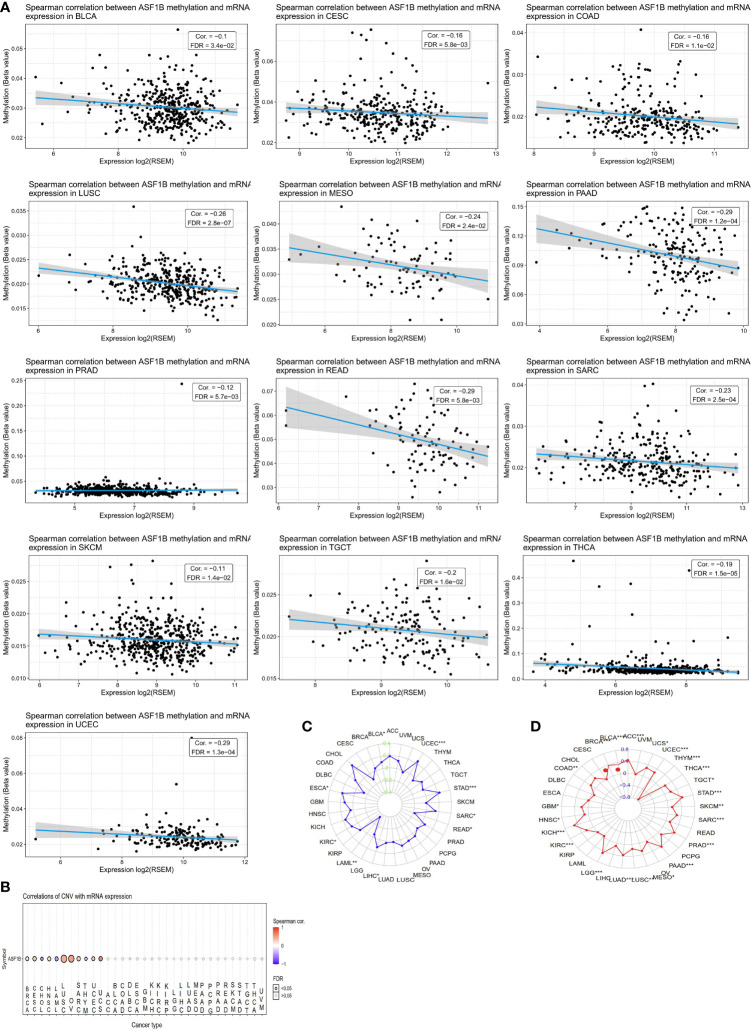
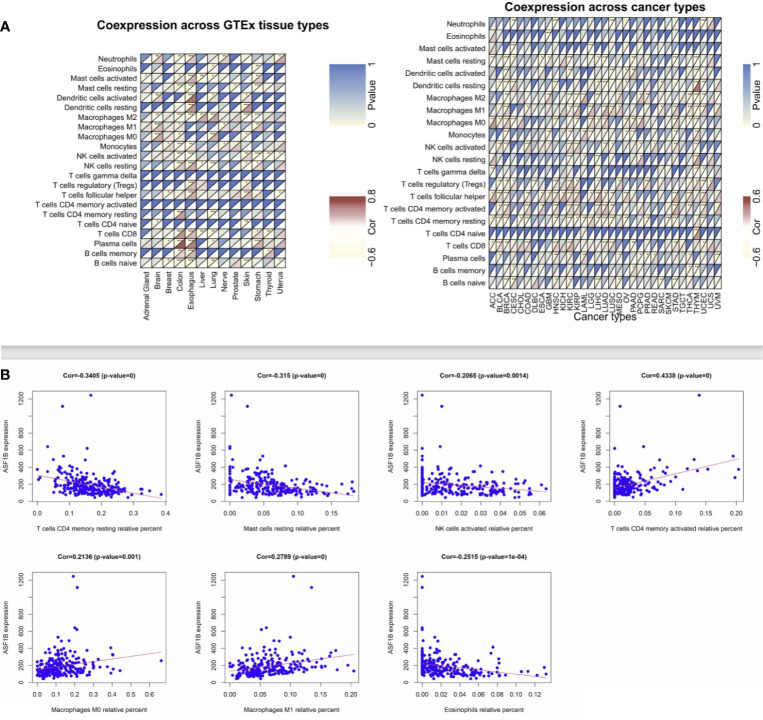
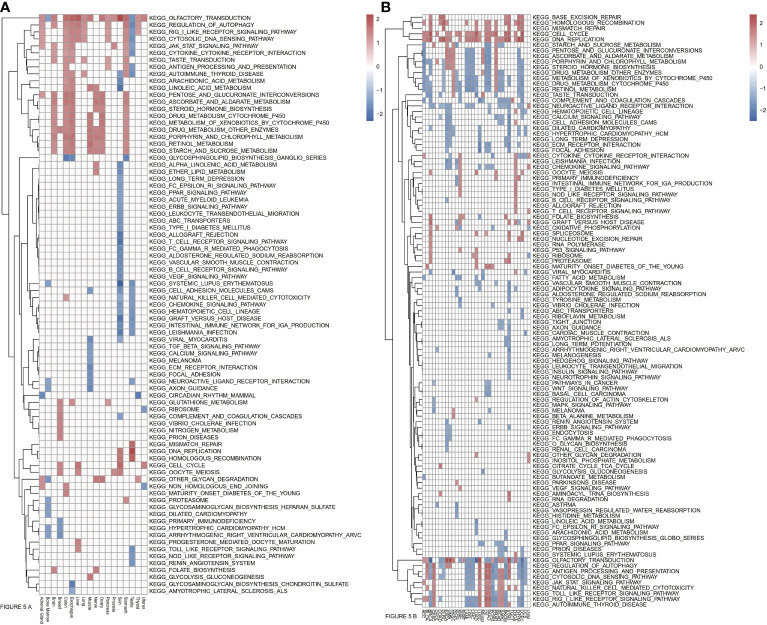
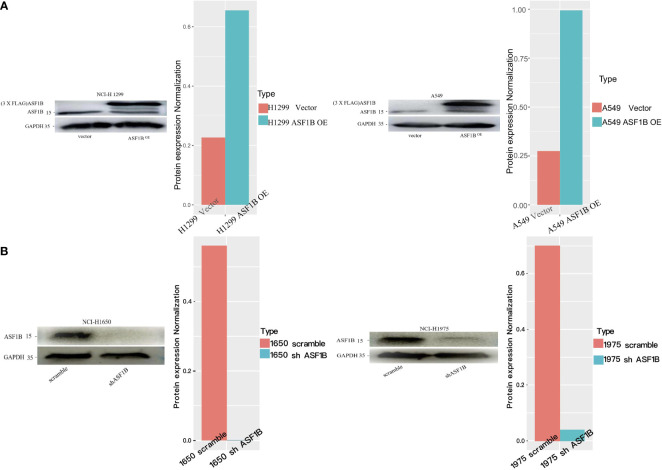
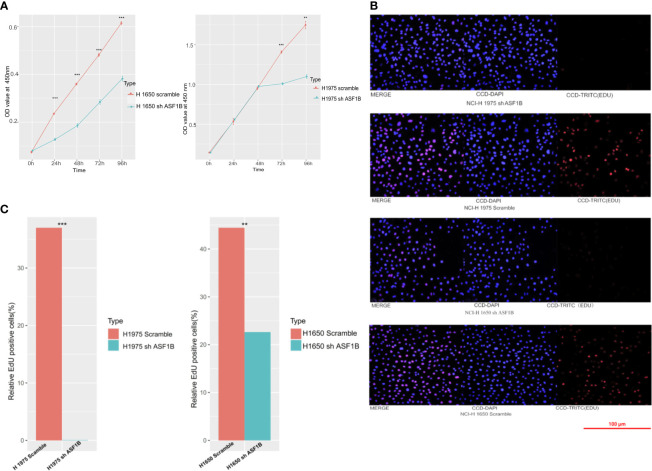
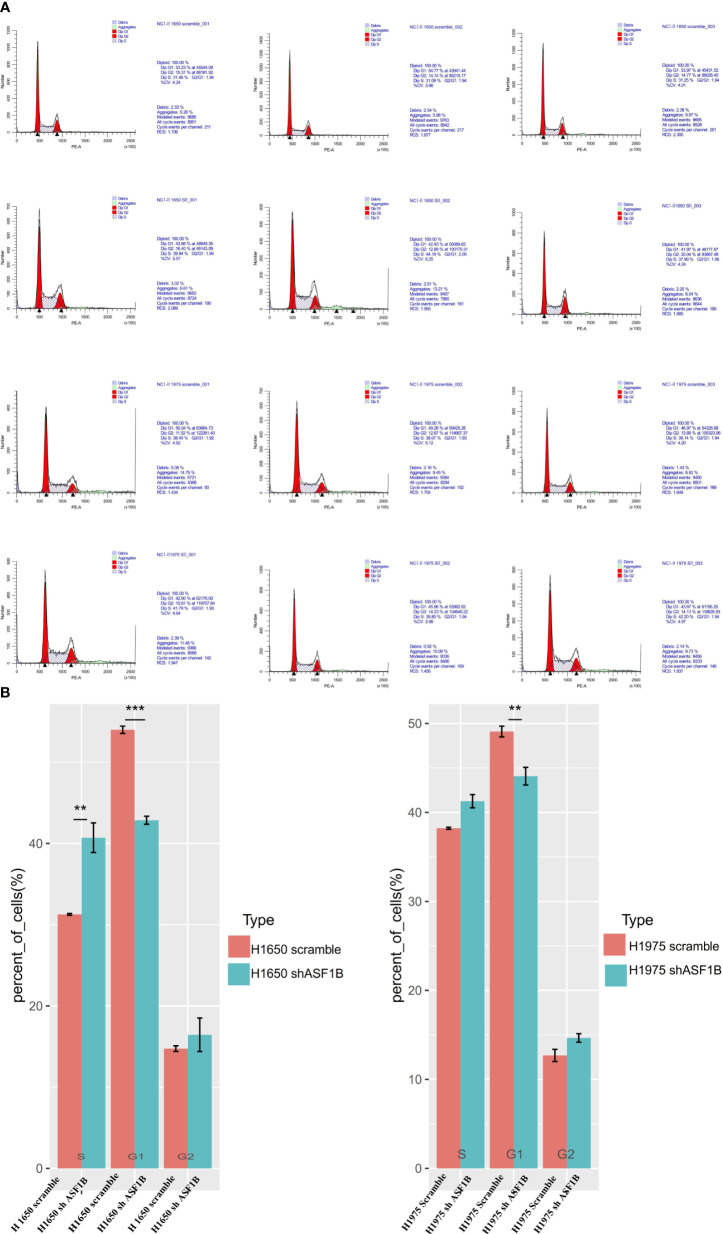
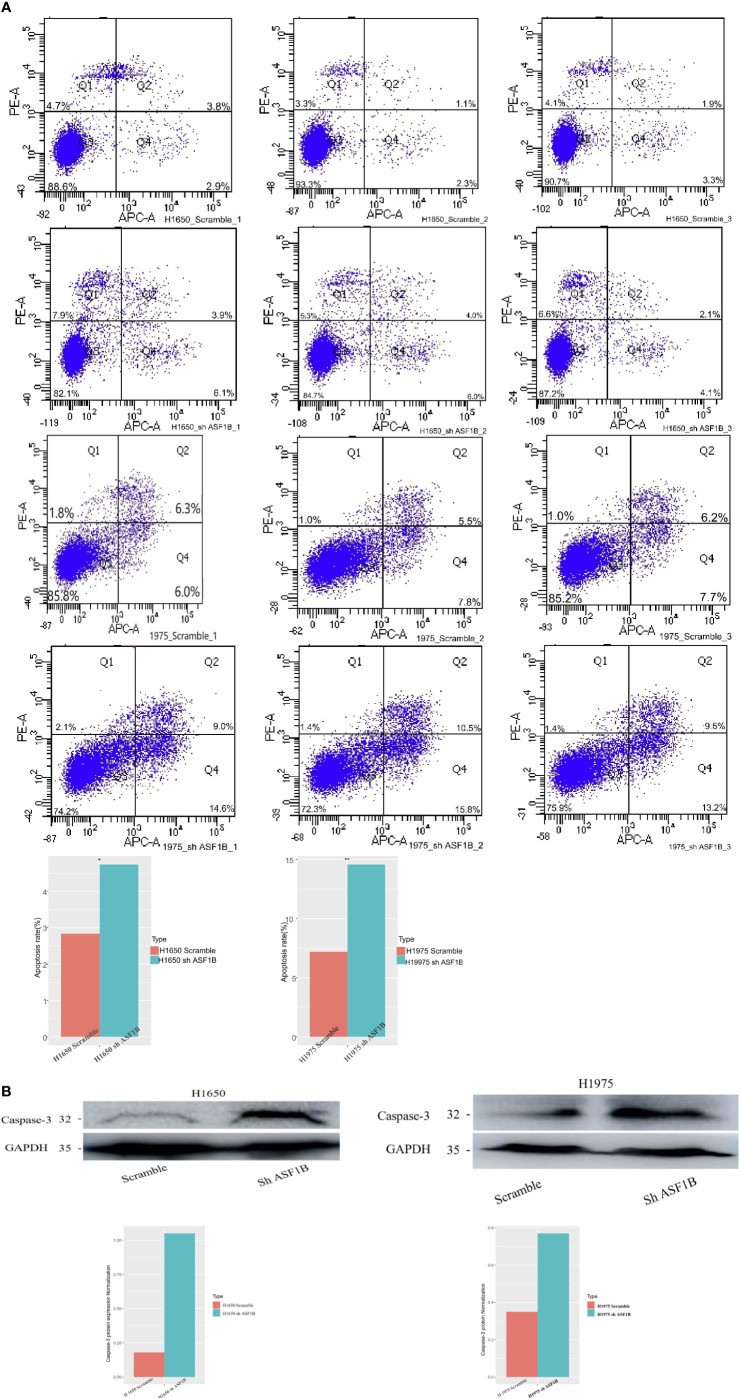
Anti-silencing function 1B histone chaperone (ASF1B) is known to be an important modulator of oncogenic processes, yet its role in lung adenocarcinoma (LUAD) remains to be defined. In this study, an integrated assessment of The Cancer Genome Atlas (TCGA) and genotype-tissue expression (GTEx) datasets revealed the overexpression of ASF1B in all analyzed cancer types other than LAML. Genetic, epigenetic, microsatellite instability (MSI), and tumor mutational burden (TMB) analysis showed that ASF1B was regulated by single or multiple factors. Kaplan-Meier survival curves suggested that elevated ASF1B expression was associated with better or worse survival in a cancer type-dependent manner. The CIBERSORT algorithm was used to evaluate immune microenvironment composition, and distinct correlations between ASF1B expression and immune cell infiltration were evident when comparing tumor and normal tissue samples. Gene set enrichment analysis (GSEA) indicated that ASF1B was associated with proliferation- and immunity-related pathways. Knocking down ASF1B impaired the proliferation, affected cell cycle distribution, and induced cell apoptosis in LUAD cell lines. In contrast, ASF1B overexpression had no impact on the malignant characteristics of LUAD cells. At the mechanistic level, ASF1B served as an indirect regulator of DNA Polymerase Epsilon 3, Accessory Subunit (POLE3), CDC28 protein kinase regulatory subunit 1(CKS1B), Dihydrofolate reductase (DHFR), as established through proteomic profiling and Immunoprecipitation-Mass Spectrometry (IP-MS) analyses. Overall, these data suggested that ASF1B serves as a tumor promoter and potential target for cancer therapy and provided us with clues to better understand the importance of ASF1B in many types of cancer.
抗沉默功能1B组蛋白伴侣(ASF1B)是已知的致癌过程重要调节因子,但其在肺腺癌(LUAD)中的作用仍有待明确。在本研究中,对癌症基因组图谱(TCGA)和基因型-组织表达(GTEx)数据集的综合评估显示,除急性髓系白血病(LAML)外,ASF1B在所有分析的癌症类型中均过表达。遗传、表观遗传、微卫星不稳定性(MSI)和肿瘤突变负荷(TMB)分析表明,ASF1B受单一或多种因素调控。Kaplan-Meier生存曲线表明,ASF1B表达升高与癌症类型相关的生存改善或恶化有关。使用CIBERSORT算法评估免疫微环境组成,比较肿瘤和正常组织样本时,ASF1B表达与免疫细胞浸润之间存在明显的不同相关性。基因集富集分析(GSEA)表明,ASF1B与增殖和免疫相关途径有关。敲低ASF1B会损害LUAD细胞系的增殖,影响细胞周期分布,并诱导细胞凋亡。相反,ASF1B过表达对LUAD细胞的恶性特征没有影响。在机制层面,通过蛋白质组分析和免疫沉淀-质谱(IP-MS)分析确定,ASF1B作为DNA聚合酶Epsilon 3辅助亚基(POLE3)、细胞周期蛋白依赖性激酶28调节亚基1(CKS1B)、二氢叶酸还原酶(DHFR)的间接调节因子。总体而言,这些数据表明ASF1B是一种肿瘤促进因子和癌症治疗的潜在靶点,并为我们更好地理解ASF1B在多种癌症中的重要性提供了线索。