Department of Biomedical Engineering, Duke University, Durham, NC 27708, USA.
Department of Molecular Genetics and Microbiology, Duke University, Durham, NC 27708, USA.
Cells. 2021 Sep 17;10(9):2455. doi: 10.3390/cells10092455.
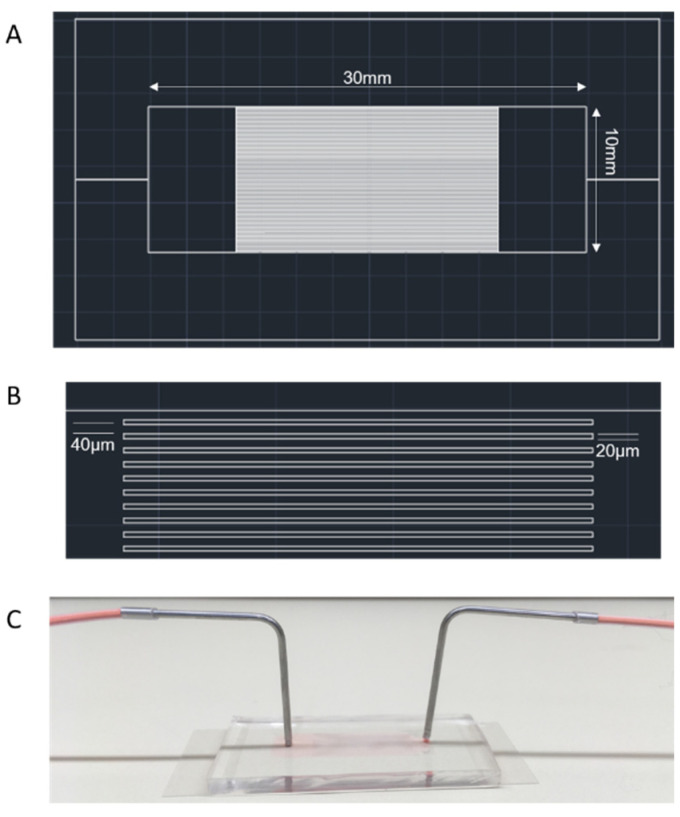
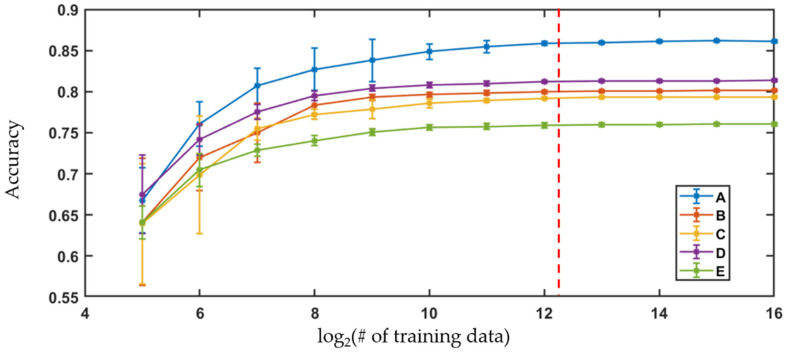
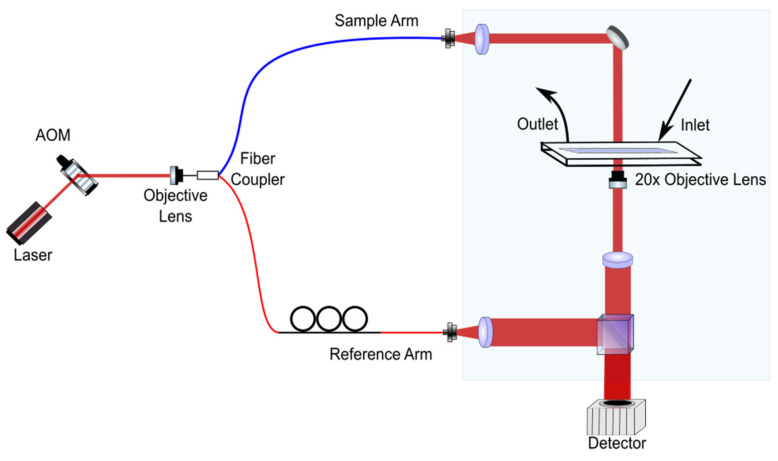
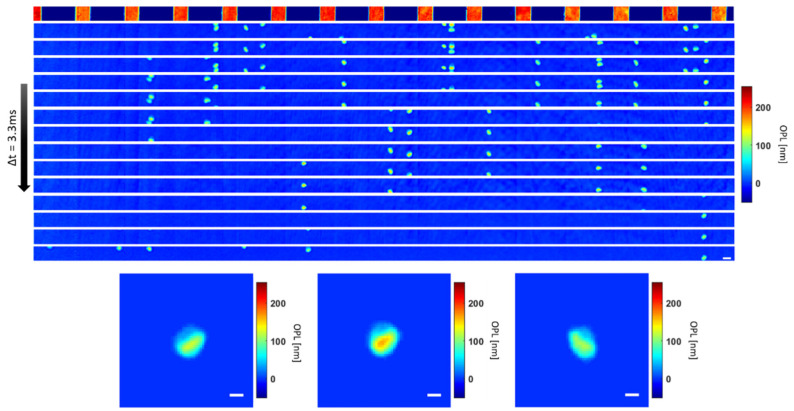
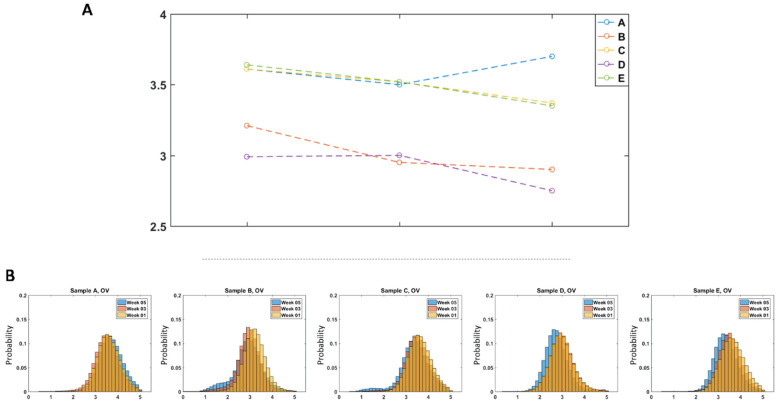
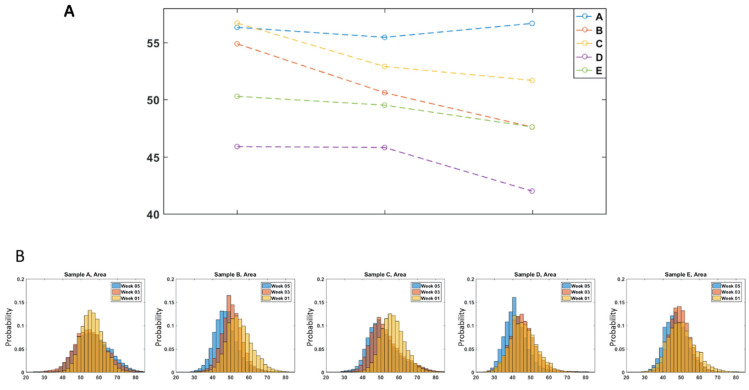
Holographic cytometry is introduced as an ultra-high throughput implementation of quantitative phase imaging of single cells flowing through parallel microfluidic channels. Here, the approach was applied for characterizing the morphology of individual red blood cells during storage under regular blood bank conditions. Samples from five blood donors were examined, over 100,000 cells examined for each, at three time points. The approach allows high-throughput phase imaging of a large number of cells, greatly extending our ability to study cellular phenotypes using individual cell images. Holographic cytology images can provide measurements of multiple physical traits of the cells, including optical volume and area, which are observed to consistently change over the storage time. In addition, the large volume of cell imaging data can serve as training data for machine-learning algorithms. For the study here, logistic regression was used to classify the cells according to the storage time points. The analysis showed that at least 5000 cells are needed to ensure accuracy of the classifiers. Overall, results showed the potential of holographic cytometry as a diagnostic tool.
体全息细胞术作为一种超高速高通量的单细胞定量相位成像方法被引入。在这里,该方法被应用于在常规血库条件下储存过程中单个红细胞形态的特征化研究。对五名献血者的样本进行了检查,每个样本检查了超过 100,000 个细胞,在三个时间点进行了检查。该方法允许对大量细胞进行高通量相位成像,极大地扩展了我们使用单个细胞图像研究细胞表型的能力。体全息细胞术图像可以提供细胞的多个物理特征的测量值,包括光学体积和面积,这些特征在储存时间内观察到持续变化。此外,大量的细胞成像数据可以作为机器学习算法的训练数据。在本研究中,逻辑回归被用于根据储存时间点对细胞进行分类。分析表明,至少需要 5000 个细胞才能确保分类器的准确性。总体而言,结果表明体全息细胞术作为一种诊断工具具有潜力。