Jaiswal Varun, Park Miey, Lee Hae-Jeung
Department of Food and Nutrition, College of BioNano Technology, Gachon University, Seongnam-si 13120, Gyeonggi-do, Korea.
Institute for Aging and Clinical Nutrition Research, Gachon University, Seongnam-si 13120, Gyeonggi-do, Korea.
Antioxidants (Basel). 2021 Sep 9;10(9):1435. doi: 10.3390/antiox10091435.
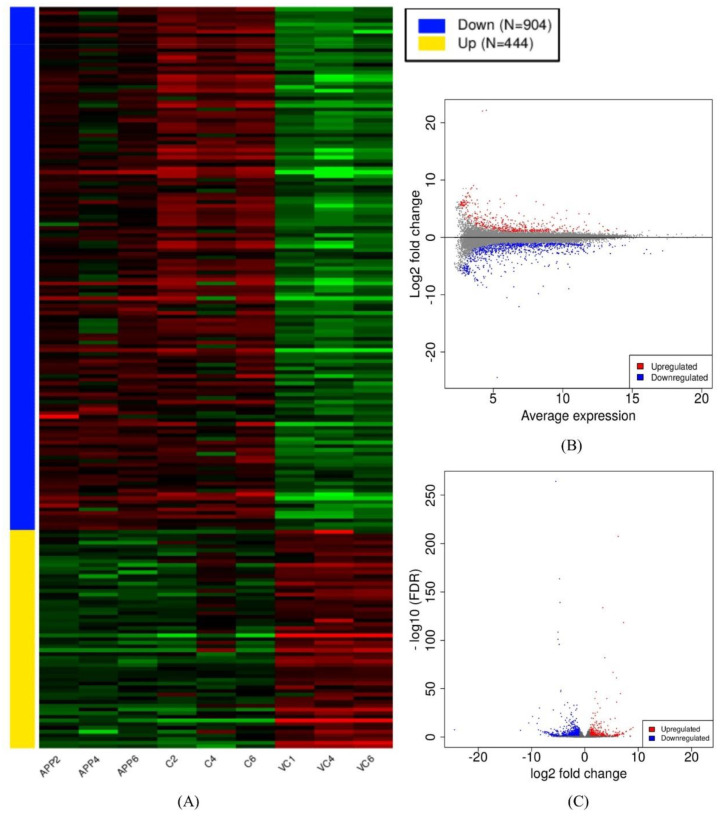
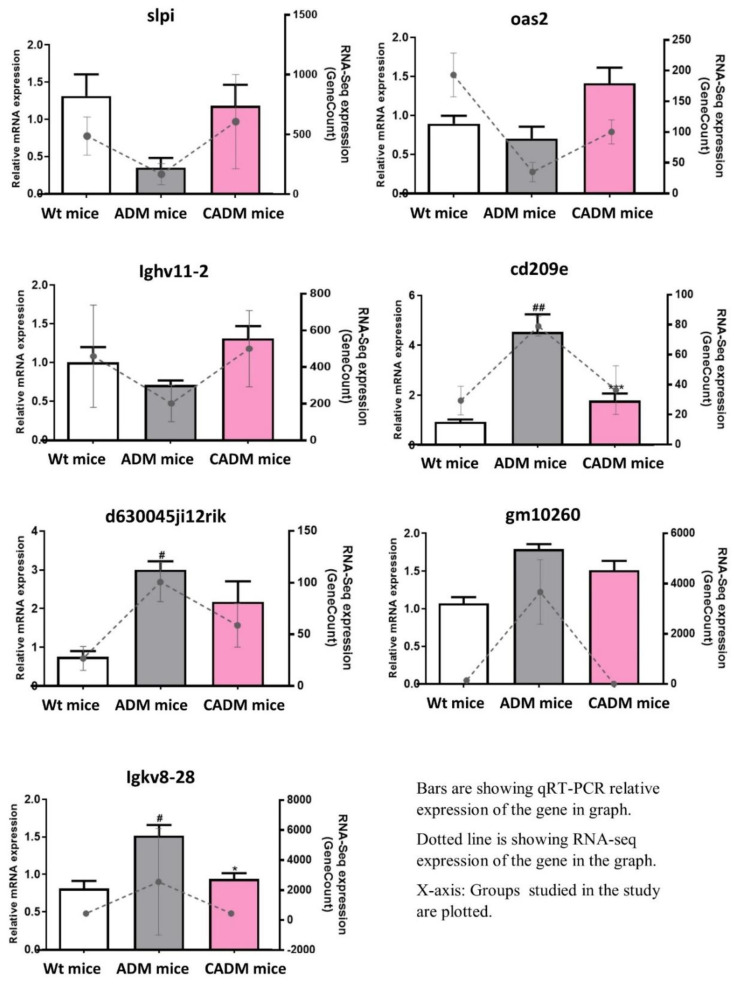
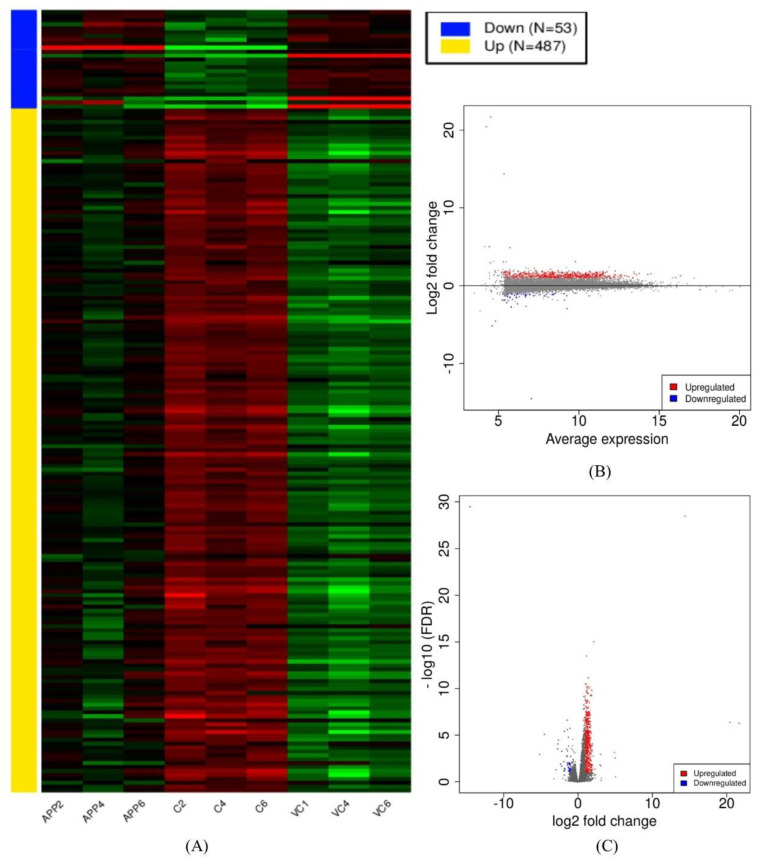
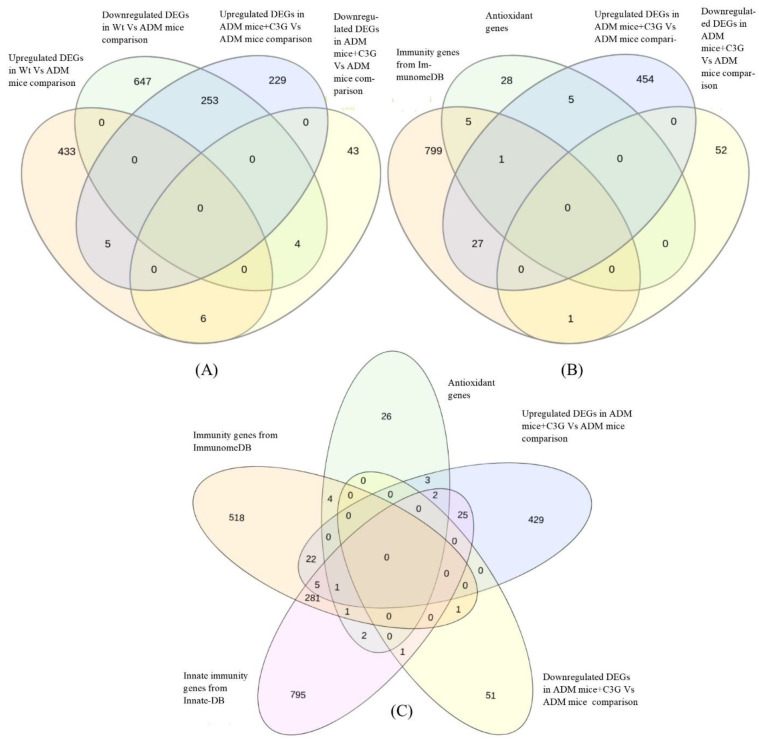
Cyanidin 3-O-glucoside (C3G) is a well-known antioxidant found as a dietary anthocyanin in different fruits and vegetables. It has protective and therapeutic effects on various diseases. It can reduce neuronal death from amyloid-beta (Aβ)-induced toxicity and promote the inhibition of Aβ fibrillization. Antioxidant and immune modulation might play a critical role in the properties of C3G against Alzheimer's disease (AD) and other diseases. However, limited studies have been performed on the mechanism involved in the effect of C3G through transcriptome analysis. Thus, the objective of this study was to perform comparative transcriptome analysis of the spleen to determine gene expression profiles of wild-type mice (C57BL/6J Jms), an Alzheimer's mouse model (APPswe/PS1dE9 mice), and a C3G-treated Alzheimer's mouse model. Differentially expressed antioxidant, immune-related, and AD pathways genes were identified in the treated group. The validation of gene expression data via RT-PCR studies further supported the current findings. Six important antioxidant genes (S100a8, S100a9, Prdx2, Hp, Mpst, and Prxl2a) and a high number of immune-related genes were found to be upregulated in the treatment groups, suggesting the possible antioxidant and immunomodulatory mechanisms of C3G, respectively. Further studies are strongly recommended to elucidate the precise role of these essential genes and optimize the therapeutic function of C3G in AD and other disease conditions.
矢车菊素 3 - O - 葡萄糖苷(C3G)是一种广为人知的抗氧化剂,作为一种膳食花青素存在于不同的水果和蔬菜中。它对多种疾病具有保护和治疗作用。它可以减少淀粉样β蛋白(Aβ)诱导的毒性导致的神经元死亡,并促进对Aβ纤维化的抑制。抗氧化和免疫调节可能在C3G对抗阿尔茨海默病(AD)和其他疾病的特性中起关键作用。然而,通过转录组分析对C3G作用机制的研究有限。因此,本研究的目的是对脾脏进行比较转录组分析,以确定野生型小鼠(C57BL / 6J Jms)、阿尔茨海默病小鼠模型(APPswe / PS1dE9小鼠)和经C3G处理的阿尔茨海默病小鼠模型的基因表达谱。在处理组中鉴定出差异表达的抗氧化、免疫相关和AD通路基因。通过RT - PCR研究对基因表达数据的验证进一步支持了当前的研究结果。发现六个重要的抗氧化基因(S100a8、S100a9、Prdx2、Hp、Mpst和Prxl2a)和大量免疫相关基因在处理组中上调,分别表明C3G可能的抗氧化和免疫调节机制。强烈建议进一步研究以阐明这些关键基因的确切作用,并优化C3G在AD和其他疾病状态下的治疗功能。