Glaeser Sharon S, Shepherdson David, Lewis Karen, Prado Natalia, Brown Janine L, Lee Bob, Wielebnowski Nadja
Oregon Zoo, 4001 SW Canyon Road, Portland, OR 97221, USA.
Center for Species Survival, Smithsonian Conservation Biology Institute, Smithsonian National Zoological Park, Front Royal, VA 22630, USA.
Animals (Basel). 2021 Aug 31;11(9):2566. doi: 10.3390/ani11092566.
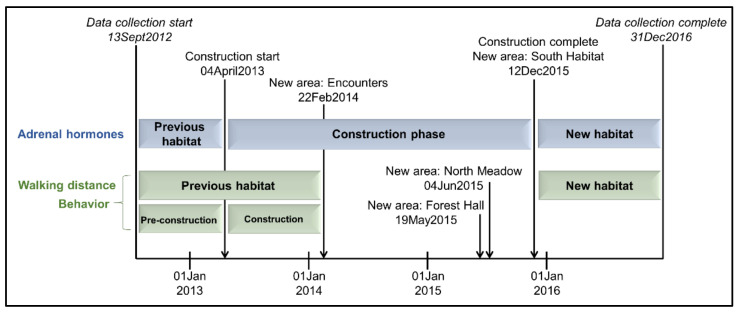
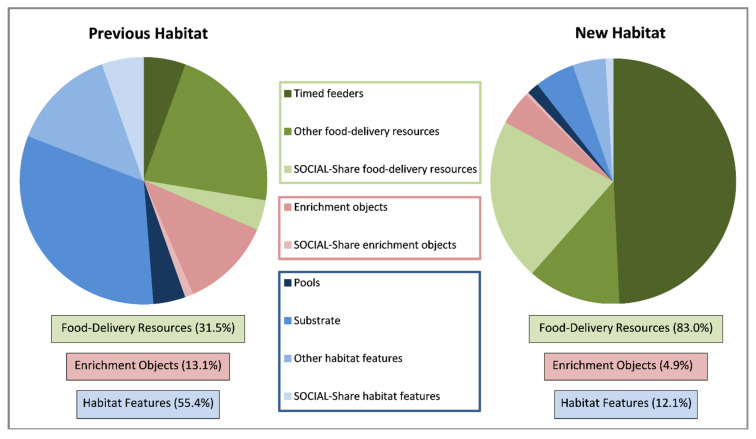
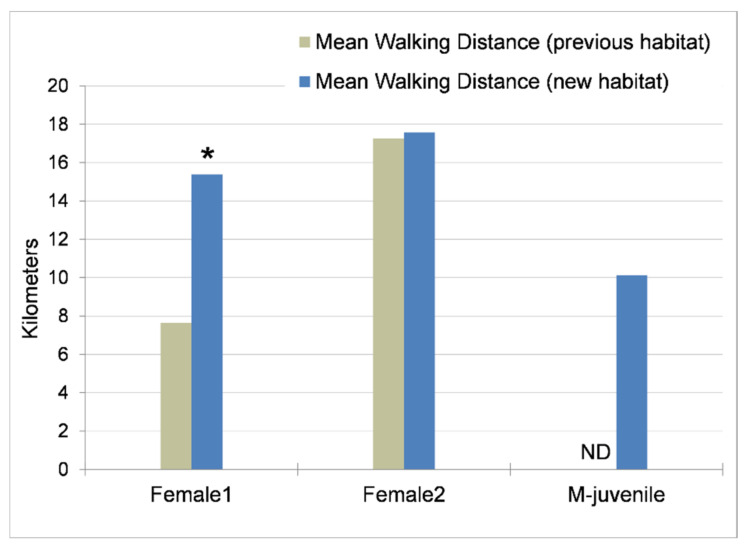
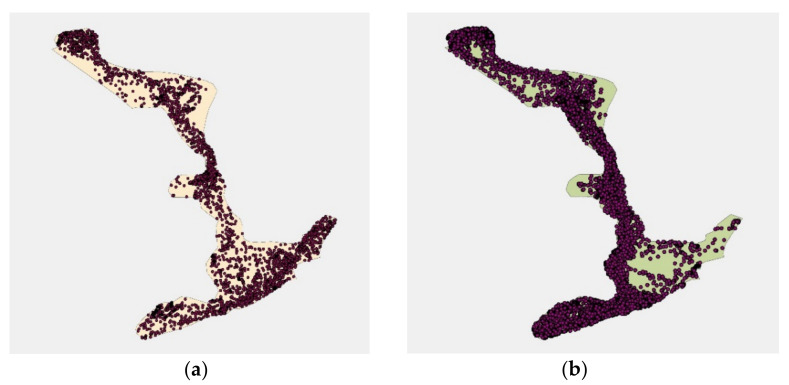
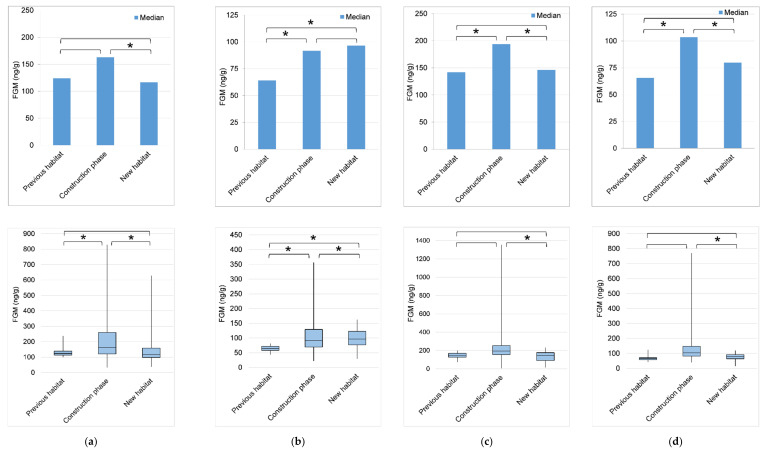
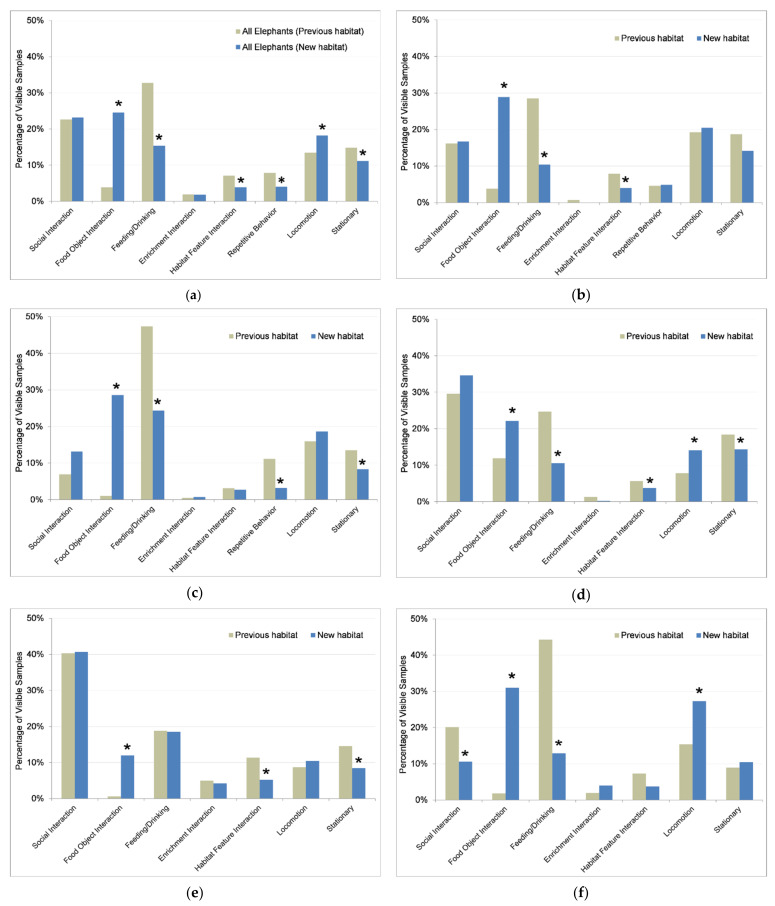
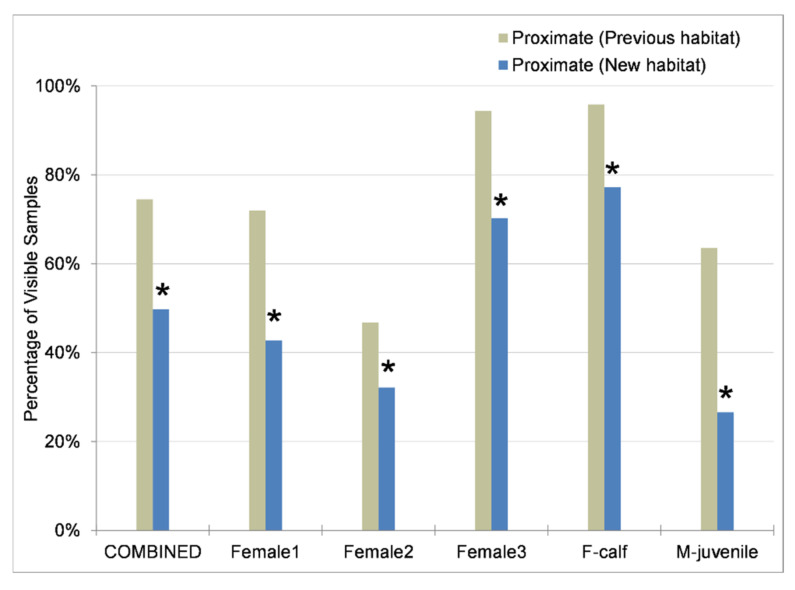
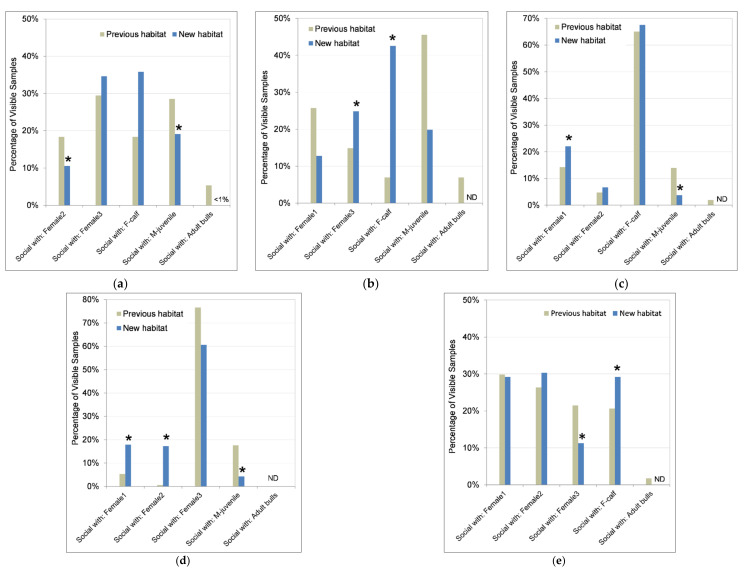
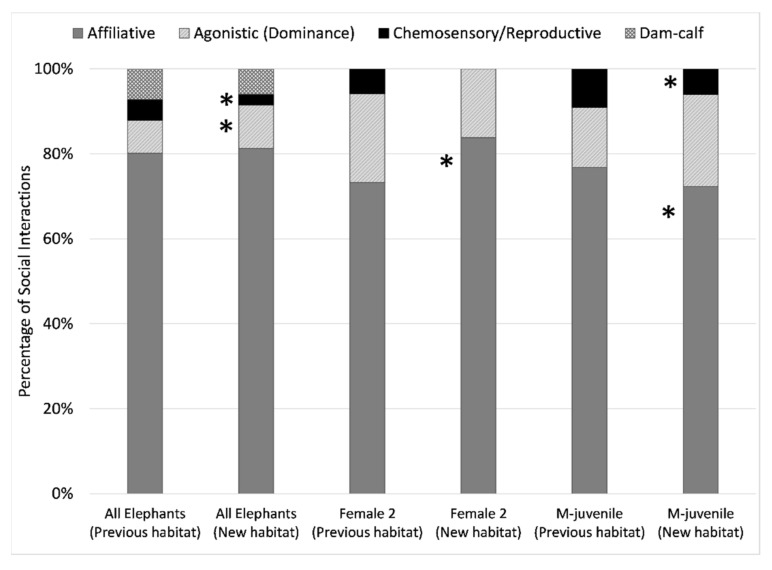
Ensuring good health and welfare is an increasingly important consideration for conservation of endangered species, whether free-ranging or managed to varying degrees under human care. The welfare-based design of a new habitat for Asian elephants at the Oregon Zoo focused on meeting the elephants' physical, physiological, psychological, and social needs 24 h a day and across life stages. The habitat was designed to encourage activity, promote species-typical behaviors, support changing social dynamics, offer increased opportunities for choice, and provide biologically meaningful challenges. In this 4-year study, we monitored elephant health and welfare indicators throughout the transition and acclimation from the previous habitat to the new habitat. Several welfare indicators obtained through longitudinal hormone analyses, behavior assessments, and GPS measurement of walking distance and space use provided evidence that these goals were achieved. The elephants were more active and walked farther on a daily basis in the new habitat, with an average walking distance of over 15 km per day. A switch from primarily caretaker-delivered food to seeking food on their own indicates that the disbursement of food with less temporal and spatial predictability increased foraging opportunities, which better satisfies appetitive motivations important for psychological well-being. All individuals showed adaptive and normal adrenal responses to change and challenge, with the highest fecal glucocorticoid metabolite (FGM) concentrations and variability during the construction phase, and a return to previous baseline concentrations in the new habitat, suggesting they acclimated well to the new environment. The elephants expressed a diverse range of species-typical behaviors and demonstrated social dynamics of a healthy herd in both habitats with transitions of individuals through life stages. They exhibited more autonomy in choosing whom to associate with socially and also by choosing different aspects of their environment with regular indoor/outdoor access and extensive resource use in the new habitat. Findings indicate that the complexity and flexibility of the new habitat and habitat management has been effective in improving overall welfare by providing meaningful challenges and the opportunity to express appetitive behaviors, by offering choice in environmental conditions, and by providing the space and resource distribution to support evolving herd dynamics and increased social equity for individuals.
确保濒危物种的健康和福祉对于其保护而言,正成为一项日益重要的考量因素,无论这些物种是自由放养还是在人类照料下处于不同程度的管理之中。俄勒冈动物园为亚洲象设计的基于福祉的新栖息地,着重于满足大象在一天24小时内以及不同生命阶段的身体、生理、心理和社交需求。该栖息地旨在鼓励大象活动、促进其典型物种行为、支持不断变化的社会动态、提供更多选择机会,并带来具有生物学意义的挑战。在这项为期4年的研究中,我们在大象从先前栖息地过渡并适应新栖息地的整个过程中,监测了它们的健康和福祉指标。通过纵向激素分析、行为评估以及对行走距离和空间使用的GPS测量获得的多项福祉指标,证明这些目标已经实现。大象在新栖息地更加活跃,每天行走的距离更远,平均每天行走超过15公里。从主要由饲养员投喂食物转变为自行觅食,这表明食物分配在时间和空间上的可预测性降低,增加了觅食机会,从而更好地满足了对心理健康至关重要的食欲动机。所有个体对变化和挑战都表现出适应性和正常的肾上腺反应,在建设阶段粪便糖皮质激素代谢物(FGM)浓度最高且变化最大,而在新栖息地则恢复到先前的基线浓度,这表明它们很好地适应了新环境。大象在两个栖息地都表现出了多种典型物种行为,并展示了健康象群的社会动态,个体在不同生命阶段进行着过渡。它们在选择社交伙伴以及通过在新栖息地定期进出室内/室外并广泛利用资源来选择环境的不同方面时,表现出了更多的自主性。研究结果表明,新栖息地及其管理的复杂性和灵活性通过提供有意义的挑战和表达食欲行为的机会、在环境条件方面提供选择,以及提供空间和资源分配以支持不断演变的象群动态并增加个体的社会公平性,有效地改善了整体福祉。