Wei Mengyuan, Wang Haoli, Ma Tingting, Ge Qian, Fang Yulin, Sun Xiangyu
College of Enology, College of Food Science and Engineering, Viti-Viniculture Engineering Technology Center of State Forestry and Grassland Administration, Shaanxi Engineering Research Center for Viti-Viniculture, Heyang Viti-viniculture Station, Northwest A&F University, Yangling 712100, China.
Quality Standards and Testing Institute of Agricultural Technology, Yinchuan 750002, China.
Foods. 2021 Aug 30;10(9):2043. doi: 10.3390/foods10092043.
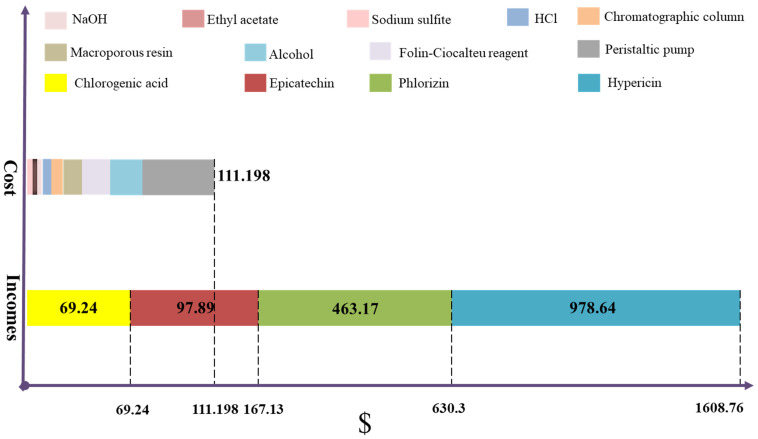
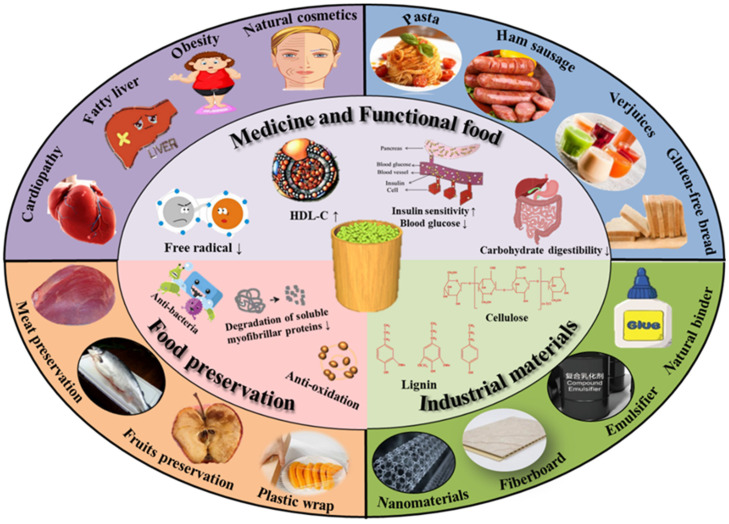
Fruit thinning is a cultivation technique that is widely applied in horticulture in order to obtain high-quality horticultural crops. This practice results in the discarding of a large number of thinned unripe fruits in orchards each year, which produces a great waste of agricultural resources and causes soil pollution that may be an important reservoir for pest and plant diseases. Current studies showed that bioactive compounds such as polyphenols, organic acids, monosaccharides and starches are present in unripe fruits. Therefore, we reviewed the bioactive components obtained from thinned unripe fruits, their revalorization for the food industry, their beneficial effects for human health and the methods for obtaining these components. We also performed a calculation of the costs and benefits of obtaining these bioactive compounds, and we proposed future research directions. This review provides a reference for the effective utilization and industrial development of thinned unripe fruits obtained from horticultural crops. Furthermore, revalorizing the waste from this cultural practice may increase the economic benefits and relieve the environmental stress.
疏果是一种广泛应用于园艺领域的栽培技术,目的是获得高品质的园艺作物。这种做法导致每年果园中大量被疏除的未成熟果实被丢弃,造成农业资源的巨大浪费,并导致土壤污染,而土壤污染可能是病虫害的重要滋生地。目前的研究表明,未成熟果实中存在多酚、有机酸、单糖和淀粉等生物活性化合物。因此,我们综述了从未成熟疏果中获得的生物活性成分、它们在食品工业中的再利用价值、它们对人类健康的有益影响以及获得这些成分的方法。我们还对获得这些生物活性化合物的成本和效益进行了计算,并提出了未来的研究方向。本综述为园艺作物未成熟疏果的有效利用和产业发展提供了参考。此外,对这种栽培方式产生的废弃物进行再利用可能会提高经济效益并减轻环境压力。