Luo Dandan, Xu Xiaochun, Iqbal M Zubair, Zhao Qingwei, Zhao Ruibo, Farheen Jabeen, Zhang Quan, Zhang Peiliang, Kong Xiangdong
Institute of Smart Biomedical Materials, School of Materials Science and Engineering, Zhejiang Sci-Tech University, Hangzhou 310018, China.
Zhejiang-Mauritius Joint Research Center for Biomaterials and Tissue Engineering, Zhejiang Sci-Tech University, Hangzhou 310018, China.
Pharmaceutics. 2021 Sep 8;13(9):1428. doi: 10.3390/pharmaceutics13091428.
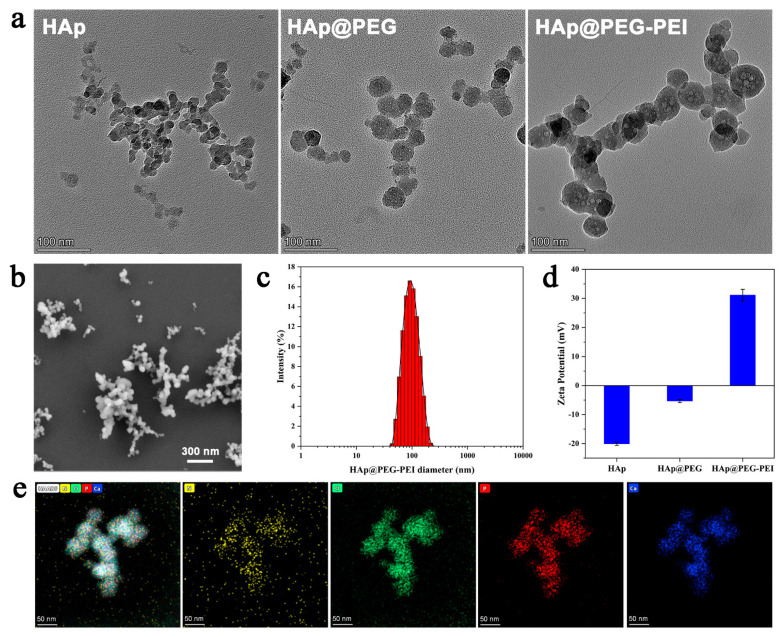
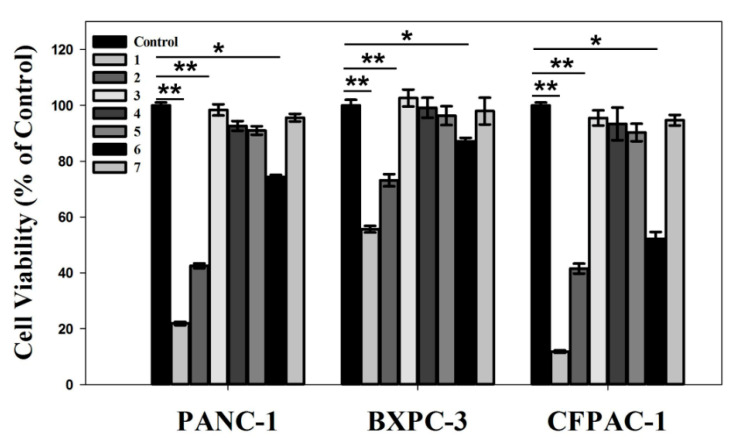
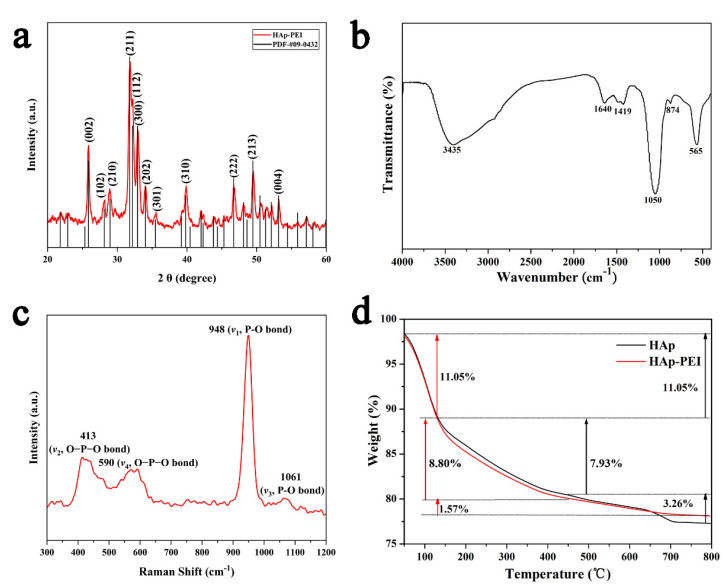
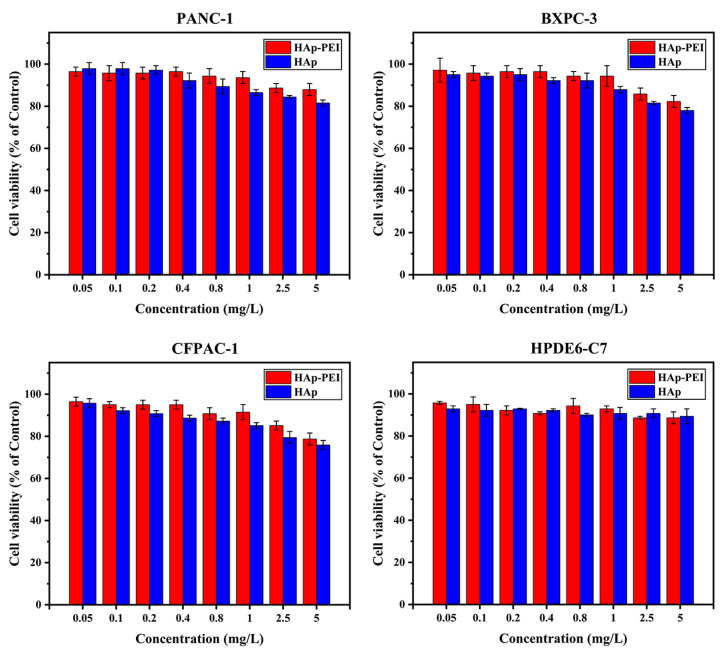
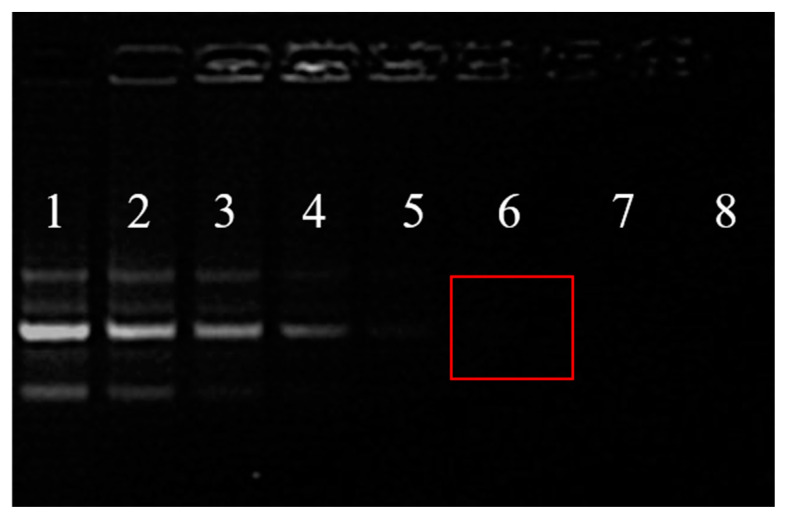
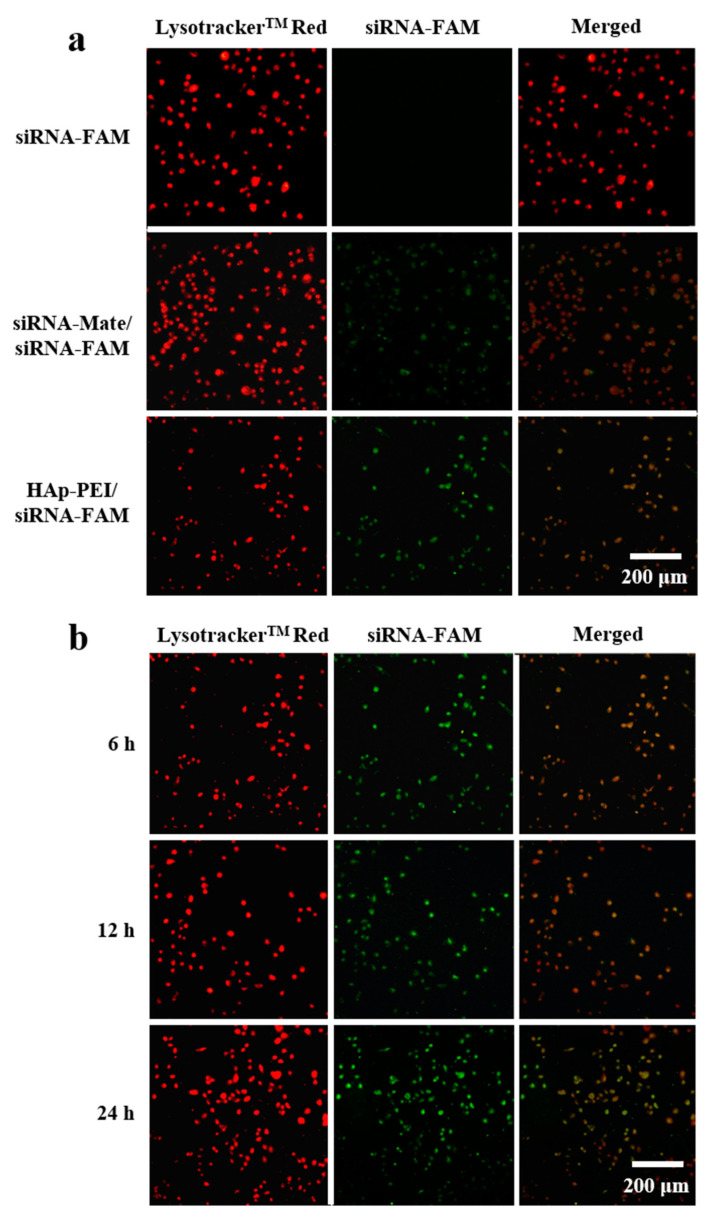
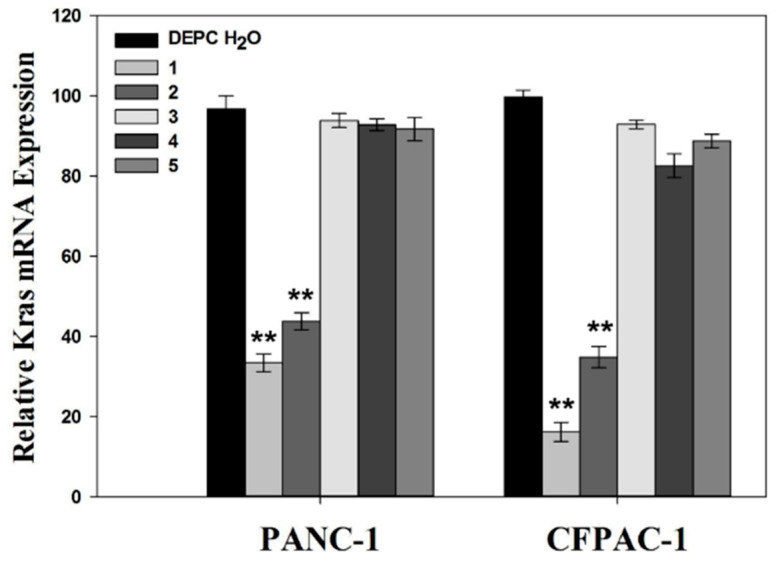
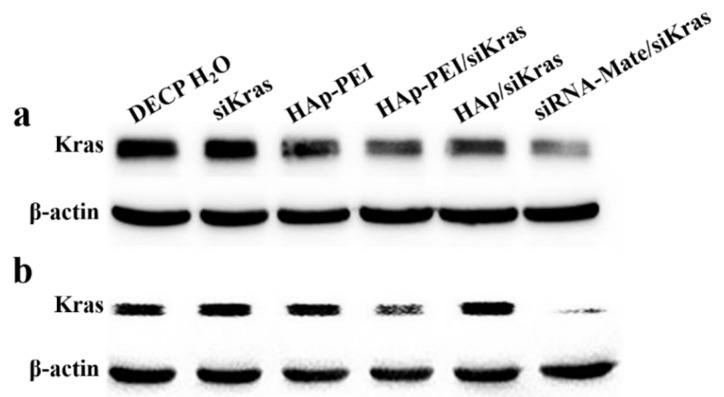
Pancreatic carcinoma (PC) is greatly induced by the gene mutation, but effective targeted delivery for gene therapy has not existed. Small interfering ribonucleic acid (siRNA) serves as an advanced therapeutic modality and holds great promise for cancer treatment. However, the development of a non-toxic and high-efficiency carrier system to accurately deliver siRNA into cells for siRNA-targeted gene silencing is still a prodigious challenge. Herein, polyethylenimine (PEI)-modified hydroxyapatite (HAp) nanoparticles (HAp-PEI) were fabricated. The siRNA of the gene (siKras) was loaded onto the surface of HAp-PEI via electrostatic interaction between siRNA and PEI to design the functionalized HAp-PEI nanoparticle (HAp-PEI/siKras). The HAp-PEI/siKras was internalized into the human PC cells PANC-1 to achieve the maximum transfection efficiency for active tumor targeting. HAp-PEI/siKras effectively knocked down the expression of the gene and downregulated the expression of the Kras protein in vitro. Furthermore, the treatment with HAp-PEI/siKras resulted in greater anti-PC cells' (PANC-1, BXPC-3, and CFPAC-1) efficacy in vitro. Additionally, the HAp-PEI exhibited no obvious in vitro cytotoxicity in normal pancreatic HPDE6-C7 cells. These findings provided a promising alternative for the therapeutic route of siRNA-targeted gene engineering for anti-pancreatic cancer therapy.
胰腺癌(PC)很大程度上由基因突变诱发,但尚未存在用于基因治疗的有效靶向递送方法。小干扰核糖核酸(siRNA)作为一种先进的治疗方式,在癌症治疗方面极具潜力。然而,开发一种无毒且高效的载体系统,以将siRNA准确递送至细胞内实现siRNA靶向基因沉默,仍然是一项巨大的挑战。在此,制备了聚乙烯亚胺(PEI)修饰的羟基磷灰石(HAp)纳米颗粒(HAp-PEI)。通过siRNA与PEI之间的静电相互作用,将该基因的siRNA(siKras)负载到HAp-PEI表面,设计出功能化的HAp-PEI纳米颗粒(HAp-PEI/siKras)。HAp-PEI/siKras被内化进入人PC细胞PANC-1,以实现主动肿瘤靶向的最大转染效率。HAp-PEI/siKras在体外有效敲低了该基因的表达并下调了Kras蛋白的表达。此外,用HAp-PEI/siKras处理在体外对PC细胞(PANC-1、BXPC-3和CFPAC-1)具有更强的疗效。另外,HAp-PEI在正常胰腺HPDE6-C7细胞中未表现出明显的体外细胞毒性。这些发现为抗胰腺癌治疗的siRNA靶向基因工程治疗途径提供了一种有前景的替代方法。