Hansen Clairissa A, Barrett Alan D T
Department of Pathology, University of Texas Medical Branch, Galveston, TX 77555-4036, USA.
Sealy Institute for Vaccine Sciences, University of Texas Medical Branch, Galveston, TX 77555-4036, USA.
Pharmaceuticals (Basel). 2021 Sep 1;14(9):891. doi: 10.3390/ph14090891.
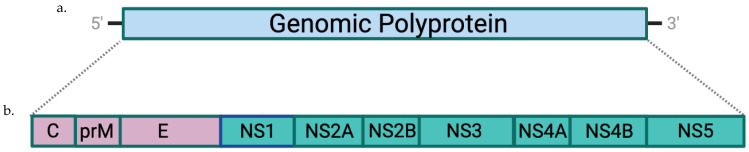
The disease yellow fever (YF) is prevented by a live-attenuated vaccine, termed 17D, which has been in use since the 1930s. One dose of the vaccine is thought to give lifelong (35+ years) protective immunity, and neutralizing antibodies are the correlate of protection. Despite being a vaccine-preventable disease, YF remains a major public health burden, causing an estimated 109,000 severe infections and 51,000 deaths annually. There are issues of supply and demand for the vaccine, and outbreaks in 2016 and 2018 resulted in fractional dosing of the vaccine to meet demand. The World Health Organization (WHO) has established the "Eliminate Yellow Fever Epidemics" (EYE) initiative to reduce the burden of YF over the next 10 years. As with most vaccines, the WHO has recommendations to assure the quality, safety, and efficacy of the YF vaccine. These require the use of live 17D vaccine only produced in embryonated chicken eggs, and safety evaluated in non-human primates only. Thus, any second-generation vaccines would require modification of WHO recommendations if they were to be used in endemic countries. There are multiple second-generation YF vaccine candidates in various stages of development that must be shown to be non-inferior to the current 17D vaccine in terms of safety and immunogenicity to progress through clinical trials to potential licensing. The historic 17D vaccine continues to shape the global vaccine landscape in its use in the generation of multiple licensed recombinant chimeric live vaccines and vaccine candidates, in which its structural protein genes are replaced with those of other viruses, such as dengue and Japanese encephalitis. There is no doubt that the YF 17D live-attenuated vaccine will continue to play a role in the development of new vaccines for YF, as well as potentially for many other pathogens.
黄热病(YF)可通过一种减毒活疫苗预防,即17D疫苗,自20世纪30年代以来一直在使用。一剂该疫苗被认为可提供终身(35年以上)的保护性免疫,中和抗体是保护的相关指标。尽管黄热病是一种可通过疫苗预防的疾病,但它仍然是一个重大的公共卫生负担,估计每年导致109,000例严重感染和51,000例死亡。该疫苗存在供需问题,2016年和2018年的疫情导致疫苗分剂量使用以满足需求。世界卫生组织(WHO)已发起“消除黄热病流行”(EYE)倡议,以在未来10年内减轻黄热病负担。与大多数疫苗一样,WHO有相关建议以确保黄热病疫苗的质量、安全性和有效性。这些建议要求仅使用在鸡胚中生产的17D减毒活疫苗,并且仅在非人类灵长类动物中进行安全性评估。因此,如果要在流行国家使用任何第二代疫苗,都需要修改WHO的建议。有多种处于不同开发阶段的第二代黄热病疫苗候选物,必须证明其在安全性和免疫原性方面不劣于当前的17D疫苗,才能通过临床试验进入潜在的许可阶段。具有历史意义的17D疫苗在用于生产多种已获许可的重组嵌合活疫苗和候选疫苗方面,继续塑造着全球疫苗格局,在这些疫苗中,其结构蛋白基因被其他病毒(如登革热病毒和日本脑炎病毒)的基因所取代。毫无疑问,黄热病17D减毒活疫苗将继续在黄热病新疫苗以及可能针对许多其他病原体的疫苗开发中发挥作用。