Herbal Medicine Research Centre, Institute for Medical Research, Ministry of Health, Setia Alam 40170, Malaysia.
Hospital Sultanah Bahiyah, Ministry of Health, Alor Setar 05460, Malaysia.
Nutrients. 2021 Aug 24;13(9):2909. doi: 10.3390/nu13092909.
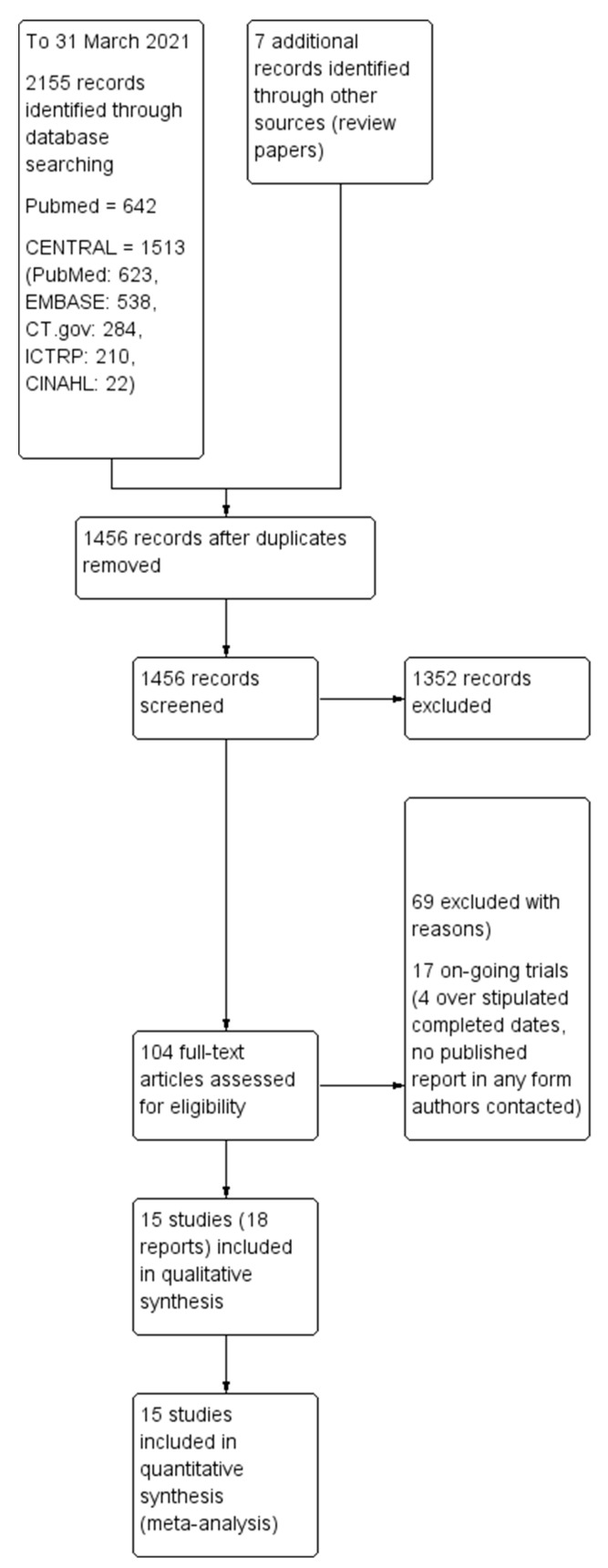
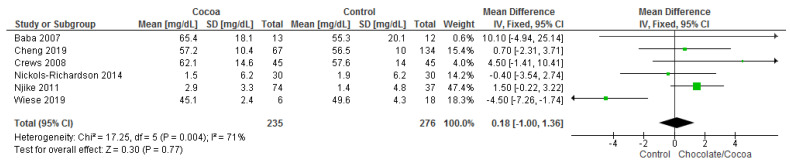
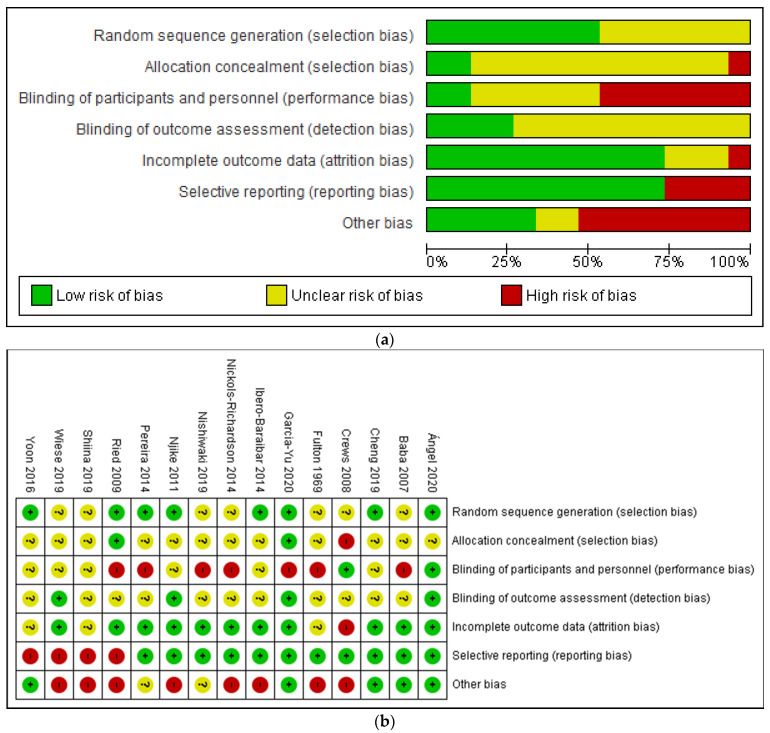
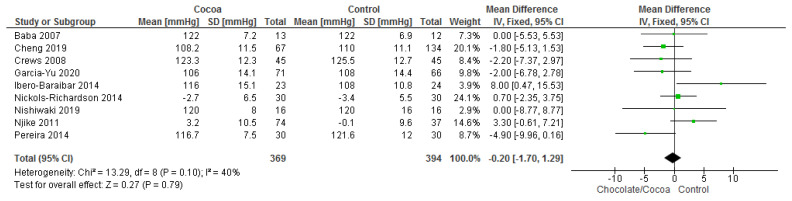
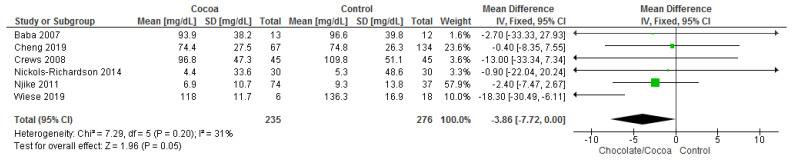
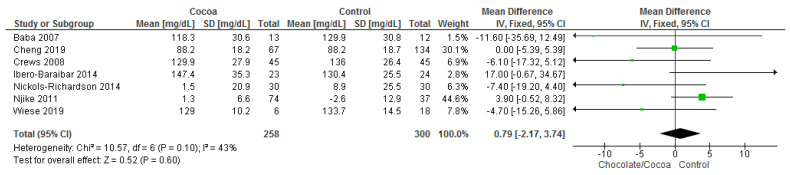
Chocolate has a history of human consumption tracing back to 400 AD and is rich in polyphenols such as catechins, anthocyanidins, and pro anthocyanidins. As chocolate and cocoa product consumption, along with interest in them as functional foods, increases worldwide, there is a need to systematically and critically appraise the available clinical evidence on their health effects. A systematic search was conducted on electronic databases such as MEDLINE, EMBASE, and Cochrane Central Register of Controlled Trials (CENTRAL) using a search strategy and keywords. Among the many health effects assessed on several outcomes (including skin, cardiovascular, anthropometric, cognitive, and quality of life), we found that compared to controls, chocolate or cocoa product consumption significantly improved lipid profiles (triglycerides), while the effects of chocolate on all other outcome parameters were not significantly different. In conclusion, low-to-moderate-quality evidence with short duration of research (majority 4-6 weeks) showed no significant difference between the effects of chocolate and control groups on parameters related to skin, blood pressure, lipid profile, cognitive function, anthropometry, blood glucose, and quality of life regardless of form, dose, and duration among healthy individuals. It was generally well accepted by study subjects, with gastrointestinal disturbances and unpalatability being the most reported concerns.
巧克力的人类食用历史可追溯至公元 400 年,其富含多种多酚,如儿茶素、花青素和原花青素。随着巧克力和可可制品消费的增加,以及人们对其作为功能性食品的兴趣日益浓厚,有必要系统地、批判性地评估其对健康影响的现有临床证据。我们使用搜索策略和关键词,在 MEDLINE、EMBASE 和 Cochrane 对照试验中心注册库(CENTRAL)等电子数据库中进行了系统搜索。在对多种(包括皮肤、心血管、人体测量学、认知和生活质量)健康影响进行评估的诸多结果中,我们发现与对照组相比,巧克力或可可制品的消费可显著改善血脂(甘油三酯),而巧克力对所有其他结果参数的影响则无显著差异。总之,研究时间较短(大多数为 4-6 周)的低质量至中等质量证据表明,在健康人群中,无论巧克力的形式、剂量和持续时间如何,巧克力组与对照组在与皮肤、血压、血脂、认知功能、人体测量学、血糖和生活质量相关的参数方面没有显著差异。研究对象普遍接受巧克力,最常报告的问题是胃肠道不适和口感不佳。