Scripps Center for Metabolomics and Mass Spectrometry, Scripps Research Institute; La Jolla, California 92037, USA.
Department of Molecular Medicine, Scripps Research Institute, La Jolla, CA 92037, USA.
Sci Signal. 2021 Sep 28;14(702):eabf6584. doi: 10.1126/scisignal.abf6584.
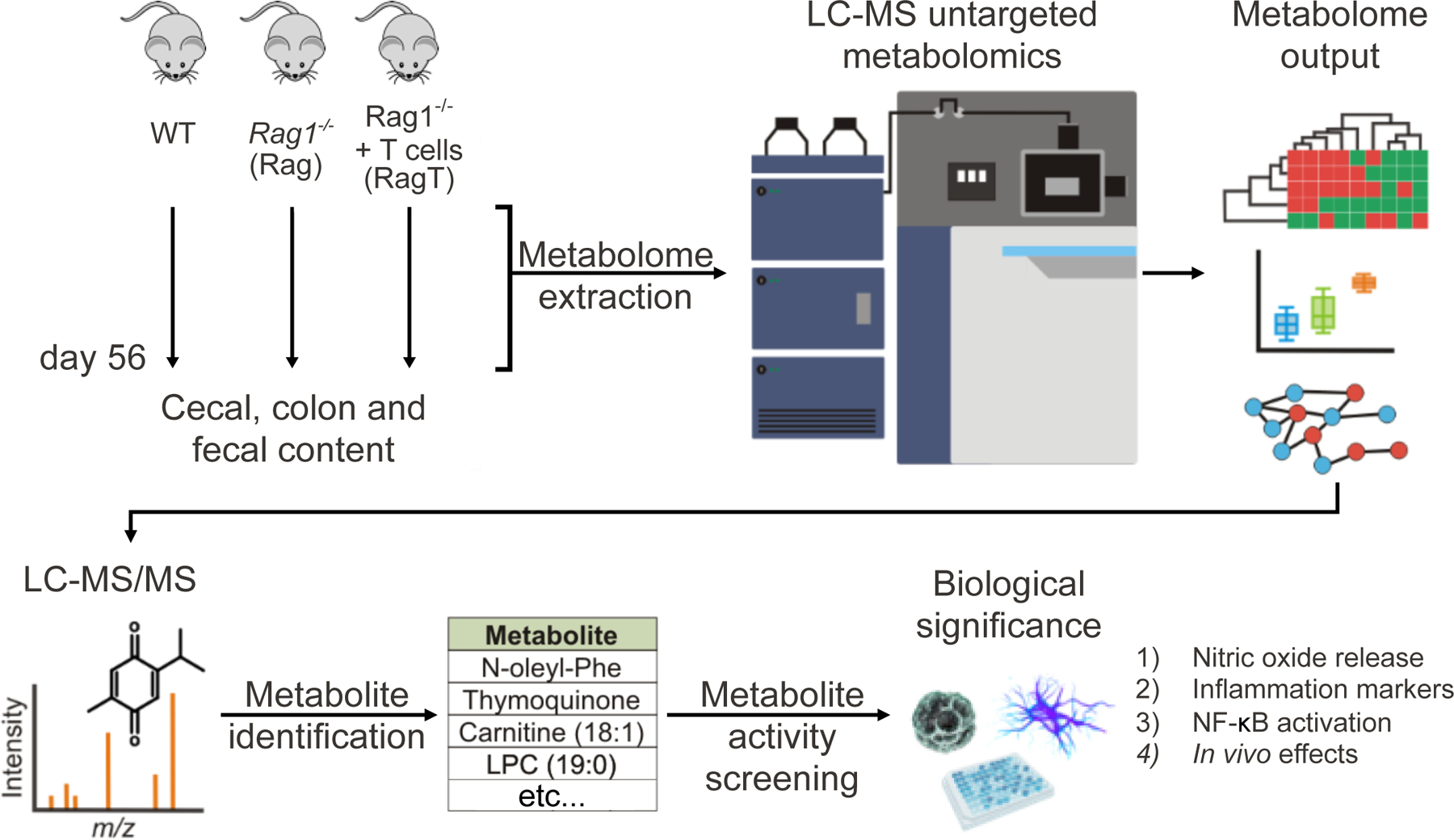
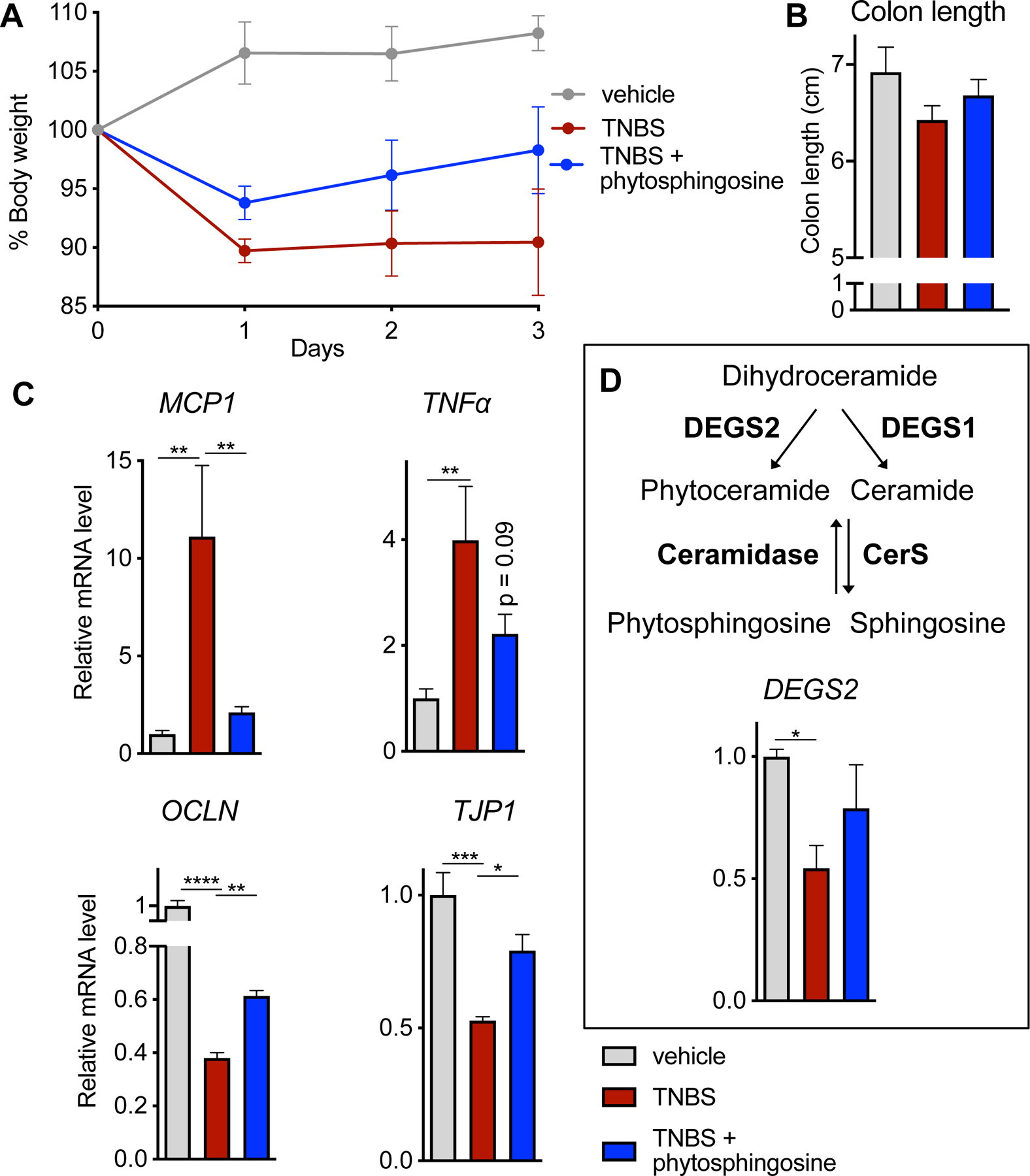
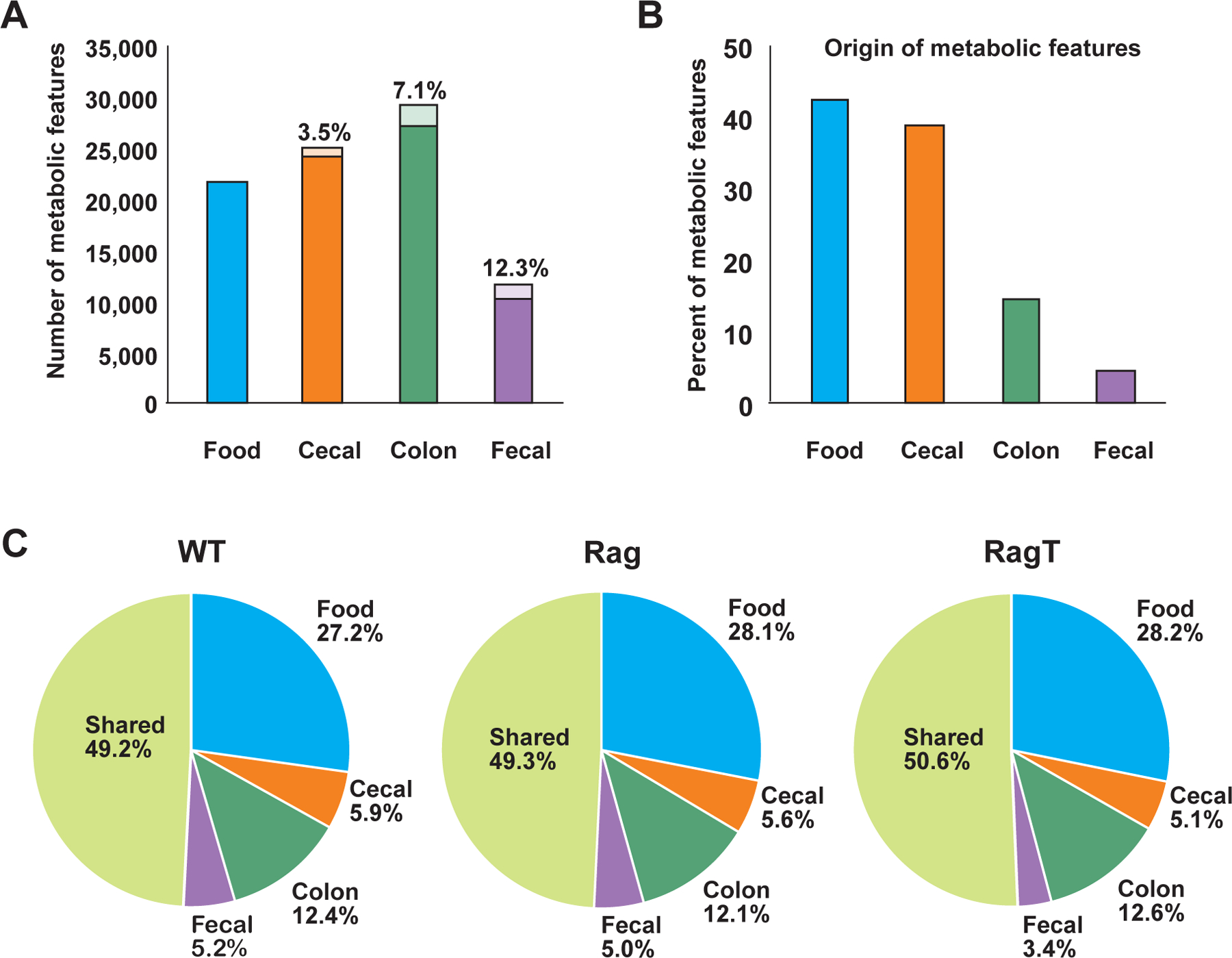
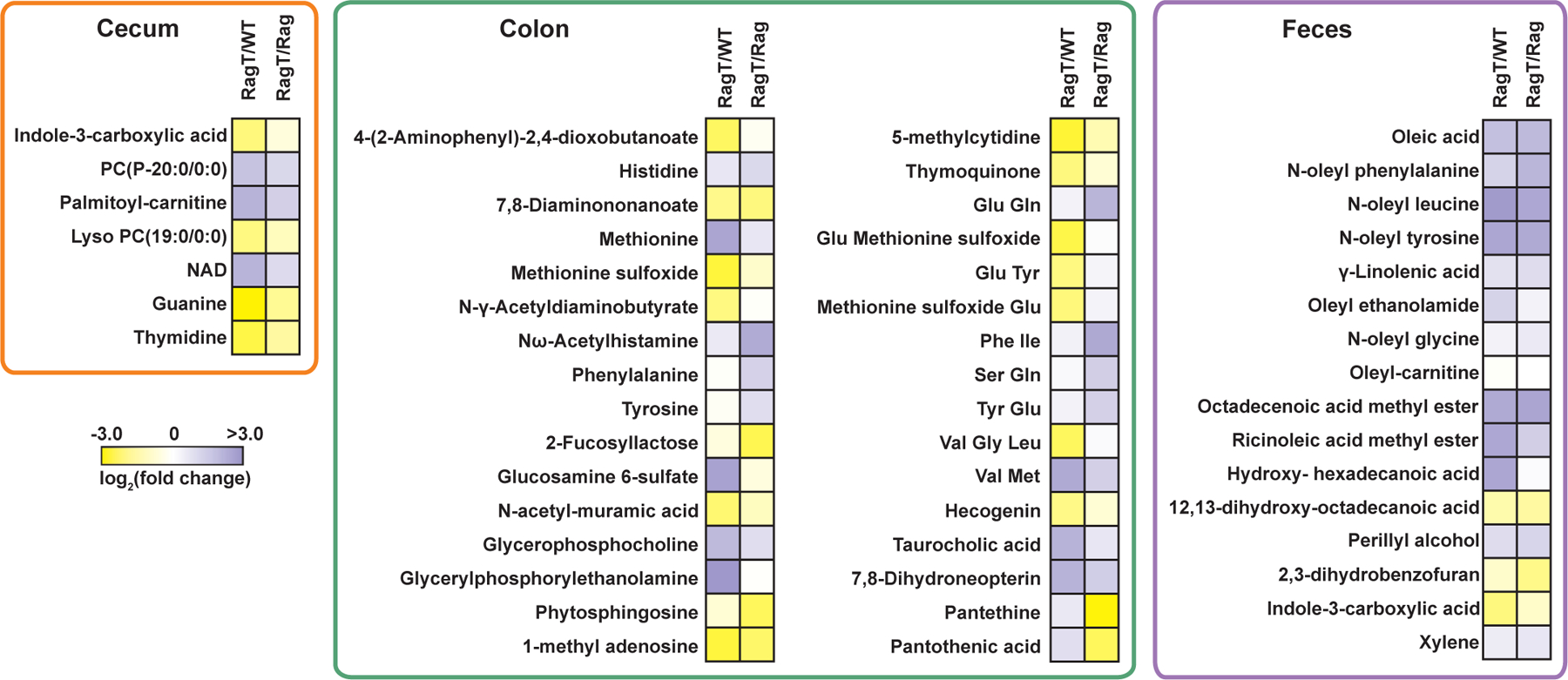
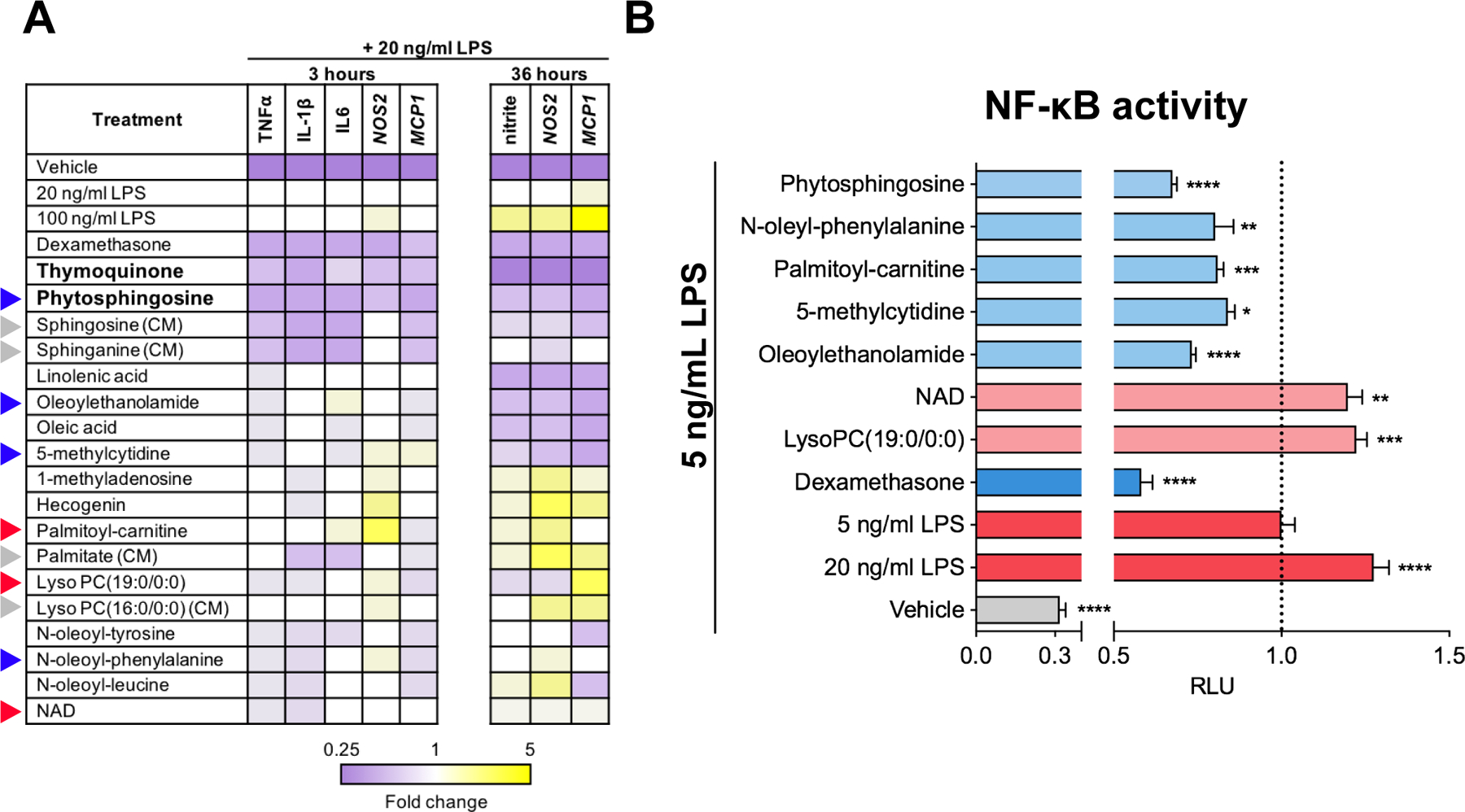
Untargeted metabolomics of disease-associated intestinal microbiota can detect quantitative changes in metabolite profiles and complement other methodologies to reveal the full effect of intestinal dysbiosis. Here, we used the T cell transfer mouse model of colitis to identify small-molecule metabolites with altered abundance due to intestinal inflammation. We applied untargeted metabolomics to detect metabolite signatures in cecal, colonic, and fecal samples from healthy and colitic mice and to uncover differences that would aid in the identification of colitis-associated metabolic processes. We provided an unbiased spatial survey of the GI tract for small molecules, and we identified the likely source of metabolites and biotransformations. Several prioritized metabolites that we detected as being altered in colitis were evaluated for their ability to induce inflammatory signaling in cultured macrophages, such as NF-κB signaling and the expression of cytokines and chemokines upon LPS stimulation. Multiple previously uncharacterized anti-inflammatory and inflammation-augmenting metabolites were thus identified, with phytosphingosine showing the most effective anti-inflammatory activity in vitro. We further demonstrated that oral administration of phytosphingosine decreased inflammation in a mouse model of colitis induced by the compound TNBS. The collection of distinct metabolites we identified and characterized, many of which have not been previously associated with colitis, may offer new biological insight into IBD-associated inflammation and disease pathogenesis.
疾病相关肠道微生物组的非靶向代谢组学可以检测代谢物谱的定量变化,并补充其他方法来揭示肠道菌群失调的全部影响。在这里,我们使用 T 细胞转移结肠炎小鼠模型来鉴定由于肠道炎症而丰度改变的小分子代谢物。我们应用非靶向代谢组学方法来检测来自健康和结肠炎小鼠的盲肠、结肠和粪便样本中的代谢物特征,并揭示有助于识别结肠炎相关代谢过程的差异。我们为小分子提供了对胃肠道的无偏空间调查,并确定了代谢物和生物转化的可能来源。我们检测到的几种在结肠炎中改变的优先代谢物被评估其在培养的巨噬细胞中诱导炎症信号的能力,例如 LPS 刺激时 NF-κB 信号和细胞因子和趋化因子的表达。因此,鉴定出多种以前未表征的抗炎和炎症增强代谢物,其中植物鞘氨醇在体外具有最有效的抗炎活性。我们进一步证明,植物鞘氨醇的口服给药可降低由 TNBS 诱导的结肠炎小鼠模型中的炎症。我们鉴定和表征的不同代谢物的集合,其中许多以前与结肠炎无关,可能为 IBD 相关炎症和疾病发病机制提供新的生物学见解。