Infectomics Cluster, Advanced Medical and Dental Institute, Universiti Sains Malaysia, Kepala Batas, Malaysia.
Regenerative Medicine Cluster, Advanced Medical and Dental Institute, Universiti Sains Malaysia, Kepala Batas, Malaysia.
Sci Rep. 2021 Sep 28;11(1):19265. doi: 10.1038/s41598-021-98657-7.
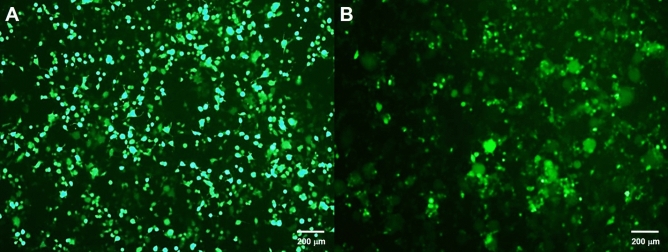
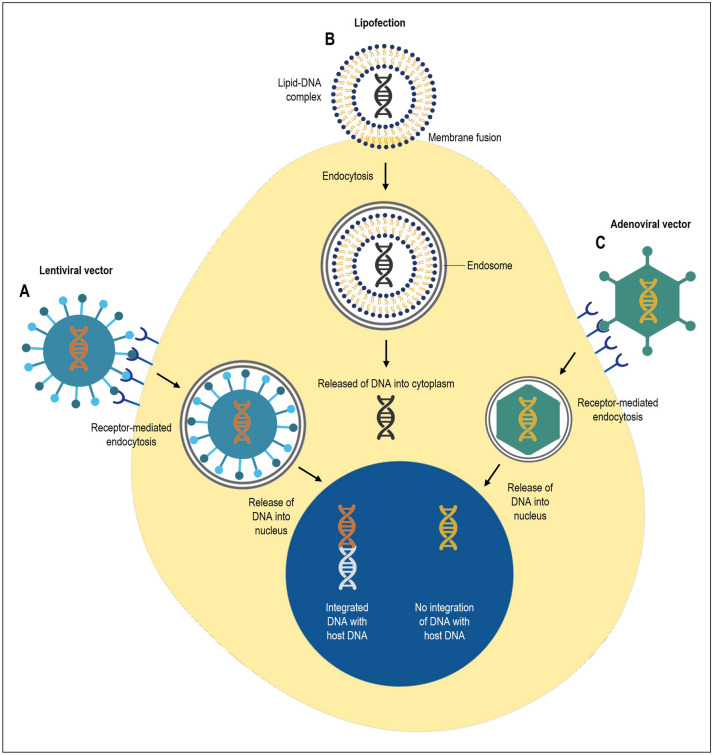
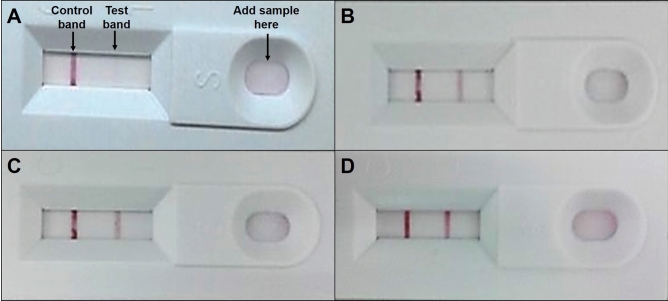
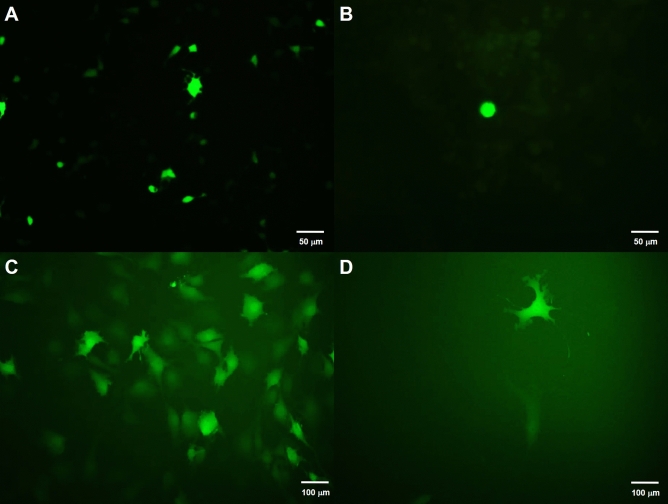
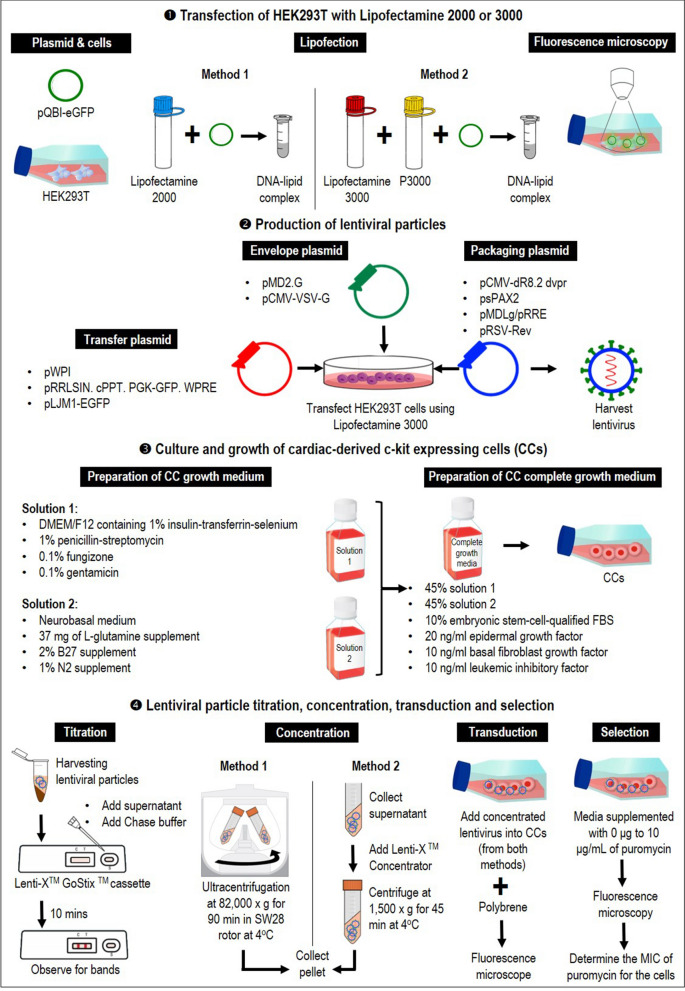
Gene therapy revolves around modifying genetic makeup by inserting foreign nucleic acids into targeted cells via gene delivery methods to treat a particular disease. While the genes targeted play a key role in gene therapy, the gene delivery system used is also of utmost importance as it determines the success of gene therapy. As primary cells and stem cells are often the target cells for gene therapy in clinical trials, the delivery system would need to be robust, and viral-based entries such as lentiviral vectors work best at transporting the transgene into the cells. However, even within lentiviral vectors, several parameters can affect the functionality of the delivery system. Using cardiac-derived c-kit expressing cells (CCs) as a model system, this study aims to optimize lentiviral production by investigating various experimental factors such as the generation of the lentiviral system, concentration method, and type of selection marker. Our findings showed that the 2nd generation system with pCMV-dR8.2 dvpr as the packaging plasmid produced a 7.3-fold higher yield of lentiviral production compared to psPAX2. Concentrating the virus with ultracentrifuge produced a higher viral titer at greater than 5 × 10 infectious unit values/ml (IFU/ml). And lastly, the minimum inhibitory concentration (MIC) of puromycin selection marker was 10 μg/mL and 7 μg/mL for HEK293T and CCs, demonstrating the suitability of antibiotic selection for all cell types. This encouraging data can be extrapolated and applied to other difficult-to-transfect cells, such as different types of stem cells or primary cells.
基因治疗是通过基因传递方法将外源核酸插入靶向细胞来改变遗传构成,从而治疗特定疾病。虽然靶向基因在基因治疗中起着关键作用,但所用的基因传递系统也至关重要,因为它决定了基因治疗的成败。由于原代细胞和干细胞通常是临床试验中基因治疗的靶细胞,因此传递系统需要稳健,基于病毒的载体如慢病毒载体最适合将转基因运送到细胞中。然而,即使在慢病毒载体中,几个参数也会影响传递系统的功能。本研究以心脏来源的 c-kit 表达细胞(CC)为模型系统,旨在通过研究各种实验因素(如慢病毒系统的产生、浓缩方法和选择标记类型)来优化慢病毒的生产。我们的研究结果表明,与 psPAX2 相比,第 2 代系统 pCMV-dR8.2 dvpr 作为包装质粒可使慢病毒产量提高 7.3 倍。超速离心浓缩病毒可产生更高的病毒滴度,大于 5×10 感染单位值/ml(IFU/ml)。最后,嘌呤霉素选择标记的最小抑制浓度(MIC)对于 HEK293T 和 CC 分别为 10μg/mL 和 7μg/mL,表明抗生素选择适用于所有细胞类型。这些令人鼓舞的数据可以外推和应用于其他难以转染的细胞,如不同类型的干细胞或原代细胞。