Yerlanuly Yerassyl, Zhumadilov Rakhymzhan, Nemkayeva Renata, Uzakbaiuly Berik, Beisenbayev Almaz R, Bakenov Zhumabay, Ramazanov Tlekkabul, Gabdullin Maratbek, Ng Annie, Brus Viktor V, Jumabekov Askhat N
Laboratory of Engineering Profile, Al-Farabi Kazakh National University, 050040, Almaty, Kazakhstan.
Kazakh-British Technical University, 050000, Almaty, Kazakhstan.
Sci Rep. 2021 Sep 29;11(1):19287. doi: 10.1038/s41598-021-97997-8.
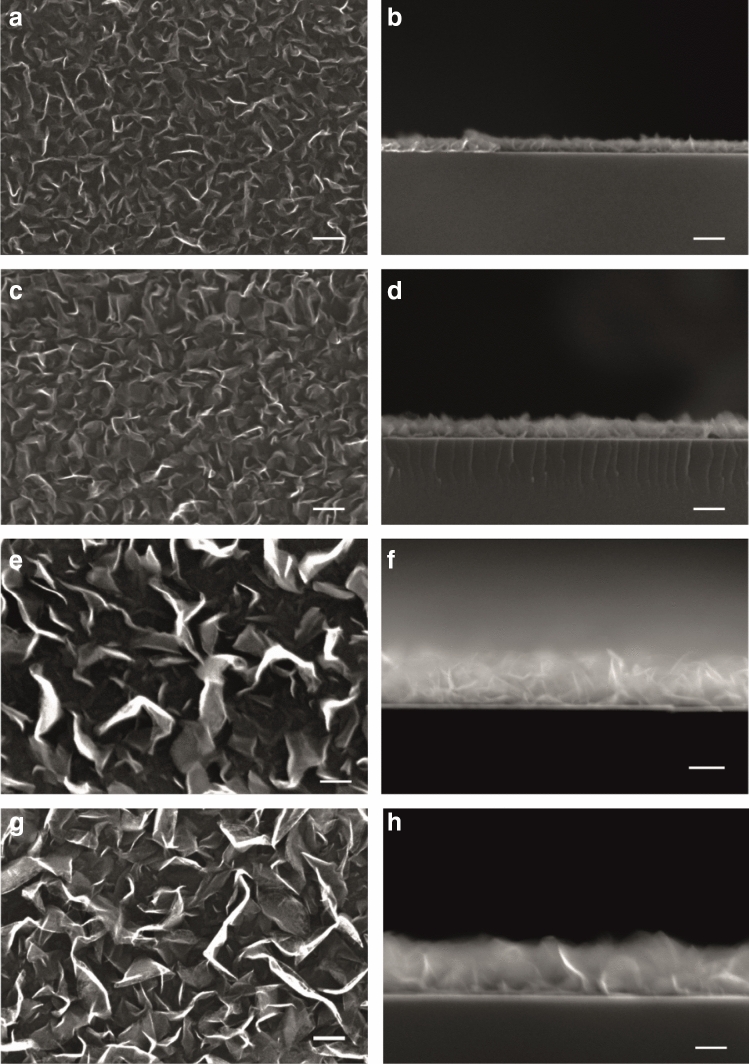
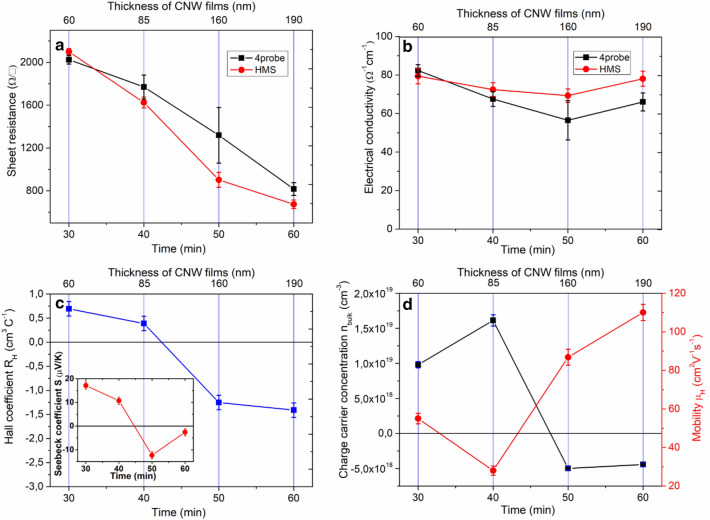
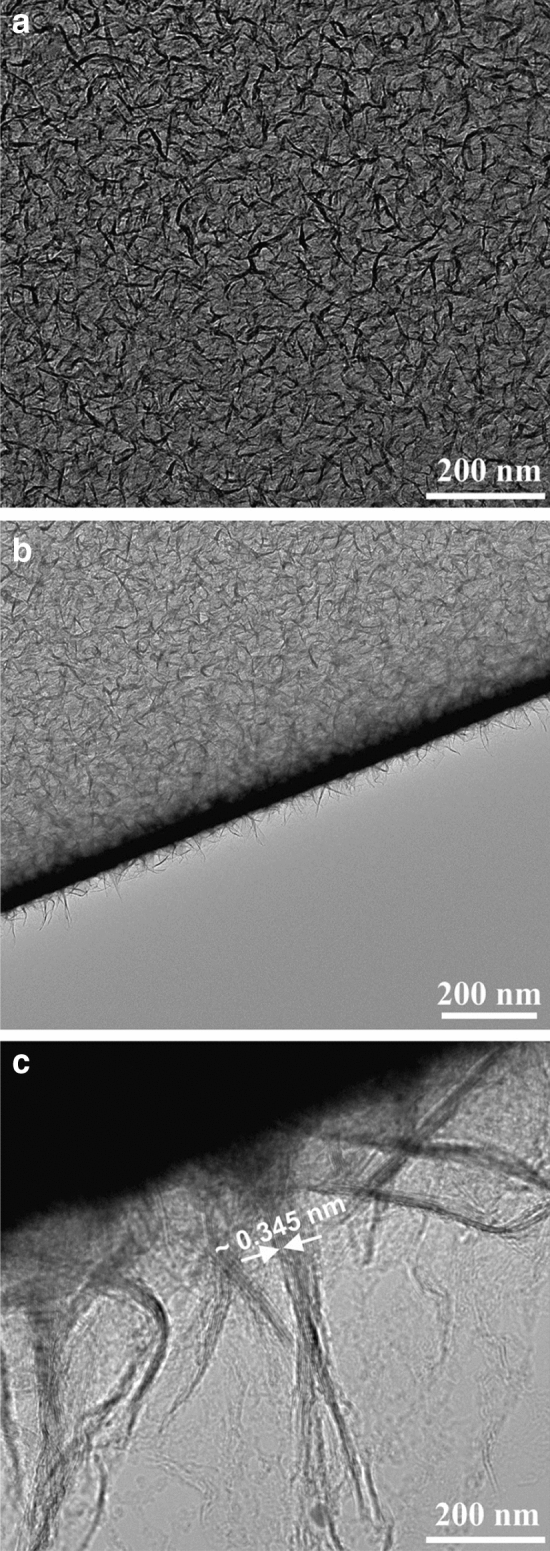
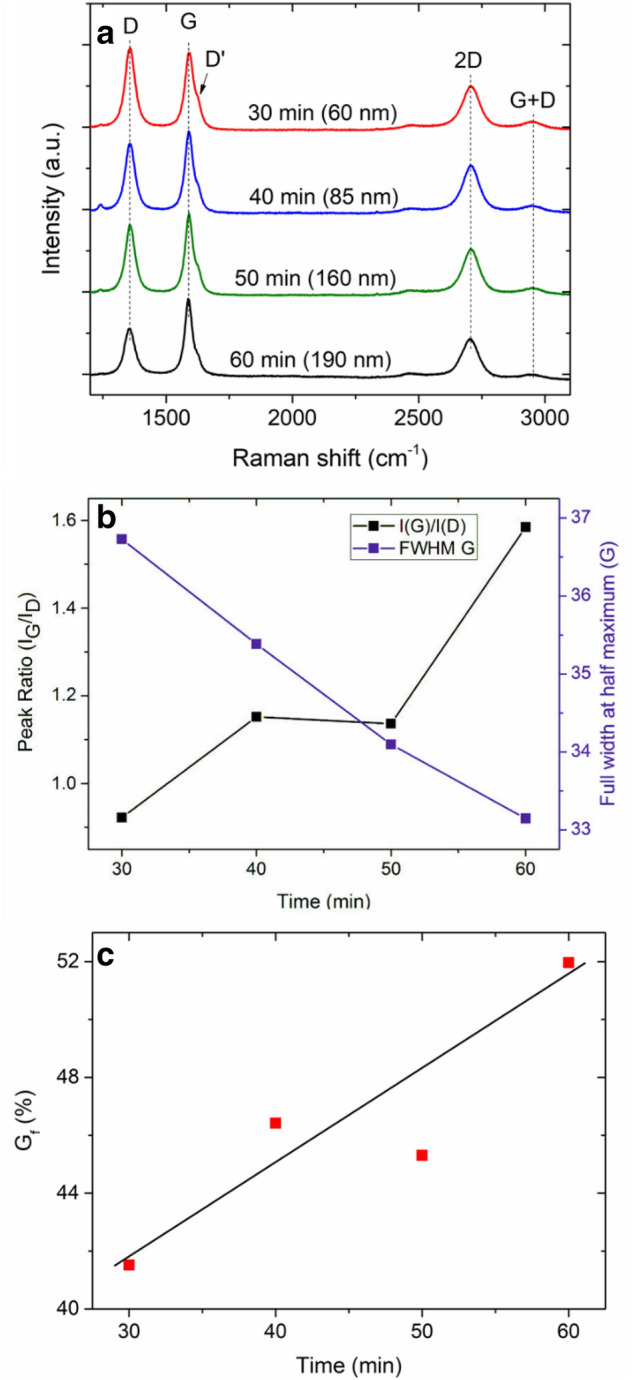
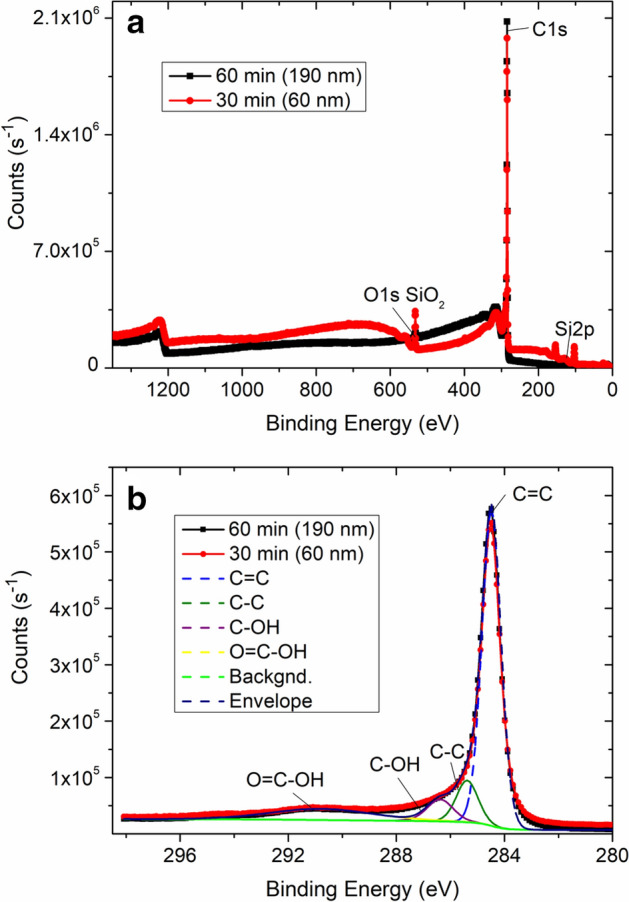
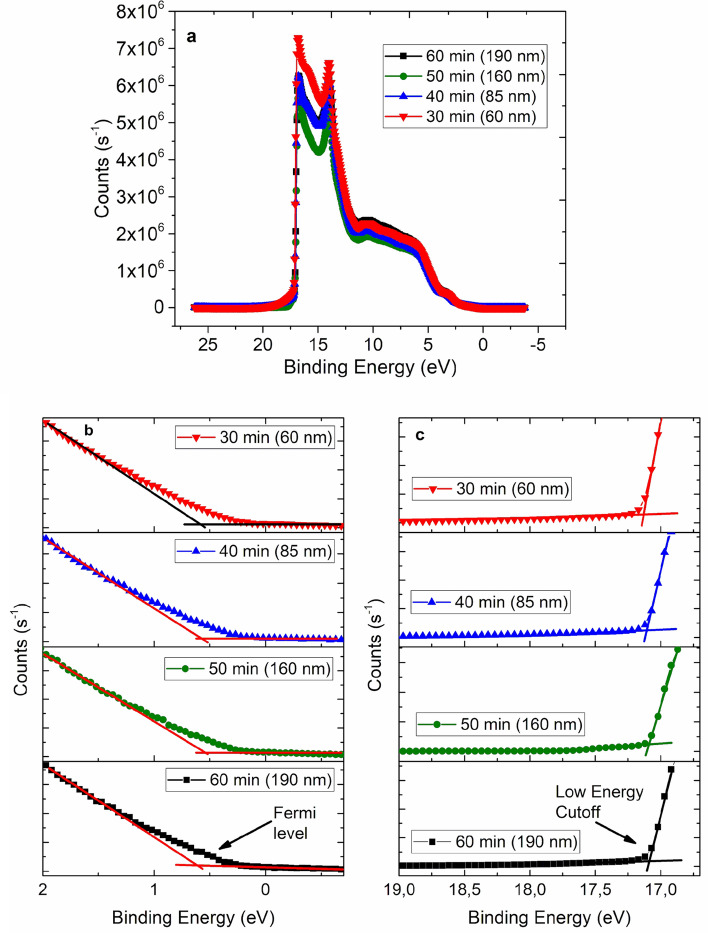
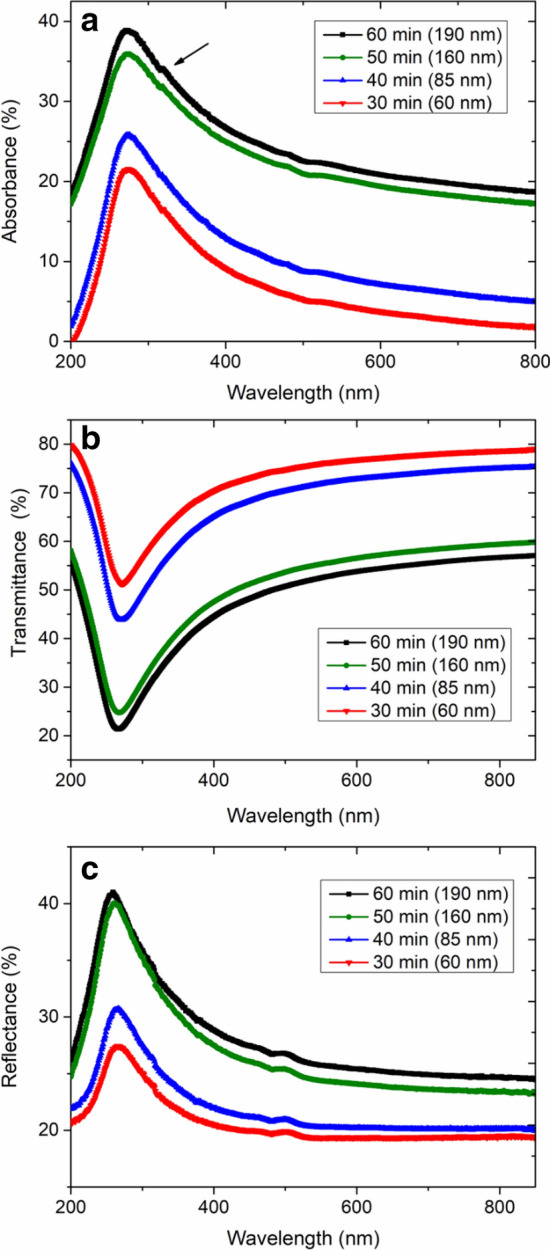
Investigation of the physical properties of carbon nanowall (CNW) films is carried out in correlation with the growth time. The structural, electronic, optical and electrical properties of CNW films are investigated using electron microscopy, Raman spectroscopy, X-ray photoelectron spectroscopy, ultraviolet photoelectron spectroscopy, UV-Vis spectroscopy, Hall Effect measurement system, Four Point Probing system, and thermoelectric measurements. Shorter growth time results in thinner CNW films with a densely spaced labyrinth structure, while a longer growth time results in thicker CNW films with a petal structure. These changes in morphology further lead to changes in the structural, optical, and electrical properties of the CNW.
对碳纳米壁(CNW)薄膜的物理性质进行了与生长时间相关的研究。使用电子显微镜、拉曼光谱、X射线光电子能谱、紫外光电子能谱、紫外-可见光谱、霍尔效应测量系统、四点探针系统和热电测量等方法,对CNW薄膜的结构、电子、光学和电学性质进行了研究。较短的生长时间会导致形成具有密集排列的迷宫结构的较薄CNW薄膜,而较长的生长时间则会导致形成具有花瓣结构的较厚CNW薄膜。这些形态上的变化进一步导致了CNW的结构、光学和电学性质的变化。