Migdadi Lubaba, Lambert Jörg, Telfah Ahmad, Hergenröder Roland, Wöhler Christian
Leibniz-Institut für Analytische Wissenschaften - ISAS - e.V. 44139, Dortmund, Germany.
Image Analysis Group, TU Dortmund, 44227 Dortmund, Germany.
Comput Struct Biotechnol J. 2021 Aug 31;19:5047-5058. doi: 10.1016/j.csbj.2021.08.048. eCollection 2021.
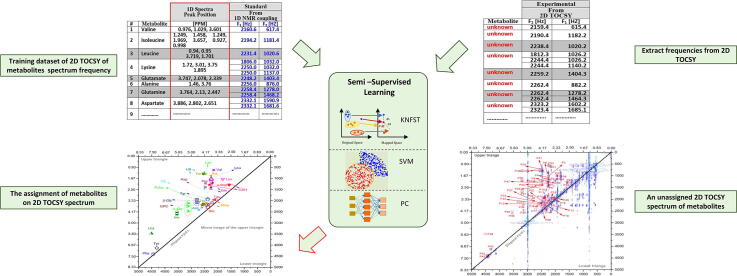
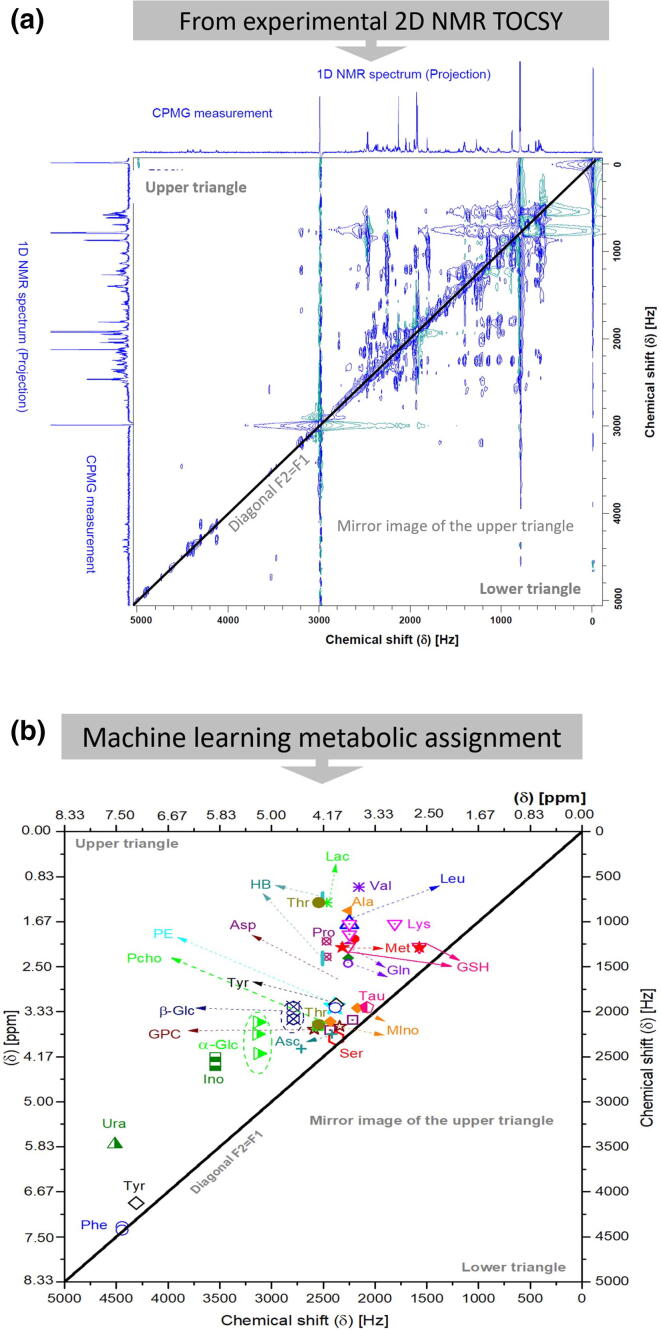
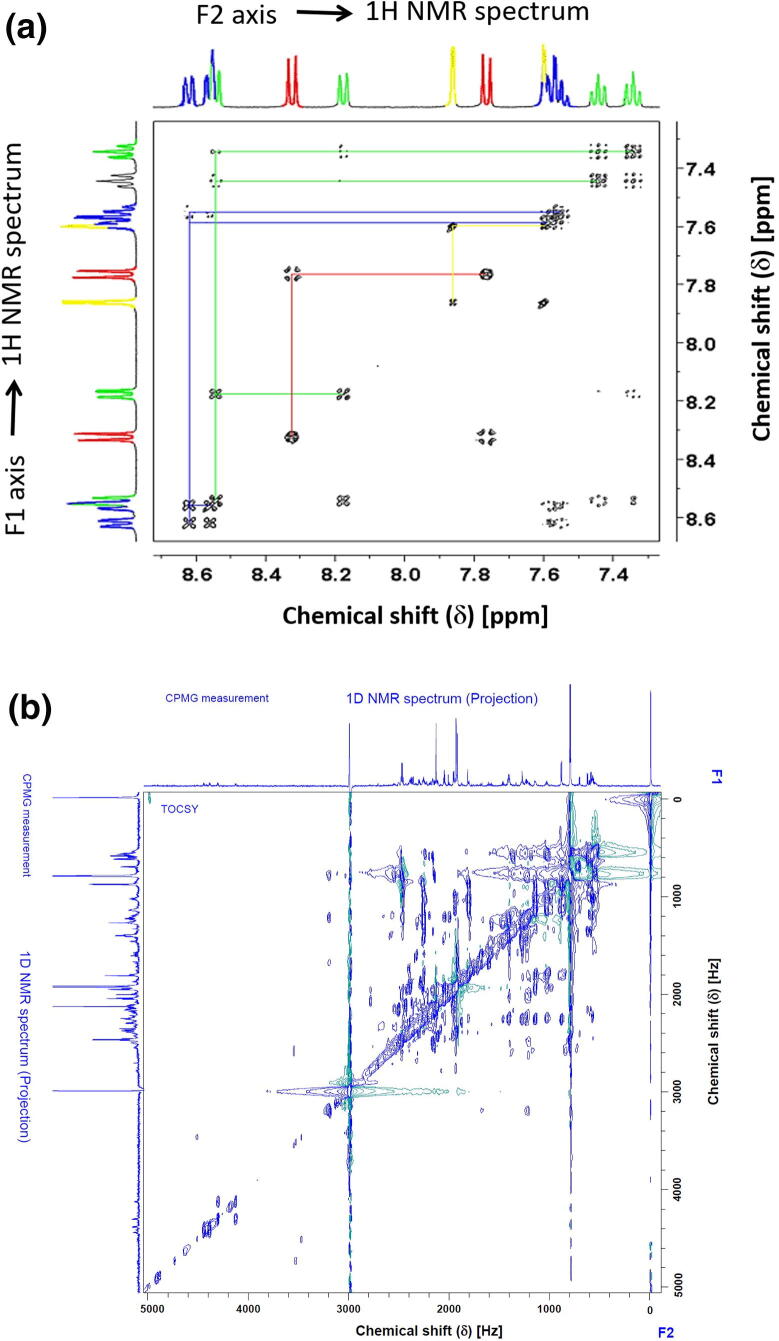
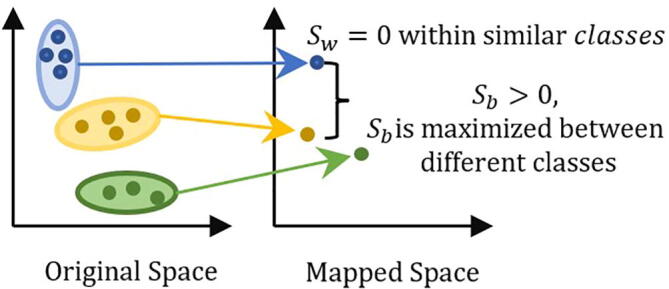
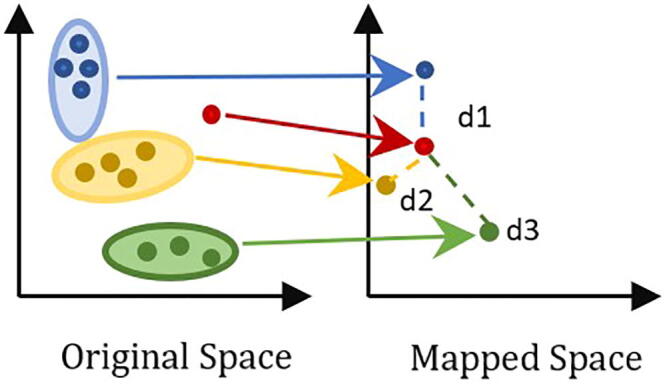
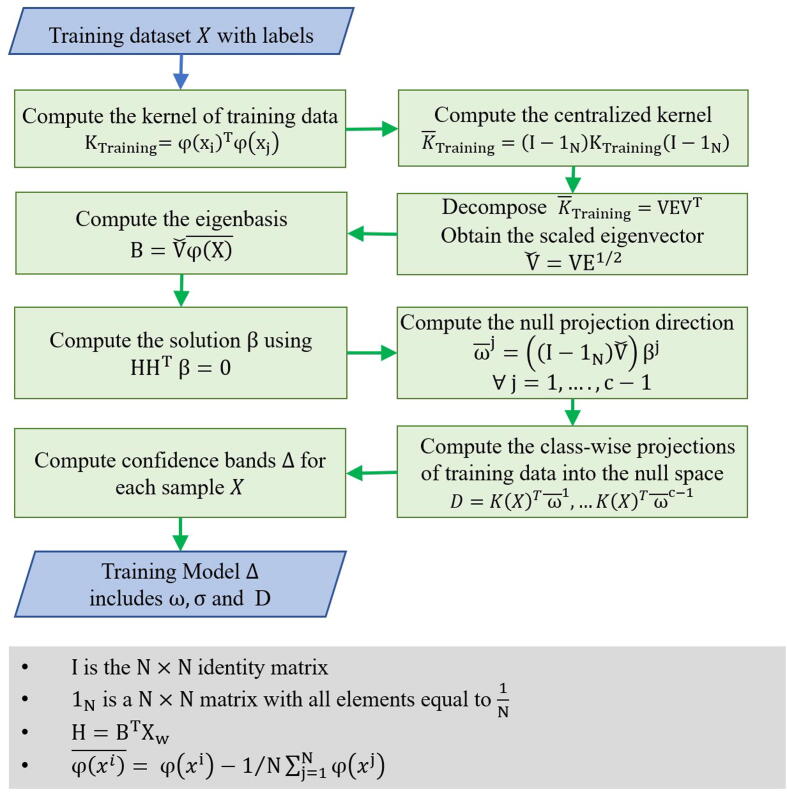
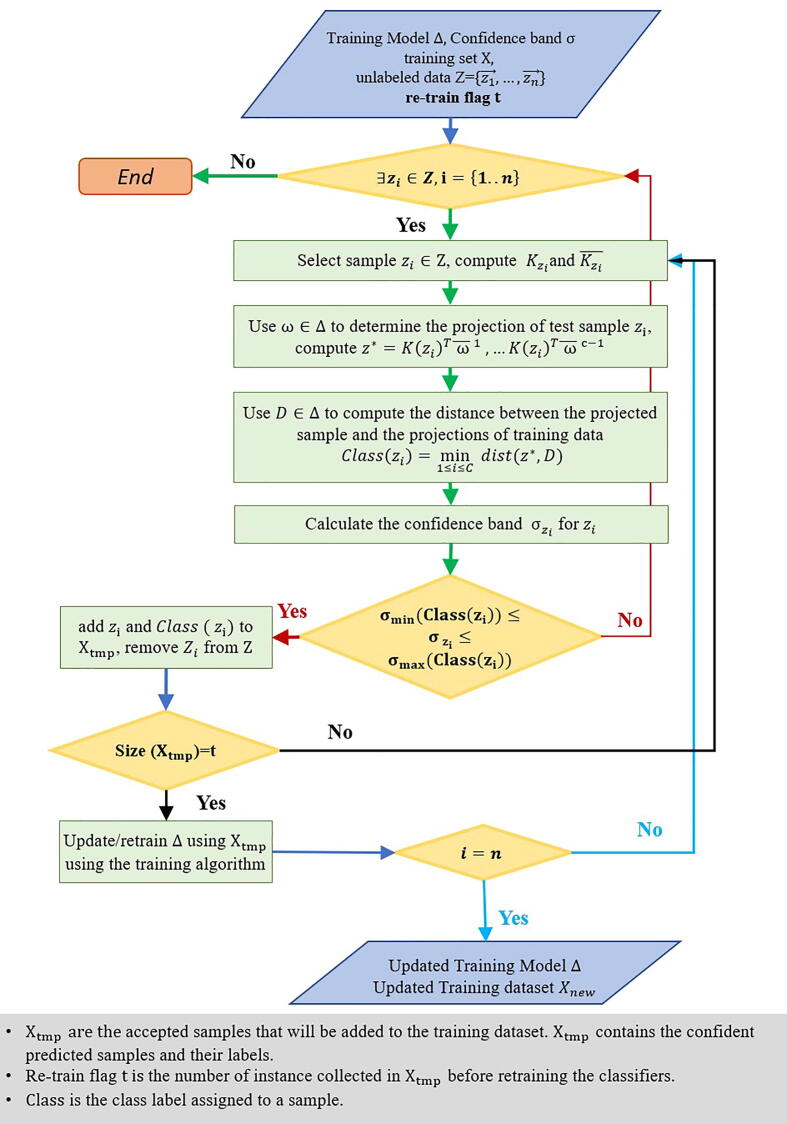
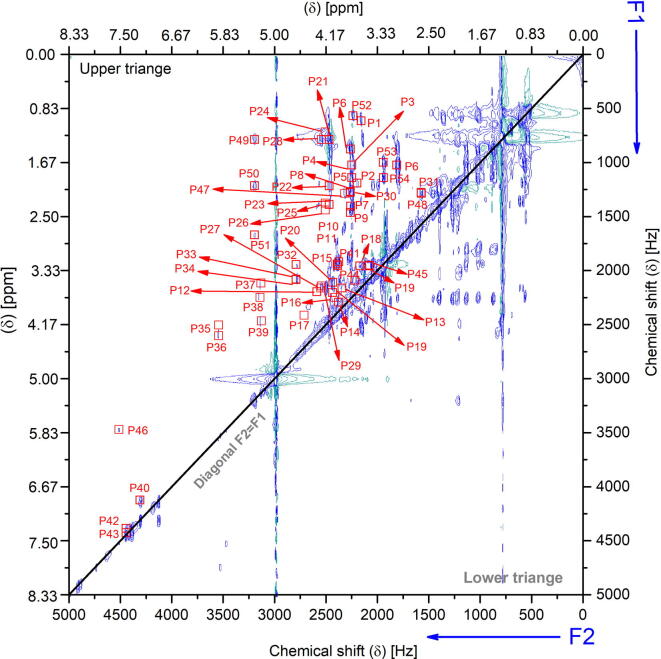
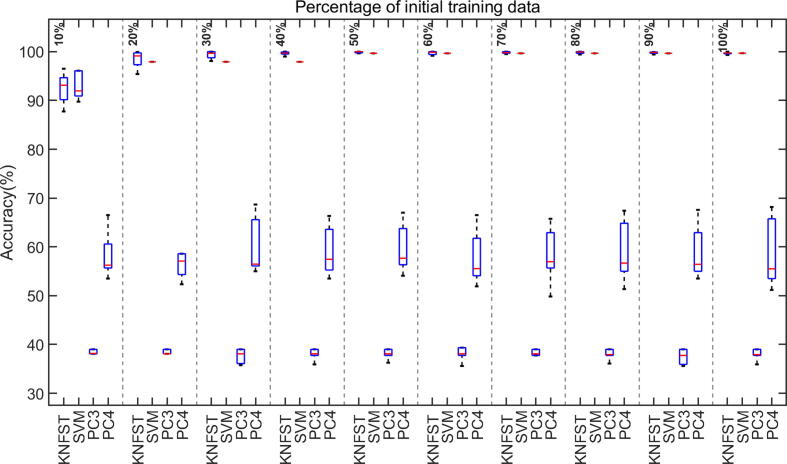
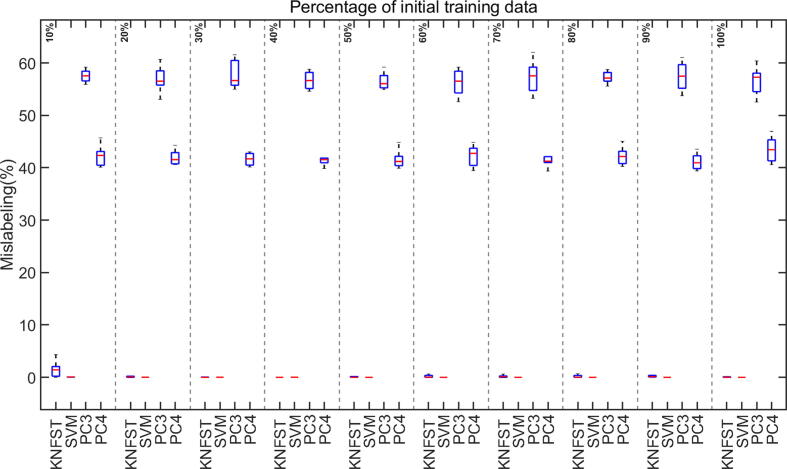
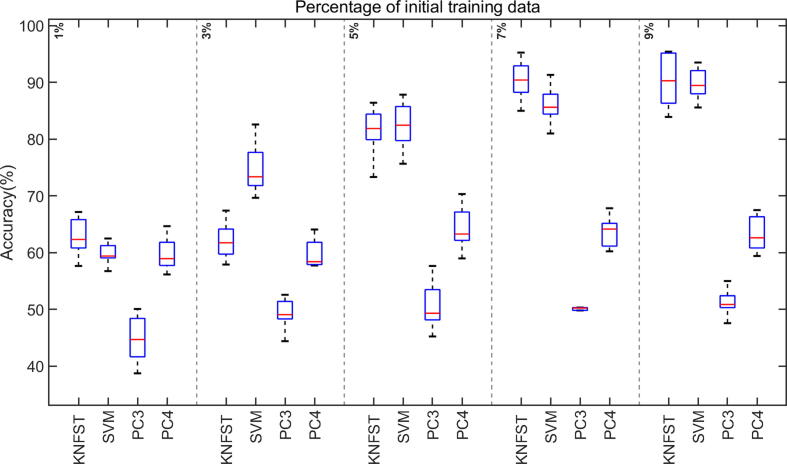
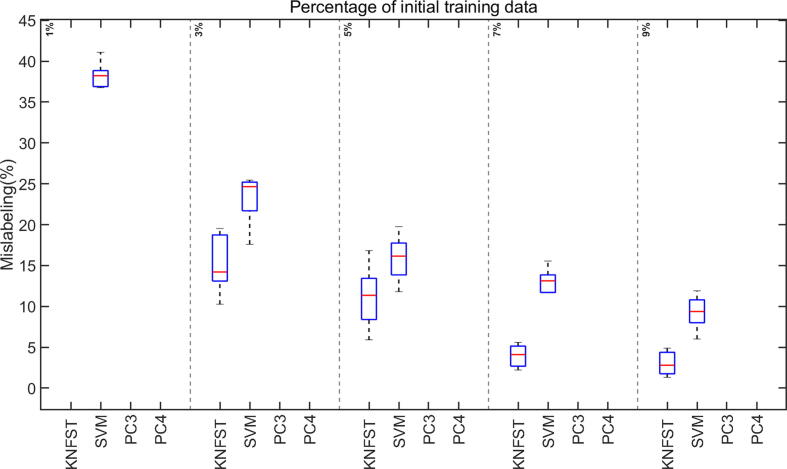
Metabolomics is an expanding field of medical diagnostics since many diseases cause metabolic reprogramming alteration. Additionally, the metabolic point of view offers an insight into the molecular mechanisms of diseases. Due to the complexity of metabolic assignment dependent on the 1D NMR spectral analysis, 2D NMR techniques are preferred because of spectral resolution issues. Thus, in this work, we introduce an automated metabolite identification and assignment from H-H TOCSY (total correlation spectroscopy) using real breast cancer tissue. The new approach is based on customized and extended semi-supervised classifiers: KNFST, SVM, third (PC3) and fourth (PC4) degree polynomial. In our approach, metabolic assignment is based only on the vertical and horizontal frequencies of the metabolites in the H-H TOCSY. KNFST and SVM show high performance (high accuracy and low mislabeling rate) in relatively low size of initially labeled training data. PC3 and PC4 classifiers showed lower accuracy and high mislabeling rates, and both classifiers fail to provide an acceptable accuracy at extremely low size (≤9% of the entire dataset) of initial training data. Additionally, semi-supervised classifiers were implemented to obtain a fully automatic procedure for signal assignment and deconvolution of TOCSY, which is a big step forward in NMR metabolic profiling. A set of 27 metabolites were deduced from the TOCSY, and their assignments agreed with the metabolites deduced from a 1D NMR spectrum of the same sample analyzed by conventional human-based methodology.
代谢组学是医学诊断领域中一个不断发展的领域,因为许多疾病会导致代谢重编程改变。此外,代谢视角有助于深入了解疾病的分子机制。由于依赖一维核磁共振光谱分析进行代谢物归属的复杂性,二维核磁共振技术因光谱分辨率问题而更受青睐。因此,在本研究中,我们介绍了一种使用真实乳腺癌组织从H-H TOCSY(全相关光谱)中自动进行代谢物鉴定和归属的方法。新方法基于定制和扩展的半监督分类器:KNFST、支持向量机(SVM)、三次(PC3)和四次(PC4)多项式。在我们的方法中,代谢物归属仅基于H-H TOCSY中代谢物的垂直和水平频率。KNFST和SVM在初始标记训练数据规模相对较小时表现出高性能(高准确率和低错误标记率)。PC3和PC4分类器的准确率较低且错误标记率较高,并且在初始训练数据规模极低(≤整个数据集的9%)时,这两个分类器都无法提供可接受的准确率。此外,实施了半监督分类器以获得用于TOCSY信号归属和解卷积的全自动程序,这在核磁共振代谢谱分析方面向前迈出了一大步。从TOCSY中推导得出一组27种代谢物,它们的归属与通过传统的基于人工的方法分析的同一样品的一维核磁共振光谱推导得出的代谢物一致。