Department of Biological Sciences, Cell Differentiation and Development Center, Joan C. Edwards School of Medicine, Byrd Biotechnology Science Center, Marshall University, Huntington, WV, United States.
Laboratoire d'ImmunoRhumatologie Moléculaire, Institut National de la Santé et de la Recherche Médicale (INSERM) UMR_S 1109, Institut thématique interdisciplinaire (ITI) de Médecine de Précision de Strasbourg, Transplantex NG, Faculté de Médecine, Fédération Hospitalo-Universitaire OMICARE, Fédération de Médecine Translationnelle de Strasbourg (FMTS), Université de Strasbourg, Strasbourg, France.
Front Immunol. 2021 Sep 17;12:752359. doi: 10.3389/fimmu.2021.752359. eCollection 2021.
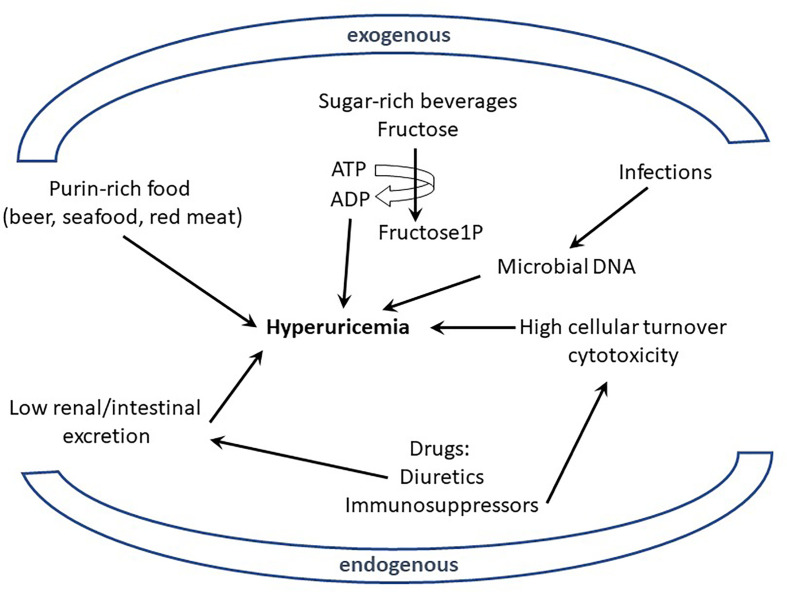
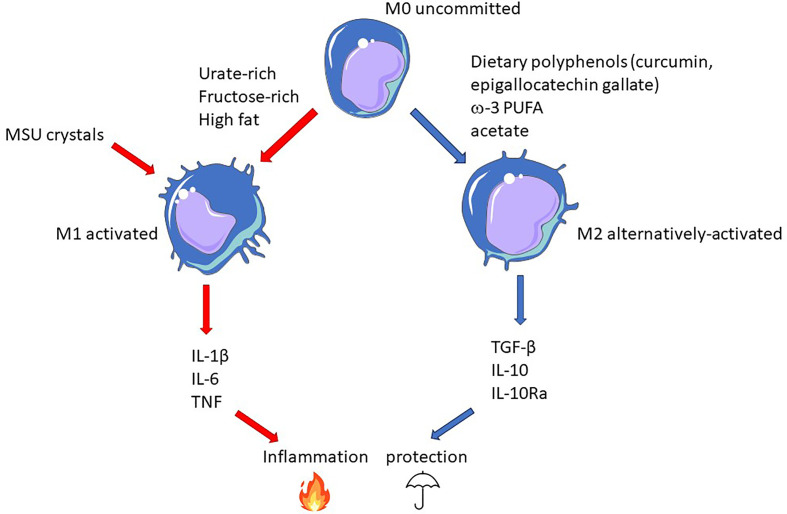
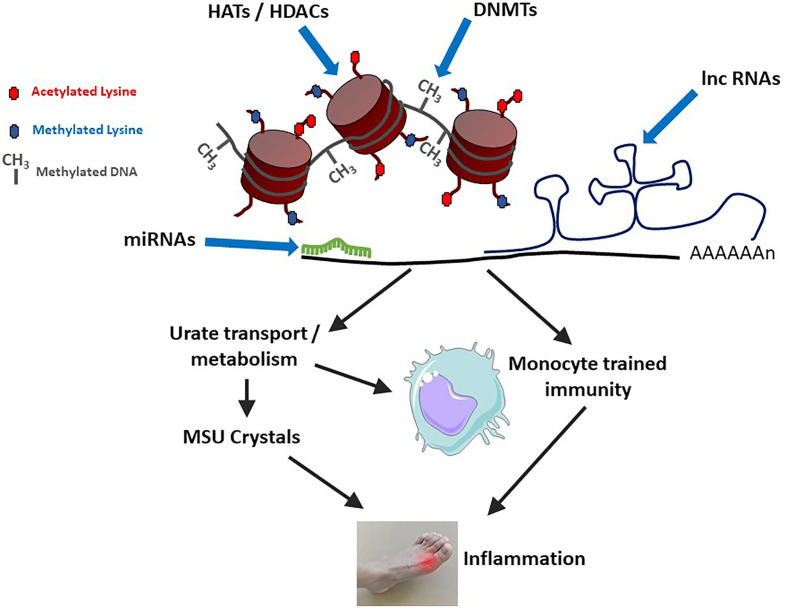
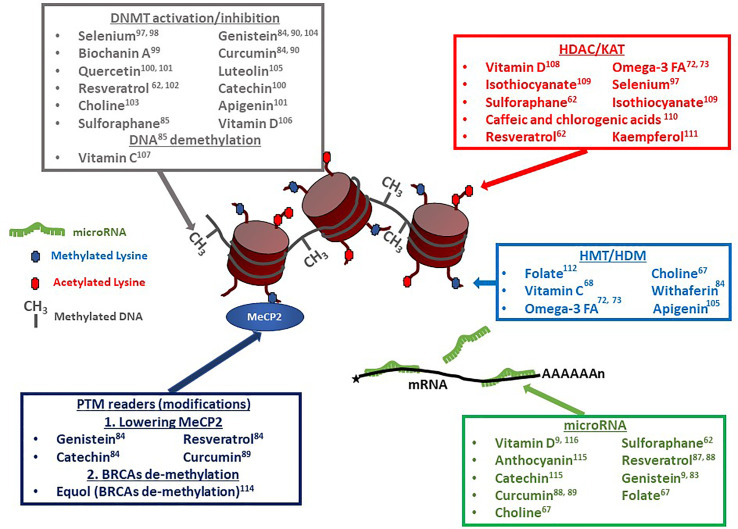
Gout is the most frequent form of inflammatory arthritis in the world. Its prevalence is particularly elevated in specific geographical areas such as in the Oceania/Pacific region and is rising in the US, Europe, and Asia. Gout is a severe and painful disease, in which co-morbidities are responsible for a significant reduction in life expectancy. However, gout patients remain ostracized because the disease is still considered "self-inflicted", as a result of unhealthy lifestyle and excessive food and alcohol intake. While the etiology of gout flares is clearly associated with the presence of monosodium urate (MSU) crystal deposits, several major questions remain unanswered, such as the relationships between diet, hyperuricemia and gout flares or the mechanisms by which urate induces inflammation. Recent advances have identified gene variants associated with gout incidence. Nevertheless, genetic origins of gout combined to diet-related possible uric acid overproduction account for the symptoms in only a minor portion of patients. Hence, additional factors must be at play. Here, we review the impact of epigenetic mechanisms in which nutrients (such as ω-3 polyunsaturated fatty acids) and/or dietary-derived metabolites (like urate) trigger anti/pro-inflammatory responses that may participate in gout pathogenesis and severity. We propose that simple dietary regimens may be beneficial to complement therapeutic management or contribute to the prevention of flares in gout patients.
痛风是世界上最常见的炎症性关节炎形式。其在特定地理区域(如大洋洲/太平洋地区)的患病率特别高,在美国、欧洲和亚洲也呈上升趋势。痛风是一种严重且疼痛的疾病,其合并症导致预期寿命显著缩短。然而,由于痛风被认为是“自作自受”的疾病,是由于不健康的生活方式和过量摄入食物和酒精导致的,因此痛风患者仍然受到歧视。虽然痛风发作的病因显然与单钠尿酸盐(MSU)晶体沉积有关,但仍有几个主要问题尚未得到解答,例如饮食、高尿酸血症与痛风发作之间的关系,或尿酸引起炎症的机制。最近的研究进展确定了与痛风发病相关的基因变异。然而,痛风的遗传起源加上与饮食相关的尿酸生成过多,仅能解释一小部分患者的症状。因此,肯定还有其他因素在起作用。在这里,我们回顾了表观遗传机制的影响,其中营养物质(如 ω-3 多不饱和脂肪酸)和/或膳食衍生代谢物(如尿酸)触发抗炎/促炎反应,这些反应可能参与痛风的发病机制和严重程度。我们提出,简单的饮食方案可能有助于补充治疗管理或有助于预防痛风患者的发作。