College of Pharmacy, Dalian Medical University, Dalian, 116044 Liaoning, China.
Affiliated Zhongshan Hospital of Dalian University, Dalian, 116001 Liaoning, China.
Oxid Med Cell Longev. 2021 Sep 29;2021:5147069. doi: 10.1155/2021/5147069. eCollection 2021.
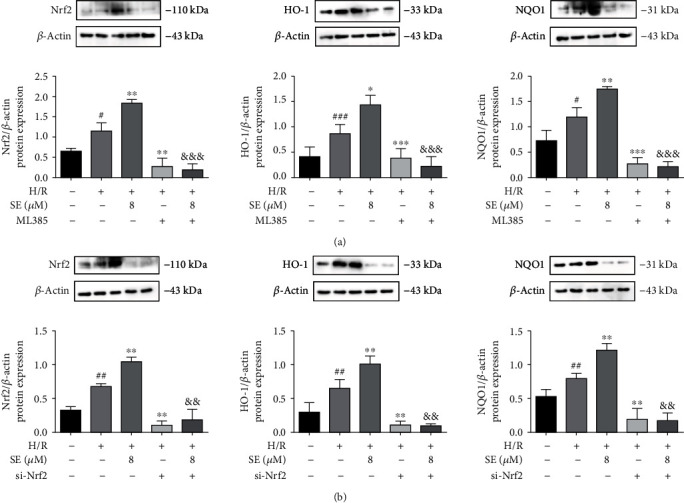
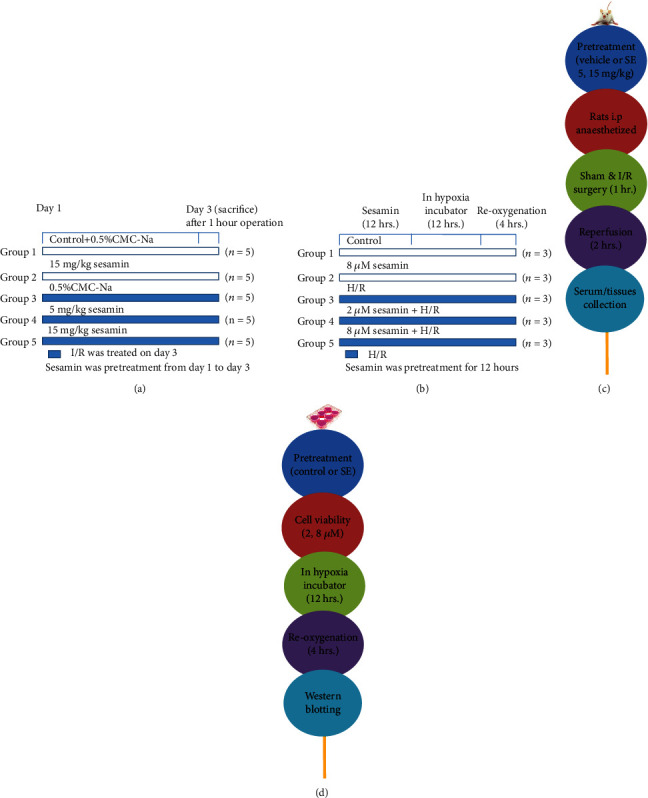
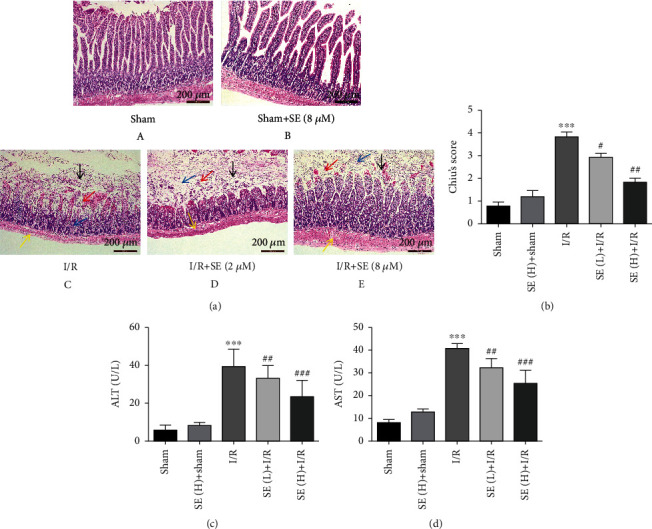
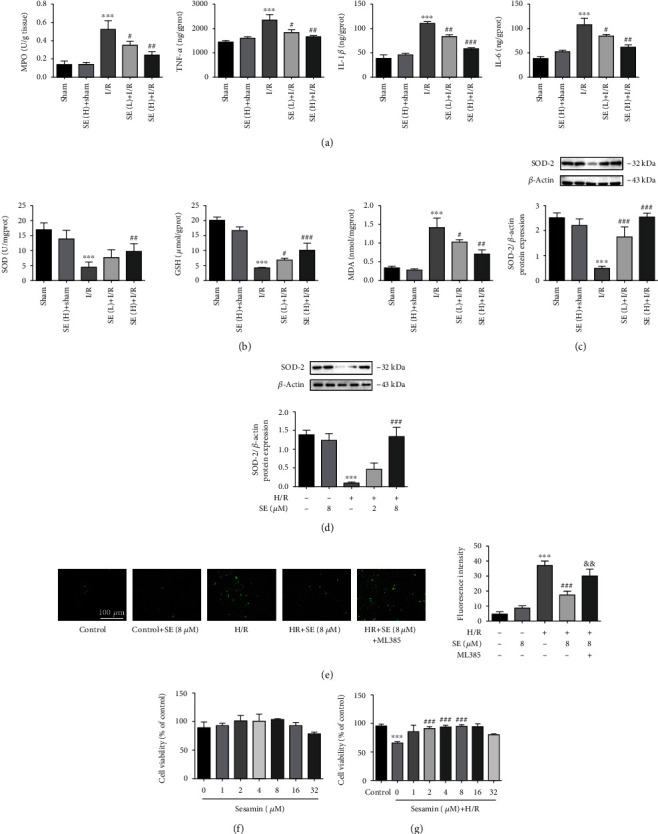
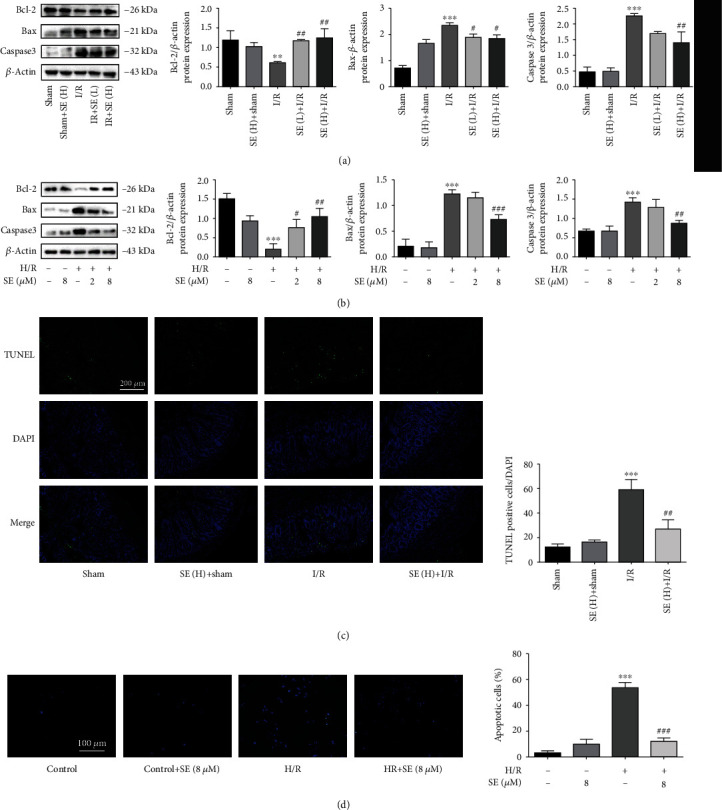
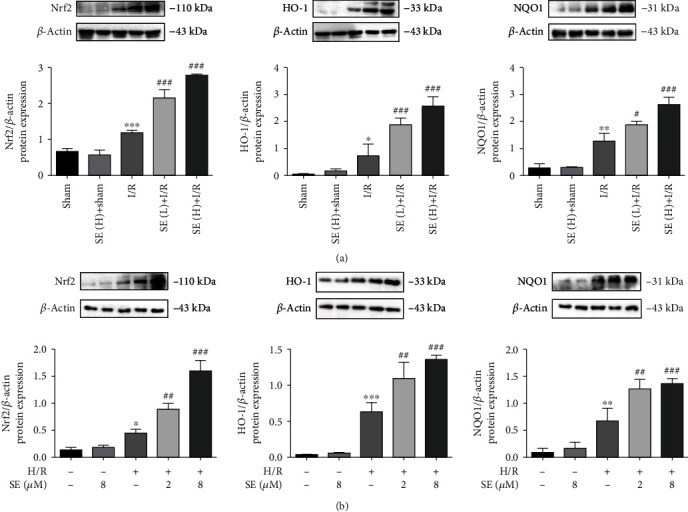
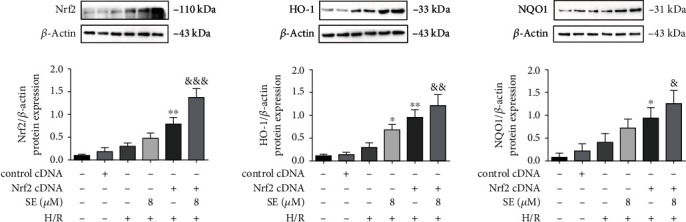
Intestinal ischemia-reperfusion (I/R) may induce cell/tissue injuries, leading to multiple organ failure. Based on our preexperiments, we proposed that sesamin could protect against and ameliorate intestinal I/R injuries and related disorders with involvement of activating Nrf2 signaling pathway. This proposal was evaluated using SD intestinal I/R injury rats and hypoxia/reoxygenation- (H/R-) injured rat small intestinal crypt epithelial cell line (IEC-6 cells) . Sesamin significantly alleviated I/R-induced intestinal histopathological injuries and significantly reduced serum biochemical indicators ALT and AST, alleviating I/R-induced intestinal injury in rats. Sesamin also significantly reversed I/R-increased TNF-, IL-6, IL-1, and MPO activity in serum and MDA in tissues and I/R-decreased GSH in tissues and SOD in both tissues and IEC-6 cells, indicating its anti-inflammatory and antioxidative stress effects. Further, sesamin significantly decreased TUNEL-positive cells, downregulated the increased Bax and caspase-3 protein expression, upregulated the decreased protein expression of Bcl-2 in I/R-injured intestinal tissues, and significantly reversed H/R-reduced IEC-6 cell viability as well as reduced the number of apoptotic cells among H/R-injured IEC-6 cell, showing antiapoptotic effects. Activation of Nrf2 is known to ameliorate tissue/cell injuries. Consistent with sesamin-induced ameliorations of both intestinal I/R injuries and H/R injuries, transfection of Nrf2 cDNA significantly upregulated the expression of Nrf2, HO-1, and NQO1, respectively. On the contrary, either Nrf2 inhibitor (ML385) or Nrf2 siRNA transfection significantly decreased the expression of these proteins. Our results suggest that activation of the Nrf2/HO-1/NQO1 signaling pathway is involved in sesamin-induced anti-inflammatory, antioxidative, and antiapoptotic effects in protection against and amelioration of intestinal I/R injuries.
肠缺血再灌注(I/R)可能导致细胞/组织损伤,引发多器官衰竭。基于我们的预实验结果,我们提出芝麻素可以通过激活 Nrf2 信号通路来保护和改善肠 I/R 损伤及相关疾病。这一假说通过 SD 肠 I/R 损伤大鼠和缺氧/复氧(H/R)损伤的大鼠小肠隐窝上皮细胞系(IEC-6 细胞)进行了评估。芝麻素显著减轻了 I/R 引起的肠道组织病理学损伤,显著降低了血清生化指标 ALT 和 AST,改善了 I/R 诱导的大鼠肠道损伤。芝麻素还显著逆转了 I/R 引起的血清 TNF-α、IL-6、IL-1 和 MPO 活性以及组织 MDA 的增加,以及 I/R 引起的组织和 IEC-6 细胞中 GSH 的减少和 SOD 的减少,表明其具有抗炎和抗氧化应激作用。此外,芝麻素显著减少了 TUNEL 阳性细胞,下调了 I/R 损伤组织中 Bax 和 caspase-3 蛋白表达的增加,上调了 Bcl-2 蛋白表达的减少,显著逆转了 H/R 降低的 IEC-6 细胞活力,并减少了 H/R 损伤的 IEC-6 细胞中的凋亡细胞数量,显示出抗凋亡作用。Nrf2 的激活被认为可以改善组织/细胞损伤。与芝麻素改善肠 I/R 损伤和 H/R 损伤一致,Nrf2 cDNA 的转染分别显著上调了 Nrf2、HO-1 和 NQO1 的表达。相反,Nrf2 抑制剂(ML385)或 Nrf2 siRNA 转染显著降低了这些蛋白的表达。我们的结果表明,Nrf2/HO-1/NQO1 信号通路的激活参与了芝麻素诱导的抗炎、抗氧化和抗凋亡作用,从而保护和改善肠 I/R 损伤。