Department of Molecular Virology and Microbiology, Baylor College of Medicine, Houston, Texas 77030, USA; email:
Department of Molecular and Cellular Biology, Baylor College of Medicine, Houston, Texas 77030, USA.
Annu Rev Med. 2022 Jan 27;73:167-182. doi: 10.1146/annurev-med-042320-023055. Epub 2021 Oct 13.
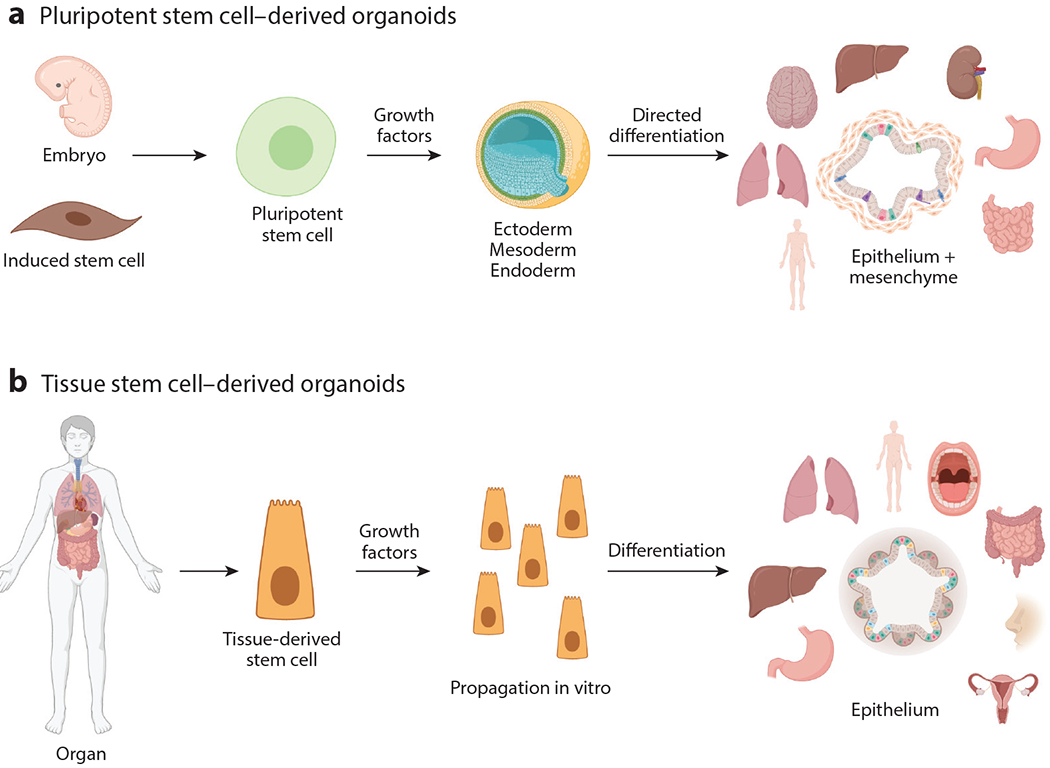
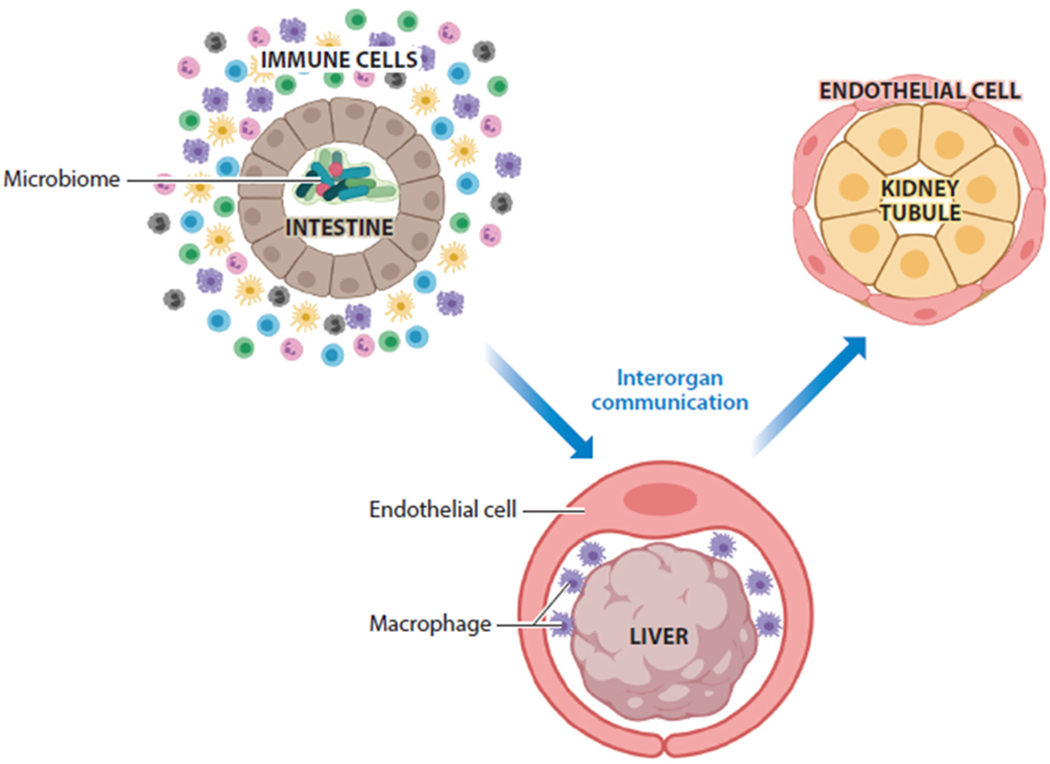
Infectious diseases affect individual health and have widespread societal impacts. New ex vivo models are critical to understand pathogenesis, host response, and features necessary to develop preventive and therapeutic treatments. Pluripotent and tissue stem cell-derived organoids provide new tools for the study of human infections. Organoid models recapitulate many characteristics of in vivo disease and are providing new insights into human respiratory, gastrointestinal, and neuronal host-microbe interactions. Increasing culture complexity by adding the stroma, interorgan communication, and the microbiome will improve the use of organoids as models for infection. Organoid cultures provide a platform with the capability to improve human health related to infectious diseases.
传染病影响个人健康,并对社会产生广泛影响。新的体外模型对于理解发病机制、宿主反应以及开发预防和治疗方法所必需的特征至关重要。多能性和组织干细胞衍生的类器官为研究人类感染提供了新的工具。类器官模型再现了许多体内疾病的特征,并为人类呼吸道、胃肠道和神经元宿主-微生物相互作用提供了新的见解。通过添加基质、器官间通讯和微生物组来增加培养复杂性,将提高类器官作为感染模型的使用。类器官培养提供了一个具有改善与传染病相关的人类健康的能力的平台。