Department of Surgery, Weill Cornell Medicine, New York, NY, USA.
State Key Laboratory of Oncogenes and Related Genes, Center for Single-Cell Omics, School of Public Health, Shanghai Jiao Tong University School of Medicine, Shanghai, China.
Nature. 2021 Jan;589(7841):270-275. doi: 10.1038/s41586-020-2901-9. Epub 2020 Oct 28.
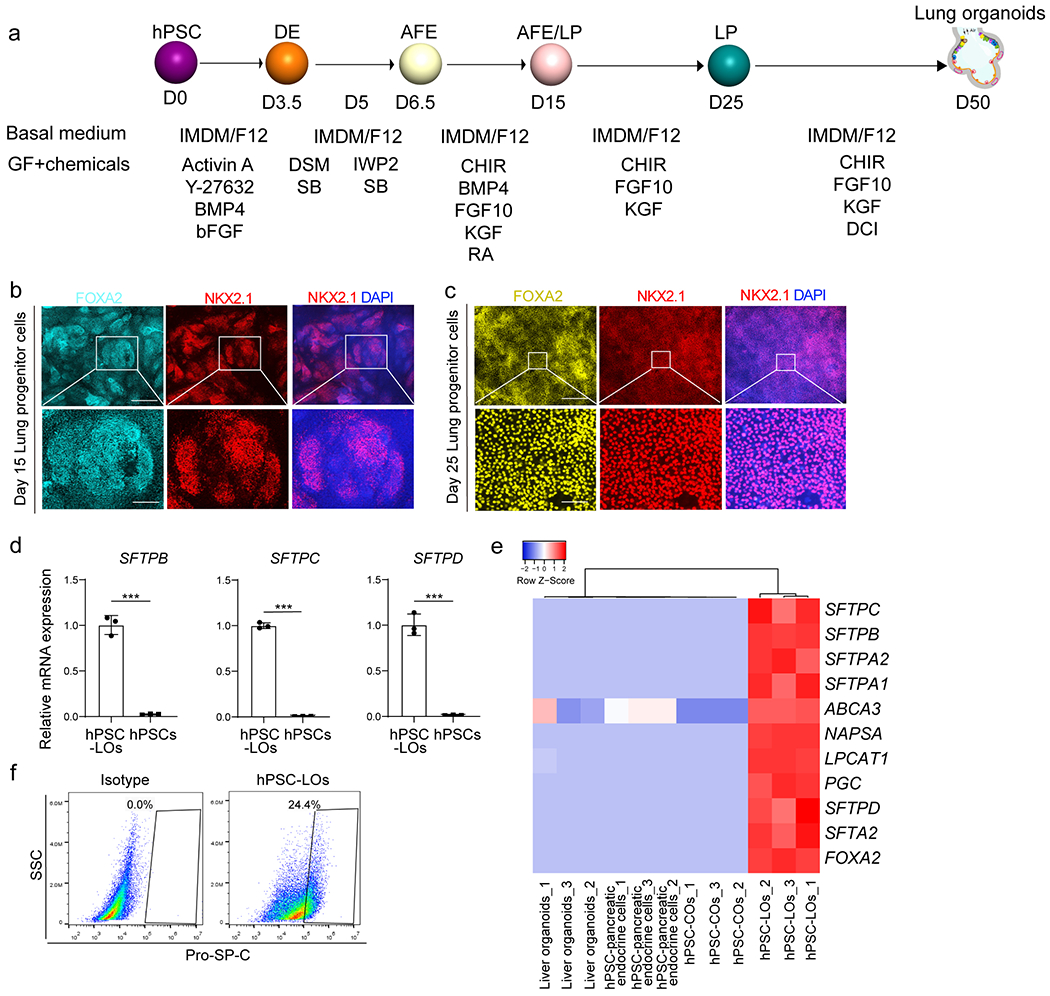
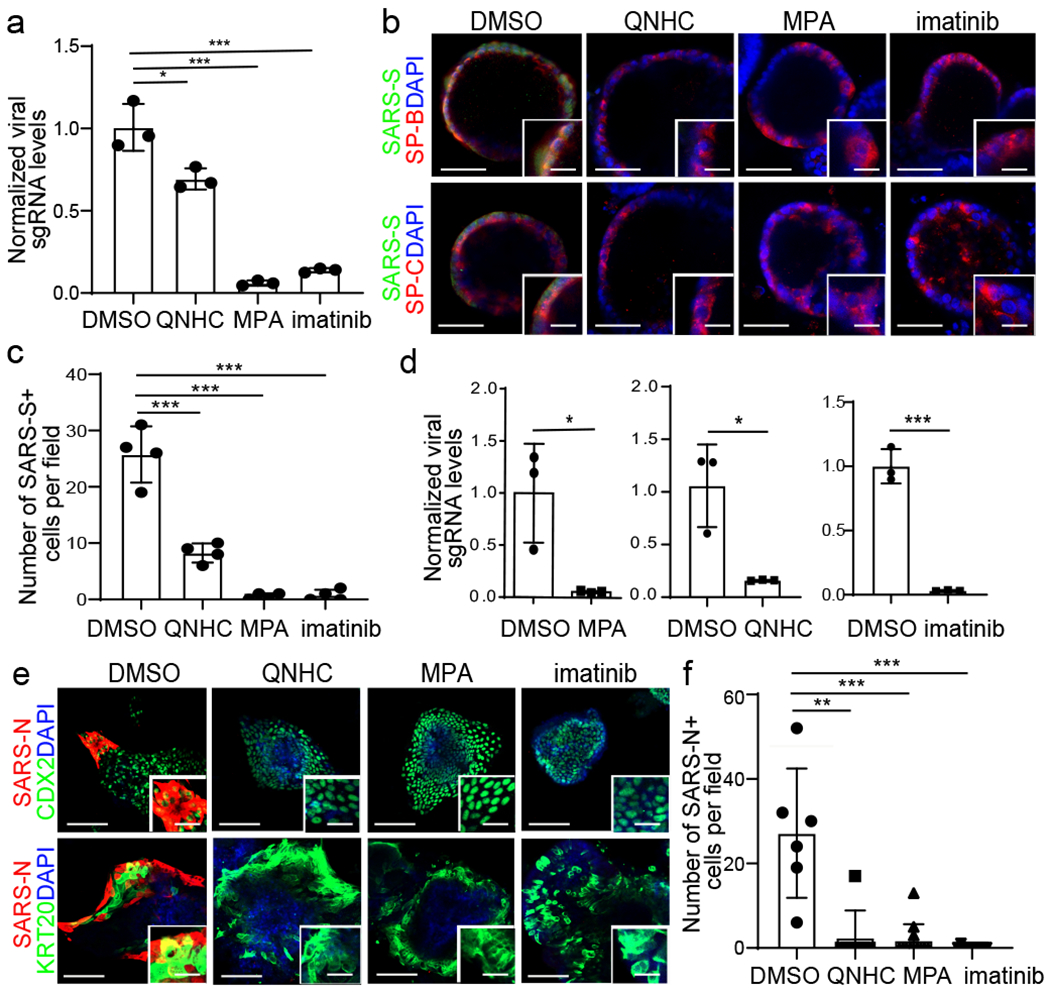
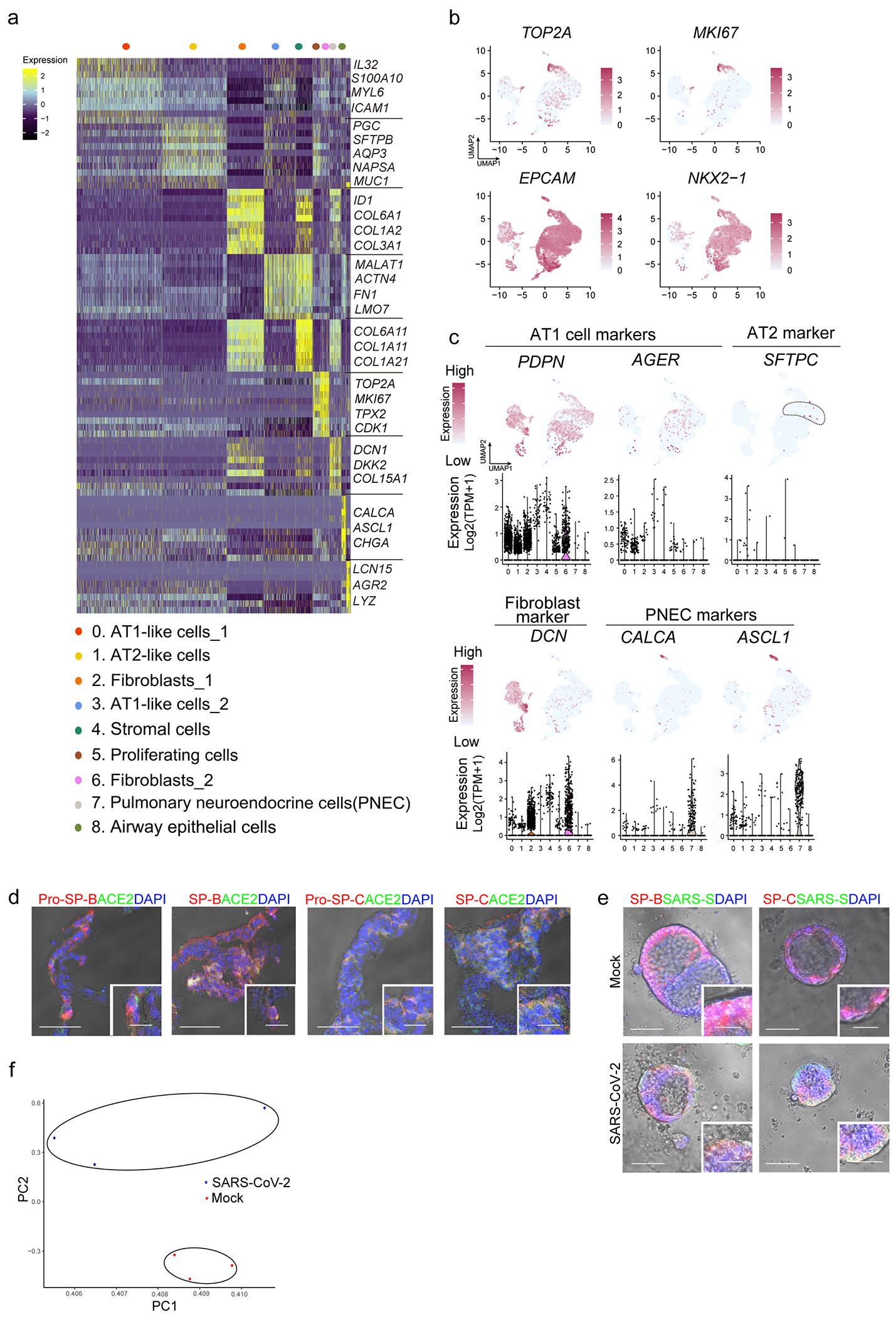
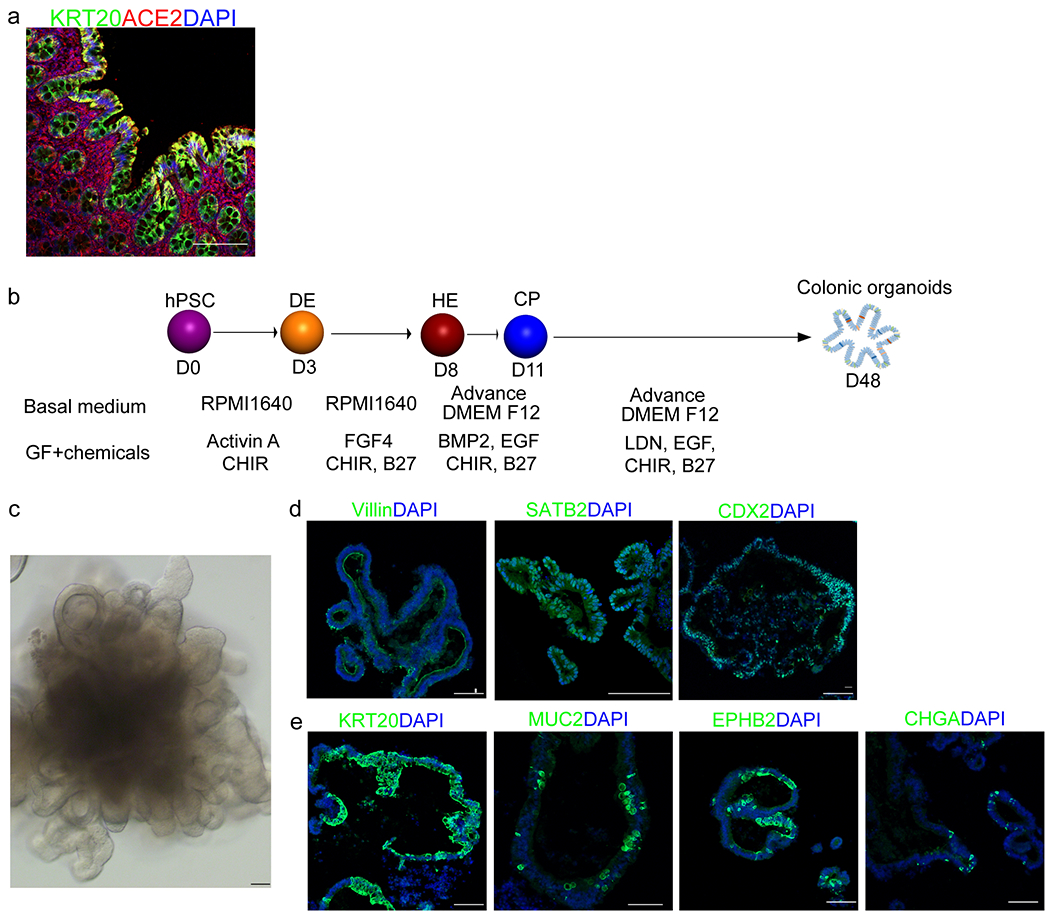
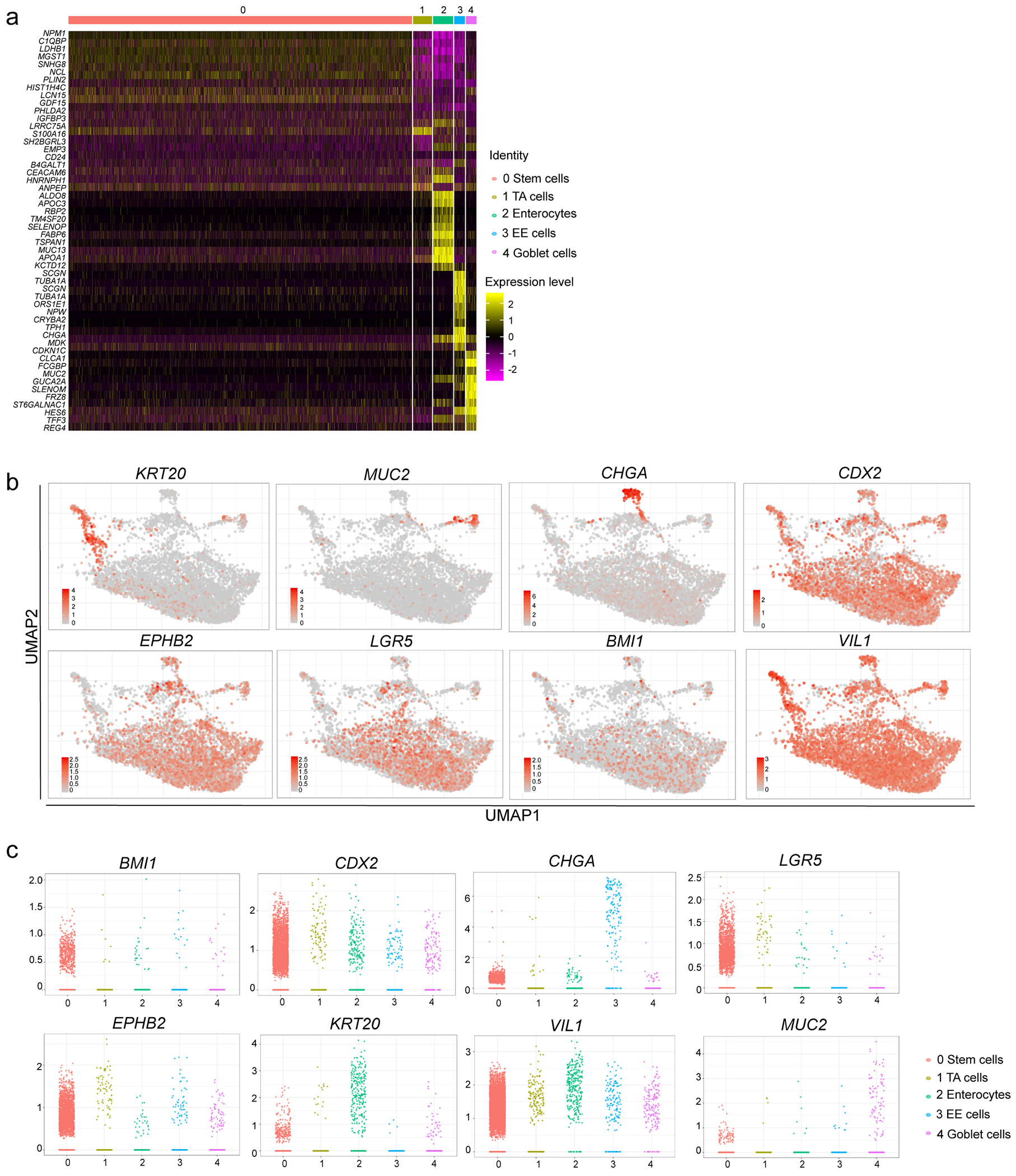
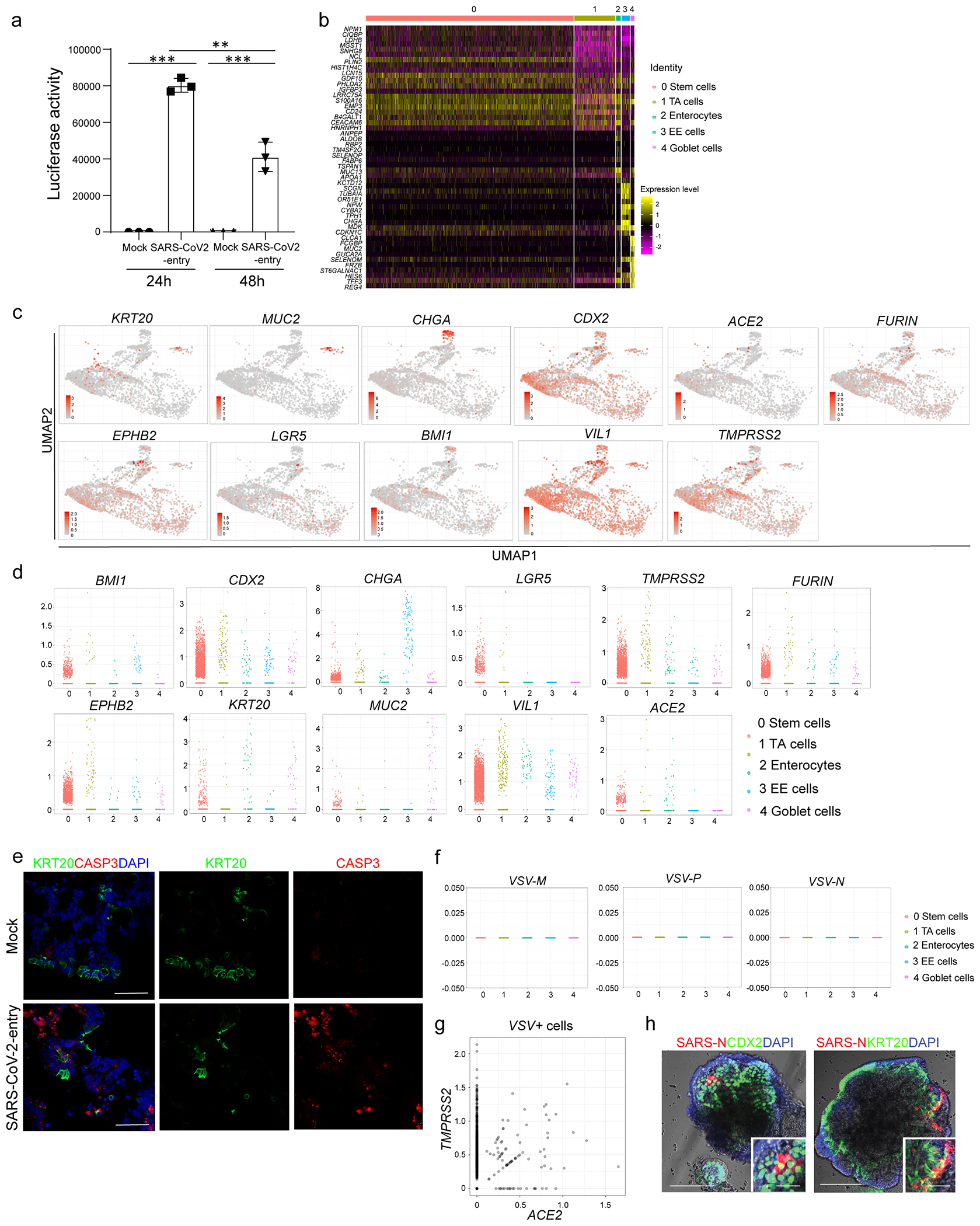
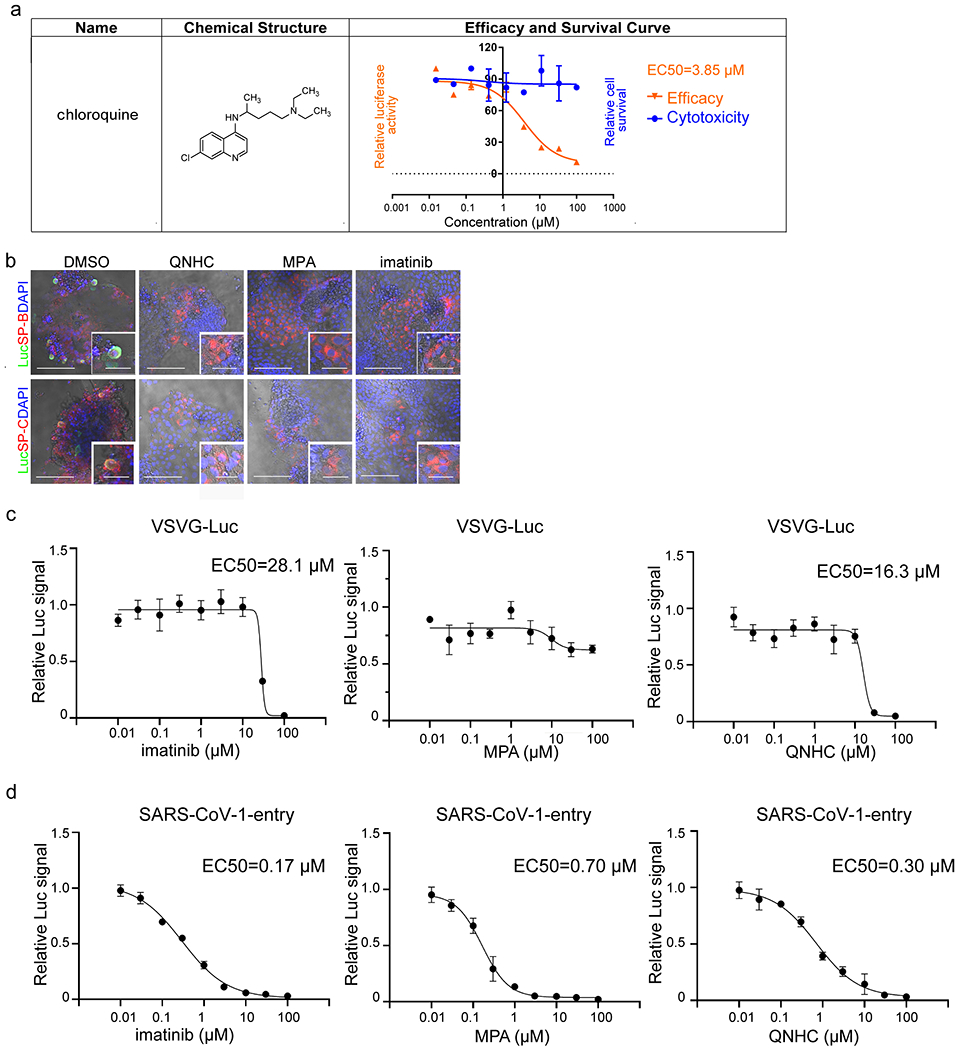
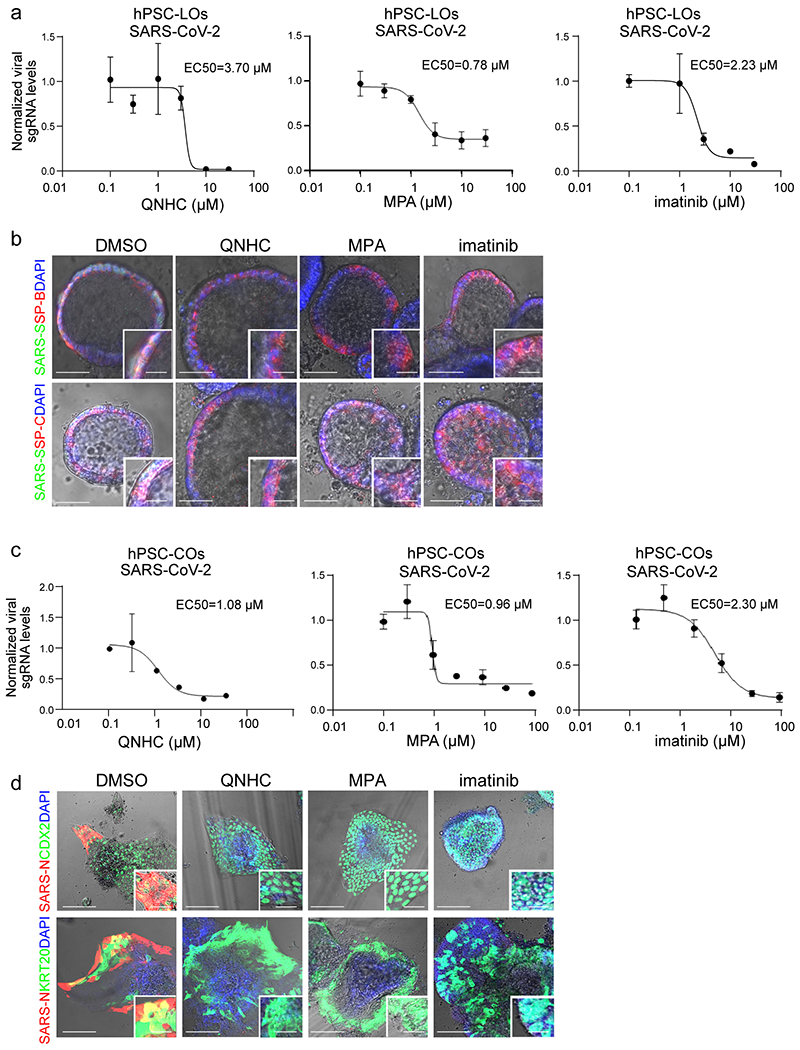
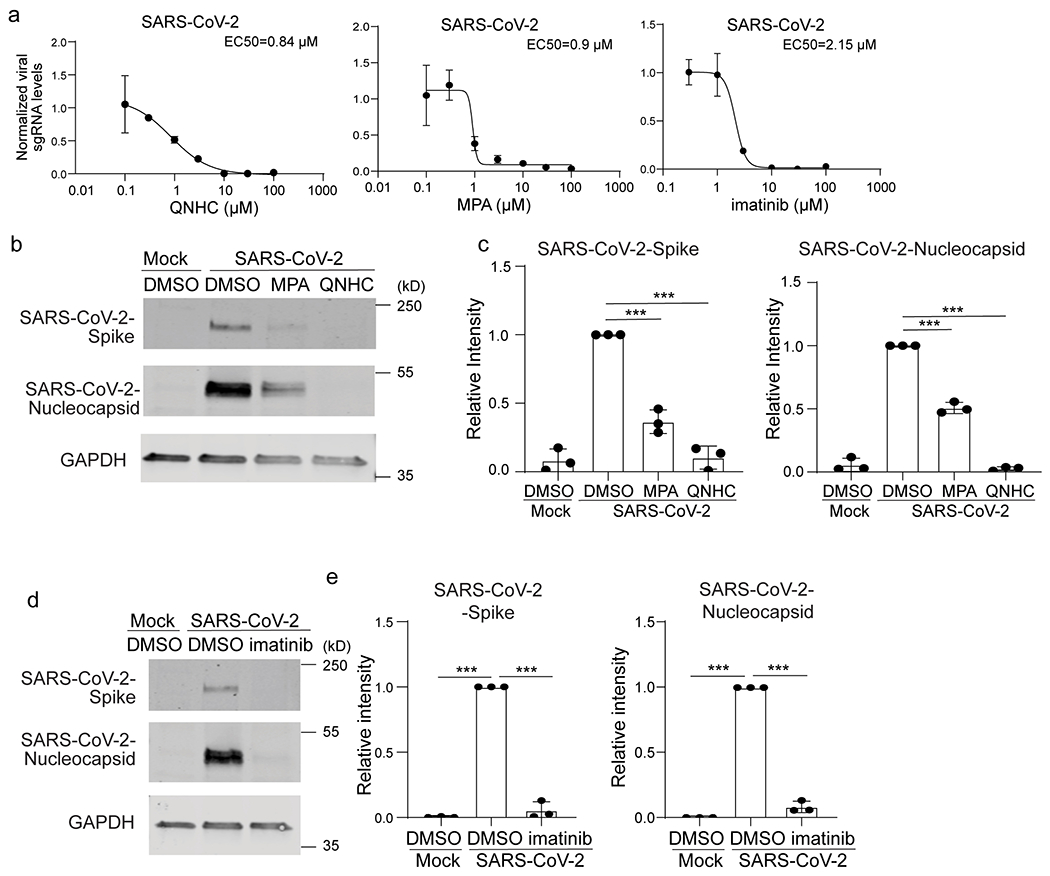
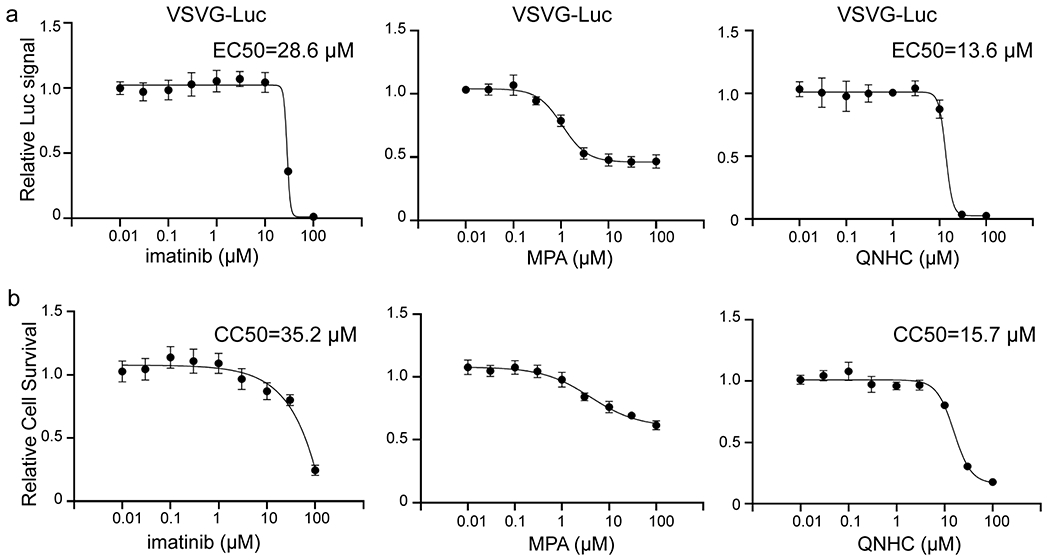
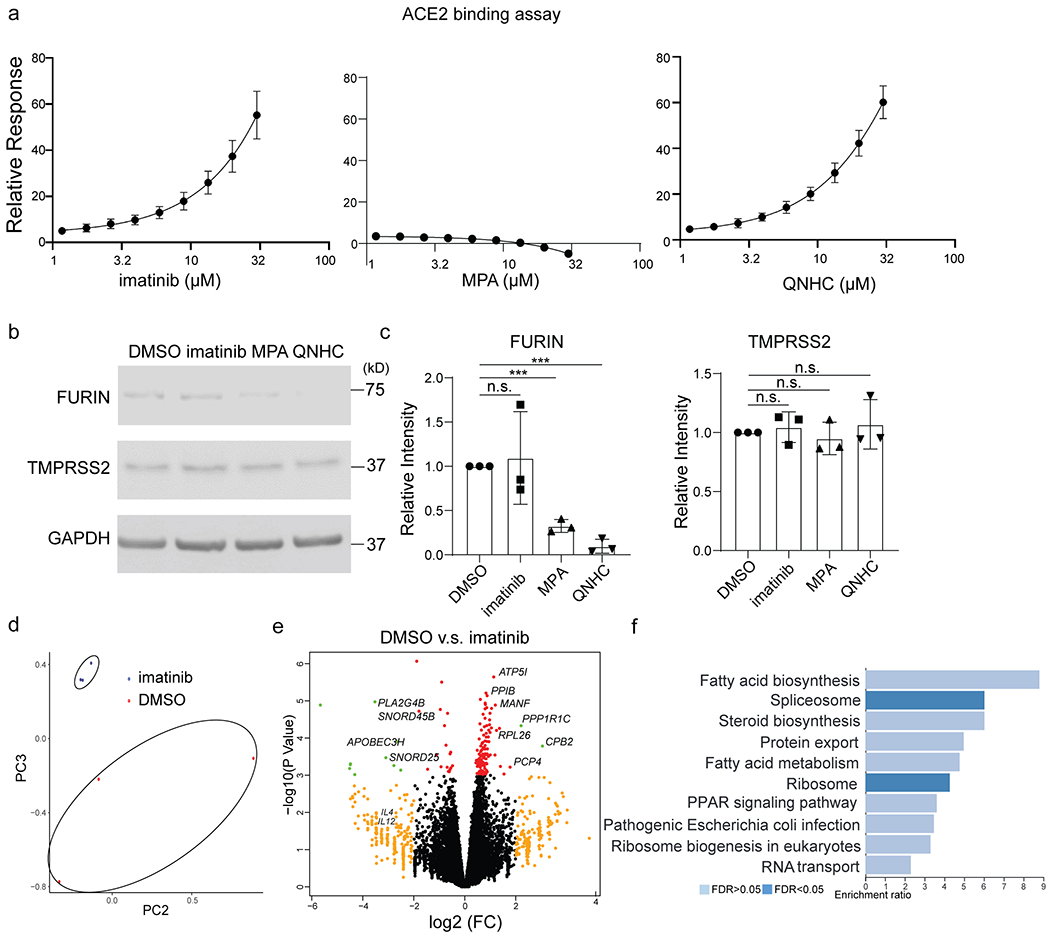
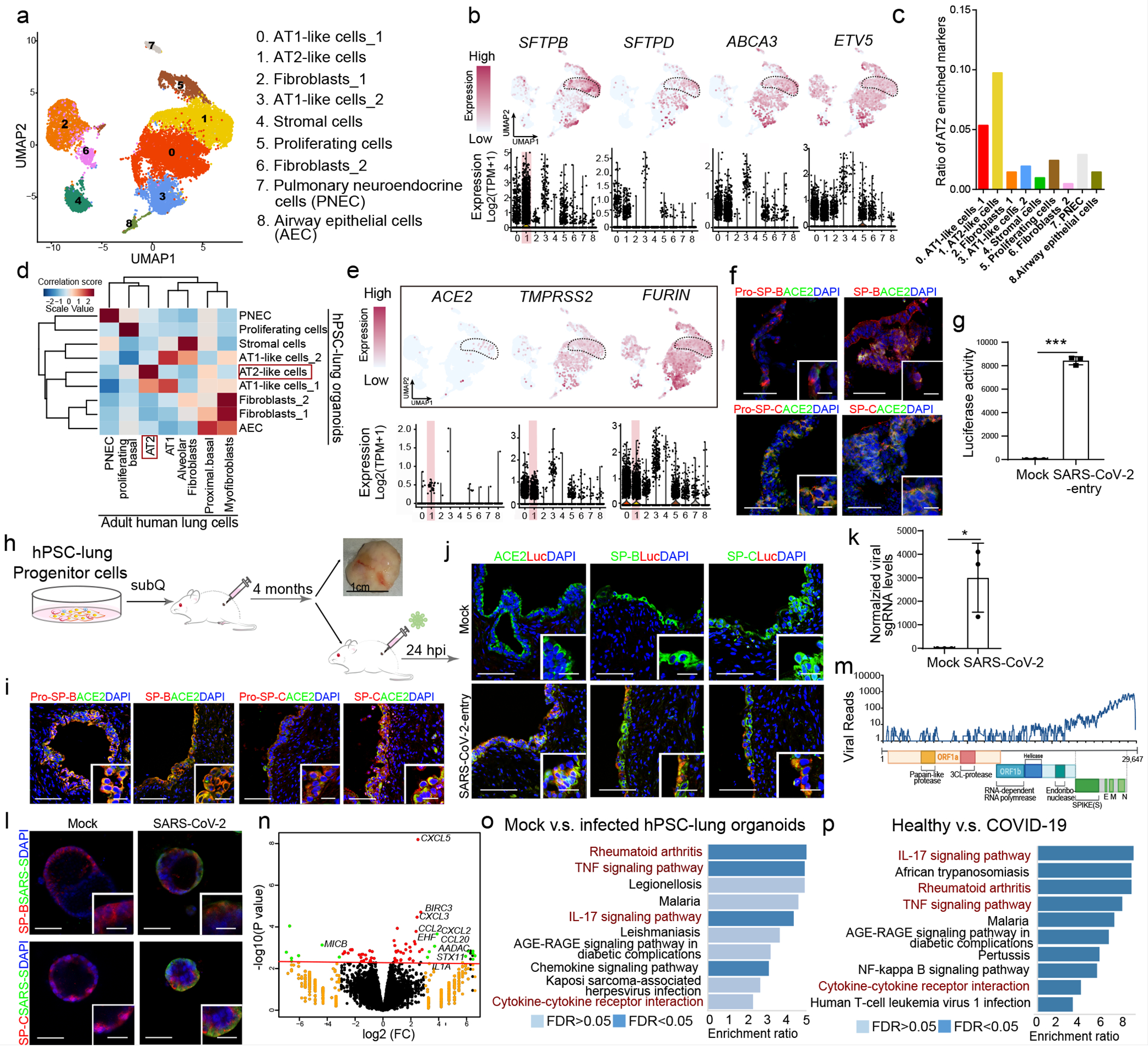
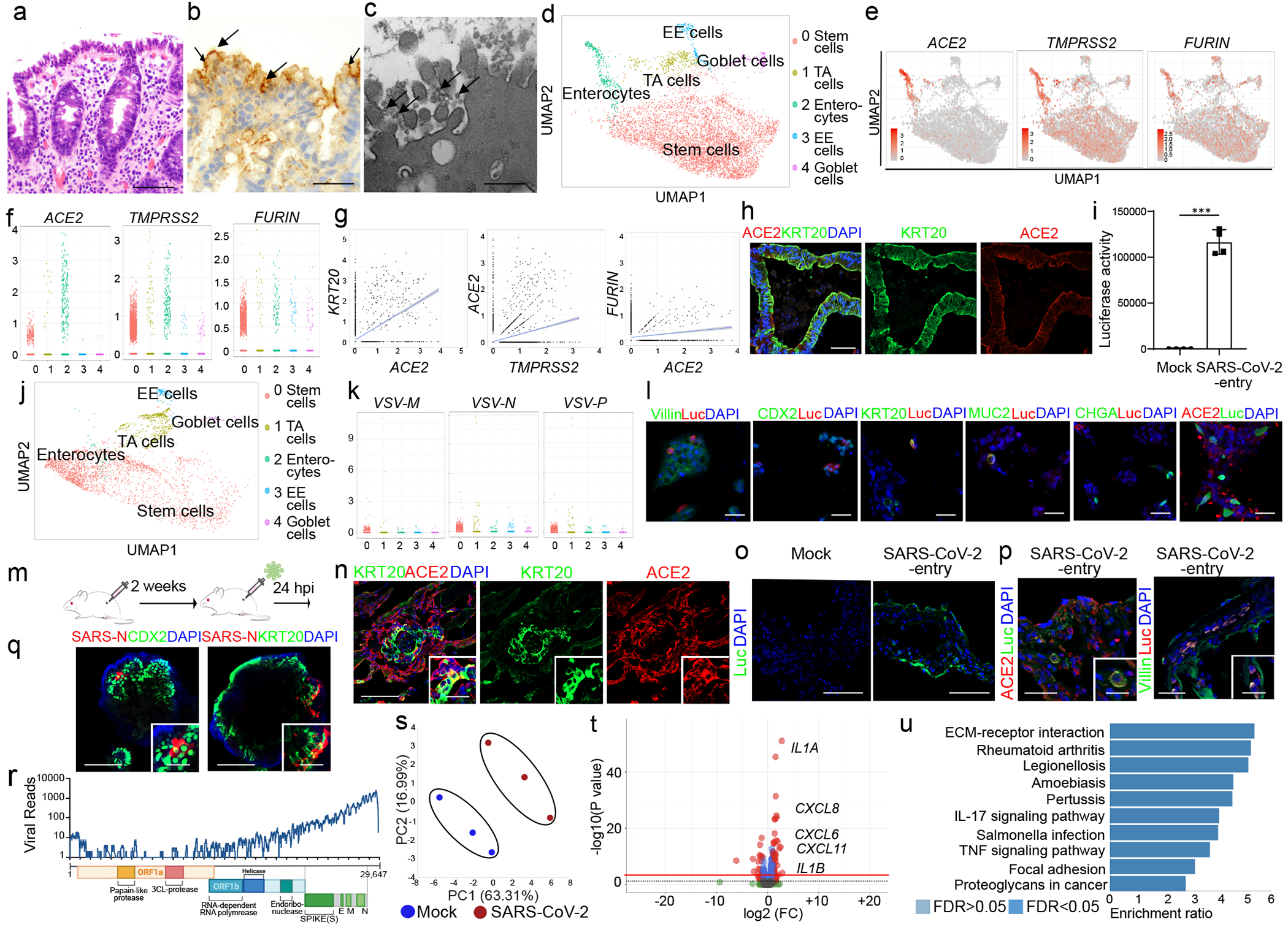
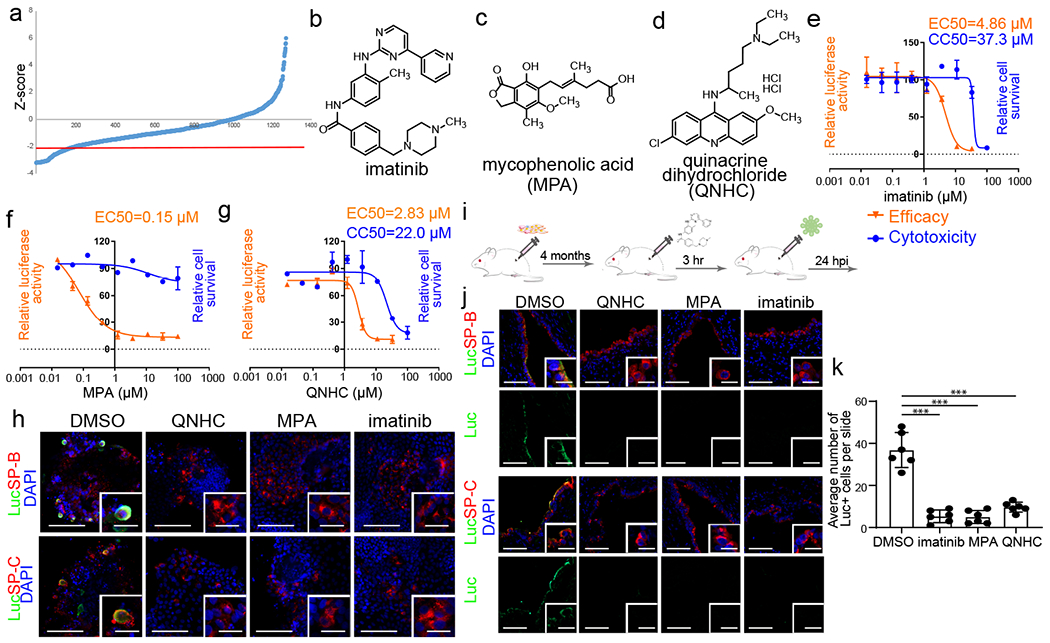
There is an urgent need to create novel models using human disease-relevant cells to study severe acute respiratory syndrome coronavirus 2 (SARS-CoV-2) biology and to facilitate drug screening. Here, as SARS-CoV-2 primarily infects the respiratory tract, we developed a lung organoid model using human pluripotent stem cells (hPSC-LOs). The hPSC-LOs (particularly alveolar type-II-like cells) are permissive to SARS-CoV-2 infection, and showed robust induction of chemokines following SARS-CoV-2 infection, similar to what is seen in patients with COVID-19. Nearly 25% of these patients also have gastrointestinal manifestations, which are associated with worse COVID-19 outcomes. We therefore also generated complementary hPSC-derived colonic organoids (hPSC-COs) to explore the response of colonic cells to SARS-CoV-2 infection. We found that multiple colonic cell types, especially enterocytes, express ACE2 and are permissive to SARS-CoV-2 infection. Using hPSC-LOs, we performed a high-throughput screen of drugs approved by the FDA (US Food and Drug Administration) and identified entry inhibitors of SARS-CoV-2, including imatinib, mycophenolic acid and quinacrine dihydrochloride. Treatment at physiologically relevant levels of these drugs significantly inhibited SARS-CoV-2 infection of both hPSC-LOs and hPSC-COs. Together, these data demonstrate that hPSC-LOs and hPSC-COs infected by SARS-CoV-2 can serve as disease models to study SARS-CoV-2 infection and provide a valuable resource for drug screening to identify candidate COVID-19 therapeutics.
迫切需要使用与人类疾病相关的细胞来创建新型模型,以研究严重急性呼吸综合征冠状病毒 2(SARS-CoV-2)的生物学特性,并促进药物筛选。在这里,由于 SARS-CoV-2 主要感染呼吸道,我们使用人类多能干细胞(hPSC-LO)开发了肺类器官模型。hPSC-LO(特别是肺泡 II 型样细胞)允许 SARS-CoV-2 感染,并且在 SARS-CoV-2 感染后显示出趋化因子的强烈诱导,这与 COVID-19 患者相似。这些患者中有近 25%还表现出胃肠道症状,这与 COVID-19 的严重程度相关。因此,我们还生成了互补的 hPSC 衍生结肠类器官(hPSC-CO)以探索结肠细胞对 SARS-CoV-2 感染的反应。我们发现,多种结肠细胞类型,特别是肠细胞,表达 ACE2 并允许 SARS-CoV-2 感染。我们使用 hPSC-LO 进行了美国食品和药物管理局(FDA)批准的药物的高通量筛选,并鉴定出了 SARS-CoV-2 的进入抑制剂,包括伊马替尼、霉酚酸和盐酸奎宁二氢氯化物。这些药物在生理相关水平下的治疗可显著抑制 hPSC-LO 和 hPSC-CO 中 SARS-CoV-2 的感染。总之,这些数据表明,感染 SARS-CoV-2 的 hPSC-LO 和 hPSC-CO 可以作为疾病模型来研究 SARS-CoV-2 感染,并为药物筛选提供有价值的资源,以确定 COVID-19 的候选治疗药物。