Maier C E, Watanabe M, Singer M, McQuarrie I G, Sunshine J, Rutishauser U
Proc Natl Acad Sci U S A. 1986 Nov;83(21):8395-9. doi: 10.1073/pnas.83.21.8395.
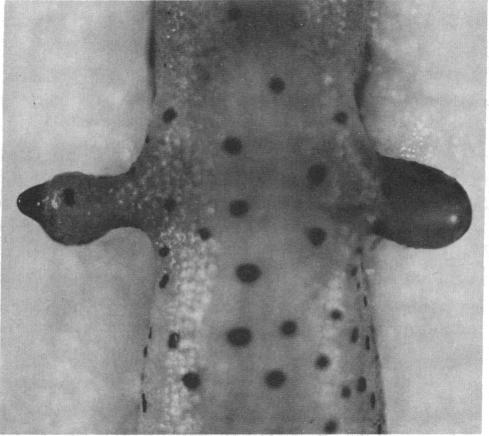
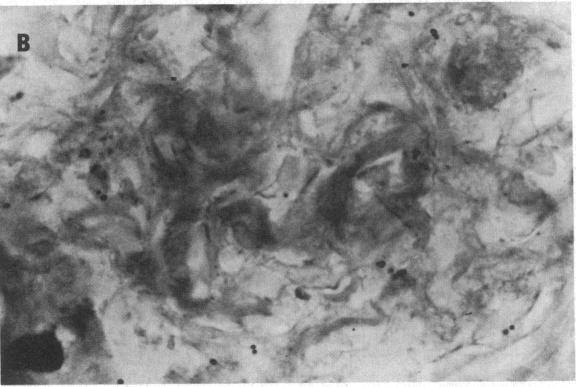
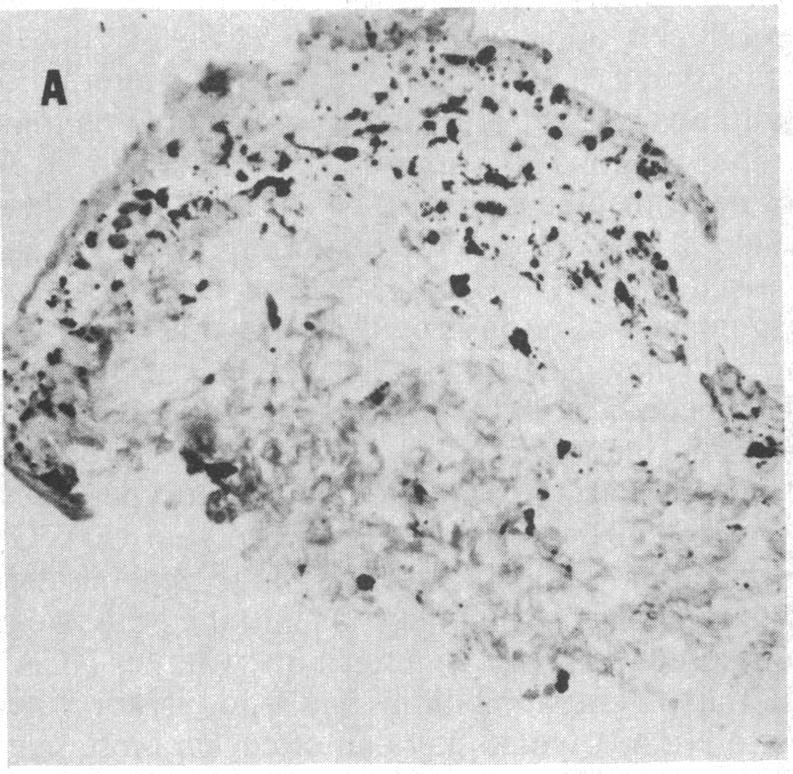
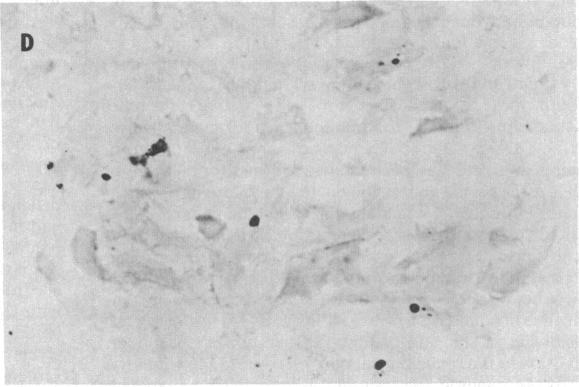
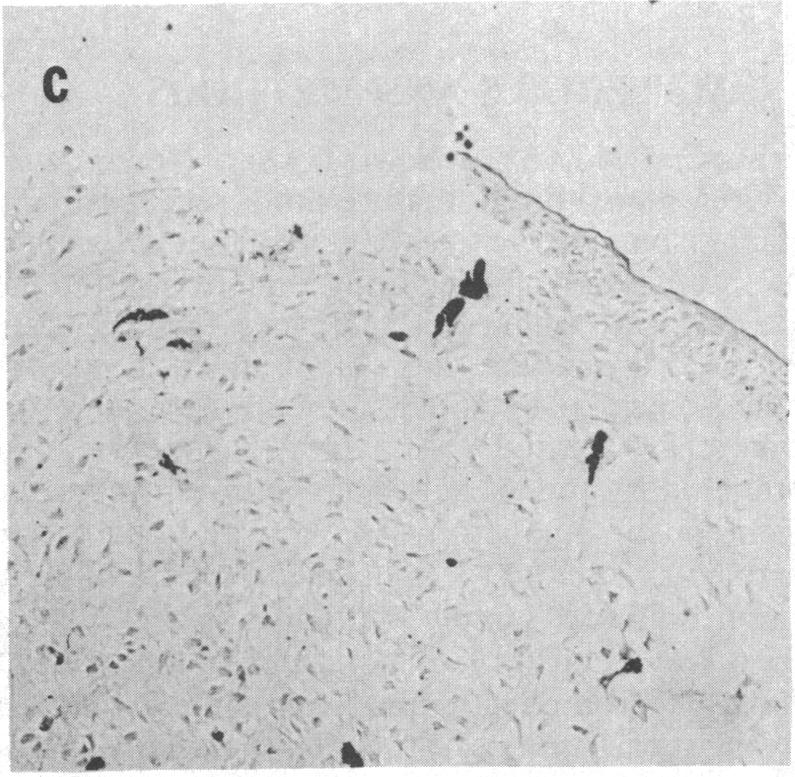
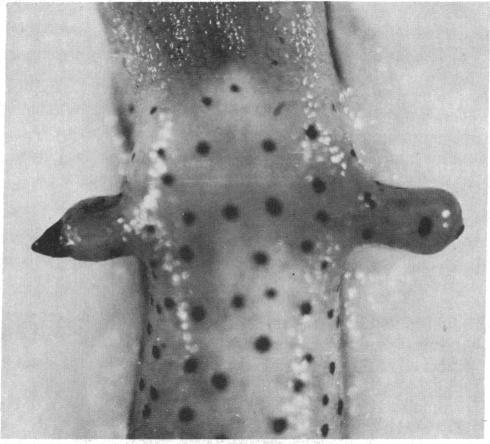
The neural cell adhesion molecule (NCAM) has been detected in regenerating limb bud of adult newts in addition to brain and peripheral nerves. In the regenerating tissue, NCAM was found primarily on mesenchymal cells and also in wound epidermis. Infusion of Fab fragments of antibodies to NCAM into limb buds at the early blastema stage delayed the regenerative process. Previous studies have indicated that NCAM serves as a homophilic ligand for adhesion among cells that express this molecule and, in doing so, can influence the interaction of nerves with their environment. The expression of NCAM in regenerating limb and the effects of antibody infusion are therefore consistent with the observation that limb regeneration requires interactions among axons and mesenchymal cells.
除了在大脑和外周神经中被检测到外,神经细胞黏附分子(NCAM)在成年蝾螈再生的肢芽中也有发现。在再生组织中,NCAM主要存在于间充质细胞中,也存在于伤口表皮中。在芽基早期阶段将抗NCAM抗体的Fab片段注入肢芽会延迟再生过程。先前的研究表明,NCAM作为表达该分子的细胞间黏附的同源配体,在这样做的过程中,可以影响神经与其周围环境的相互作用。因此,NCAM在再生肢体中的表达以及抗体注入的效果与肢体再生需要轴突和间充质细胞之间相互作用的观察结果一致。