Department of Pediatrics, School of Medicine and Dentistry, University of Rochester, 601 Elmwood Avenue, Box 850, Rochester, NY, 14642, USA.
Department of Pharmacology and Physiology, School of Medicine and Dentistry, University of Rochester, Rochester, NY, 14642, USA.
Sci Rep. 2021 Oct 21;11(1):20862. doi: 10.1038/s41598-021-99897-3.
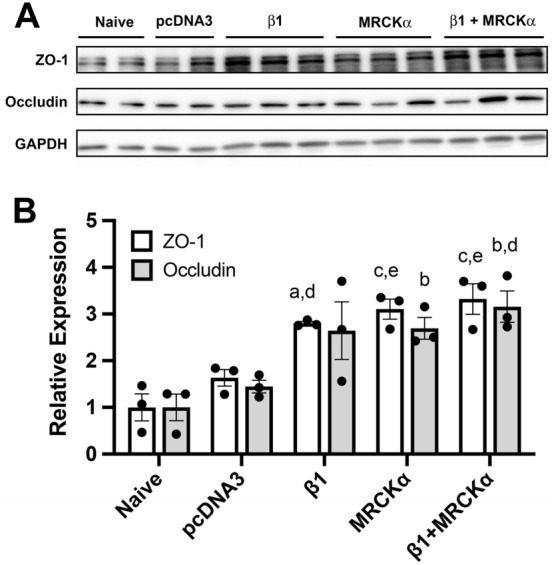
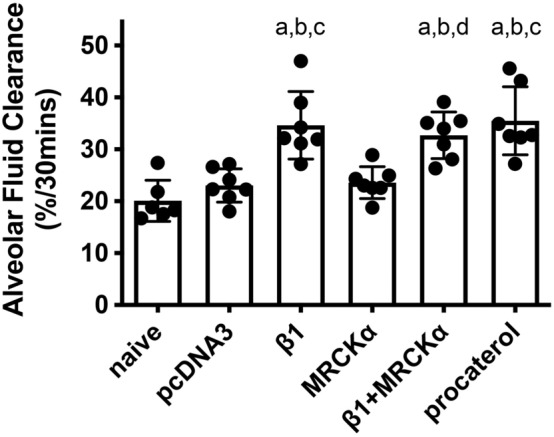
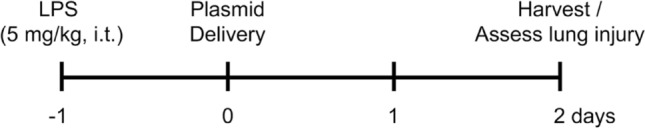
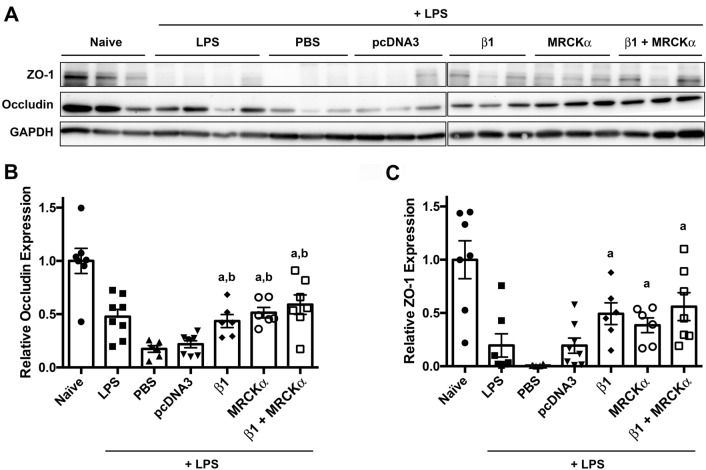
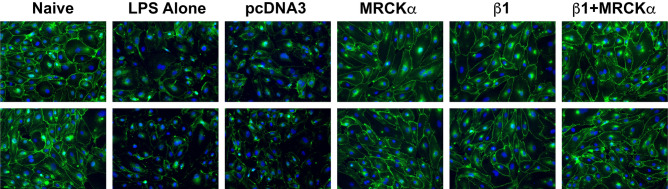
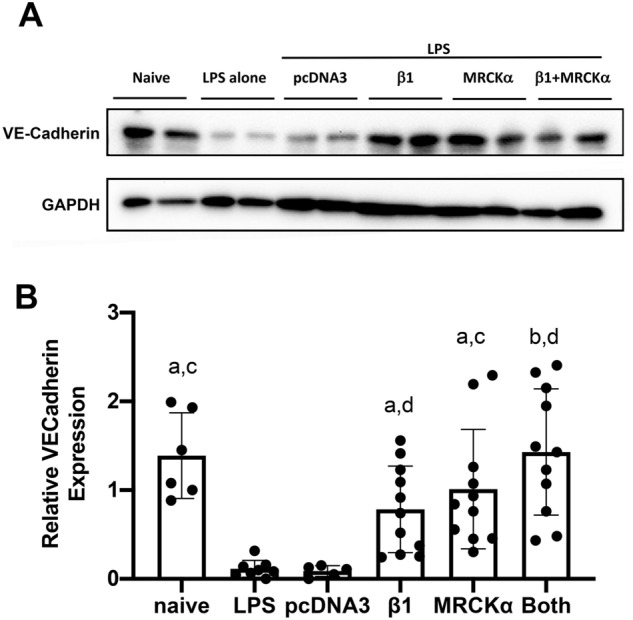
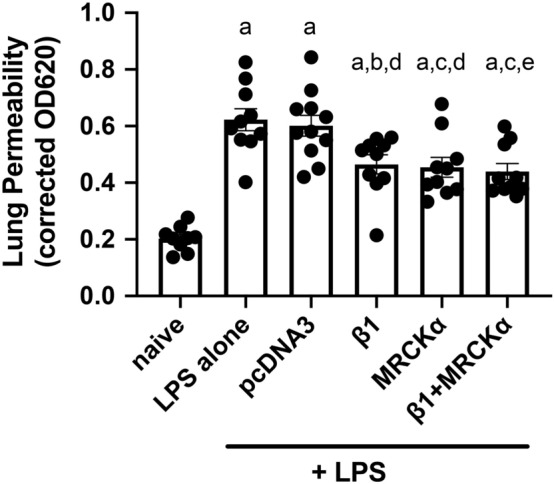
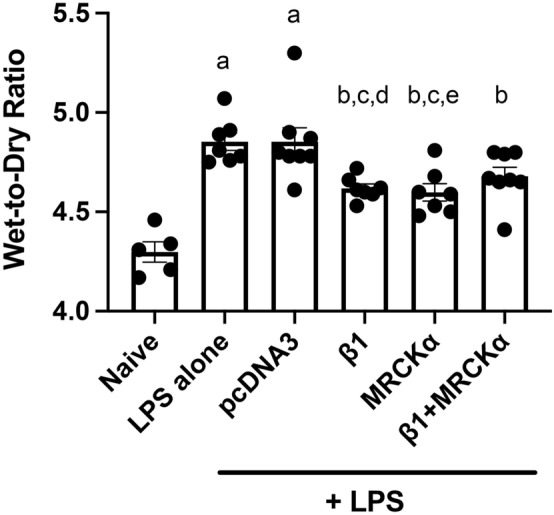
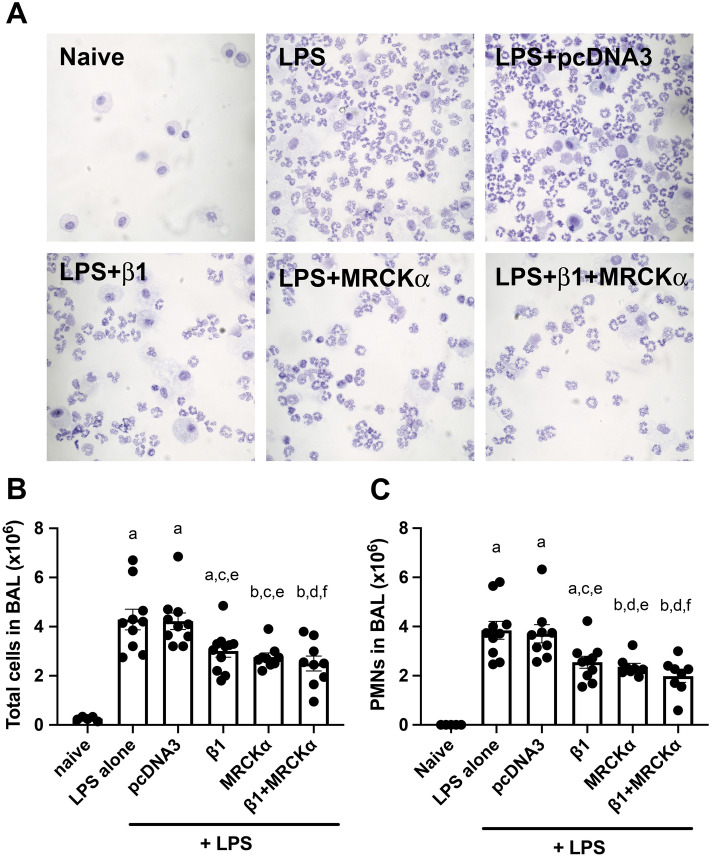
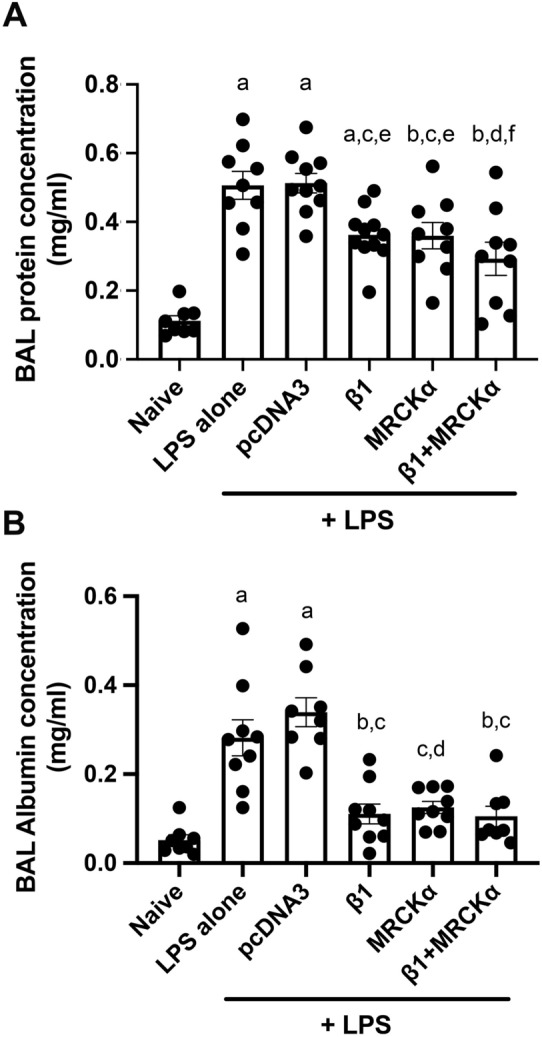
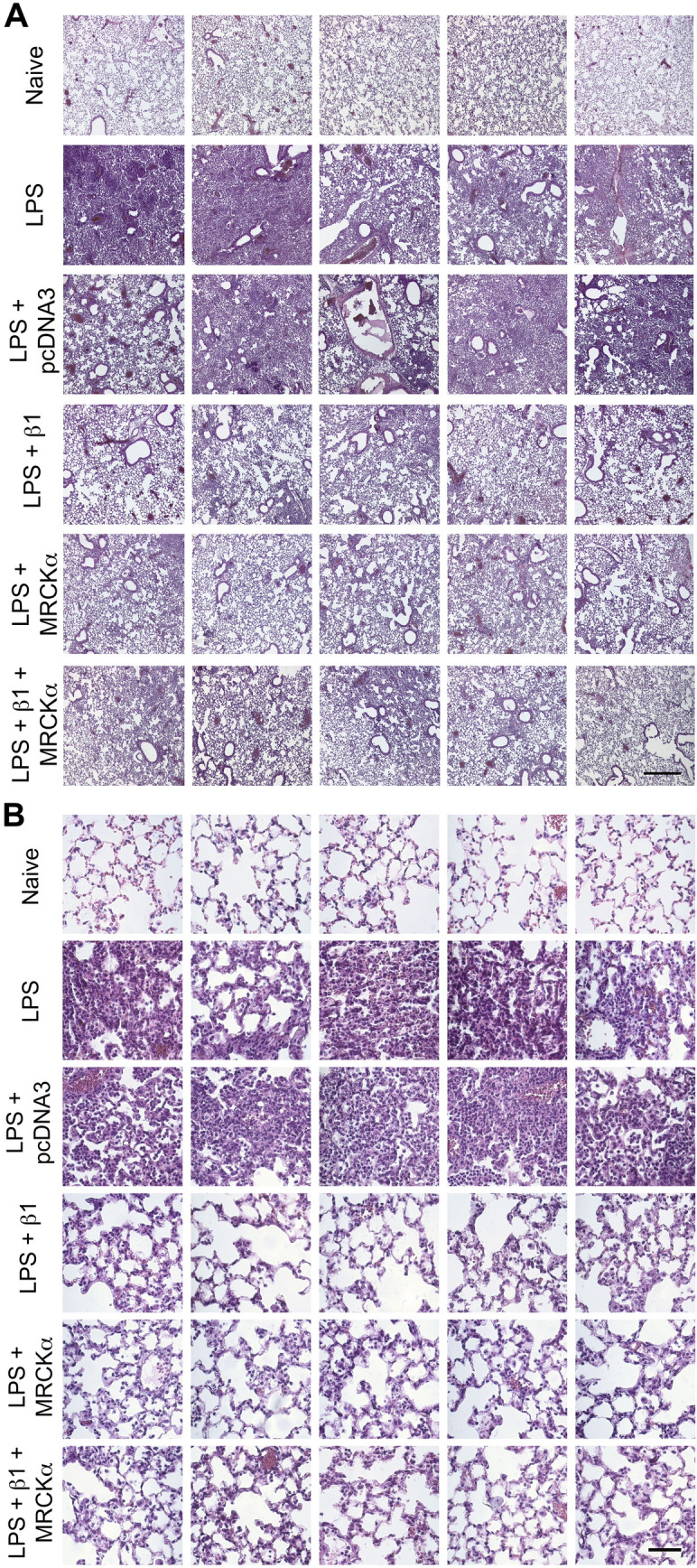
Acute Lung Injury/Acute Respiratory Distress Syndrome (ALI/ARDS) is characterized by alveolar edema accumulation with reduced alveolar fluid clearance (AFC), alveolar-capillary barrier disruption, and substantial inflammation, all leading to acute respiratory failure. Enhancing AFC has long been considered one of the primary therapeutic goals in gene therapy treatments for ARDS. We previously showed that electroporation-mediated gene delivery of the Na, K-ATPase β1 subunit not only increased AFC, but also restored alveolar barrier function through upregulation of tight junction proteins, leading to treatment of LPS-induced ALI in mice. We identified MRCKα as an interaction partner of β1 which mediates this upregulation in cultured alveolar epithelial cells. In this study, we investigate whether electroporation-mediated gene transfer of MRCKα to the lungs can attenuate LPS-induced acute lung injury in vivo. Compared to mice that received a non-expressing plasmid, those receiving the MRCKα plasmid showed attenuated LPS-increased pulmonary edema and lung leakage, restored tight junction protein expression, and improved overall outcomes. Interestingly, gene transfer of MRCKα did not alter AFC rates. Studies using both cultured microvascular endothelial cells and mice suggest that β1 and MRCKα upregulate junctional complexes in both alveolar epithelial and capillary endothelial cells, and that one or both barriers may be positively affected by our approach. Our data support a model of treatment for ALI/ARDS in which improvement of alveolar-capillary barrier function alone may be of more benefit than improvement of alveolar fluid clearance.
急性肺损伤/急性呼吸窘迫综合征(ALI/ARDS)的特征是肺泡水肿积聚,肺泡液体清除率(AFC)降低,肺泡-毛细血管屏障破坏,以及大量炎症,所有这些都会导致急性呼吸衰竭。长期以来,增强 AFC 一直被认为是 ARDS 基因治疗的主要治疗目标之一。我们之前的研究表明,电穿孔介导的 Na,K-ATPase β1 亚基基因转染不仅增加了 AFC,还通过上调紧密连接蛋白恢复了肺泡屏障功能,从而治疗了 LPS 诱导的小鼠 ALI。我们确定 MRCKα 是β1 的相互作用伙伴,它介导了培养的肺泡上皮细胞中的这种上调。在这项研究中,我们研究了电穿孔介导的 MRCKα 基因转移到肺部是否可以减轻 LPS 诱导的体内急性肺损伤。与接受非表达质粒的小鼠相比,接受 MRCKα 质粒的小鼠显示出 LPS 诱导的肺水肿和肺漏减少,恢复了紧密连接蛋白的表达,并改善了整体结果。有趣的是,MRCKα 的基因转移并没有改变 AFC 率。使用培养的微血管内皮细胞和小鼠进行的研究表明,β1 和 MRCKα 在上皮细胞和毛细血管内皮细胞中上调了连接复合体,并且一个或两个屏障可能都受到我们方法的积极影响。我们的数据支持一种 ALI/ARDS 治疗模型,其中单独改善肺泡-毛细血管屏障功能可能比改善肺泡液体清除率更有益。