Department of Life Sciences, University of Siena, Via Mattioli 4, 53100 Siena, Italy.
Institute for BioEconomy, National Research Council of Italy, 58022 Follonica, Italy.
Int J Mol Sci. 2021 Oct 18;22(20):11214. doi: 10.3390/ijms222011214.
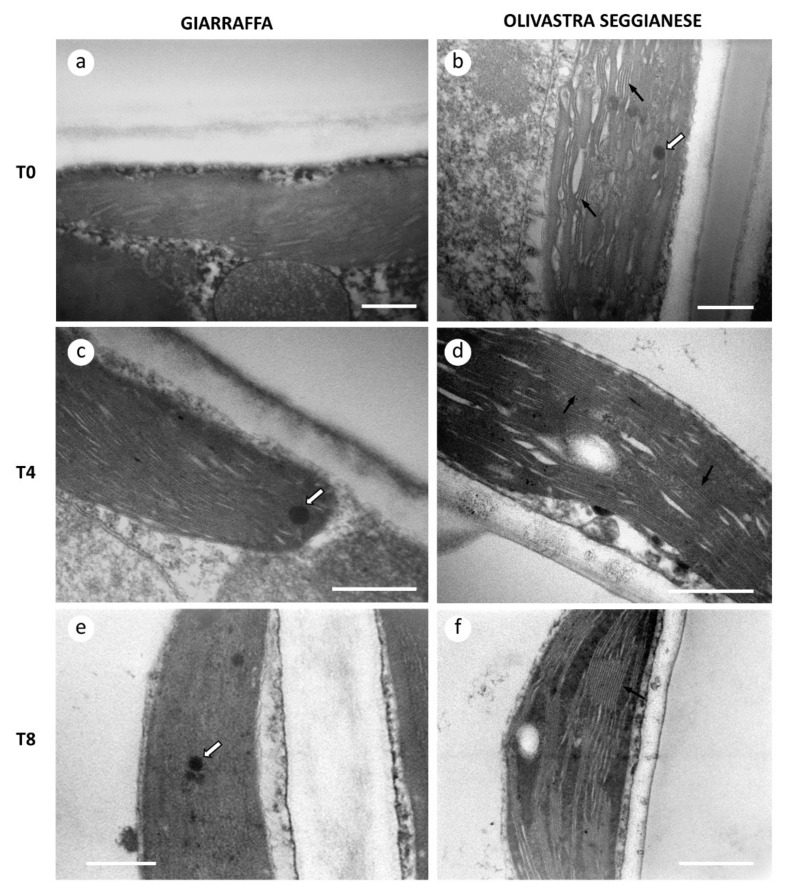
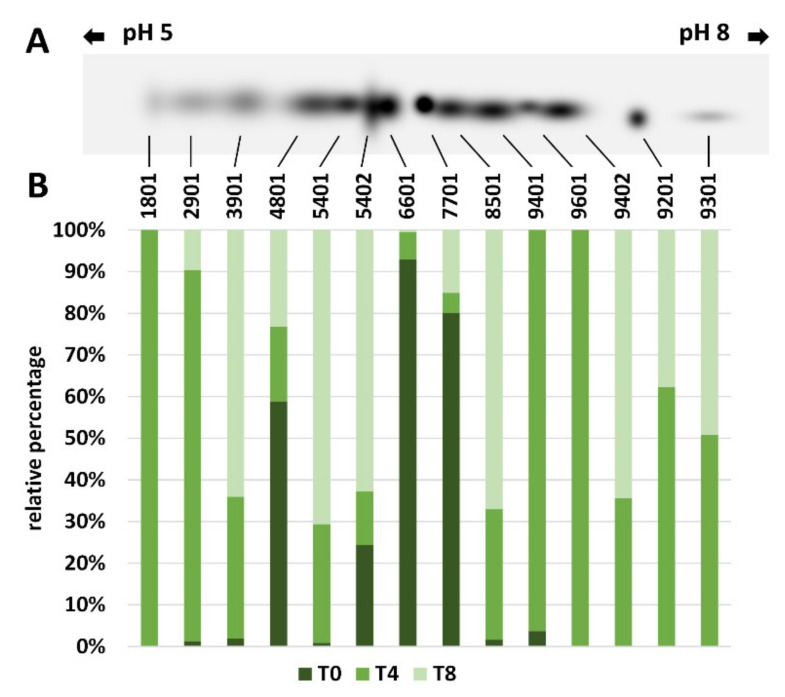
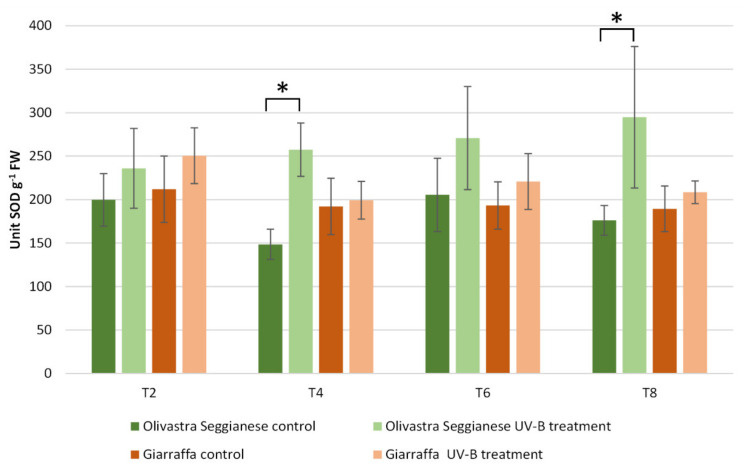
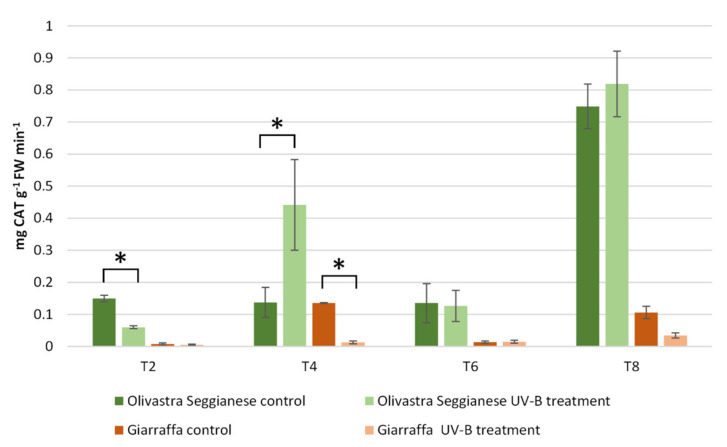
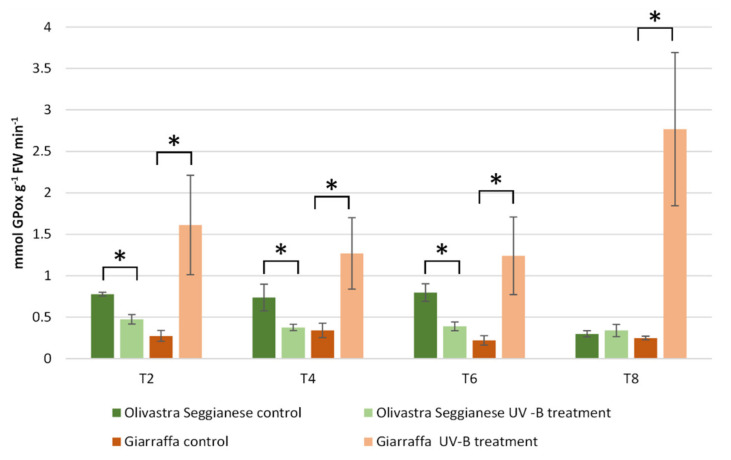
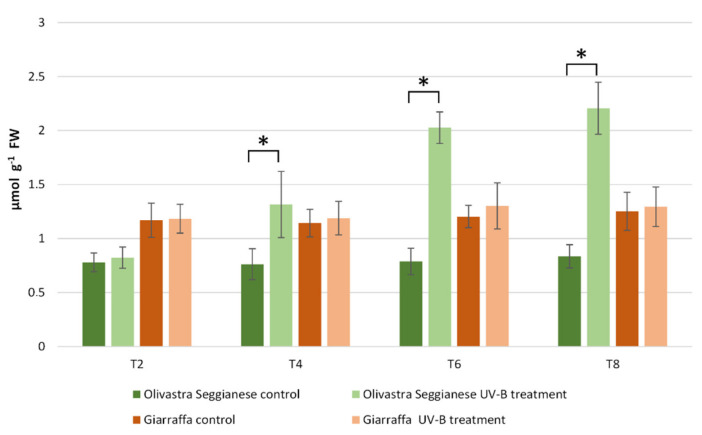
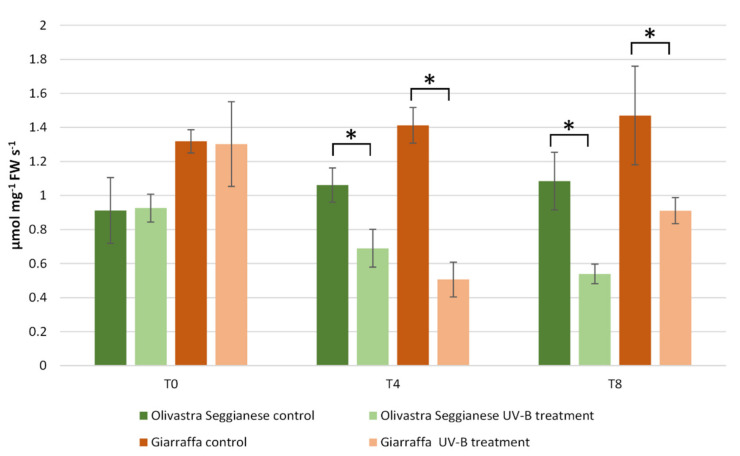
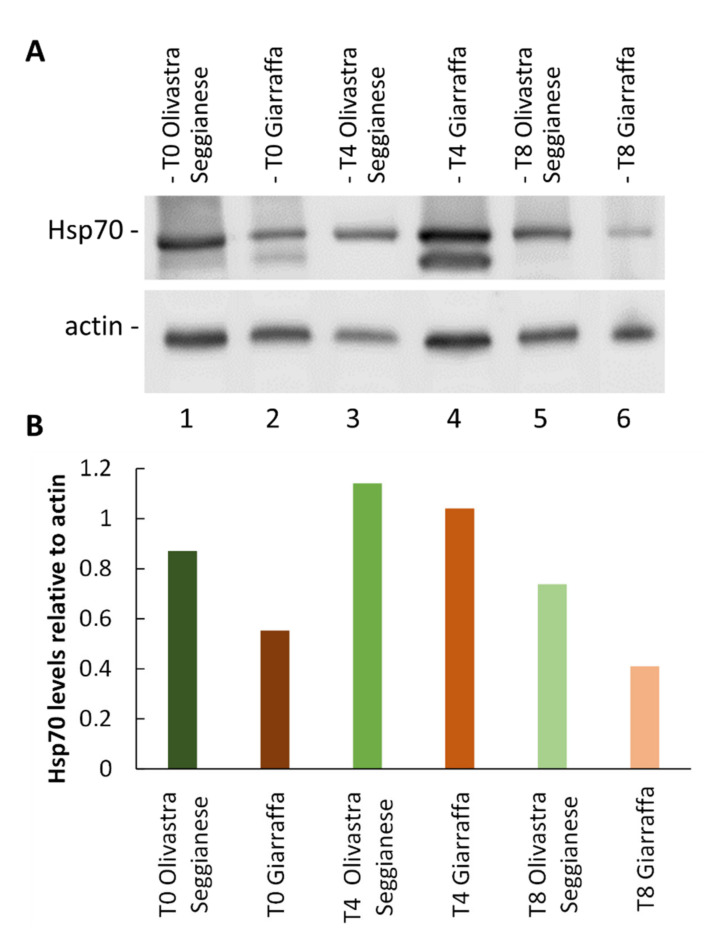
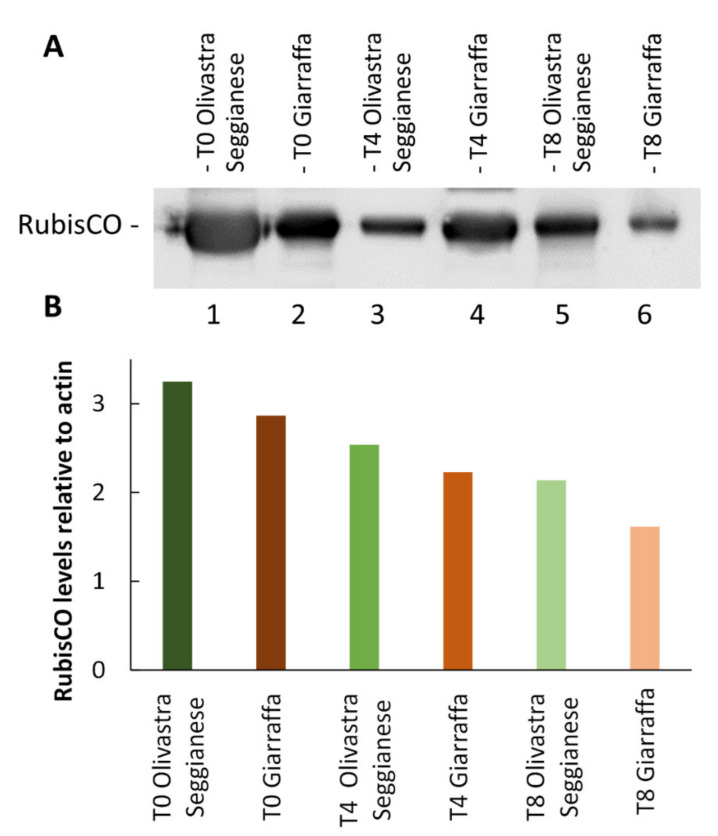
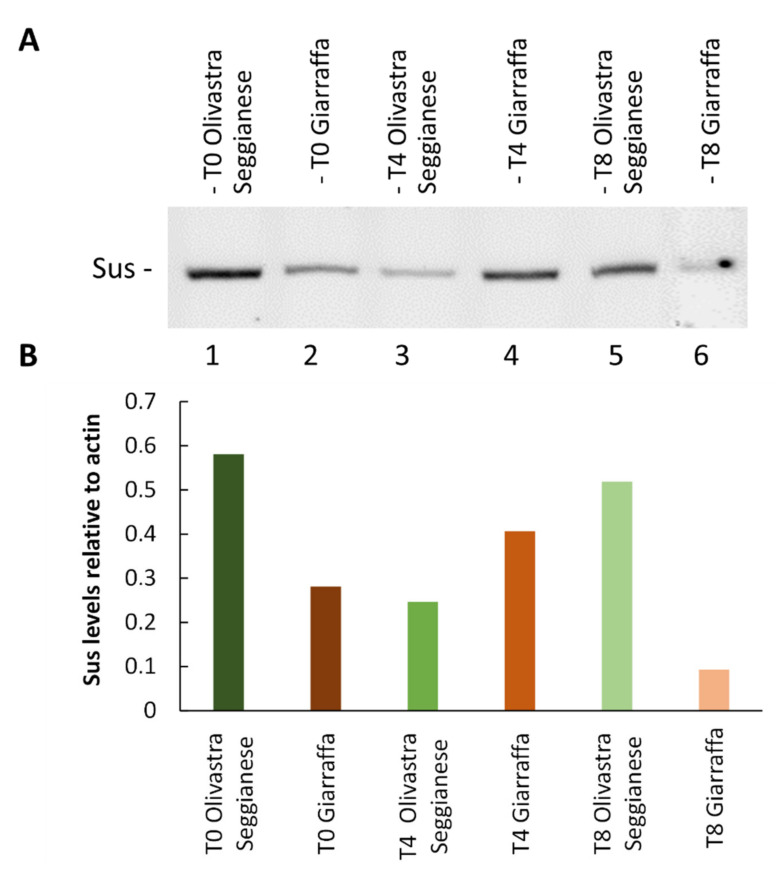
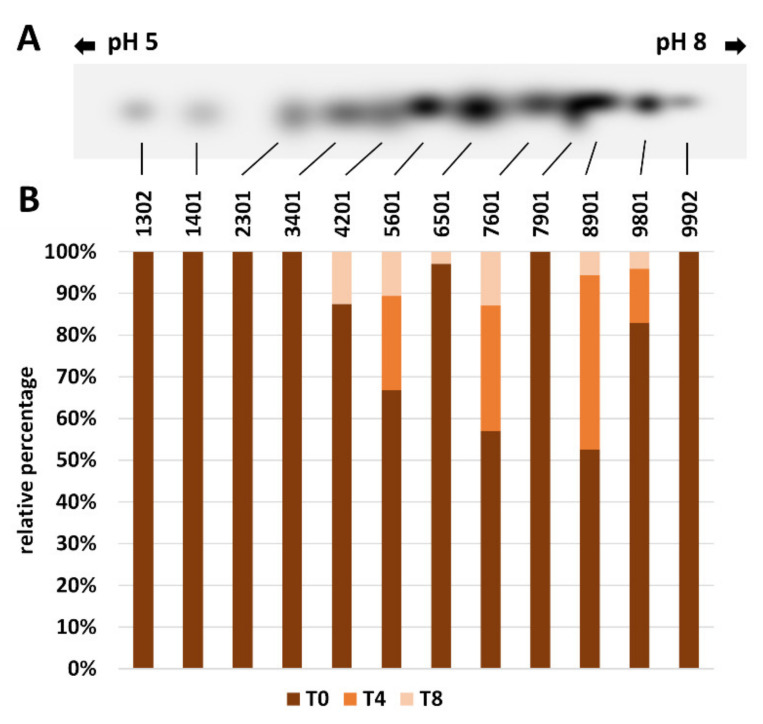
In recent decades, atmospheric pollution led to a progressive reduction of the ozone layer with a consequent increase in UV-B radiation. Despite the high adaptation of olive trees to the Mediterranean environment, the progressive increase of UV-B radiation is a risk factor for olive tree cultivation. It is therefore necessary to understand how high levels of UV-B radiation affect olive plants and to identify olive varieties which are better adapted. In this study we analyzed two Italian olive varieties subjected to chronic UV-B stress. We focused on the effects of UV-B radiation on RubisCO, in terms of quantity, enzymatic activity and isoform composition. In addition, we also analyzed changes in the activity of antioxidant enzymes (SOD, CAT, GPox) to get a comprehensive picture of the antioxidant system. We also evaluated the effects of UV-B on the enzyme sucrose synthase. The overall damage at biochemical level was also assessed by analyzing changes in Hsp70, a protein triggered under stress conditions. The results of this work indicate that the varieties (Giarraffa and Olivastra Seggianese) differ significantly in the use of specific antioxidant defense systems, as well as in the activity and isoform composition of RubisCO. Combined with a different use of sucrose synthase, the overall picture shows that Giarraffa optimized the use of GPox and opted for a targeted choice of RubisCO isoforms, in addition to managing the content of sucrose synthase, thereby saving energy during critical stress points.
近几十年来,大气污染导致臭氧层逐渐减少,随之而来的是 UV-B 辐射的增加。尽管橄榄树对地中海环境有很高的适应性,但 UV-B 辐射的逐渐增加是橄榄树种植的一个风险因素。因此,有必要了解高水平的 UV-B 辐射如何影响橄榄树,并确定哪些橄榄品种具有更好的适应性。在这项研究中,我们分析了两种意大利橄榄品种,它们受到慢性 UV-B 胁迫的影响。我们专注于 UV-B 辐射对 Rubisco 的影响,包括 Rubisco 的数量、酶活性和同工酶组成。此外,我们还分析了抗氧化酶(SOD、CAT、GPox)活性的变化,以全面了解抗氧化系统。我们还评估了 UV-B 对蔗糖合酶的影响。通过分析在胁迫条件下触发的热休克蛋白 70(Hsp70)的变化,来评估 UV-B 对整个生化水平的损伤。这项工作的结果表明,两个品种(Giarraffa 和 Olivastra Seggianese)在特定抗氧化防御系统的利用、Rubisco 的活性和同工酶组成方面存在显著差异。结合蔗糖合酶的不同利用方式,总体情况表明,Giarraffa 优化了 GPox 的利用,并选择了有针对性的 Rubisco 同工酶,同时还管理蔗糖合酶的含量,从而在关键的应激点节省能量。