Department of Aquaculture, College of Animal Science and Technology, Sichuan Agricultural University, Chengdu 61000, China.
Nutrients. 2021 Sep 26;13(10):3387. doi: 10.3390/nu13103387.
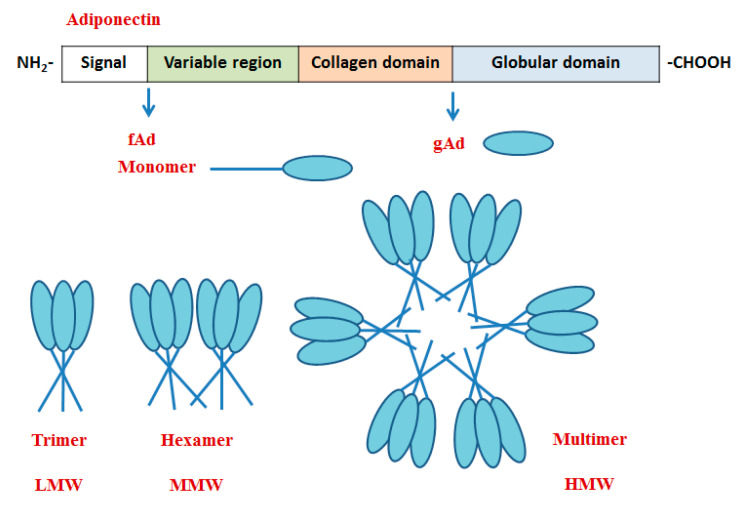
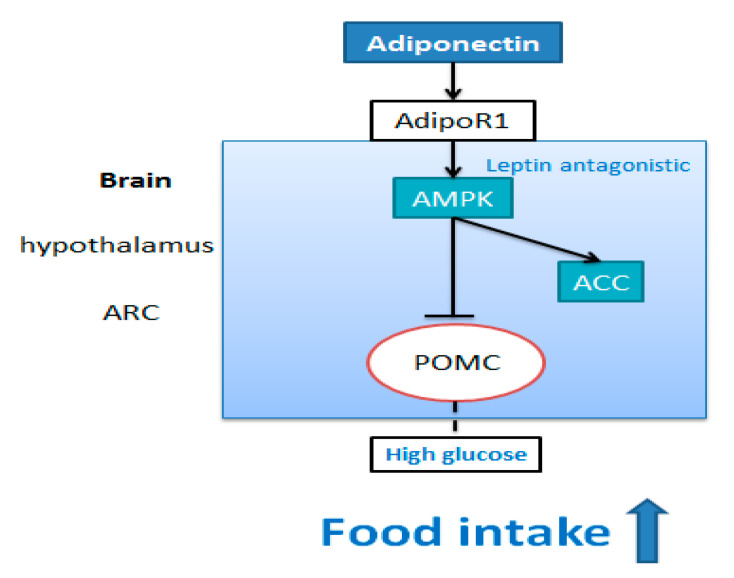
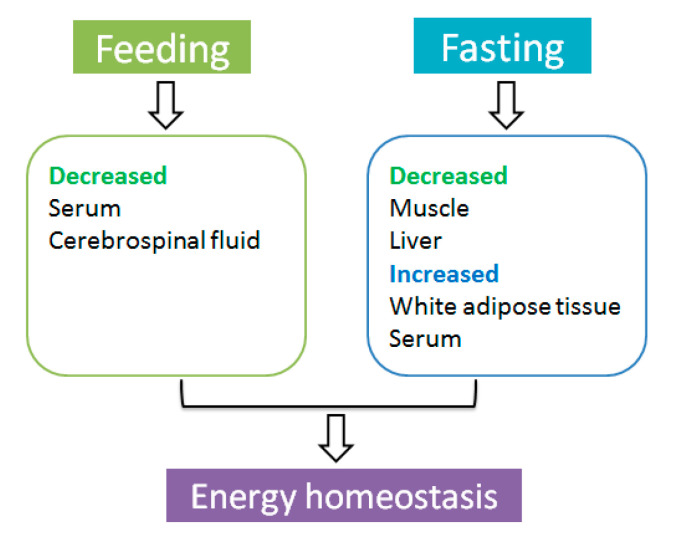
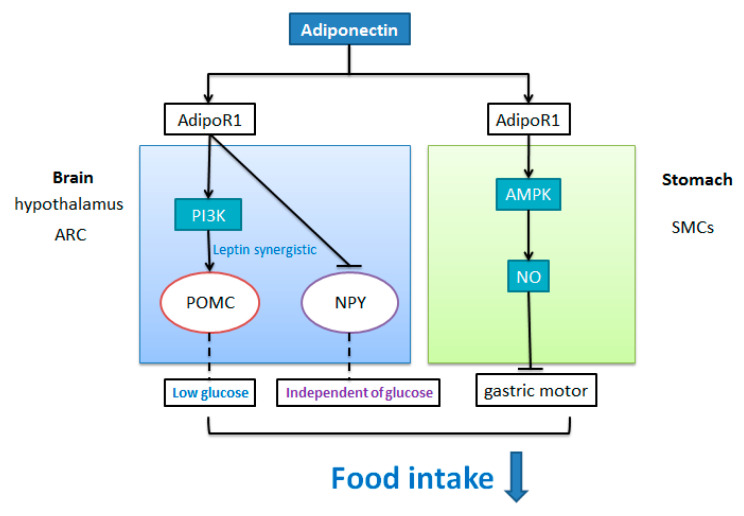
Eating disorders and obesity are important health problems with a widespread global epidemic. Adiponectin (AdipoQ), the most abundant adipokine in the plasma, plays important roles in the regulation of energy homeostasis, glucose metabolism and lipid metabolism. Plasma adiponectin concentration is negatively associated with obesity and binge eating disorder. There is a growing interest in the appetite regulation function of adiponectin. However, the effect of AdipoQ on feeding behavior is controversial and closely related to nutritional status and food composition. In this review, we summarize the literatures about the discovery, structure, tissue distribution, receptors and regulation of nutritional status, and focus on the biological function of adiponectin in the regulation of food intake in the central and peripheral system.
饮食失调和肥胖是全球性的健康问题,具有广泛的影响。脂联素(AdipoQ)是血浆中含量最丰富的脂肪因子,在调节能量平衡、葡萄糖代谢和脂质代谢方面发挥着重要作用。血浆脂联素浓度与肥胖和暴食障碍呈负相关。人们对脂联素的食欲调节功能越来越感兴趣。然而,AdipoQ 对摄食行为的影响存在争议,且与营养状况和食物成分密切相关。在这篇综述中,我们总结了有关脂联素的发现、结构、组织分布、受体和营养状态调节的文献,并重点介绍了脂联素在中枢和外周系统调节食物摄入方面的生物学功能。