Kim Mi-Jeong, Choi Bongkum, Kim Ji Young, Min Yoon, Kwon Do Hee, Son Juhee, Lee Ji Su, Lee Joo Sang, Chun Eunyoung, Lee Ki-Young
Department of Immunology and Samsung Biomedical Research Institute, Sungkyunkwan University School of Medicine, 2066 Seobu-ro, Jangan-gu, Suwon, Gyeonggi-do 16419, Republic of Korea.
Department of Medicine, Sungkyunkwan University School of Medicine, Suwon, Republic of Korea.
Transl Oncol. 2022 Jan;15(1):101250. doi: 10.1016/j.tranon.2021.101250. Epub 2021 Oct 20.
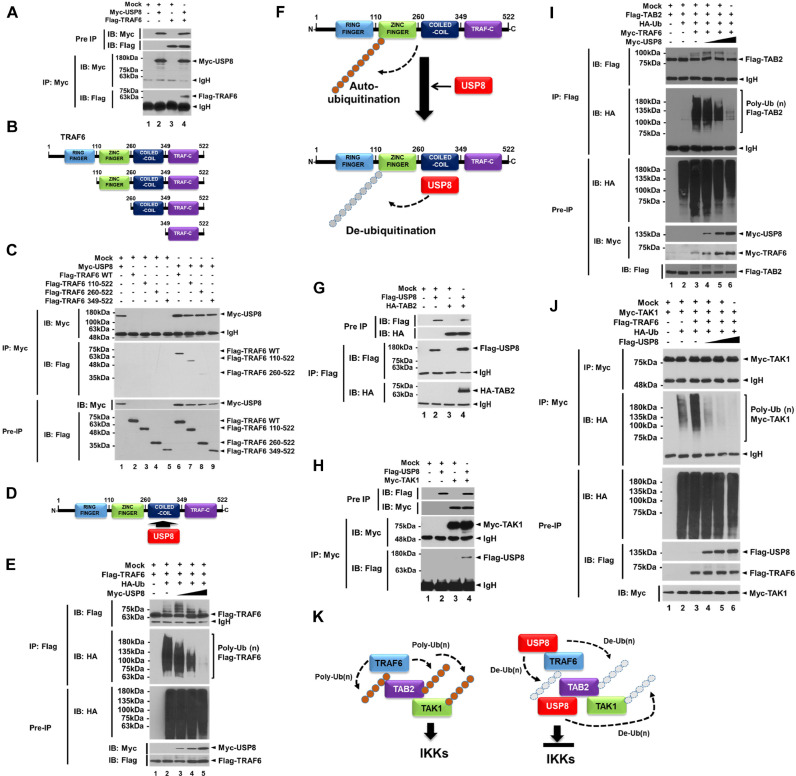
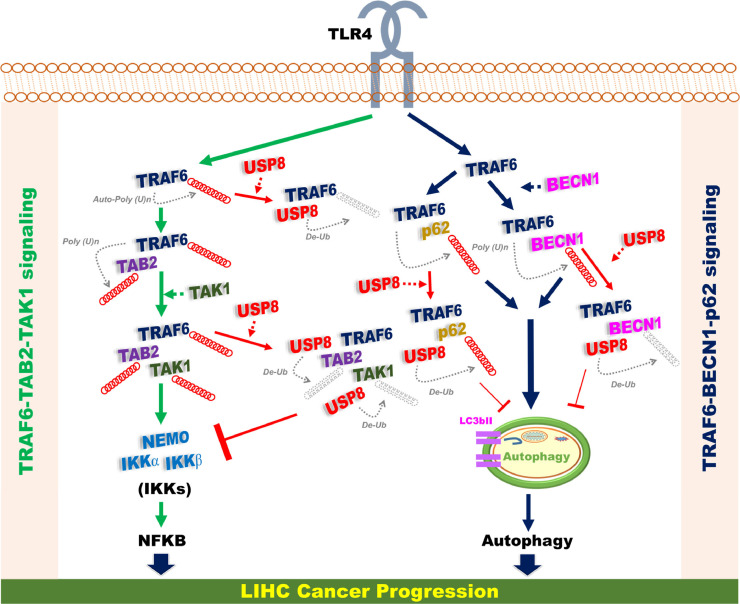
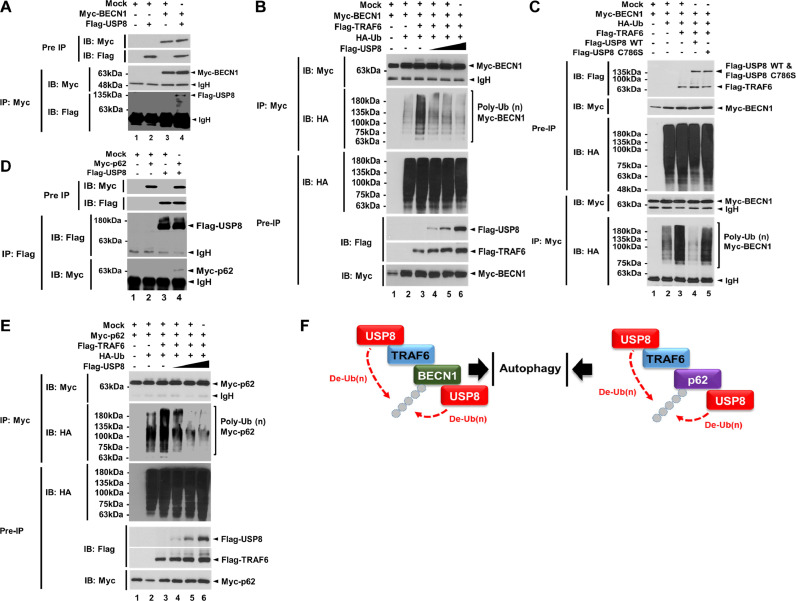
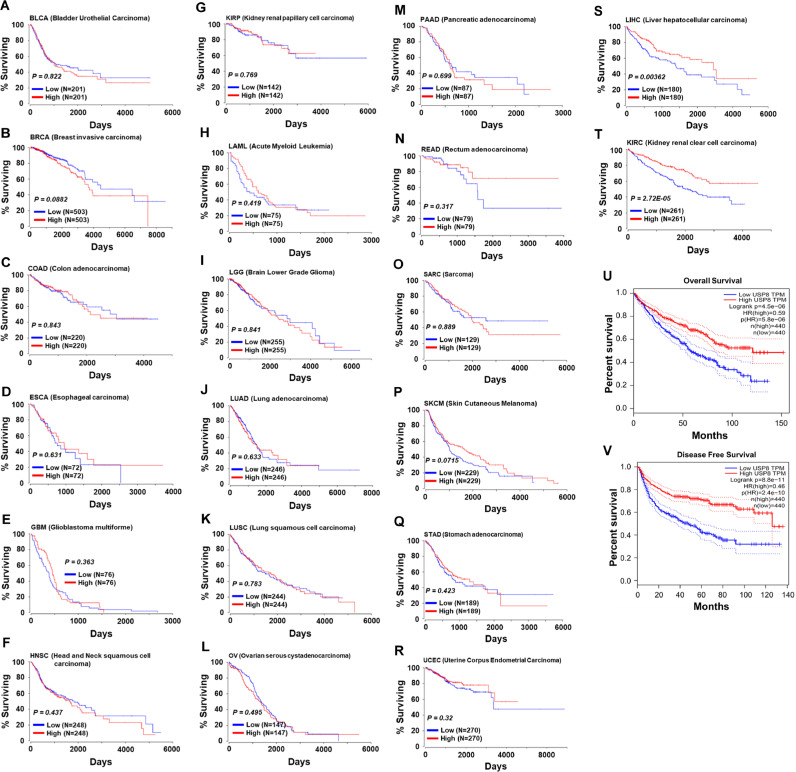
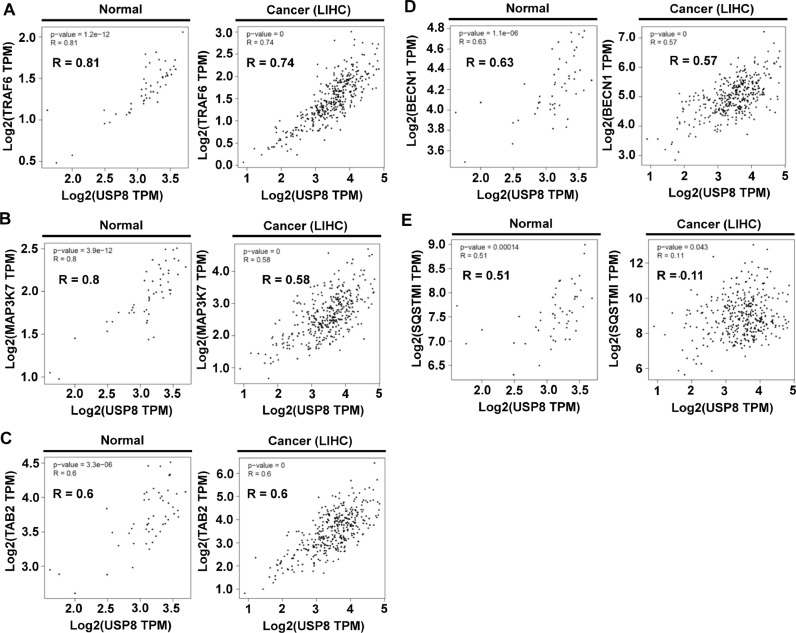
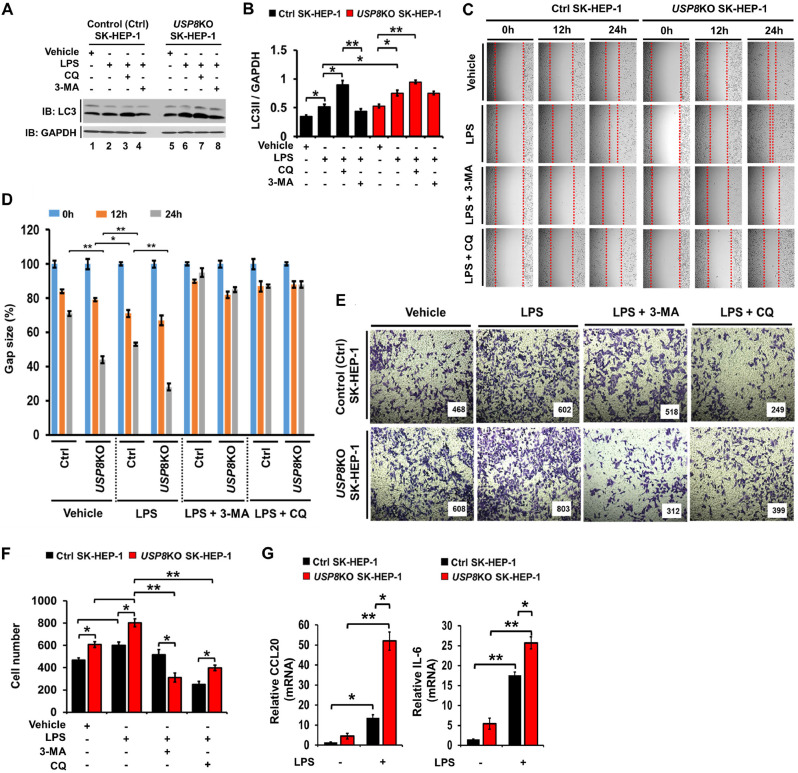
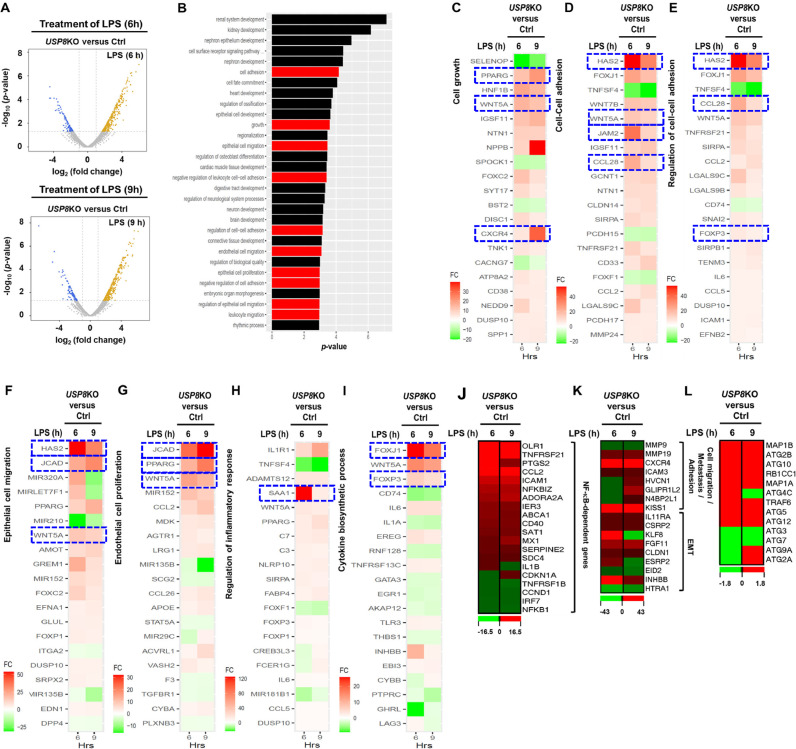
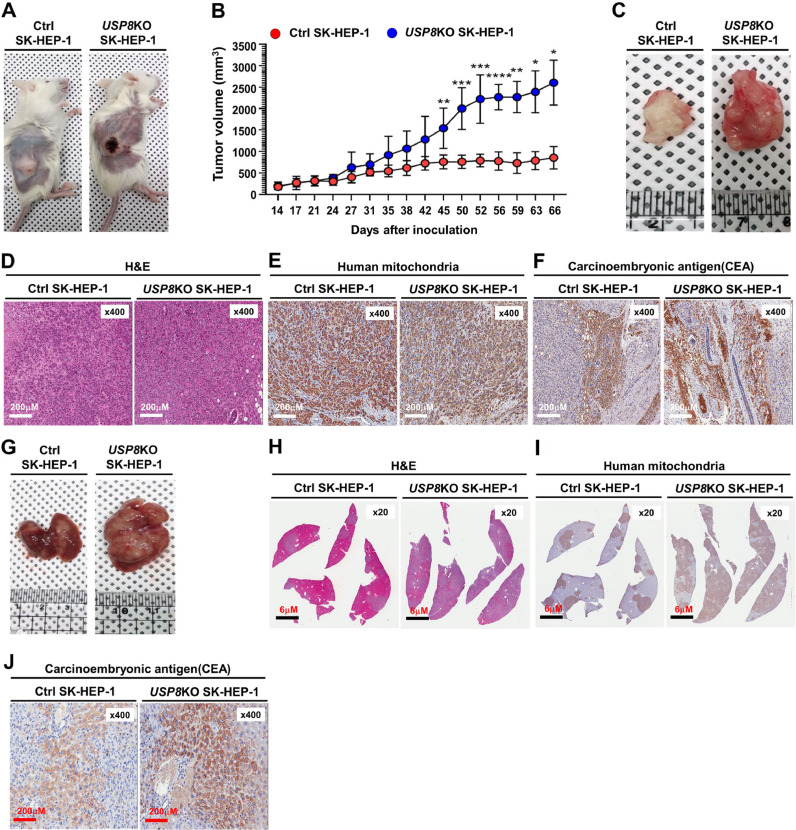
Herein, we aimed to elucidate the molecular and cellular mechanism in which ubiquitin-specific protease 8 (USP8) is implicated in liver cancer progression via TRAF6-mediated signal. USP8 induces the deubiquitination of TRAF6, TAB2, TAK1, p62, and BECN1, which are pivotal roles for NF-κB activation and autophagy induction. Notably, the LIHC patient with low USP8 mRNA expression showed markedly shorter survival time, whereas there was no significant difference in the other 18-human cancers. Importantly, the TCGA data analysis on LIHC and transcriptome analysis on the USP8 knockout (USP8KO) SK-HEP-1 cells revealed a significant correlation between USP8 and TRAF6, TAB2, TAK1, p62, and BECN1, and enhanced NF-κB-dependent and autophagy-related cancer progression/metastasis-related genes in response to LPS stimulation. Furthermore, USP8KO SK-HEP-1 cells showed an increase in cancer migration and invasion by TLR4 stimulation, and a marked increase of tumorigenicity and metastasis in xenografted NSG mice. The results demonstrate that USP8 is negatively implicated in the LIHC progression through the regulation of TRAF6-mediated signal for the activation of NF-κB activation and autophagy induction. Our findings provide useful insight into the LIHC pathogenesis of cancer progression.
在此,我们旨在阐明泛素特异性蛋白酶8(USP8)通过TRAF6介导的信号参与肝癌进展的分子和细胞机制。USP8诱导TRAF6、TAB2、TAK1、p62和BECN1的去泛素化,这些对于NF-κB激活和自噬诱导起着关键作用。值得注意的是,USP8 mRNA表达低的肝癌患者生存时间明显缩短,而在其他18种人类癌症中没有显著差异。重要的是,对肝癌的TCGA数据分析以及对USP8基因敲除(USP8KO)的SK-HEP-1细胞的转录组分析显示,USP8与TRAF6、TAB2、TAK1、p62和BECN1之间存在显著相关性,并且在LPS刺激下,NF-κB依赖性和自噬相关的癌症进展/转移相关基因增强。此外,USP8KO SK-HEP-1细胞在TLR4刺激下癌症迁移和侵袭增加,并且在异种移植的NSG小鼠中致瘤性和转移显著增加。结果表明,USP通过调节TRAF6介导的信号以激活NF-κB激活和自噬诱导,从而对肝癌进展产生负向影响。我们的发现为肝癌进展的发病机制提供了有用的见解。