
动脉高血压 - 2021 年临床试验更新。
Arterial hypertension - Clinical trials update 2021.
机构信息
Klinik für Innere Medizin III, Kardiologie, Angiologie und Internistische Intensivmedizin, Universitätsklinikum des Saarlandes, Saarland University, Homburg, Germany.
Klinik für Innere Medizin III, Kardiologie, Angiologie und Internistische Intensivmedizin, Universitätsklinikum des Saarlandes, Saarland University, Homburg, Germany.
出版信息
Nutr Metab Cardiovasc Dis. 2022 Jan;32(1):21-31. doi: 10.1016/j.numecd.2021.09.007. Epub 2021 Sep 16.
AIM
This review aims to summarize and discuss some of the most relevant clinical trials in epidemiology, diagnostics, and treatment of hypertension published in 2020 and 2021.
DATA SYNTHESIS
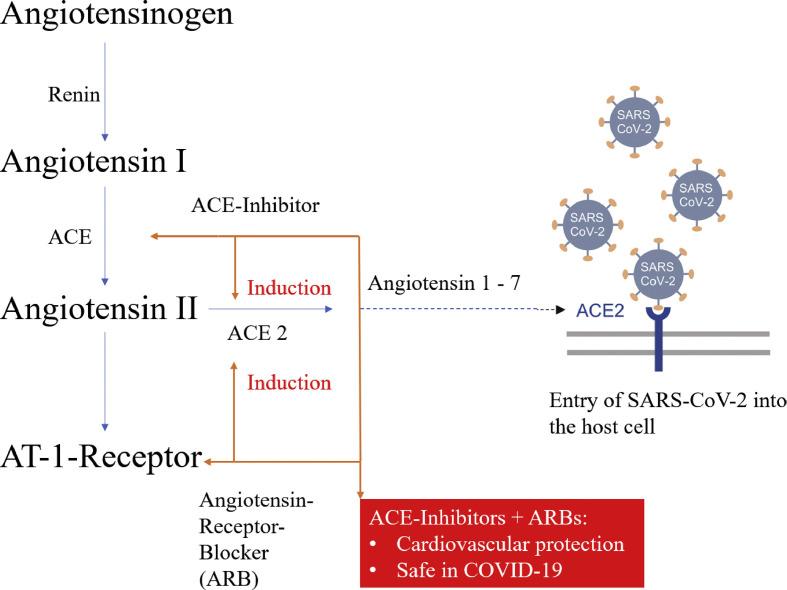
The trials included in this review are related to hypertension onset age and risk for future cardiovascular disease, reliability of different blood pressure monitoring methods, role of exercise-induced hypertension, treatment of hypertension in patients with SARS-CoV-2 infection, management of hypertension high-risk patient groups, e.g., in the elderly (≥80 years) and patients with atrial fibrillation, and the interplay between nutrition and hypertension, as well as recent insights into renal denervation for treatment of hypertension.
CONCLUSIONS
Hypertension onset age, nighttime blood pressure levels and a riser pattern are relevant for the prognosis of future cardiovascular diseases. The risk of coronary heart disease appears to increase linearly with increasing exercise systolic blood pressure. Renin-angiotensin system blockers are not associated with an increased risk for a severe course of COVID-19. In elderly patients, a risk-benefit assessment of intensified blood pressure control should be individually evaluated. A J-shaped association between cardiovascular disease and achieved blood pressure could also be demonstrated in patients with atrial fibrillation on anticoagulation. Salt restriction and lifestyle modification remain effective options in treating hypertensive patients at low cardiovascular risk. Sodium glucose co-transporter 2 inhibitors and Glucagon-like peptide-1 receptor agonists show BP-lowering effects. Renal denervation should be considered as an additional or alternative treatment option in selected patients with uncontrolled hypertension.
目的
本综述旨在总结和讨论 2020 年和 2021 年发表的一些关于高血压的流行病学、诊断和治疗方面的重要临床试验。
数据综合
本综述中纳入的试验与高血压发病年龄和未来心血管疾病风险、不同血压监测方法的可靠性、运动性高血压的作用、SARS-CoV-2 感染患者的高血压治疗、高血压高危患者人群(如≥80 岁的老年人和房颤患者)的管理、营养与高血压的相互作用以及高血压治疗中肾去神经术的最新进展有关。
结论
高血压发病年龄、夜间血压水平和升型模式与未来心血管疾病的预后相关。冠心病的风险似乎随运动收缩压的升高呈线性增加。肾素-血管紧张素系统阻滞剂与 COVID-19 严重病程的风险增加无关。在老年患者中,应个体化评估强化血压控制的风险效益。在接受抗凝治疗的房颤患者中,也可以证明心血管疾病与血压控制之间存在 J 型关联。在心血管风险较低的高血压患者中,盐限制和生活方式改变仍然是有效的治疗方法。钠-葡萄糖共转运蛋白 2 抑制剂和胰高血糖素样肽-1 受体激动剂具有降压作用。在选定的未控制高血压患者中,应考虑将肾去神经术作为附加或替代治疗选择。




 Zotero 插件