Rezaee Nasim, Fernando W M A D Binosha, Hone Eugene, Sohrabi Hamid R, Johnson Stuart K, Gunzburg Stuart, Martins Ralph N
Centre of Excellence for Alzheimer's Disease Research & Care, School of Medical and Health Sciences, Edith Cowan University, Joondalup, WA, Australia.
Department of Biomedical Sciences, Macquarie University, Sydney, NSW, Australia.
Front Aging Neurosci. 2021 Oct 6;13:729949. doi: 10.3389/fnagi.2021.729949. eCollection 2021.
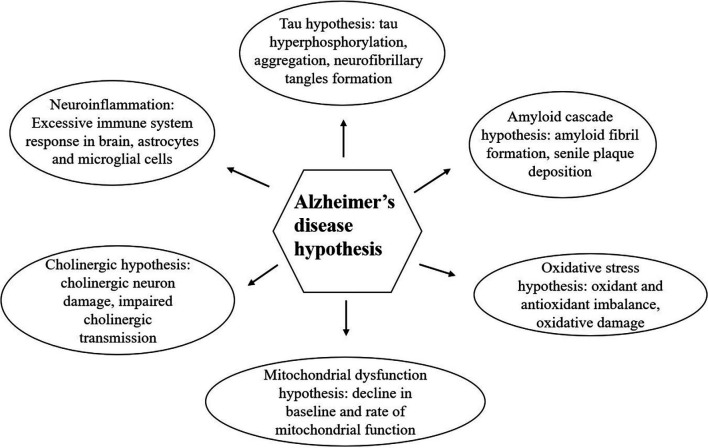
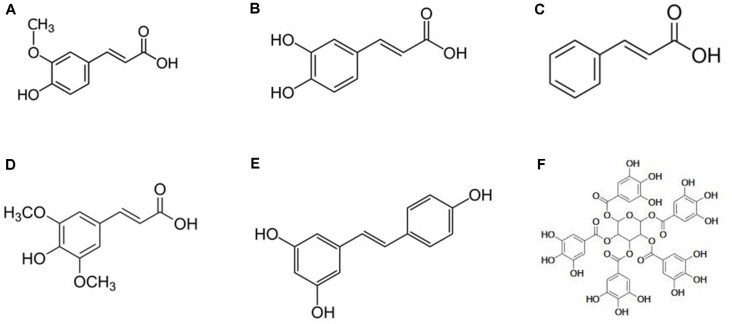
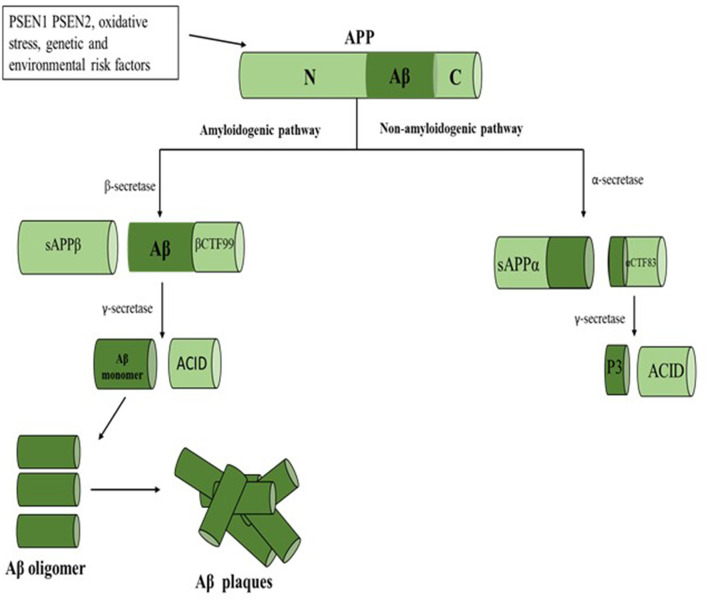
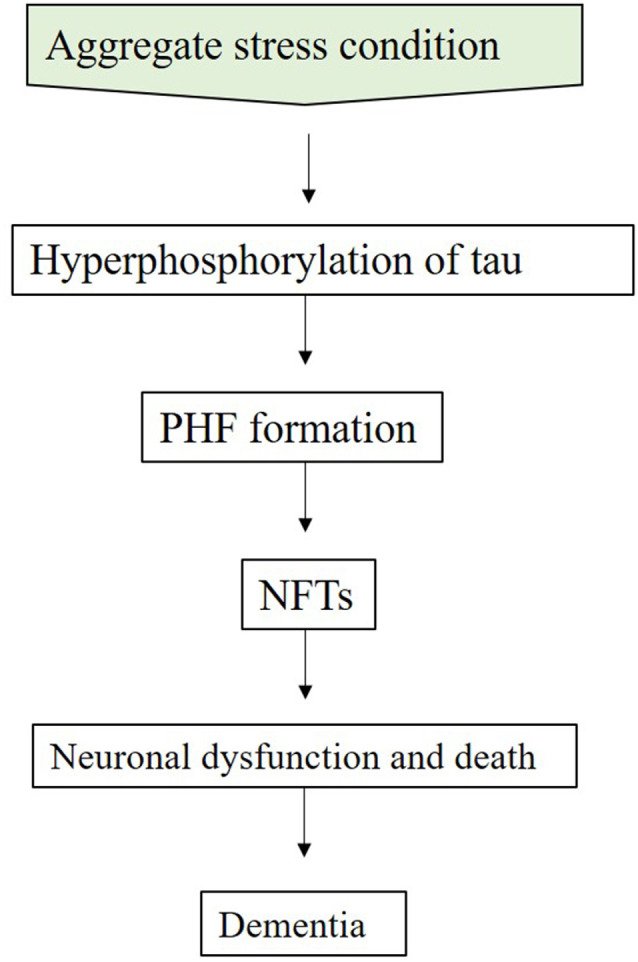
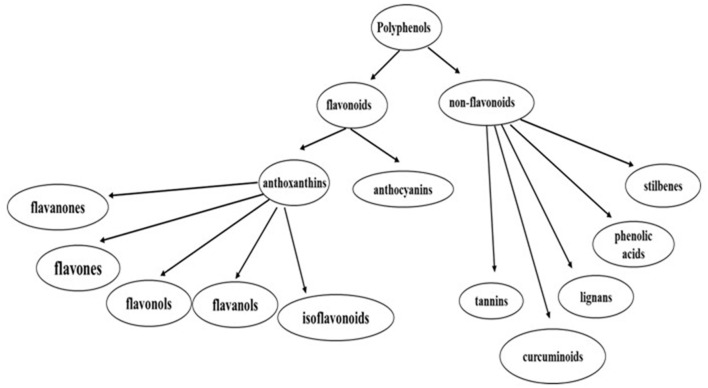
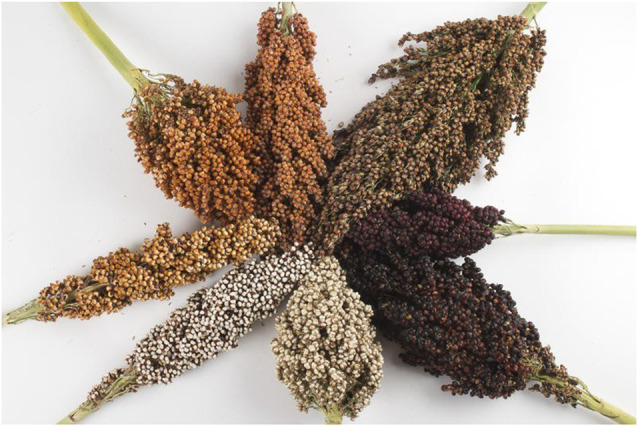
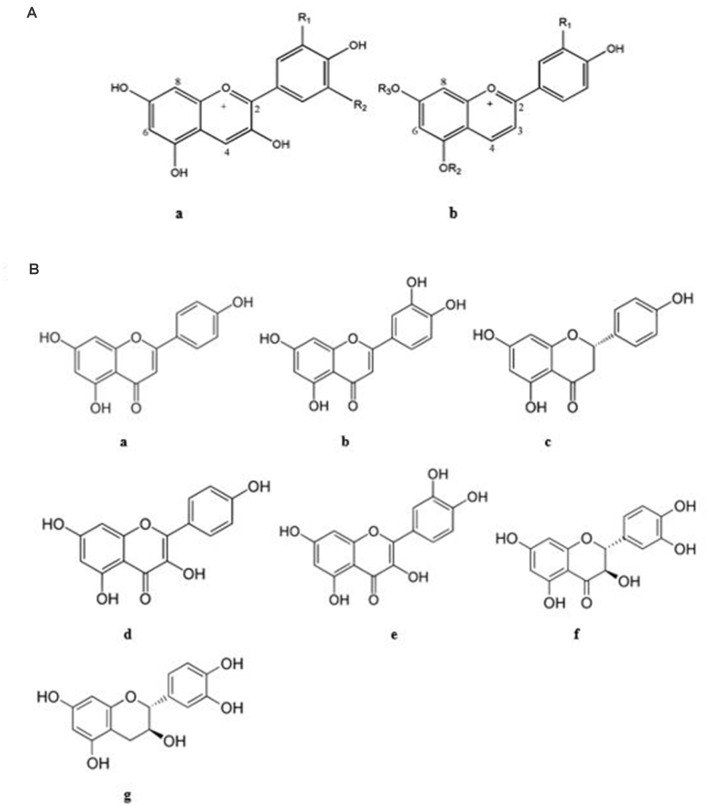
Alzheimer's disease (AD) is characterized by the excessive deposition of extracellular amyloid-beta peptide (Aβ) and the build-up of intracellular neurofibrillary tangles containing hyperphosphorylated tau proteins. This leads to neuronal damage, cell death and consequently results in memory and learning impairments leading to dementia. Although the exact cause of AD is not yet clear, numerous studies indicate that oxidative stress, inflammation, and mitochondrial dysfunction significantly contribute to its onset and progression. There is no effective therapeutic approach to stop the progression of AD and its associated symptoms. Thus, early intervention, preferably, pre-clinically when the brain is not significantly affected, is a better option for effective treatment. Natural polyphenols (PP) target multiple AD-related pathways such as protecting the brain from Aβ and tau neurotoxicity, ameliorating oxidative damage and mitochondrial dysfunction. Among natural products, the cereal crop sorghum has some unique features. It is one of the major global grain crops but in the developed world, it is primarily used as feed for farm animals. A broad range of PP, including phenolic acids, flavonoids, and condensed tannins are present in sorghum grain including some classes such as proanthocyanidins that are rarely found in others plants. Pigmented varieties of sorghum have the highest polyphenolic content and antioxidant activity which potentially makes their consumption beneficial for human health through different pathways such as oxidative stress reduction and thus the prevention and treatment of neurodegenerative diseases. This review summarizes the potential of sorghum PP to beneficially affect the neuropathology of AD.
阿尔茨海默病(AD)的特征是细胞外淀粉样β肽(Aβ)过度沉积以及细胞内含有高度磷酸化tau蛋白的神经原纤维缠结的积累。这会导致神经元损伤、细胞死亡,进而导致记忆和学习障碍,最终发展为痴呆症。尽管AD的确切病因尚不清楚,但大量研究表明,氧化应激、炎症和线粒体功能障碍在其发病和进展过程中起着重要作用。目前尚无有效的治疗方法来阻止AD的进展及其相关症状。因此,早期干预,最好是在临床前大脑尚未受到明显影响时进行干预,是有效治疗的更好选择。天然多酚(PP)靶向多种与AD相关的途径,如保护大脑免受Aβ和tau神经毒性、减轻氧化损伤和线粒体功能障碍。在天然产物中,谷类作物高粱具有一些独特的特性。它是全球主要的粮食作物之一,但在发达国家,它主要用作农场动物的饲料。高粱籽粒中含有多种PP,包括酚酸、黄酮类化合物和缩合单宁,其中一些类别如原花青素在其他植物中很少见。有色高粱品种的多酚含量和抗氧化活性最高,这可能通过不同途径,如减轻氧化应激,从而预防和治疗神经退行性疾病,使其消费对人类健康有益。本综述总结了高粱PP对AD神经病理学产生有益影响的潜力。