Bartolome Fernando, Carro Eva, Alquezar Carolina
Group of Neurodegenerative Diseases, Hospital Universitario 12 de Octubre Research Institute (imas12), 28041 Madrid, Spain.
Network Center for Biomedical Research in Neurodegenerative Diseases (CIBERNED), Spain.
Antioxidants (Basel). 2022 Jul 22;11(8):1421. doi: 10.3390/antiox11081421.
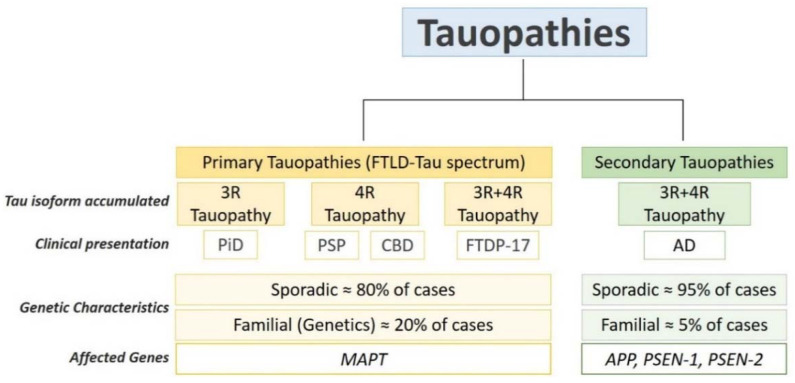
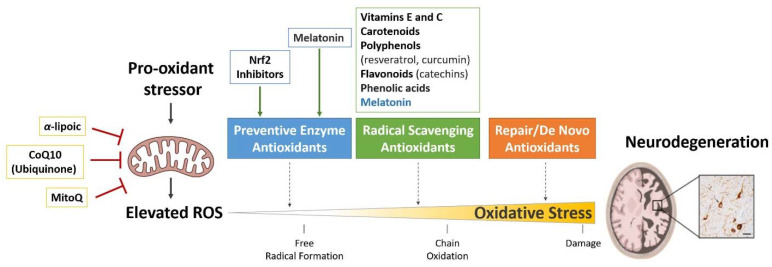
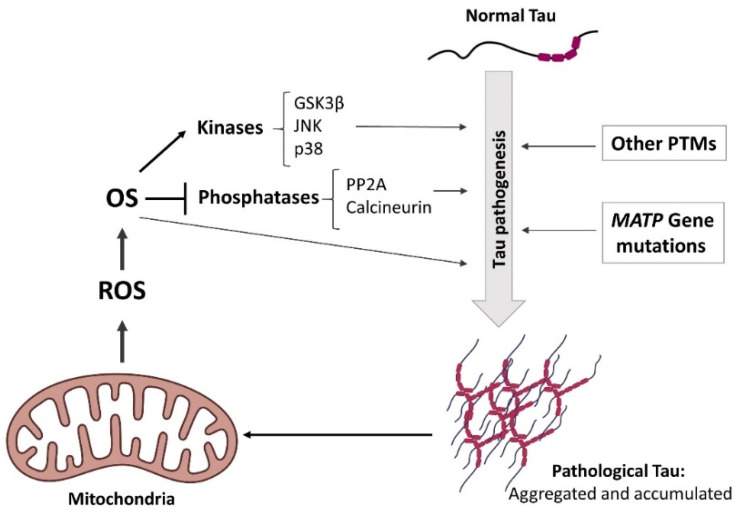
Oxidative stress (OS) is the result of an imbalance between the production of reactive oxygen species (ROS) and the antioxidant capacity of cells. Due to its high oxygen demand, the human brain is highly susceptible to OS and, thus, it is not a surprise that OS has emerged as an essential component of the pathophysiology of several neurodegenerative diseases, including tauopathies. Tauopathies are a heterogeneous group of age-related neurodegenerative disorders characterized by the deposition of abnormal tau protein in the affected neurons. With the worldwide population aging, the prevalence of tauopathies is increasing, but effective therapies have not yet been developed. Since OS seems to play a key role in tauopathies, it has been proposed that the use of antioxidants might be beneficial for tau-related neurodegenerative diseases. Although antioxidant therapies looked promising in preclinical studies performed in cellular and animal models, the antioxidant clinical trials performed in tauopathy patients have been disappointing. To develop effective antioxidant therapies, the molecular mechanisms underlying OS in tauopathies should be completely understood. Here, we review the link between OS and tauopathies, emphasizing the causes of OS in these diseases and the role of OS in tau pathogenesis. We also summarize the antioxidant therapies proposed as a potential treatment for tauopathies and discuss why they have not been completely translated to clinical trials. This review aims to provide an integrated perspective of the role of OS and antioxidant therapies in tauopathies. In doing so, we hope to enable a more comprehensive understanding of OS in tauopathies that will positively impact future studies.
氧化应激(OS)是活性氧(ROS)生成与细胞抗氧化能力失衡的结果。由于人类大脑对氧气需求高,极易受到氧化应激影响,因此氧化应激成为包括tau蛋白病在内的几种神经退行性疾病病理生理学的重要组成部分也就不足为奇了。tau蛋白病是一组异质性的与年龄相关的神经退行性疾病,其特征是受影响神经元中异常tau蛋白沉积。随着全球人口老龄化,tau蛋白病的患病率在增加,但尚未开发出有效的治疗方法。由于氧化应激似乎在tau蛋白病中起关键作用,有人提出使用抗氧化剂可能对tau蛋白相关神经退行性疾病有益。尽管抗氧化剂疗法在细胞和动物模型的临床前研究中看起来很有前景,但在tau蛋白病患者中进行的抗氧化剂临床试验却令人失望。为了开发有效的抗氧化剂疗法,应全面了解tau蛋白病中氧化应激的分子机制。在此,我们综述氧化应激与tau蛋白病之间的联系,强调这些疾病中氧化应激的原因以及氧化应激在tau蛋白发病机制中的作用。我们还总结了作为tau蛋白病潜在治疗方法提出的抗氧化剂疗法,并讨论它们为何尚未完全转化为临床试验。本综述旨在提供氧化应激和抗氧化剂疗法在tau蛋白病中作用的综合观点。通过这样做,我们希望能更全面地了解tau蛋白病中的氧化应激,这将对未来研究产生积极影响。