National (Italy) and FAO Reference Center for Rabies, Istituto Zooprofilattico Sperimentale delle Venezie, 35020 Legnaro, PD, Italy.
Area Sanità Animale, AUSL Toscana SudEst, 52100 Arezzo, AR, Italy.
Viruses. 2021 Oct 14;13(10):2064. doi: 10.3390/v13102064.
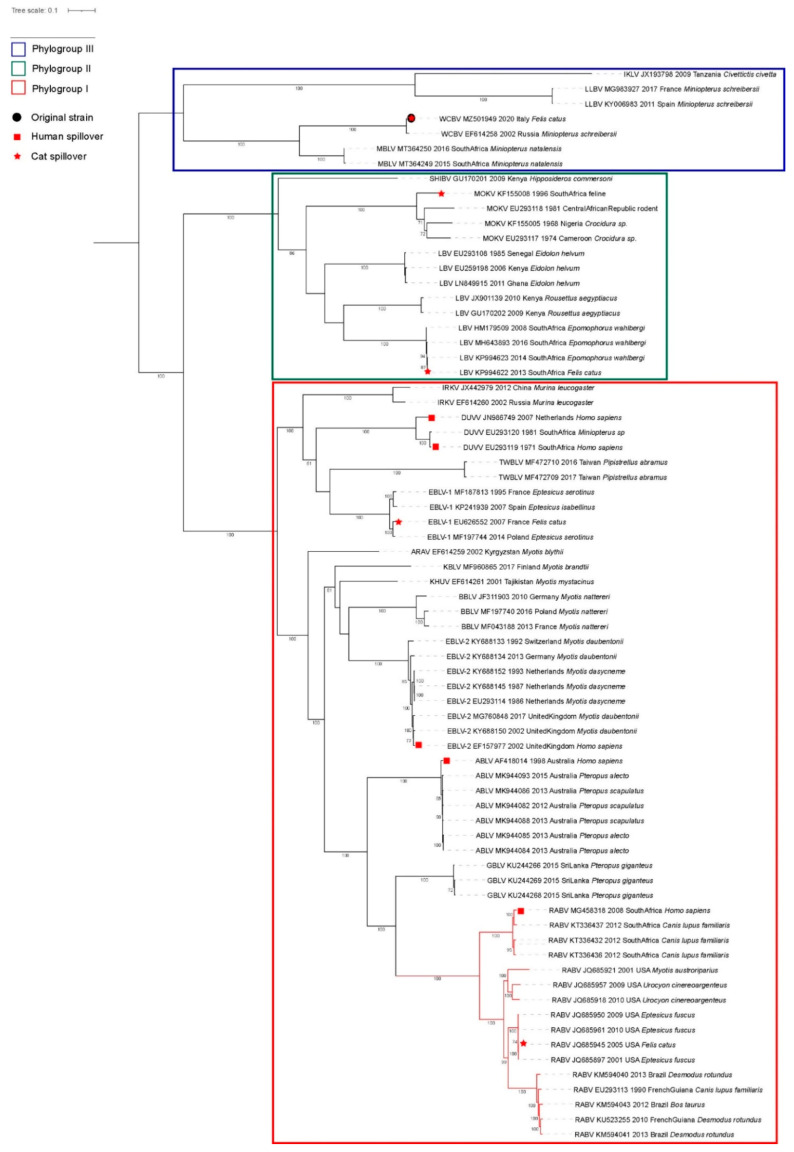
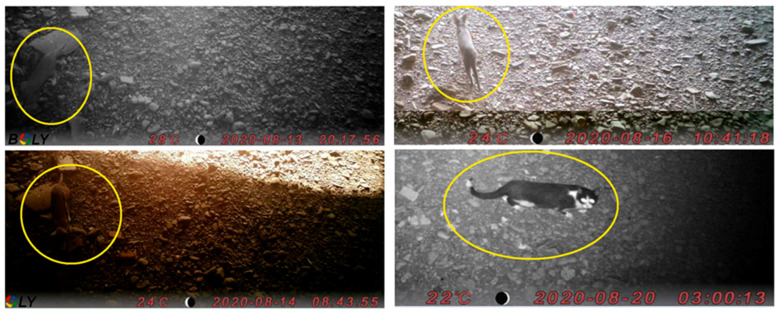
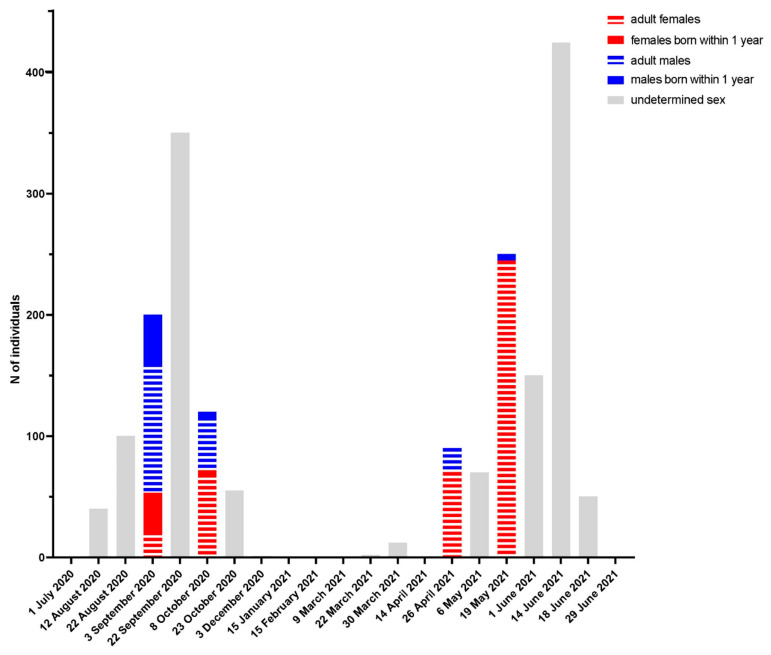
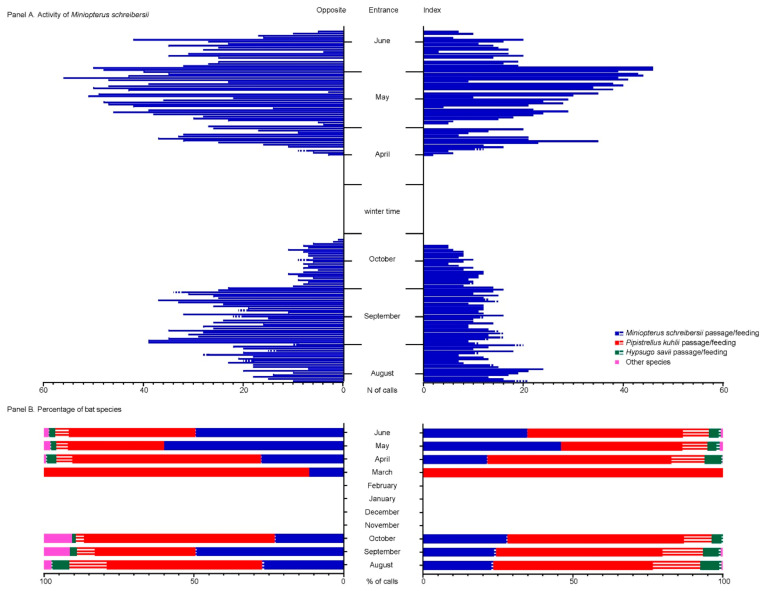
In June 2020, a cat from Arezzo (Italy) that died from a neurological disease was diagnosed with West Caucasian Bat Lyssavirus (WCBV). The virus retained high identity across the whole-genome with the reference isolate found in 2002 from a Russian bent-winged bat. We applied control measures recommended by national regulations, investigated a possible interface between cats and bats using visual inspections, bioacoustics analyses and camera trapping and performed active and passive surveillance in bats to trace the source of infection. People that were exposed to the cat received full post-exposure prophylaxis while animals underwent six months of quarantine. One year later, they are all healthy. In a tunnel located near the cat's house, we identified a group of bent-winged bats that showed virus-neutralizing antibodies to WCBV across four sampling occasions, but no virus in salivary swabs. Carcasses from other bat species were all negative. This description of WCBV in a non-flying mammal confirms that this virus can cause clinical rabies in the absence of preventive and therapeutic measures, and highlights the lack of international guidelines against divergent lyssaviruses. We detected bent-winged bats as the most probable source of infection, testifying the encroachment between these bats and pets/human in urban areas and confirming free-ranging cats as potential hazard for public health and conservation.
2020 年 6 月,一只来自意大利阿雷佐的死于神经疾病的猫被诊断出患有西高加索蝙蝠狂犬病病毒(WCBV)。该病毒与 2002 年从俄罗斯翼展蝙蝠中发现的参考分离株在整个基因组中保持高度一致。我们应用了国家法规建议的控制措施,通过目视检查、生物声学分析和相机诱捕调查了猫和蝙蝠之间可能的接触界面,并对蝙蝠进行了主动和被动监测,以追踪感染源。接触过猫的人接受了全面的暴露后预防,而动物则被隔离了六个月。一年后,它们都很健康。在靠近猫的房子的一个隧道里,我们发现了一群翼展蝙蝠,它们在四个采样时间点都对 WCBV 产生了病毒中和抗体,但唾液拭子中没有病毒。其他蝙蝠物种的尸体均为阴性。这种非飞行哺乳动物中 WCBV 的描述证实,在没有预防和治疗措施的情况下,这种病毒会导致临床狂犬病,这突显了缺乏针对不同的狂犬病病毒的国际准则。我们将翼展蝙蝠检测为最有可能的感染源,证明了这些蝙蝠与城市地区的宠物/人类之间的入侵,并证实了自由放养的猫对公共卫生和保护构成潜在威胁。