Hunter New England Mental Health Service, PO Box 833, Newcastle, NSW, 2300, Australia.
Older People's Mental Health Service, Hunter New England Mental Health Service, PO Box 833, Newcastle, NSW, 2300, Australia.
Syst Rev. 2021 Oct 25;10(1):275. doi: 10.1186/s13643-021-01823-1.
Historically, eating disorders were not identified in older populations and it is only in more recent times that there is greater recognition of the existence of eating disorders among the elderly. This is despite the high level of morbidity and mortality associated with these disorders. Current guidelines focus on treatment of eating disorders within the adolescent and general adult age groups, without apparent concessions made for the older age group. The aim of this study was to review existing literature on the demographics and treatment of eating disorders in older people.
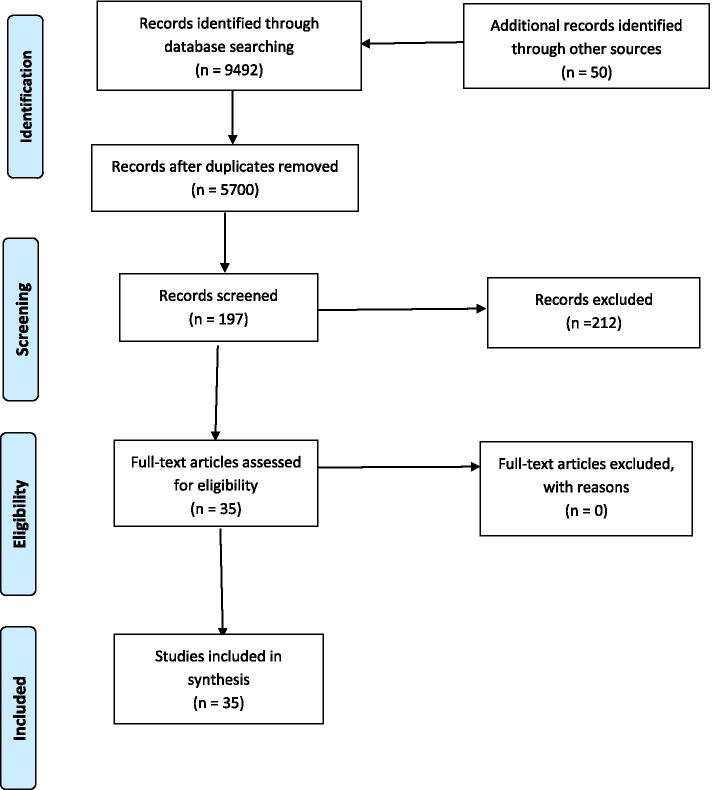
METHODS/DESIGN: A systematic review of the literature was conducted using CINAHL, MEDLINE, EMBASE, PsycInfo, Scopus, and Web of Science to identify publications focusing on treatment of eating disorders in people over the age of 65 years, age of diagnosis, gender distribution, treatment setting, and treatment outcomes.
A total of 35 articles (reporting on 39 cases) were relevant to our study, with 33 of the 35 articles being either case studies or case series. The mean age of participants was 73.2 years (range 66-94 years) with the majority (84.6%) being female. Most cases (84.6%) were diagnosed with anorexia nervosa, and 56.4% of all cases were reported as late onset (i.e., after age 40 years). The vast majority (94.8%) received treatment, of which 51.5% was hospital-based treatment. In case descriptions where improvement was reported, the majority described a multidimensional approach that included a combination of hospital admission, therapy and pharmacotherapy. Overall, 79.5% of cases who underwent treatment for an eating disorder improved, while 20.5% relapsed or died as a result of the complications from their eating disorder. There were significant inconsistencies and omissions in the way cases were described, thereby impacting on the interpretation of the results and potential conclusions.
The information available on the treatment of eating disorders in people over the age of 65 years is limited. The quality of case reports to date makes it difficult to suggest specific assessment or treatment guidelines for this population.
历史上,老年人的饮食失调症并未被识别出来,直到最近,人们才更加意识到老年人中存在饮食失调症。尽管这些疾病与高发病率和死亡率有关,但目前的指南侧重于青少年和普通成年人群体的饮食失调症治疗,而没有为老年人群体做出明显的让步。本研究的目的是回顾老年人饮食失调症的现有文献,了解其人口统计学特征和治疗方法。
方法/设计:使用 CINAHL、MEDLINE、EMBASE、PsycInfo、Scopus 和 Web of Science 对文献进行系统回顾,以确定关注 65 岁以上人群饮食失调症治疗的出版物,包括诊断年龄、性别分布、治疗环境和治疗结果。
共有 35 篇文章(报道了 39 例)与我们的研究相关,其中 33 篇为病例研究或病例系列。参与者的平均年龄为 73.2 岁(范围为 66-94 岁),其中大多数(84.6%)为女性。大多数病例(84.6%)被诊断为神经性厌食症,所有病例中有 56.4%为晚发性(即 40 岁以后)。绝大多数(94.8%)接受了治疗,其中 51.5%为住院治疗。在描述有所改善的病例中,大多数描述了一种多维方法,包括住院、治疗和药物治疗相结合。总体而言,接受饮食失调症治疗的病例中,79.5%有所改善,而 20.5%因饮食失调症并发症复发或死亡。在描述病例的方式上存在显著的不一致和遗漏,从而影响了对结果和潜在结论的解释。
关于 65 岁以上人群饮食失调症治疗的信息有限。迄今为止,病例报告的质量使得难以为该人群提出具体的评估或治疗指南。