Bottero Virginie, Alrafati Fahed, Santiago Jose A, Potashkin Judith A
Center for Neurodegenerative Diseases and Therapeutics, Chicago Medical School, Discipline of Cellular and Molecular Pharmacology, Rosalind Franklin University of Medicine and Science, North Chicago, IL, United States.
NeuroHub Analytics LLC., Chicago, IL, United States.
Front Mol Neurosci. 2021 Oct 15;14:747798. doi: 10.3389/fnmol.2021.747798. eCollection 2021.
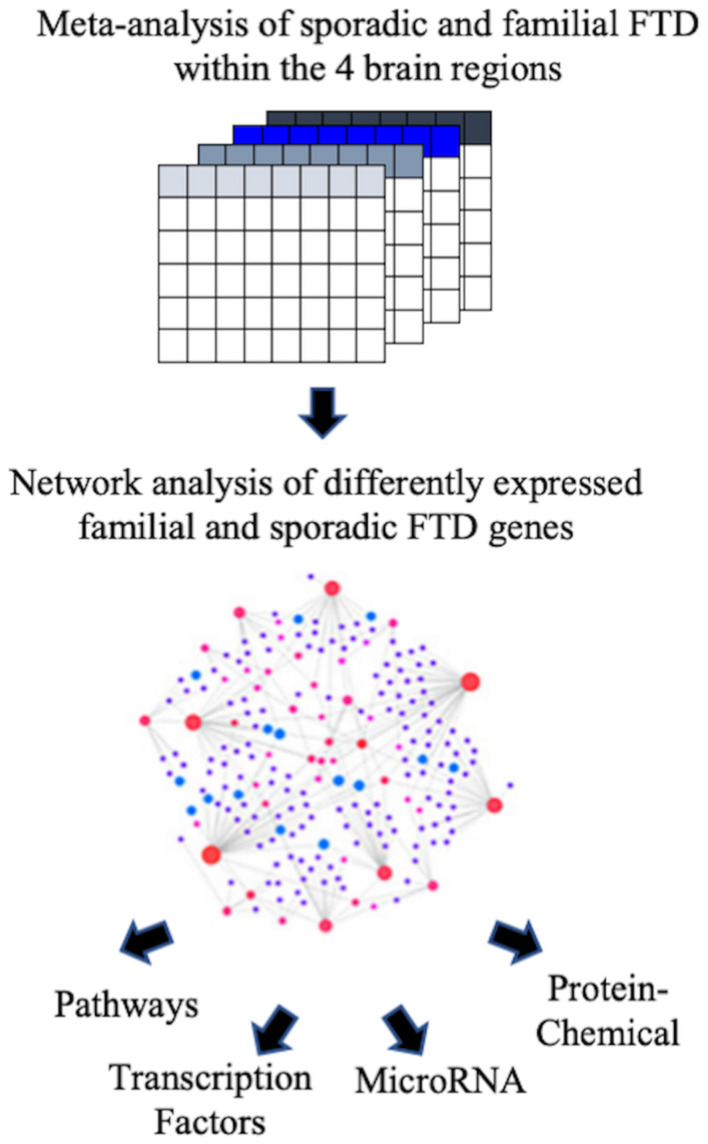
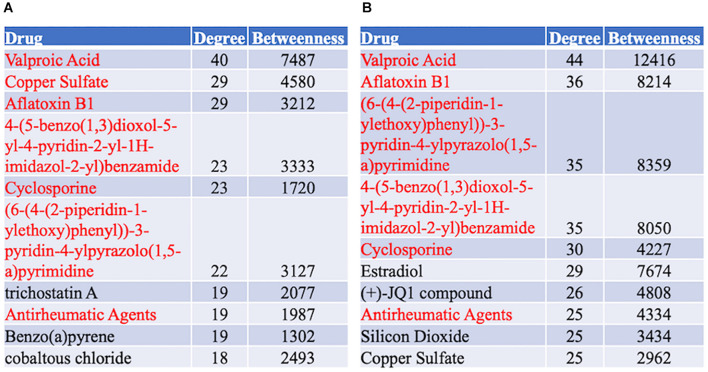
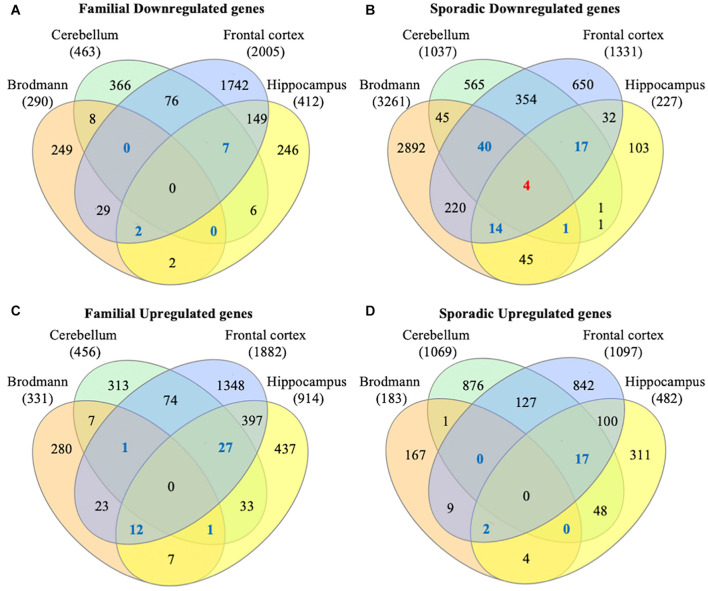
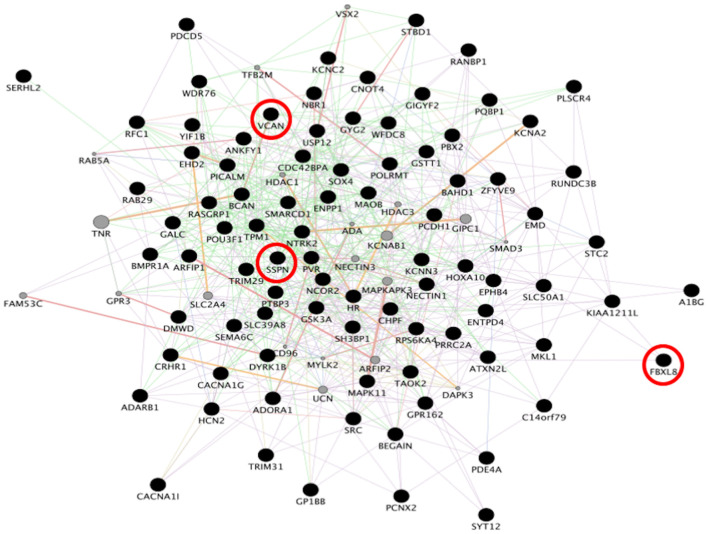
Frontotemporal lobar degeneration (FTLD), also known as frontotemporal dementia (FTD), results in a progressive decline in executive function, leading to behavioral changes, speech problems, and movement disorders. FTD is the second most common cause of young-onset dementia affecting approximately 5060,000 Americans. FTD exists in familial and sporadic forms, with GRN progranulin and C9orf72 mutations being the most common causes. In this study, we compared the sporadic and familial transcriptome within the cerebellum, frontal cortex, hippocampus, and Brodmann's area 8 of patients with FTD to determine genes and pathways involved in the disease process. Most dysregulated genes expression occurred in the frontal cortex and Brodmann's area 8 for genetic and sporadic forms of FTD, respectively. A meta-analysis revealed 50 genes and 95 genes are dysregulated in at least three brain regions in patients with familial mutations and sporadic FTD patients, respectively. Familial FTD genes centered on the Wnt signaling pathway, whereas genes associated with the sporadic form of FTD centered on MAPK signaling. The results reveal the similarities and differences between sporadic and familial FTD. In addition, valproic acid and additional therapeutic agents may be beneficial in treating patients with FTD.
额颞叶变性(FTLD),也称为额颞叶痴呆(FTD),会导致执行功能逐渐衰退,进而引发行为改变、言语问题和运动障碍。FTD是青年期痴呆的第二大常见病因,影响着约50万至60万美国人。FTD有家族性和散发性两种形式,其中GRN颗粒蛋白前体和C9orf72基因突变是最常见的病因。在本研究中,我们比较了FTD患者小脑、额叶皮质、海马体和布罗德曼8区的散发性和家族性转录组,以确定参与疾病进程的基因和通路。对于遗传性和散发性FTD,大多数失调基因表达分别发生在额叶皮质和布罗德曼8区。一项荟萃分析显示,家族性突变患者和散发性FTD患者中,分别有50个基因和95个基因在至少三个脑区中表达失调。家族性FTD基因集中在Wnt信号通路,而散发性FTD相关基因集中在MAPK信号通路。结果揭示了散发性和家族性FTD之间的异同。此外,丙戊酸和其他治疗药物可能对治疗FTD患者有益。