Bhat N K, Fisher R J, Fujiwara S, Ascione R, Papas T S
Proc Natl Acad Sci U S A. 1987 May;84(10):3161-5. doi: 10.1073/pnas.84.10.3161.
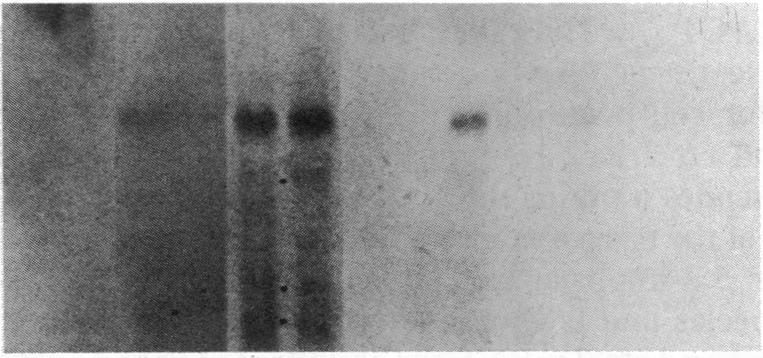
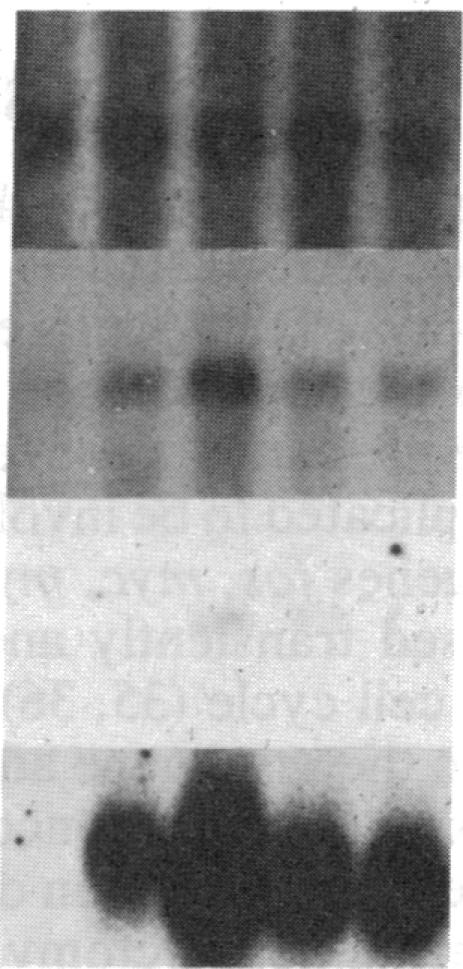
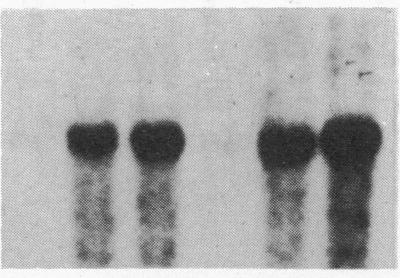
The expression of ets genes has been studied in mouse tissues and regenerating murine liver, an in vivo model for cell proliferation. Our results indicate that the ets-1 and ets-2 loci are transcriptionally active; the ets-2 locus encodes a major mRNA (3.5 kilobases) and is expressed in most of the tissues examined, whereas the ets-1 locus encodes a major 5.3-kilobase and minor 4.0-, 2.5-, and 2.2-kilobase RNA species and is expressed at a high level in thymus; both ets-1 and ets-2 mRNA are abundant in young proliferating tissues and are greatly reduced in terminally differentiated tissues, except thymus; compensatory growth of liver induces ets-2 mRNA before DNA synthesis, but after fos and myc induction; and ets-2 mRNA, but not ets-1 mRNA, is stabilized in the presence of cycloheximide during hepatic regeneration. These results suggest that ets-2 gene expression is intrinsically linked with cell proliferation. Thus, ets-2 expression follows a pattern similar to other members of the nuclear oncogene family. During hepatic regeneration, the ets-1 and ets-2 loci are subject to differential regulation.
已在小鼠组织和再生的鼠肝(一种细胞增殖的体内模型)中研究了ets基因的表达。我们的结果表明,ets-1和ets-2基因座具有转录活性;ets-2基因座编码一种主要的mRNA(3.5千碱基),并在所检测的大多数组织中表达,而ets-1基因座编码一种主要的5.3千碱基以及次要的4.0、2.5和2.2千碱基的RNA种类,且在胸腺中高水平表达;ets-1和ets-2 mRNA在年轻的增殖组织中丰富,而在终末分化组织中(胸腺除外)大幅减少;肝脏的代偿性生长在DNA合成之前,但在fos和myc诱导之后诱导ets-2 mRNA;并且在肝脏再生过程中,ets-2 mRNA而非ets-1 mRNA在放线菌酮存在的情况下得以稳定。这些结果表明,ets-2基因表达与细胞增殖内在相关。因此,ets-2的表达遵循与核癌基因家族其他成员相似的模式。在肝脏再生过程中,ets-1和ets-2基因座受到不同的调控。