Division of Infectious Diseases, Department of Medicine, Duke University School of Medicine, Durham, North Carolina, USA.
Institute of Molecular Biology, Academia Sinicagrid.28665.3f, Taipei, Taiwan.
mBio. 2021 Dec 21;12(6):e0231321. doi: 10.1128/mBio.02313-21. Epub 2021 Nov 2.
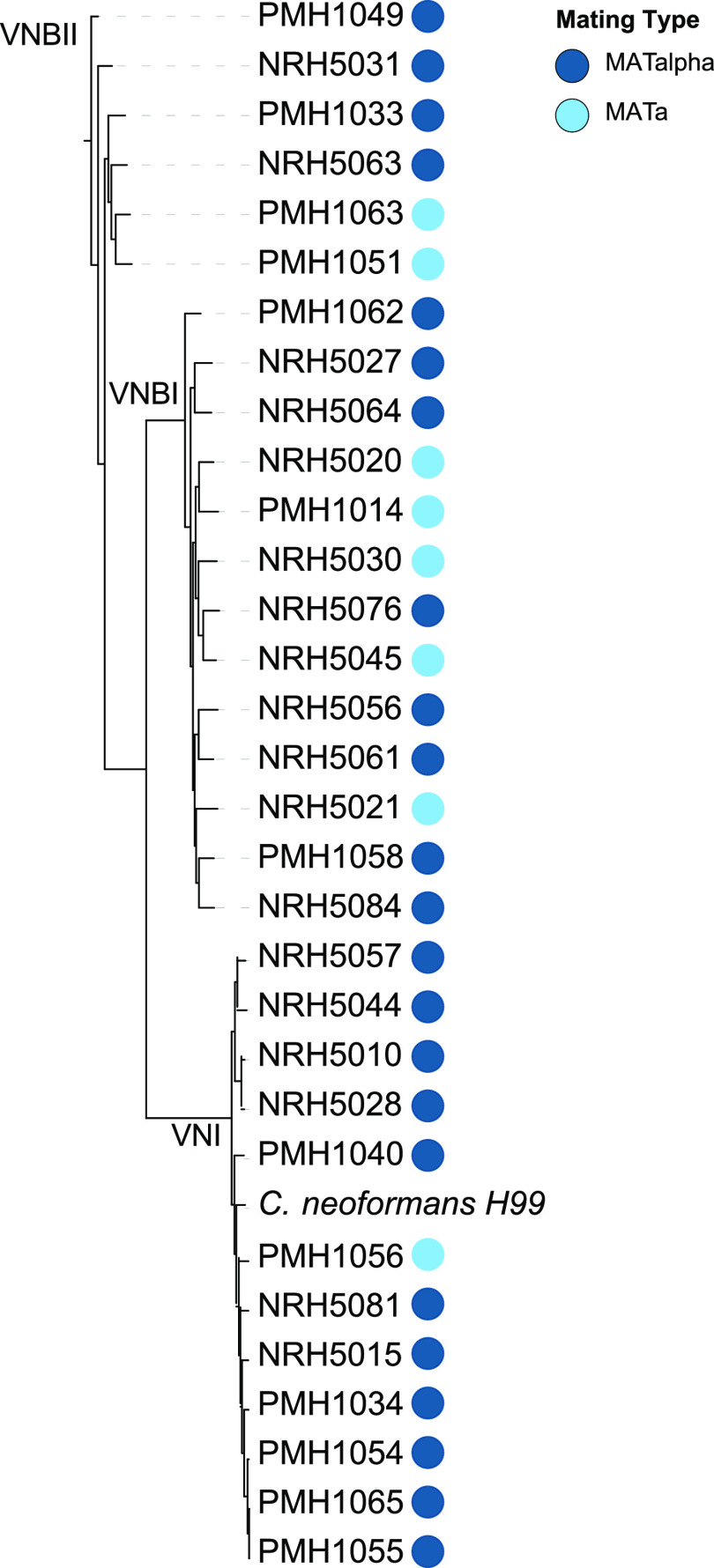
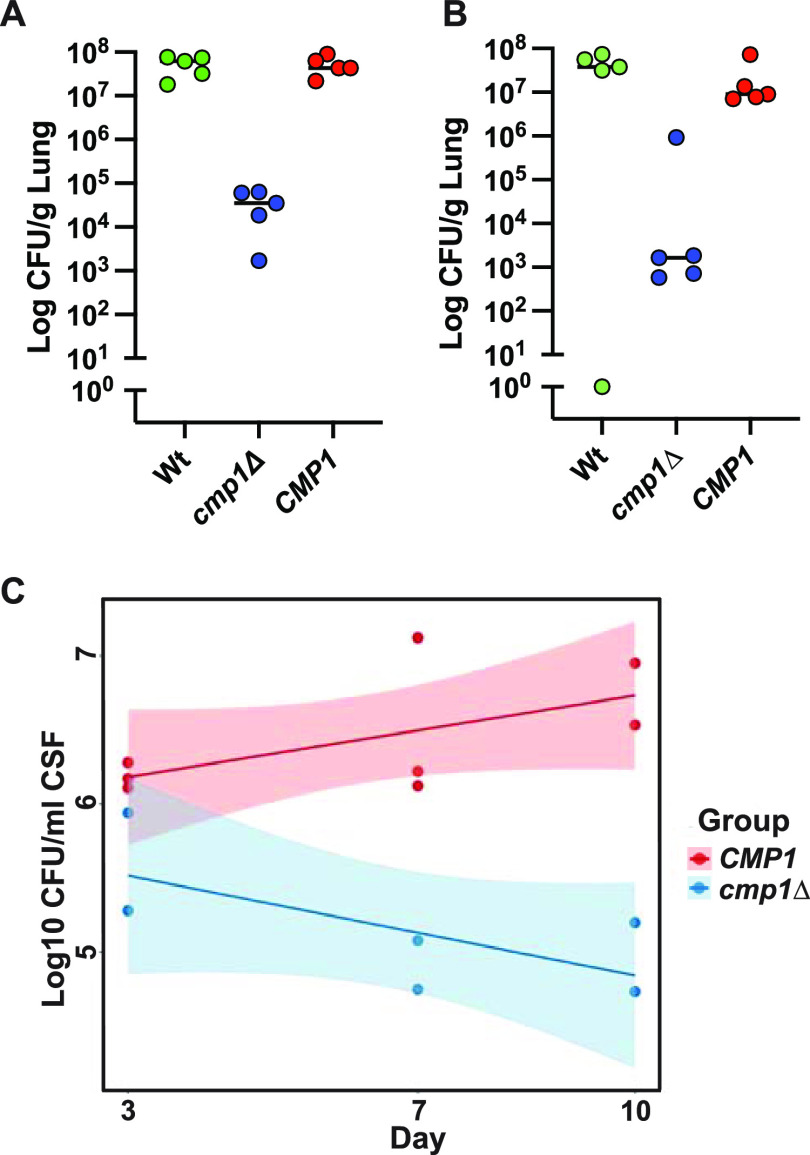
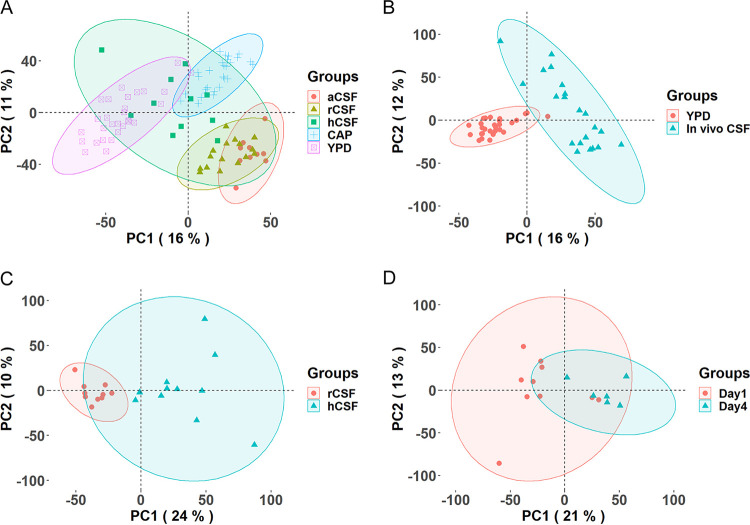
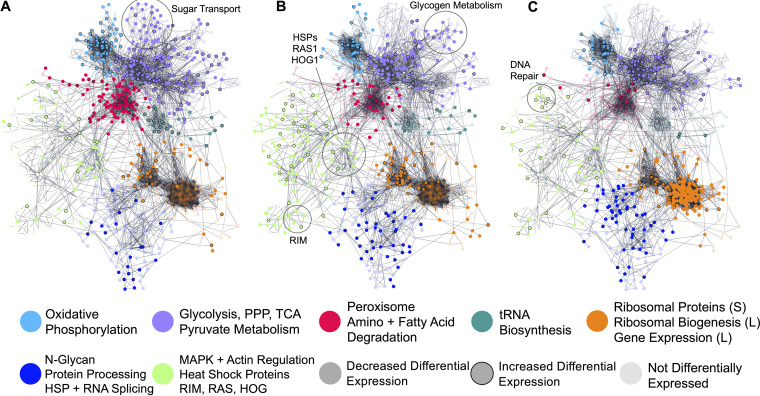
Cryptococcus neoformans is a major human central nervous system (CNS) fungal pathogen causing considerable morbidity and mortality. In this study, we provide the widest view to date of the yeast transcriptome directly from the human subarachnoid space and within cerebrospinal fluid (CSF). We captured yeast transcriptomes from C. neoformans of various genotypes in 31 patients with cryptococcal meningoencephalitis as well as several Cryptococcus gattii infections. Using transcriptome sequencing (RNA-seq) analyses, we compared the yeast transcriptomes to those from other environmental conditions, including growth on nutritious media or artificial CSF as well as samples collected from rabbit CSF at two time points. We ranked gene expressions and identified genetic patterns and networks across these diverse isolates that reveal an emphasis on carbon metabolism, fatty acid synthesis, transport, cell wall structure, and stress-related gene functions during growth in CSF. The most highly expressed yeast genes in human CSF included those known to be associated with survival or virulence and highlighted several genes encoding hypothetical proteins. From that group, a gene encoding the putative glycoprotein (CNAG_06000) was selected for functional studies. This gene was found to impact the virulence of Cryptococcus in both mice and the CNS rabbit model, in agreement with a recent study also showing a role in virulence. This transcriptional analysis strategy provides a view of regulated yeast genes across genetic backgrounds important for human CNS infection and a relevant resource for the study of cryptococcal genes, pathways, and networks linked to human disease. Cryptococcus is the most common fungus causing high-morbidity and -mortality human meningitis. This encapsulated yeast has a unique propensity to travel to the central nervous system to produce disease. In this study, we captured transcriptomes of yeasts directly out of the human cerebrospinal fluid, the most concerning site of infection. By comparing the RNA transcript levels with other conditions, we gained insights into how the basic machinery involved in metabolism and environmental responses enable this fungus to cause disease at this body site. This approach was applied to clinical isolates with diverse genotypes to begin to establish a genotype-agnostic understanding of how the yeast responds to stress. Based on these results, future studies can focus on how these genes and their pathways and networks can be targeted with new therapeutics and possibly classify yeasts with bad infection outcomes.
新型隐球菌是一种主要的人类中枢神经系统(CNS)真菌病原体,可导致相当高的发病率和死亡率。在这项研究中,我们提供了迄今为止最广泛的酵母转录组视图,这些酵母转录组直接来自人类蛛网膜下腔和脑脊液(CSF)内。我们从 31 例隐球菌性脑膜炎患者和几例新型隐球菌感染患者的各种基因型的新型隐球菌中捕获了酵母转录组。使用转录组测序(RNA-seq)分析,我们将酵母转录组与其他环境条件下的转录组进行了比较,包括在营养丰富的培养基上或人工 CSF 上生长以及在两个时间点从兔 CSF 中采集的样本。我们对基因表达进行了排序,并确定了这些不同分离株中的遗传模式和网络,这些模式和网络揭示了在 CSF 中生长时对碳代谢、脂肪酸合成、运输、细胞壁结构和与应激相关的基因功能的重视。在人 CSF 中表达最高的酵母基因包括那些已知与存活或毒力相关的基因,并突出了几个编码假定蛋白质的基因。在该组中,选择了一个编码假定糖蛋白(CNAG_06000)的基因进行功能研究。该基因的失活实验发现,该基因在小鼠和 CNS 兔模型中都影响了隐球菌的毒力,这与最近的一项研究也表明该基因在毒力方面具有作用的结果一致。这种转录分析策略提供了跨重要的人类 CNS 感染遗传背景的调节酵母基因的视图,是研究与人类疾病相关的隐球菌基因、途径和网络的相关资源。新型隐球菌是导致高发病率和高死亡率的人类脑膜炎的最常见真菌。这种有包膜的酵母有一种独特的倾向,可以转移到中枢神经系统中产生疾病。在这项研究中,我们直接从人类脑脊液中捕获了酵母的转录组,这是最令人担忧的感染部位。通过将 RNA 转录水平与其他条件进行比较,我们深入了解了代谢和环境反应所涉及的基本机制如何使这种真菌在该身体部位引起疾病。该方法应用于具有不同基因型的临床分离株,以开始建立一种基因型无关的理解,即酵母如何对压力做出反应。基于这些结果,未来的研究可以集中于如何用新的治疗方法靶向这些基因及其途径和网络,并可能对预后不良的酵母进行分类。